
REVIEW · ARGENTINA
13-Day Best of Patagonia Tour from El Calafate to Ushuaia: Los Glaciares, Torres del Paine and Tierra del Fuego National Parks
Patagonia rewards careful planning. This 13-day route from El Calafate to Ushuaia links Argentina and Chile with hotels, buses, guided excursions, and free days for your own hikes. I like the terrific mix of famous sights and independent time, especially Perito Moreno Glacier, Torres del Paine, and Tierra del Fuego. I also like that guides and local operators handle the major park visits. The main catch is that this is not one continuous group tour, so you must manage some bus stations, taxis, and hotel transfers yourself.
The price is $2,302.06 per person, which can be good value for 12 nights of lodging, 12 breakfasts, major excursions, and cross-border transport. But the included service varies from place to place, and some hotels are basic. You should also budget separately for national park fees, meals, taxis, tips, and optional add-ons.
Key points to know before booking
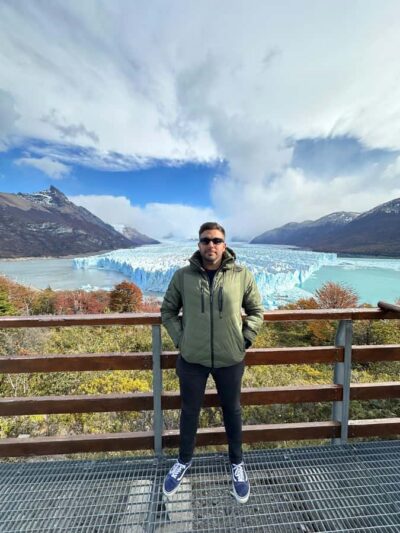
- Perito Moreno is the star opening act: You get glacier viewpoints, walkways, and an optional boat cruise in Los Glaciares National Park.
- El Chaltén gives you real hiking freedom: You choose your own trails, from short walks to demanding full-day routes toward Cerro Torre or Mount Fitz Roy.
- Torres del Paine is mainly a scenic drive: You see Grey Lake, Pehoe Lake, Salto Grande, Nordenskjöld Lake, and Amarga Lagoon, but hiking is an optional upgrade.
- The trip crosses an international border: Keep your passport ready for the bus from El Calafate to Puerto Natales, and allow time for border checks.
- The final days are active and varied: Tierra del Fuego includes hiking and canoeing, followed by a Beagle Channel cruise.
- Some independent planning is required: Transfers to several bus stations, hotels, and the Beagle Channel pier are not included.
Why this Patagonia route works well
Patagonia is spectacular, but the distances are huge and public transport schedules can be awkward. This trip solves much of that problem by arranging accommodation, long-distance buses, airport transfers, and guided park excursions in advance.
You move through five useful bases: El Calafate, El Chaltén, Puerto Natales, Punta Arenas, and Ushuaia. Each place feels different. El Calafate is the practical gateway to the glacier. El Chaltén is a hiking town. Puerto Natales points toward Torres del Paine. Punta Arenas adds a historic port-city stop. Ushuaia finishes the trip with forests, waterways, and wildlife.
I especially like the balance between organized and independent time. You are not trapped in a tour bus every morning. Several days are free, giving you room to choose a trail, eat in town, visit a museum, or simply recover from the previous outing.
The tradeoff is that the trip is a chain of separate services rather than a single group traveling together. You may meet a new guide each day, and you will sometimes need to find your own way to a bus station or meeting point. That works well for confident independent visitors, but it can feel intimidating if you expect a tour leader to stay with you from start to finish.
A few more park trips around Argentina worth a look
- Ushuaia: National Park & Train of the End of the World Tour
★ 4.5 · 811 reviews - National Park and Train Trip End of the World Guided Tour
★ 4.0 · 414 reviews - From Salta: Cachi and Los Cardones National Park Tour
★ 4.5 · 285 reviews
Days 1 to 3: El Calafate and the Perito Moreno Glacier
Your arrival at El Calafate Airport includes a shared transfer to your hotel, a useful service after an international or domestic flight. You then have the rest of the day to explore town, eat, shop, or visit Laguna Nimez for a sunset walk.
El Calafate is an easy place to get oriented. Hotel staff can help with local transport and walks, and the town has plenty of restaurants. Some accommodation may be outside the center, so check taxi arrangements if your hotel is not within an easy walk. One property used on this route, Las Dunas, received praise for its breakfast and helpful staff, but its distance from town made taxis less convenient.
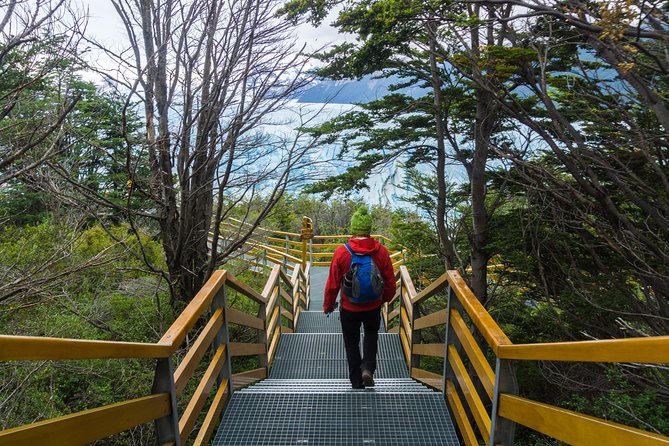
Day 2 brings the trip’s first major highlight: Perito Moreno Glacier. The drive to Los Glaciares National Park takes about an hour and ten minutes, followed by a guided visit lasting much of the day.
The glacier is about 30 kilometers long, and the viewing walkways let you see it from several angles. The scale is hard to grasp until you hear the ice crack and watch a block collapse into the water. That sudden thunder is one of the most memorable parts of the visit.
The boat cruise offers a closer view, while the park walkways give you time to choose your own viewpoints and watch the glacier at your own pace. Lunch in the park is not included, so carry money and plan for a meal there.
The standard visit does not include walking on the glacier. You can request an upgrade to Mini-Trekking or Big Ice, but it must be arranged in advance and costs extra. I would choose this add-on only if glacier walking is a major goal, since the regular viewpoint and boat visit already make a strong day.
Day 3 is completely free in El Calafate. Use it for a relaxed town day, an optional excursion, or a second look at local sights. The free day is also useful if weather affects the glacier outing, although the supplied schedule does not promise a replacement date.
Days 4 to 6: El Chaltén, trails, and mountain weather
A shared transfer takes about three hours from El Calafate to El Chaltén. The drive crosses open Patagonian steppe, and the arrival itself feels like a change of pace. El Chaltén is smaller, more focused on walking, and better suited to people who want to spend time outdoors.
You have the rest of Day 4 to settle in or take a short walk. Day 5 is the main hiking day, and this is where the tour’s flexible design pays off.
You can choose a full-day route toward Cerro Torre or Mount Fitz Roy, or select shorter two- to three-hour walks near town. The longer trails require a packed lunch, sturdy footwear, and clothing that handles wind and cold. Trail times can be less predictable than the printed estimates, so start early if you choose a long route such as Laguna de los Tres.
You do not need to join a guided group for these walks. Hiking information is available from your hotel or the Tourist Information Center near the bus station. That freedom is a real advantage, especially if your pace or fitness does not match a fixed group.
If you prefer something gentler, an optional boat trip on Lago del Desierto gives you another way to see the area. It costs extra and should be requested ahead of time.
Day 6 gives you a final morning in El Chaltén before the transfer back to El Calafate. You can walk, buy souvenirs, or enjoy a slow breakfast. The afternoon ride returns you to El Calafate for one last night.
Accommodation quality can vary here. Posada El Barranco was described as small but friendly, while another property, Senderos, handled an overheated room with a fan supplied by the owner. Breakfast at some smaller accommodations may be simple. Expect useful, comfortable bases rather than polished resort service.
Days 7 and 8: Crossing into Chile and seeing Torres del Paine
Day 7 is one of the most important logistics days. You make your own way to the El Calafate bus station, board a public bus, cross into Chile, and continue to Puerto Natales.
Keep your passport handy. Border formalities can take time, and food restrictions may be checked. Your ticket and departure details should be clear before you leave the hotel. One past booking had a confusing bus voucher and a mismatch between the stated departure time and the operating company, so I recommend confirming the company, departure time, and station location in advance.
On arrival in Puerto Natales, you are responsible for reaching the hotel. Taxis between stations and hotels are not included, with fares described as roughly $7. Puerto Natales is a pleasant coastal base, but some accommodation may be in less appealing parts of town. Check the exact hotel location if an evening walk matters to you.
Day 8 is devoted to Torres del Paine National Park. The full-day excursion also visits Milodon Cave, where the entrance fee is extra. Inside the park, the route focuses on scenic viewpoints reached by vehicle.
You can expect stops around Grey Lake, Pehoe Lake, Salto Grande, Nordenskjöld Lake, and Amarga Lagoon. Guanacos may appear on the open plains. The day gives you a strong overview of the park without requiring a long trek.
That convenience has a clear limitation: this is primarily a driving tour, not a serious hiking day. If you want a full-day walk, request the hiking version before booking. Some guides are excellent, while the quality of commentary and driving can vary by operator. The roads can be rough, and a fast ride is uncomfortable for some people.
The park is famous for its mountains, but weather can change quickly. Wind gusts may be powerful enough to knock you off balance, so bring a warm layer and a windproof jacket even if Puerto Natales looks mild.
Same corner of the map, a different park:
- Ushuaia: National Park, Train, and Beagle Channel Navigation
★ 4.5 · 182 reviews - Shore Excursion – National Park Tierra del Fuego
★ 4.5 · 169 reviews - Tierra del Fuego National Park, Ushuaia City Tour Shore Excursion
★ 4.5 · 154 reviews - Ushuaia: Tierra del Fuego National Park
★ 4.0 · 115 reviews
Days 9 and 10: Punta Arenas and the long road to Ushuaia
Day 9 takes you by public bus from Puerto Natales to Punta Arenas, a journey of roughly three to four hours. You must reach the bus station yourself and arrive at least 30 minutes before departure.
Punta Arenas is a practical overnight stop rather than the main focus of the trip. You have free time to explore after checking in. The Lacolet Hotel received strong praise for its breakfast and helpful staff, though room arrangements may not always match every request.
There is an optional upgrade from mid-October through March 31 that replaces the regular bus with door-to-door transport and a visit to Magdalena Island. The island has a large colony of Magellanic penguins. This is worth considering if penguins are a priority, since the standard schedule does not include them.
Day 10 is another long transport day. You travel by bus from Punta Arenas toward Ushuaia, crossing the Strait of Magellan and entering Tierra del Fuego Island. You must again reach the station independently, and taxis in Ushuaia are your responsibility.
This part of the trip can feel tiring. It is the price of covering a large part of southern Patagonia without arranging several separate flights. Pack snacks, keep your documents close, and treat the journey as part of the experience rather than a quick transfer.
Days 11 and 12: Tierra del Fuego and the Beagle Channel
Day 11 brings a more active guided outing in Tierra del Fuego National Park. You hike along the Beagle Channel and canoe on the Lapataia River toward Lapataia Bay. Lunch is included, and canoeing is rated low difficulty, though it depends on the weather.
This is one of the better-balanced days in the program. You get moving on foot, spend time on the water, and see parts of the park that are not covered by a simple drive. Canoeing may be canceled if conditions are poor, so keep your plans flexible.
Day 12 begins with a boat cruise on the Beagle Channel. You must reach the pier on your own. The cruise passes De los Lobos and De los Pajaros islands, where you may see fur seals and cormorants, and continues near Les Eclaireurs Lighthouse, built in 1919.
You also get off at one of the Bridges Isles for a short walk and an introduction to the Yamanas, the Indigenous people of the region. Snacks and a glass of mate are included on the cruise. The boat trip lasts about four hours, leaving the afternoon free for Ushuaia.
If penguins are high on your list, request the Martillo Island upgrade. It is available only during specified seasonal periods, from October to April and from July to mid-September. The optional excursion is also one of the clearest ways to add wildlife to the Ushuaia portion of the trip.
Accommodation in Ushuaia seems to be the least predictable part of the package. Some properties are comfortable and helpful, while one stay was criticized for a dirty room, a broken shower, narrow beds, and poor heating control. Ask which hotel category and property you will receive before paying, especially if comfort matters to you.
What the $2,302 price really covers
At $2,302.06 per person, the package includes 12 nights: four in El Calafate, two in El Chaltén, two in Puerto Natales, one in Punta Arenas, and three in Ushuaia. It also includes daily breakfast, airport transfers noted in the schedule, intercity buses, guided excursions, and English- and Spanish-speaking guides.
That can be solid value in high season, when rooms and transport in Patagonia are in demand. You are paying for convenience and coordination, not luxury. The accommodation categories are based on comfort and service standards rather than star ratings, and the properties may range from hotels to hostels with private rooms.
Set aside extra money for:
- Los Glaciares National Park: ARS 45,000 per person
- Torres del Paine National Park: CLP 5,200 per person
- Tierra del Fuego National Park: ARS 30,000 per person
- Meals and drinks beyond the included breakfasts and specified lunch
- Taxis to bus stations, hotels, and the Beagle Channel pier
- Port tax, listed at about $2
- Tips and optional activities
The package is most valuable if you dislike arranging several buses and hotels yourself. It is less attractive if you are comfortable booking directly and want complete control over hotel location, room type, and daily activities.
Who should book this trip?
I would recommend it to a first-time Patagonia visitor who wants the major sights without building a complicated route from scratch. It suits couples, solo visitors who want some logistical support, and people who enjoy scenic outings mixed with free time.
You should be comfortable carrying your own luggage, checking bus details, walking to meeting points, and handling basic Spanish or local assistance when needed. Most people can participate, but the hiking days still require sensible shoes and a fair level of stamina.
This is not the best choice if you want a single guide, a social group traveling together, or several days of serious trekking. Torres del Paine is mostly viewed from a vehicle, and the self-guided hiking in El Chaltén requires you to plan responsibly.
Cancellation is free up to 24 hours before the experience begins. The tour operates from October through April, and all participants need passport details at booking. To enter Argentina, you also need medical insurance covering the full stay, proof of onward travel, and accommodation information.
Should you book the 13-day Patagonia route?
Book it if you want Perito Moreno Glacier, El Chaltén, Torres del Paine, and Ushuaia in one carefully connected trip. The strongest parts are the glacier day, the freedom to choose El Chaltén hikes, the Tierra del Fuego canoe outing, and the Beagle Channel cruise.
Think twice if you expect a traditional escorted tour. You will not have one leader beside you throughout the 13 days, and hotel quality, bus communication, and local guiding can vary. Confirm every bus voucher and meeting point before departure.
For many people, the value is not in luxury. It is in having the big Patagonia puzzle mostly assembled while keeping enough free time to make the trip feel like your own.
FAQ
How long is the Patagonia tour?
The tour lasts approximately 13 days and includes 12 nights of accommodation.
Where does the tour begin and end?
It begins in El Calafate, Argentina, with airport pickup, and ends at Ushuaia Airport.
Does the tour include flights?
No. International and domestic flights are not included.
Are hotels included?
Yes. Accommodation includes four nights in El Calafate, two nights in El Chaltén, two nights in Puerto Natales, one night in Punta Arenas, and three nights in Ushuaia.
Are breakfasts included?
Yes. Twelve breakfasts are included during the 13-day program.
Is transport between the cities included?
The listed intercity buses and transfers are included. Transport from bus stations to hotels, and from some hotels to bus stations or meeting points, is not included.
Do I need a passport?
Yes. A current valid passport is required to cross the border into Chile, and passport name, number, nationality, and date of birth are required when booking.
Is hiking included at Torres del Paine?
The standard Torres del Paine outing is a full-day scenic excursion with vehicle-accessible viewpoints. A full-day hiking version can be requested for an additional cost.
Are national park entrance fees included?
No. Entrance fees for Los Glaciares, Torres del Paine, and Tierra del Fuego National Parks are additional.
Can I see penguins on this trip?
Penguin visits are optional. You can request Magdalena Island from Punta Arenas during its operating season, or request the Martillo Island penguin rookery visit from Ushuaia during its stated seasonal periods.
Just added around Argentina
- Tierra del Fuego National Park★ 4.5 · 4 reviews
- Private Experience “Tierra del Fuego” National Park★ 4.7 · 3 reviews
- Los Glaciares National Park and Perito Moreno Glacier Tour★ 4.7 · 49 reviews
- From Ushuaia: Discover Tierra del Fuego National Park★ 4.1 · 34 reviews
- Full Day Trip to Tierra del Fuego National Park★ 4.2 · 3 reviews
- Ushuaia: Tierra del Fuego National Park★ 4.0 · 115 reviews
- Shore Excursion – National Park Tierra del Fuego★ 4.5 · 169 reviews
- Tierra del Fuego National Park, Ushuaia City Tour Shore Excursion★ 4.5 · 154 reviews
Argentina National Park Tours, compared.
Ushuaia: National Park & Train of the End of the World Tour
Read our review →
National Park and Train Trip End of the World Guided Tour
Read our review →
From Salta: Cachi and Los Cardones National Park Tour
Read our review →
Ushuaia: National Park, Train, and Beagle Channel Navigation
Read our review →
Tierra del Fuego National Park, Ushuaia City Tour Shore Excursion
Read our review →
Los Glaciares National Park and Perito Moreno Glacier Tour
Read our review →Browse the lists this tour appears in