
REVIEW · PORTUGAL
Lisbon: Tagus Estuary Nature Reserve Birdwatching Boat Tour
Lisbon’s wild side starts just beyond the city. I love the small group of up to 10 and the chance to watch Carlos Cera find and identify birds without rushing the boat from one sighting to the next. I also like the easy city setting: you get open water, mudflats, flamingos, and bird calls only minutes from Parque das Nações. The main caution is simple: birds and weather do not follow a script, and fog, wind, tides, or the season can change the day.
For $58, the three-hour trip offers good value if you care about nature, photography, or seeing Lisbon from the Tagus. You receive binoculars, insurance, fuel, and a life vest, but not food or drinks. Winter is the strongest season for numbers, while summer can still produce a fine list of birds, just with less certainty.
Why this Tagus boat tour is worth your time
- Carlos Cera is the heart of the trip: He knows the estuary, its channels, bird habitats, and seasonal patterns, and he adjusts the route to the conditions.
- The reserve is remarkably close to Lisbon: The Tagus estuary lies beside the modern city, yet its mudflats and islands support around 200 bird species.
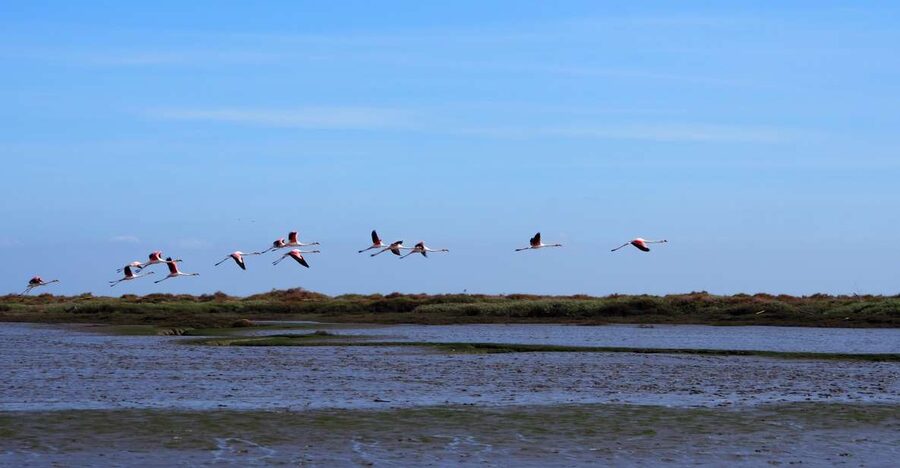
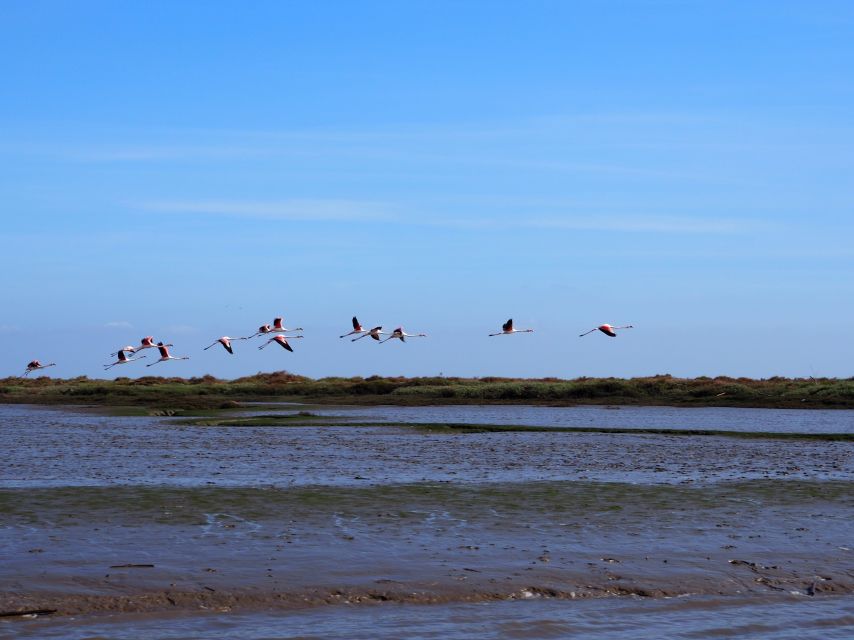
- Winter brings serious bird numbers: Regular winter counts reach about 120,000 birds, with as many as 12,000 flamingos counted in 2024.
- Tides matter: Exposed mudflats can bring feeding waders close to the boat, so checking the tide before booking may improve your chances.
- The boat stays small: A maximum of 10 participants makes it easier to hear the guide, share sightings, and take photographs.
- It is not only for expert birders: Families, casual wildlife fans, and first-time birdwatchers can all enjoy the quiet water and city views.
Starting beside the Onda Luso-Americana artwork
The meeting point is next to the Onda Luso-Americana work of art at the Parque das Nações waterfront. This is a useful location for a city visit because it is near the modern riverside district and easy to reach by metro, according to the practical experience of past participants.
Allow a little extra time to find the exact artwork. The meeting instructions are brief, so do not assume that a large tour office or obvious ticket desk will greet you. Look for the meeting point beside the sculpture and have your booking details ready.
The trip begins with about 15 minutes of safety instructions at Marina Parque das Nações. You will wear a life vest, and the guide covers the basic rules before the boat heads out. That may feel like a slow start when you are eager to see birds, but it is sensible on open water.
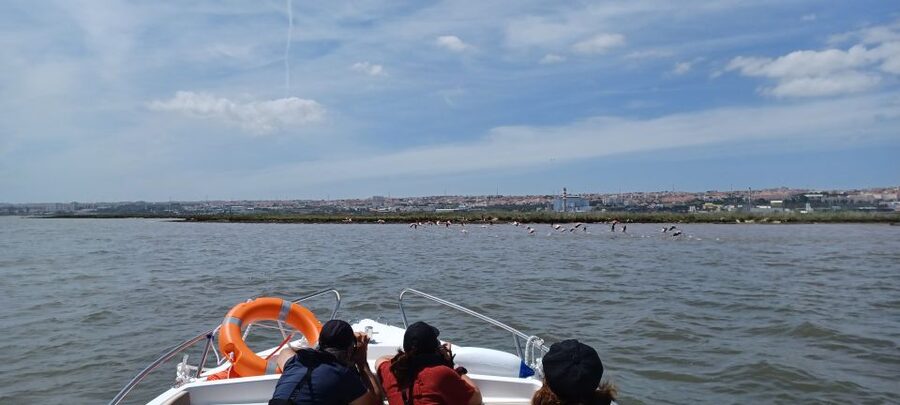
The group is limited to 10 people. That matters here. Birdwatching requires quiet, quick pointing, and a clear view over the side of the boat. A large sightseeing vessel would make the experience less personal and much harder for everyone to hear the guide.
More Park Boat and Lake Tours in Portugal
- Madeira: Garajau Nature Reserve Kayak and Snorkel Tour
★ 4.1 · 906 reviews - Porto: Peneda-Gerês National Park Tour with Kayaking & Lunch
★ 4.9 · 385 reviews - Kayaking and Waterfall in Peneda-Gerês National Park from Porto
★ 5.0 · 276 reviews
Leaving Parque das Nações by boat
The first section gives you a fresh view of Lisbon. From the water, Parque das Nações becomes a line of waterfront buildings, walkways, and modern public spaces rather than a place you simply pass through on foot.
The boat spends roughly 30 minutes in this area, with a guided cruise and time for photographs. This section is partly sightseeing and partly a gradual change of mood. You leave the city’s hard edges behind and begin to notice the broad sweep of the Tagus.
The boat also passes Bairro dos Pescadores 21. This stop adds a more local riverside note to the trip, with views connected to the fishing community and the working character of the water. Do not expect a long shore visit here. The emphasis is on viewing the area from the boat and learning about the river.
The scenery is a useful bonus for anyone in Lisbon who has already visited the main monuments. You get views of the city, bridges, and waterfront from an angle that walking tours cannot provide.
Entering the Tagus Estuary Nature Reserve
The main part of the tour lasts about two and a half hours in the Tagus Estuary Nature Reserve. This is where the trip earns its place on a Lisbon schedule.
The estuary covers about 32 square kilometers and is described as the largest estuary in western Europe. Its protected area covers around 14,000 hectares, providing feeding and resting grounds for about 200 bird species.
The important point is not just the size. Estuaries mix river water, tidal water, mud, shallow channels, and open areas. That variety creates food for waders, herons, ibises, terns, raptors, and other birds. At low tide, mudflats appear and birds gather to feed. At other times, the water and islands offer safer resting places.
Carlos’s role makes a real difference. He does not simply point toward a distant flock and name it. He looks for movement, flight patterns, habitat, and behavior, then helps you understand why a particular bird is in that spot. He has also used a bird book on trips, which is useful when you are trying to separate similar species.
The boat keeps a respectful distance from wildlife. That helps with photographs and avoids turning the birds into a staged show. You may get a close enough look for identification, but this is still a natural setting. A long lens will help if photography is a main goal.
Birds you might see in different seasons
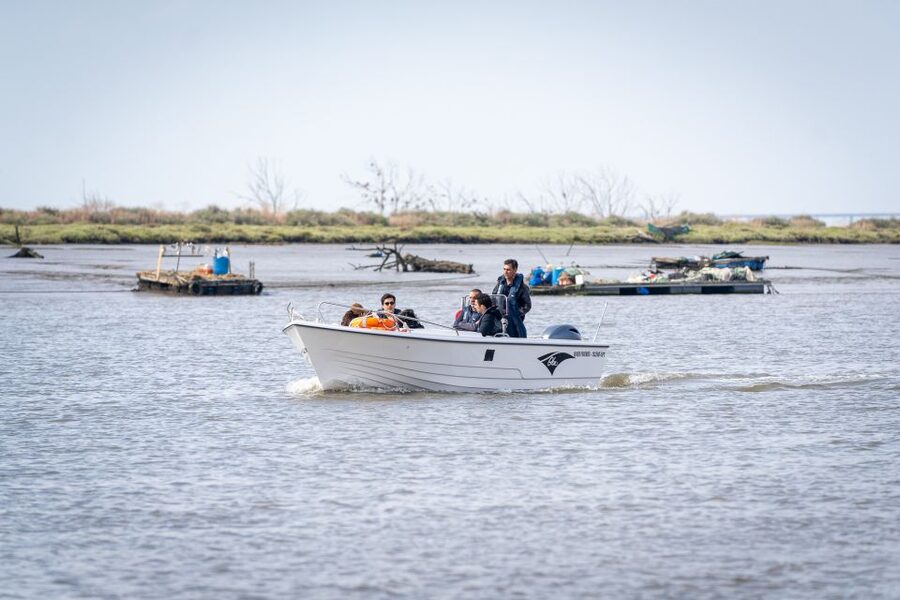
The exact list changes with the calendar, tide, and weather. That unpredictability is part of birdwatching, but it is worth setting realistic expectations before you book.
In autumn and winter, the estuary can fill with visiting birds. Regular winter numbers reach about 120,000, and the 2024 count included 12,000 flamingos. Past trips have produced flamingos, spoonbills, avocets, glossy ibis, black ibis, ospreys, marsh harriers, purple herons, little and cattle egrets, little terns, and other waders.
Some visitors have seen more than 20 species in three hours, while another autumn trip recorded more than 30. Those numbers are possible, not guaranteed. The estuary is a living place, not an aviary arranged for inspection.
Spring and summer can be quieter in terms of total bird numbers because some species have migrated or are nesting elsewhere. Even so, sightings of purple herons, black-winged stilts, glossy ibis, little terns, egrets, and other birds can still make the trip worthwhile.
If you are a serious birder, ask about the season and tide before booking. If you are a casual visitor, do not let the word birdwatching put you off. The boat ride, open water, wildlife, and views of Lisbon make the trip enjoyable even when the species list is modest.
Same corner of the map, a different park:
- Waterfall, Lagoon and Old Village in Peneda-Gerês National Park
★ 5.0 · 1,132 reviews - From Porto: Peneda-Gerês National Park Tour with Lunch
★ 4.9 · 1,128 reviews - Small Group Geres National Park Full Day with picnic from Porto
★ 5.0 · 846 reviews - From Porto: Hike & Swim in Gerês National Park
★ 4.8 · 452 reviews
How tides shape the experience
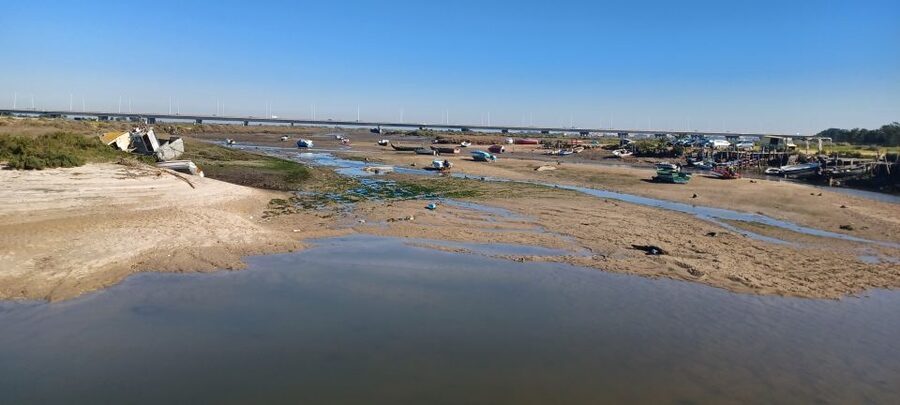
The tide is one of the most useful details to consider. As mudflats emerge, birds often move in to feed. That can create better viewing conditions than a high-water period, when birds may be spread out or resting elsewhere.
Past participants have specifically pointed out that checking the tide in advance can help. Carlos also uses the changing tide to reach feeding areas at a useful moment when conditions allow.
Still, you should not treat a favorable tide as a guarantee. Wind, fog, light, bird movement, and seasonal behavior all matter. The best approach is to choose a good tide if you can, then accept that nature keeps the final say.
Bring your own camera and binoculars if you have them. Binoculars are included, but one past participant felt more pairs and better visual bird guides would be useful. The supplied equipment is a helpful safety net, not a reason to leave your preferred optics at home.
Mouchao da Povoa and the wide open water
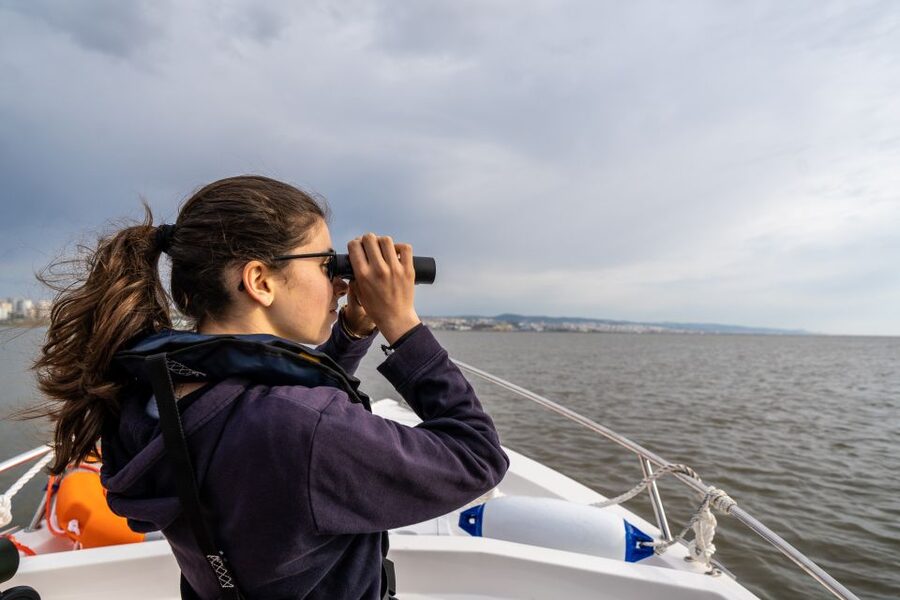
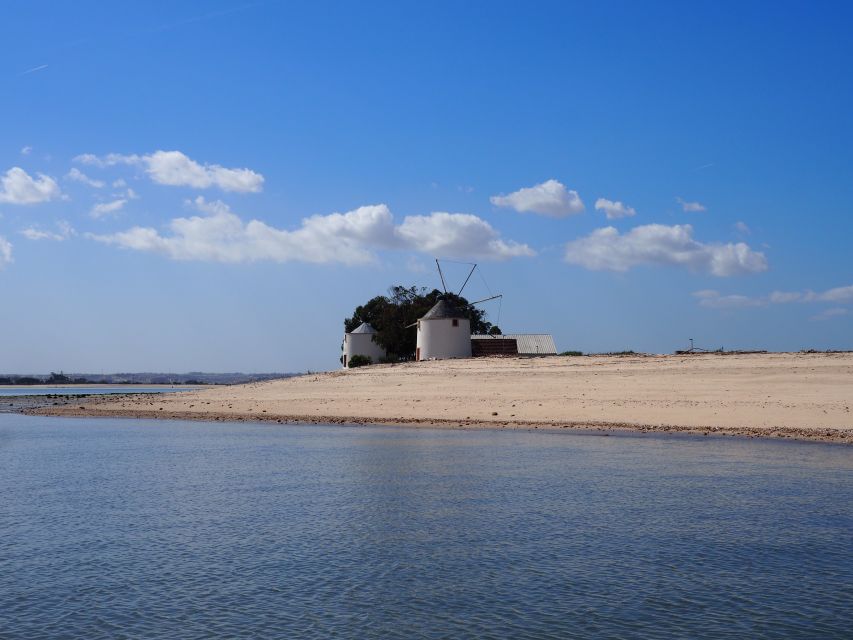
The route continues toward Mouchao da Povoa, passing through channels and open sections of the estuary. This part gives you a sense of how large the protected area is. The city may still be close, but the water and mudflats can feel surprisingly remote.
There is no promise of a landing or a long stop on the island. The activity here is a boat-based look at wildlife, scenic views, and marine life. Keep your camera ready, since birds may appear briefly in flight or along the waterline.
This is also where the smaller boat proves useful. Carlos can watch the water, slow down for a sighting, and position the boat for a better view. You are not locked into a fixed seat on a large cruise vessel.
The tradeoff is that small boats are more exposed to weather. Bring a jacket even on a warm Lisbon day. Sunglasses, biodegradable sunscreen, comfortable shoes, and weather-appropriate clothing are sensible choices. The supplied information also asks you to carry a passport or identity card.
Passing beneath the Vasco da Gama Bridge
The return route passes the Vasco da Gama Bridge, one of the most recognizable structures in this part of Lisbon. It adds a strong visual finish to the wildlife trip, linking the huge scale of the bridge with the quieter scale of the reserve.
You get another chance for photographs and city views, but this is not a separate monument visit. The bridge is seen from the boat as part of the route.
That contrast is one of the trip’s best features. In a single morning or afternoon, you can move from modern architecture and marina facilities to mudflats with flamingos, then back toward one of Europe’s major urban landmarks.
Carlos Cera’s guiding style
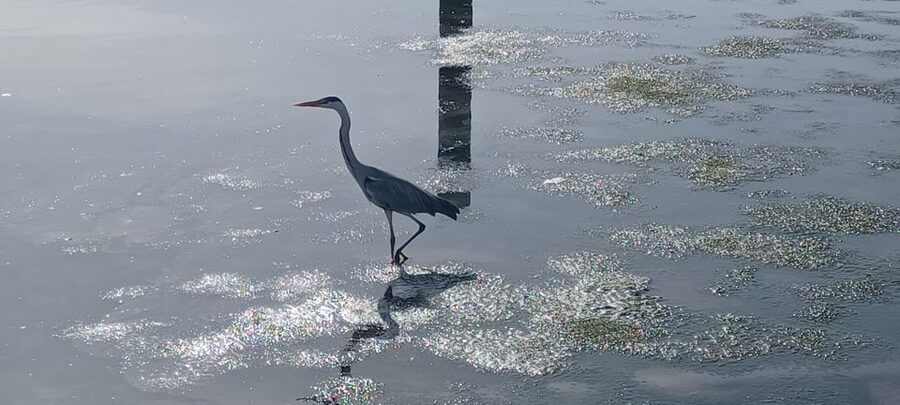
Carlos receives the strongest praise for his passion, patience, and ability to identify birds. He has been described as friendly, flexible, and deeply connected to the river and the wildlife around it.
That matters because a guide can make birdwatching either welcoming or intimidating. Carlos works with mixed groups, from experienced birders to people seeing many of the species for the first time. He answers questions and explains migration, habitat, and behavior without requiring you to arrive with a field guide already memorized.
He also appears to value time over speed. Several trips have included pauses for photographs and careful approaches that avoid disturbing the birds. You should expect guidance rather than a rapid checklist.
The tour is available in Portuguese, English, and Spanish. French is also mentioned in the included language information, so confirm that option when booking if you need it.
What $58 includes, and what it does not
At $58 per person, this is not the cheapest way to spend three hours in Lisbon. It is fair value if you would otherwise pay for a wildlife excursion, boat ride, binocular rental, and a private guide separately.
The price includes fuel, insurance, a life vest, binoculars, and the guided boat trip. You are paying for access to a protected natural area, a small group, and Carlos’s ability to read the river and find birds.
Food and drinks are not included. You can bring a picnic if you want one, but the trip itself does not include lunch. Hotel pickup and drop-off are also not provided, so you need to reach Parque das Nações on your own.
For a family, couple, or small group interested in nature, the value is strongest. You get an active outdoor experience without a long hike, which is useful if you have already spent days walking Lisbon’s steep streets. One family found the trip enjoyable for both young children and adults.
Weather, cancellations, and the practical drawbacks
All boat trips depend on weather and sea conditions. Foggy mornings and sudden weather changes can lead to a last-minute cancellation, even when the forecast looked acceptable earlier.
If poor conditions are expected, the operator aims to contact you within 24 hours and try to reschedule. If rescheduling does not work, you receive a full refund. You can also cancel up to 24 hours ahead for a full refund, and the reserve-now-pay-later option keeps you from paying immediately.
The main disappointment would be booking in a quiet season and expecting thousands of birds at close range. Summer trips have still produced excellent sightings, but winter gives you the best chance of seeing large concentrations.
Another small weakness is the meeting-point description. The Onda Luso-Americana artwork is the landmark, but the instructions are not especially detailed. Plan to arrive early rather than racing to the marina at the last minute.
Who should book this Lisbon boat trip?
I would choose this tour if you want a break from museums, churches, tiled streets, and city traffic. It offers a peaceful side of Lisbon that is easy to miss, and you do not need to be an expert to enjoy it.
It suits:
- Birdwatchers who want migration, waders, raptors, and estuary species
- Photographers who value time and respectful distance
- Families looking for an outdoor activity with limited walking
- Couples who want quiet water and a different view of Lisbon
- Visitors with only a few days who want nature close to the city
- Repeat visitors who have already covered the main central sights
It is less suitable if you need a guaranteed species list, dislike changing weather, or want a fully catered boat cruise. The ride is built around wildlife, not food, music, or constant sightseeing commentary.
Should you book the Tagus Estuary tour?
Yes, if you like birds, open water, or seeing a city from a less familiar angle. Carlos Cera is the reason this trip feels personal rather than mechanical, and the small boat gives you a better chance to hear him and share sightings.
For the best odds, consider a cooler season, check the tide, and bring a camera, jacket, and your own binoculars if you have them. If your schedule allows only summer, I would still go, but I would treat the bird list as a bonus rather than a promise.
This is a strong choice for a quiet half-day outside the usual Lisbon route. The estuary is close, the group is small, and the combination of flamingos, mudflats, bridges, and city views gives you something no standard walking tour can provide.
FAQ
Where does the Tagus Estuary boat tour meet?
The meeting point is next to the Onda Luso-Americana work of art near Parque das Nações.
How long does the boat tour last?
The experience lasts three hours, including the safety briefing and the boat route through the estuary.
How many people can join the tour?
The tour is limited to 10 participants.
What languages are available?
The tour is conducted in Portuguese, English, and Spanish. French is also listed among the included tour languages, so confirm availability if needed.
Are binoculars provided?
Yes. Binoculars are included, although you may prefer to bring your own pair if you have them.
Is food included?
No. Food and drinks are not included. You may bring a picnic if you want one.
What happens if the boat trip is cancelled because of weather?
Boat trips depend on weather and sea conditions. You may be contacted within 24 hours to reschedule. If you cannot reschedule, you receive a full refund.
Just added around Portugal
- Gerês Braga: Horseback Ride in Peneda Gerês National Park★ 5.0 · 13 reviews
- Arrábida National Park Jeep Tour★ 4.9 · 11 reviews
- Albufeira: Salgados Nature Reserve Segway Tour★ 4.9 · 30 reviews
- Peneda Geres National Park: Private Tour with a Guide★ 4.8 · 19 reviews
- Peneda – Gerês National Park Lagoons and Waterfalls -Private Tour★ 5.0 · 8 reviews
- Private Guided Hike in Sintra-Cascais National Park, Lisbon★ 5.0 · 8 reviews
- Islands Tour: Half Day Cruise in Ria Formosa Natural Park★ 4.5 · 160 reviews
- Sesimbra & Arrábida National Park Tour with 5 Wines Tasting★ 4.9 · 153 reviews
Park Boat and Lake Tours, compared.
Clear Kayak Tour of Shell Key Preserve and Tampa Bay Area
Read our review →
From Split: Krka Waterfalls Trip with Boat Cruise and Swimming
Read our review →
Ajaccio/Porticcio: Scandola Nature Reserve Guided Boat Tour
Read our review →
Skadar Lake National Park: Guided Boat Tour to Kom Monastery
Read our review →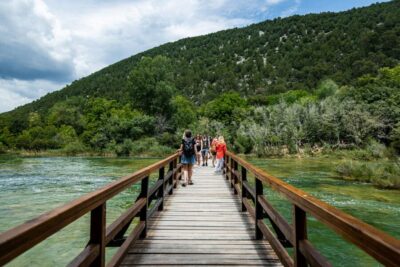
Split: Krka National Park Day Trip with Boat Ride & Swimming
Read our review →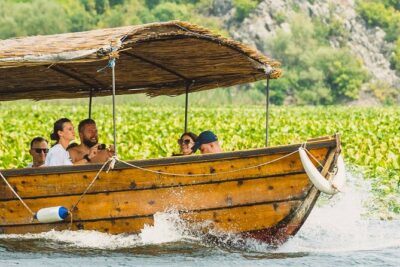
Skadar Lake National Park: Guided Boat Tour with Wooden Boat
Read our review →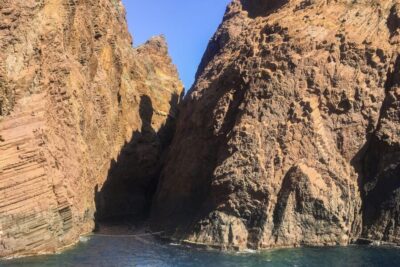
From Ota: Scandola Nature Reserve Eco-Friendly Boat Tour
Read our review →
Madeira: Garajau Nature Reserve Kayak and Snorkel Tour
Read our review →Browse the lists this tour appears in