
REVIEW · USA
Rocky Mountain National Park Guided Tours from Grand Lake
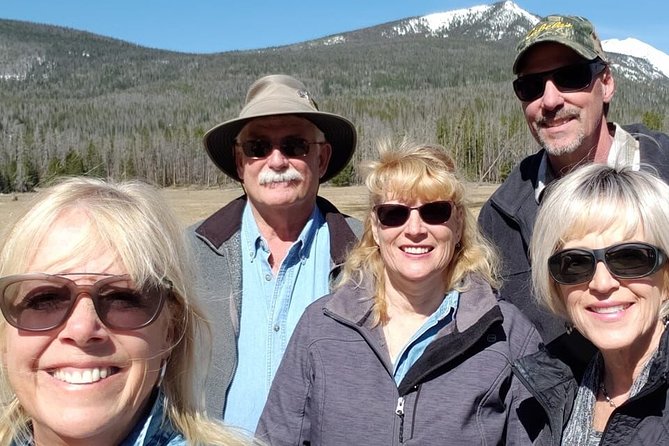
History looks better from an old road. This four-hour private tour takes you from Grand Lake into the west side of Rocky Mountain National Park, beyond the usual parking lots and busy trails. I like the personal touch of guide Dave Lively, whose family homesteaded the area near the park entrance, and I like the way the tour links scenery with stories about homesteaders, Native American tribes, roads, and wildlife.
The private vehicle keeps the outing calm and flexible, with no summer tour bus crowd. The main consideration is that this is a history-focused experience, not a strenuous hiking trip, and the meeting point is in Grand Lake rather than central Boulder. Weather can also affect the route.
Key details at a glance
- Family knowledge of Grand Lake: Dave Lively lives less than half a mile from Rocky Mountain National Park and has generations of local connections.
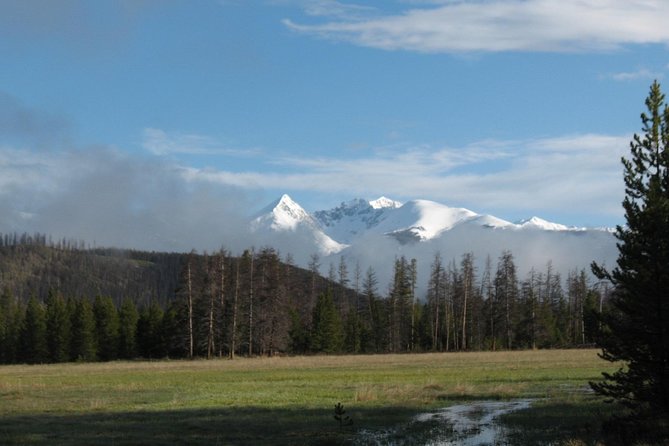
- Three layers of Trail Ridge Road: You may see earlier road construction beneath the present route while looking across the Kawuneeche Valley.
- Private transportation: Only your group participates, which makes questions and conversation easier.
- Off-the-beaten-path history: Stops may include the Harbison sisters’ homestead, early settler sites, Native American stories, and Colorado River locations.
- A four-hour west-side tour: The experience begins and ends at Grand Lake Center, making it easy to fit into a Grand Lake stay.
- Strong value for history lovers: At $100, the price pays for a local guide, a private vehicle, and access to stories you would likely miss on a self-guided drive.
Why this Grand Lake tour feels different
Rocky Mountain National Park is easy to experience as a sequence of viewpoints: pull over, take a picture, read a sign, then move on. That can be pleasant, but it leaves out the human story. This tour is built to slow down and explain what happened here before the roads, overlooks, and official park boundaries shaped your visit.
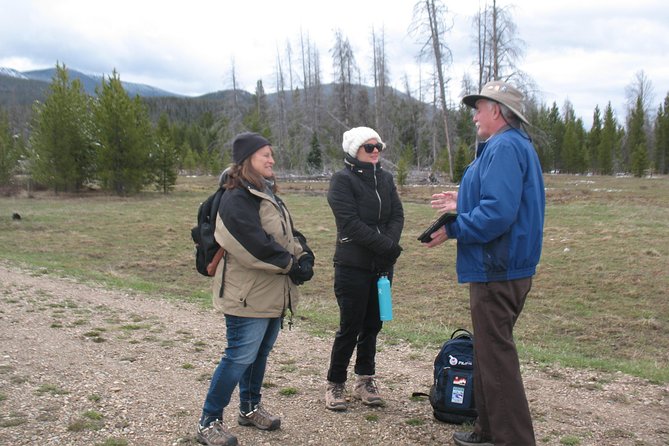
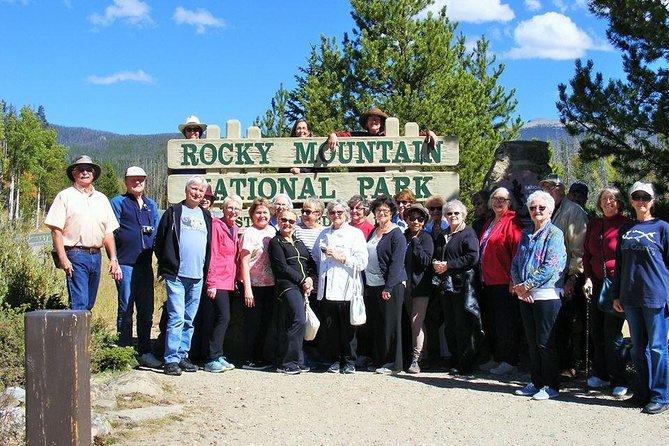
Dave Lively is the reason this approach works. He is a resident of Grand Lake, a local historian, and the only Certified Tour Guide in Grand County, Colorado, according to the tour information. His family homesteaded what is now the western entrance to the park, giving him a direct connection to the area rather than only a textbook knowledge of it.
I especially like that the tour uses personal photographs and stories. Old images can turn a quiet patch of forest into a homestead, a road cut, or a former travel route. You begin to see the park as a place shaped by people, not only as a stretch of impressive mountain scenery.
This is also a private activity. You do not share the vehicle with a large group, so you can ask about a road layer, a family name, or a point of interest without waiting for a busload of people to get back in their seats. That matters on a short tour.
More Rocky Mountain National Park Tours in the USA:
- Discover Rocky Mountain National Park
★ 5.0 · 3,419 reviews - Rocky Mountain National Park in Summer Tour from Denver
★ 5.0 · 696 reviews - Rocky Mountain National Park and Estes Park Tour from Denver Winter and Spring
★ 5.0 · 511 reviews
Starting at Grand Lake Center
The meeting point is Grand Lake Center at 301 Marina Drive in Grand Lake. The outing returns to the same place, so you do not need to arrange a separate pickup at the end.
Grand Lake is the practical base for this experience because the tour focuses on Rocky Mountain National Park’s west side. The setting also gives the outing a stronger local feel than a quick drive in from a distant city. The supplied information lists Boulder as the general location, but the actual start and finish are in Grand Lake, so check your plans carefully before booking.
The tour lasts about four hours. That is long enough for several historical stops and scenic pauses, but short enough to leave time for your own meal, walk, or other park plans. I would treat it as a focused half-day rather than as a complete visit to every part of Rocky Mountain National Park.
You receive confirmation when booking, and the tour uses a mobile ticket. Most people can participate, and the activity is private for your group.
Beyond parking lots and busy trails
The central promise is simple: you leave the pavement, parking areas, and heavily used trails behind to see less familiar places on the park’s west side. That does not mean you should expect a demanding hike or a secret route with no access restrictions. It means the emphasis is on landmarks and viewpoints that are easy to overlook when you follow the standard sightseeing pattern.
The exact order of stops is not provided, so you should think of the tour as a guided circuit rather than a fixed list of attractions. Dave brings the route to life through local stories, photographs, and explanations of how the area changed over time.
That format suits you if you enjoy asking questions. It also works well for family groups with different interests. A teenager who would normally skip a history program may connect with the physical remains of old roads, the stories of early residents, or the chance to spot wildlife along the way.
The main limitation is that the experience depends heavily on the guide’s storytelling. If you want long hikes, solitude, or a fast-moving wildlife drive, this may not be the best match. If you want context and conversation, it is much more promising.
The Harbison sisters and early homesteaders
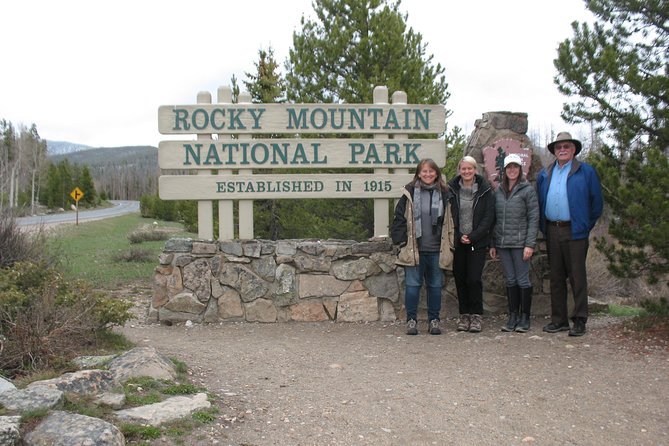
One of the historical subjects connected with the tour is the Harbison sisters’ homestead. This gives you a concrete way to think about settlement in the area. Instead of hearing only broad dates and names, you can connect the park to specific people who lived and worked here.
Early homesteader stories also appear throughout the experience. The value is not just in learning who arrived first. These stories help explain how people traveled, built homes, used the valley, and interacted with a place that later became protected parkland.
Dave’s family connection adds another layer. His relatives homesteaded near the western entrance, and he has personal photographs and family stories tied to the area. That does not replace formal park interpretation, but it gives the tour a local voice that a standard road sign cannot provide.
I would pay close attention during these stops, even if you usually prefer scenery to history. The strongest parts of a tour like this are often the small details: a former road hidden under a newer surface, a family name attached to a site, or a photograph that lets you compare past and present.
More Guided Trips in the USA:
- 2-Hour Gettysburg Battlefield Guided History Bus Tour with a National Park Guide
★ 4.5 · 2,201 reviews - Bryce: Guided Sightseeing Tour of Bryce Canyon National Park
★ 4.9 · 805 reviews - Joshua Tree National Park Self-Guided Driving Audio Tour
★ 4.5 · 762 reviews - Jackson: Grand Teton National Park Guided Wildlife Tour
★ 4.8 · 676 reviews
Native American stories and the Colorado River
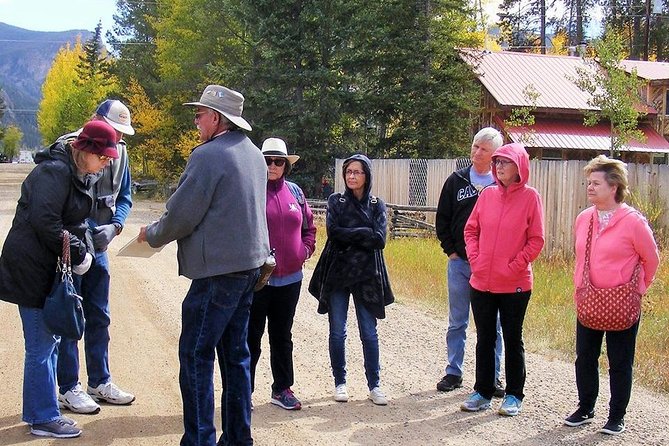
The tour also covers Native American tribes and the Colorado River. These subjects broaden the story beyond homesteaders and park officials.
The river connection is especially useful because it anchors the area in something physical. You are not only learning about a famous name on a map. You are seeing how water, valleys, roads, and settlement fit together.
The information provided does not identify every tribe or specify the exact stops used for these discussions. For that reason, I would not book this expecting a full Indigenous history course. Instead, expect these stories to form part of a wider account of the people and places connected with the park’s west side.
That balance is important. A short tour cannot cover every chapter in four hours. Its strength is showing you several connected threads, then helping you see the park with more context.
Three generations of road construction
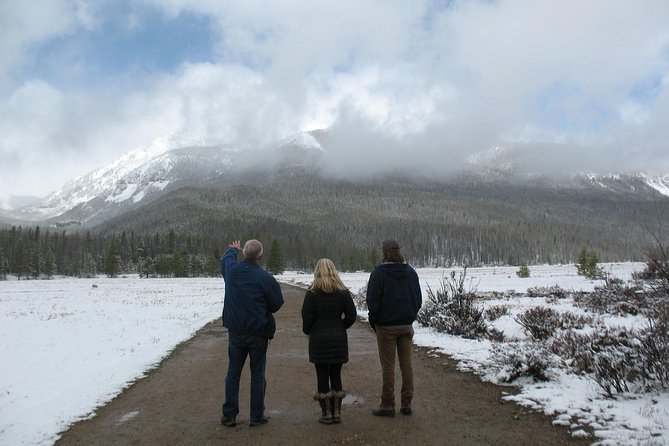
The most distinctive visual detail is the chance to see three layers of road around Trail Ridge Road while looking over the Kawuneechee Valley. One earlier road lies beneath a later overlay, while you stand on the newest surface.
This is the kind of stop that makes infrastructure interesting. You can see how routes were changed and improved rather than treating the road as something that simply appeared. It also offers a strong view across the valley, giving you both a historical detail and a scenic payoff.
For me, this is likely one of the best reasons to choose the tour over a regular drive. A casual visitor may notice the road and the view, but not the layers beneath the present route. Dave’s explanation turns a stretch of pavement into evidence of earlier travel and construction.
Road and weather conditions can affect what you see. The experience requires good weather, and a cancellation caused by poor conditions results in either another date or a full refund. That policy is sensible in a mountain setting, but it means you should keep some flexibility in your schedule.
Wildlife without making wildlife the whole show
Wildlife can appear during the drive, but the tour’s main focus is history. One memorable sight connected with the outing was a marmot near the top, and the guide has also helped visitors notice wildlife they might otherwise miss.
That is a useful distinction. You should not book this as a guaranteed wildlife safari. Instead, think of animals as an added bonus while Dave explains the land and its past.
The private vehicle helps here because you can pause for a question or take a closer look when something catches your attention. The experience also gives younger participants a reason to stay engaged. A fifteen-year-old may not want a lecture on park administration, but a marmot, an old road, and a personal story can make the same subject memorable.
Bring your own expectations into line with the format. You might see wildlife, but the tour cannot promise a particular animal or sighting.
What the private format is worth at $100
The listed price is $100. The value depends on how many people are in your group, since this is a private activity and only your party participates.
For one or two people, the price is higher than joining a large bus tour, but you get a more personal experience. You are paying for Dave’s local background, private transportation, four hours of guiding, and access to historical details that are easy to miss from your own car.
For a family or small group, the price may compare more favorably. You can share the cost while keeping the vehicle and conversation within your party. That also avoids the stop-and-start rhythm of a large coach.
I would consider it good value if you care about the story behind the scenery. I would consider it less compelling if you only want a quick ride to viewpoints or plan to spend most of the day hiking independently.
The private format also gives the outing a comfortable social pace. Dave has been described as polite, thoughtful, fun, and easy to talk with. Those qualities matter because four hours in a vehicle can feel long if the guide is stiff or difficult to approach.
Who should book this experience
I would recommend this tour most strongly to:
- First-time visitors who want an introduction to the park’s west side
- Repeat visitors who have already seen the main roads and want fresh context
- Families with older children or teenagers
- People interested in homesteads, road building, local families, and regional history
- Visitors who prefer a private vehicle to a crowded tour bus
- Anyone staying in Grand Lake who wants a half-day activity
I would be more cautious if you want a serious hike. The supplied details focus on driving, historical landmarks, views, and storytelling rather than trail mileage or strenuous activity.
I would also think twice if your schedule is very tight. The tour begins and ends in Grand Lake, not at a central Boulder meeting point, and mountain weather can change plans.
Practical booking advice for Grand Lake
Plan around the Grand Lake meeting point at Grand Lake Center, 301 Marina Drive. Since the activity ends there, it is simple to pair with other plans in town, but allow enough time to reach the start without rushing.
The tour is offered with a mobile ticket, and confirmation arrives at booking. Most people can participate, though the supplied information does not give detailed mobility guidance for every stop. If you have specific access needs, ask before reserving.
Cancellation is free up to 24 hours before the start time for a full refund. Cancellations or changes made within 24 hours are not refunded or accepted. Cutoff times use local time, so do not leave the decision until the last minute.
Because good weather is required, keep some flexibility if your visit is short. If the operator cancels for weather, you are offered another date or a full refund.
Should you book Dave Lively’s Rocky Mountain tour?
Book it if you want the west side of Rocky Mountain National Park explained by someone with deep personal ties to Grand Lake. The three road layers, Kawuneeche Valley views, homestead stories, Native American history, Colorado River connections, and chance wildlife sightings give the four-hour route plenty of substance.
Skip it if your main goal is a long hike or a fast checklist of famous viewpoints. This is a conversation-led history tour in a private vehicle, not a workout or a full park tour.
For most visitors who value local stories and a quieter way to see the park, $100 is a fair price. Dave Lively’s family connection and the private format make this feel more personal than a standard sightseeing loop.
FAQ
Where does the tour begin?
It begins at Grand Lake Center, 301 Marina Drive, Grand Lake, Colorado 80447.
Where does the tour end?
The activity ends back at the Grand Lake Center meeting point.
How long does the experience last?
The tour lasts approximately four hours.
Is this a private tour?
Yes. Only your group participates in the activity.
Who guides the tour?
The guide is Dave Lively, a Grand Lake resident, local historian, and Certified Tour Guide in Grand County, Colorado.
What areas does the tour visit?
The experience focuses on the west side of Rocky Mountain National Park and includes off-the-beaten-path historical landmarks, views of the Kawuneeche Valley, and locations connected with Trail Ridge Road.
Can I cancel for a full refund?
Yes. You can cancel at least 24 hours before the start time for a full refund. Cancellations within 24 hours are not refunded.
What happens if bad weather cancels the tour?
If poor weather causes a cancellation, you are offered a different date or a full refund.
Just added around the USA
- Guided Wilderness Mindfulness Experience with Nature Meditation★ 5.0 · 3 reviews
- Yellowstone National Park – Lower Loop Adventure★ 5.0 · 6 reviews
- Yellowstone National Park – PRIVATE Full-Day Lower Loop Tour from Jackson Hole★ 5.0 · 35 reviews
- Yellowstone & Grand Teton National Parks – Ultimate Wildlife Safari★ 5.0 · 4 reviews
- Self-Guided Grand Teton National Park Driving Tour★ 3.0 · 5 reviews
- Private Sundowner Dinner Experience in Grand Teton National Park★ 3.0 · 2 reviews
- Private 4 hour Snowshoe in Grand Teton National Park★ 5.0 · 8 reviews
- Best of Yellowstone Private National Park Safari Tour★ 5.0 · 120 reviews
Rocky Mountain National Park Tours, compared.
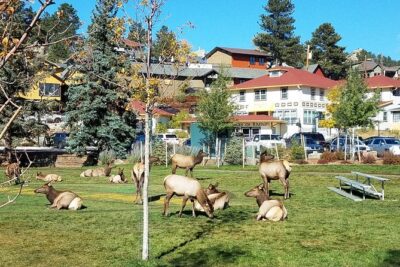
Rocky Mountain National Park in Summer Tour from Denver
Read our review →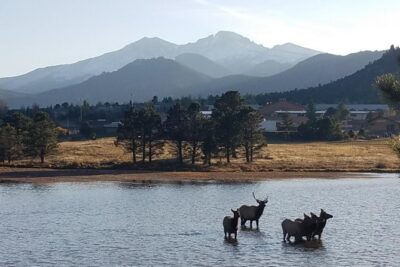
Rocky Mountain National Park and Estes Park Tour from Denver Winter and Spring
Read our review →
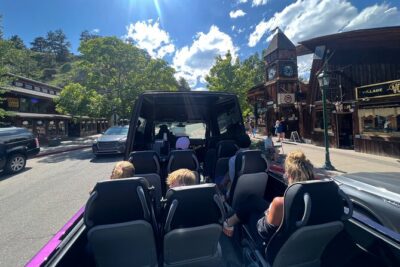
Retractable Glass Top Tour in Rocky Mountain National Park
Read our review →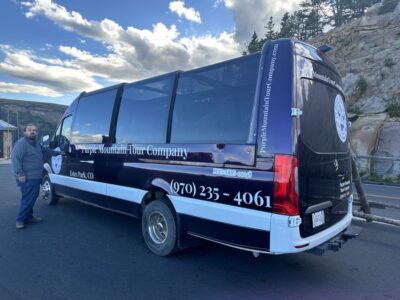
Estes Park: Rocky Mountain National Park Glass-Top Bus Tour
Read our review →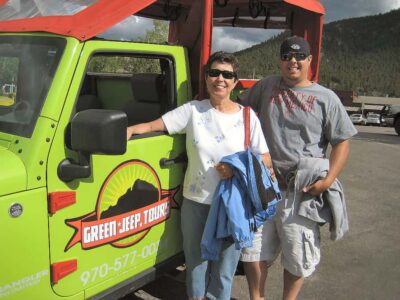
Estes Park: Rocky Mountain National Park Safari Tour
Read our review →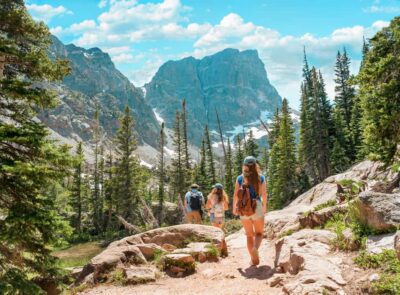
From Denver: Rocky Mountain National Park Day Trip and Lunch
Read our review →Browse the lists this tour appears in