
REVIEW · USA
Half-Day Wildlife Safari Tour in Grand Teton National Park
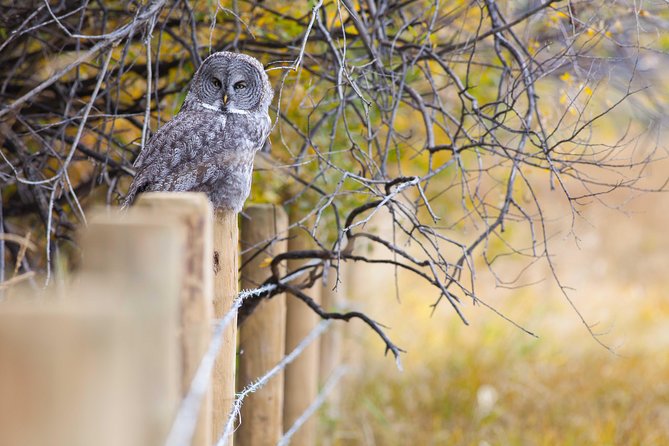
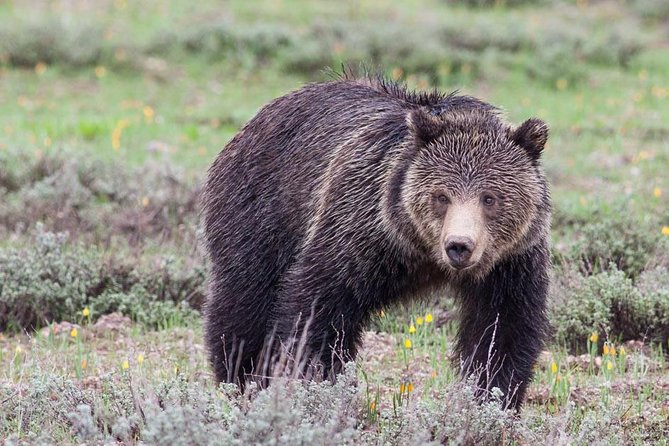
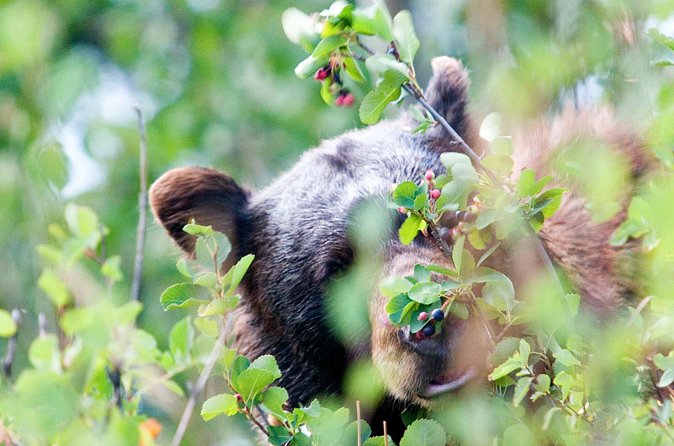
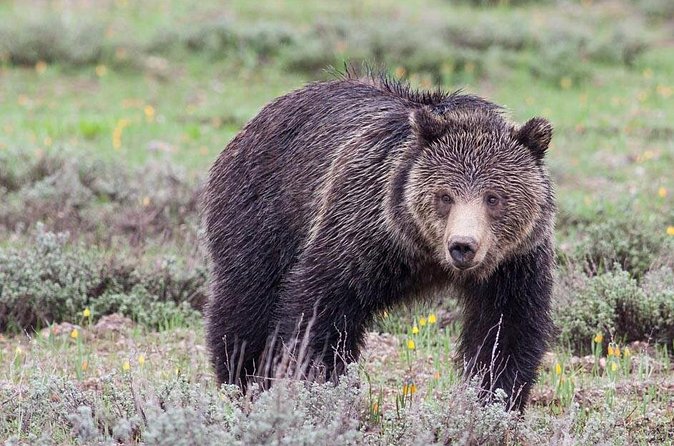
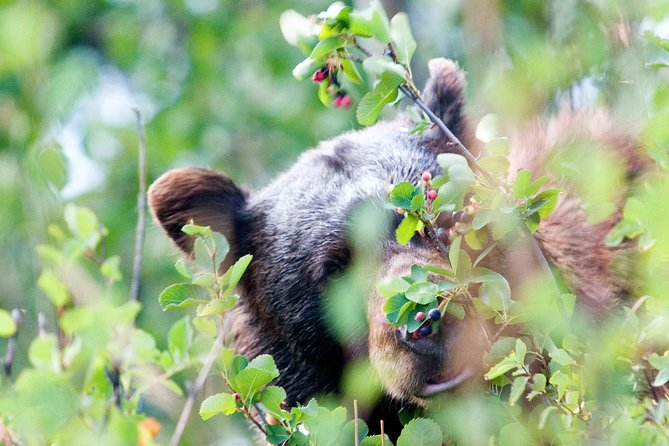
Wildlife rewards patience, and this tour saves time. The four-hour safari links the National Elk Refuge with Grand Teton National Park, using a small vehicle, naturalist guide, binoculars, and spotting scopes to search for bison, pronghorn, moose, elk, birds, and possibly bears. I like the easy hotel pickup and the fact that you can see far more in a short morning or afternoon than you might manage alone.
I also like the personal scale: a maximum of eight people per vehicle gives your guide room to answer questions and adjust the route. Guides such as Jeff, Abby, Barry, Brolin, Jordan, Jed, and Irwin have been praised for their local knowledge, wildlife instincts, and good humor. The main consideration is simple: animals are wild, so sightings are never promised, and you may spend a fair amount of the four hours riding between viewing areas.
Key points before you book
- Up to eight people per vehicle: Small groups make it easier to ask questions, share spotting scopes, and hear the guide.
- Six useful stops in four hours: The route combines wildlife areas, park viewpoints, a visitor center, and historic Mormon Row.
- Morning trips include a light breakfast: Snacks and bottled water are included on all tours.
- Professional optics are provided: You get binoculars, and the vehicle carries UHD binoculars and spotting scopes.
- Hotel pickup covers Jackson and Teton Village: Exact pickup times depend on where you stay.
- Park admission costs extra: You must arrange your own national park entrance fee or pay it at the entrance.
Why a half-day safari works well in Jackson Hole
Grand Teton National Park is easy to admire but harder to read. Large distances separate the refuge, park roads, viewing areas, and small historic sites. A guide who watches for animal movement while explaining what you are seeing can make a four-hour visit much more productive than simply driving around and hoping for luck.
The price is $170 per person. That is not a bargain-basement outing, but it covers hotel transport, a four-hour guided route, bottled water, snacks, optics, and a guide focused on wildlife rather than just scenery. If you do not have a rental car, or if you want help finding animals, the cost is easier to justify.
You are paying for access to local judgment. Guides compare sightings, watch likely areas, and know where to stop safely. Brolin, for example, continued looking for a grizzly after checking that his group was comfortable returning late. Other guides have used spotting scopes and even phone images to help people see animals tucked into brush.
Still, this is not a private safari. Eight people is a small group by tour standards, but you will share the vehicle and stops. The route can also involve plenty of driving. One four-star assessment specifically noted the amount of time spent in the van, even while praising the guide and the information provided.
More Yellowstone and Grand Teton Tours in Jackson:
- Jackson: Grand Teton National Park Guided Wildlife Tour
★ 4.8 · 676 reviews - Yellowstone National Park – Full-Day Lower Loop Tour from Jackson
★ 5.0 · 502 reviews - From Jackson: Yellowstone National Park Day Trip with Lunch
★ 4.9 · 377 reviews
Starting at the National Elk Refuge
The National Elk Refuge is a sensible opening stop from Jackson. It gives you an early look at the broad open country around town and introduces the wildlife setting before you enter the national park.
The stop lasts about 30 minutes, and admission is listed as free. Your guide explains the historical or geological importance of the area while keeping an eye out for animals. Depending on conditions and the season, you might find elk, pronghorn, bison, or birds here, but the tour does not promise a particular sighting.
This is also a good place to settle into the rhythm of the safari. You will not simply be rushed from one photo stop to the next. The guide can explain what to watch for, how to use the binoculars, and why animals are easier to spot when you scan slowly instead of searching for a dramatic movement.
Moose Wilson Road and the search for moose
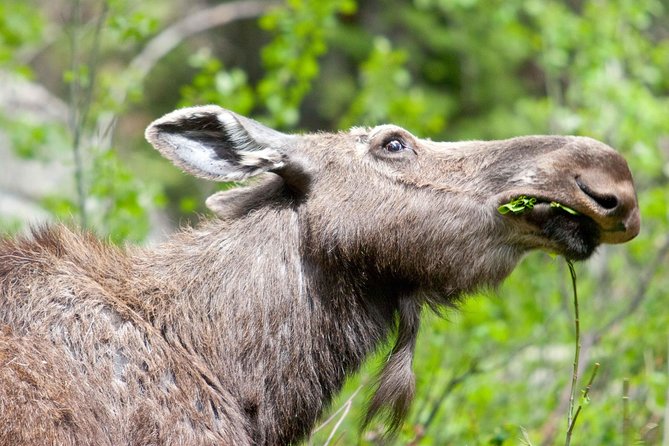
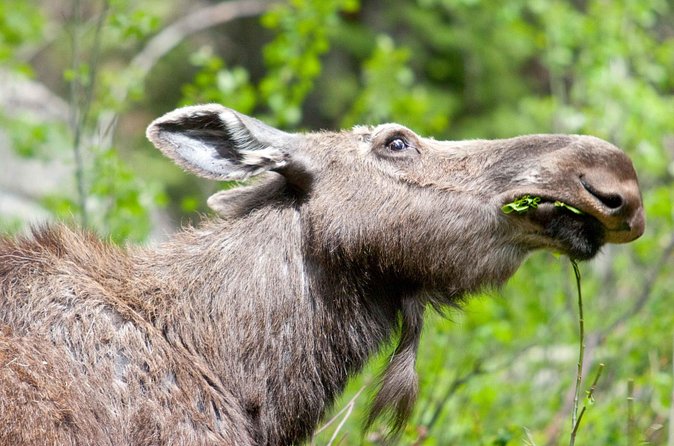
Moose Wilson Road is one of the most wildlife-focused parts of the route. The name tells you what many people hope to see, though a moose sighting is never guaranteed. Guides have helped groups find moose close enough for a memorable view, including one sighting reported at less than 150 feet.
The planned stop is about 30 minutes. Your guide may use the vehicle’s spotting equipment to bring distant animals closer to your eyes, which matters when wildlife is partly hidden in trees or brush. One guide helped a group see moose, elk, eagles, bison, and coyotes, while another located foxes and bears from known viewing areas.
Do not expect to spend the whole half-day standing beside the road. The tour has several stops, and conditions can change quickly. A rainy outing still produced animal sightings for one group, but weather can affect visibility, road conditions, and the overall experience.
Grand Teton National Park in a short window
Grand Teton National Park is the heart of the excursion. You get roughly 30 minutes at the listed park stop, along with other park-related locations on the route. The focus is not only on animal watching. Your guide also explains the park’s geology, history, and notable scenery.
The Tetons are dramatic enough to reward a simple roadside pause. Your guide may point out mountain views, open valleys, water, and wildlife habitat that you could easily pass without understanding. Several guides have also added locations such as String Lake or Signal Mountain when time and conditions allowed, though those additions are not guaranteed on every departure.
The benefit of a guide here is context. Instead of seeing a distant line of mountains and moving on, you get an explanation of how the park’s natural features connect with its wildlife. That makes the drive more than a string of scenic pullouts.
The limitation is time. You will not hike through Grand Teton National Park or explore its trails in depth. If your main goal is walking around lakes or spending hours at one viewpoint, use this safari as an introduction, not a full park visit.
More Wildlife and Elephant Encounters in Jackson:
- Miami: Everglades National Park Airboat Tour & Wildlife Show
★ 4.5 · 7,296 reviews - Wilderness, Wildlife, Glacier Experience from Anchorage
★ 5.0 · 3,004 reviews - Kenai Fjords National Park Glacier & Wildlife Cruise
★ 5.0 · 1,756 reviews - Kenai Fjords National Park Glacier & Wildlife Tour from Seward
★ 4.5 · 1,036 reviews
A useful stop in Moose
The Craig Thomas Discovery and Visitor Center in Moose provides a change of pace after the open-air viewing areas. The stop lasts about 30 minutes, and your guide explains the area’s background.
A visitor center stop may sound less exciting than a bear or bison sighting, but it helps place the park in context. You can ask questions, learn more about the area, and better understand what you are seeing outside. For a first visit, that added explanation is useful, especially if you have only a few hours in the park.
The stop also offers a practical break during a route that includes considerable driving. Exact facilities and opening conditions can vary, and one afternoon outing noted that some bathrooms were closed after 5 p.m. Keep that in mind if you choose a later departure.
Mormon Row for history and photographs
Mormon Row Historic District adds a human story to the safari. This stop is not only about animals. It shows how people lived and worked in the Jackson Hole area, with the Tetons providing a striking backdrop.
The planned visit lasts about 30 minutes. Your guide explains the historical importance of the site and gives you time for photographs. This is one of the places where the tour’s mix of subjects works well: you get wildlife, scenery, and local history without having to plan several separate outings.
Mormon Row can also help break up the wildlife search. After concentrating on a distant animal through binoculars, you can shift your attention to buildings, open views, and the way the historic district fits into the surrounding area.
The Jackson Hole visitor center and return route
The Jackson Hole and Greater Yellowstone Visitor Center is the final listed stop. Like the other stops, it is planned for about 30 minutes and includes explanation from your guide.
This gives the tour a useful regional finish. The excursion begins near Jackson, moves through the refuge and Grand Teton areas, and ends with a broader look at the Jackson Hole and Greater Yellowstone region. You are not only checking animals off a list. You are building a basic map of the area and its main attractions.
After the final stop, the vehicle returns you to your lodging. Since pickup and drop-off are included, you do not need to arrange a meeting point in the middle of your day if you stay in Jackson or Teton Village.
Morning or afternoon: which departure is better?
Morning wildlife safaris generally begin between 6:30 and 7:00 a.m. from May 1 through September 14, depending on your lodging area. Town of Jackson pickups are around 7:00 a.m. Afternoon trips begin around 3:30 to 4:00 p.m.
From September 15 through October 31, morning pickups shift to about 7:00 to 7:30 a.m., while afternoon departures begin around 2:30 to 3:00 p.m. Your exact time is assigned based on your lodging location.
Morning trips include a light breakfast. They may also appeal to you if you want the rest of the day free for hiking or other activities. One guide’s feedback suggested that morning conditions sometimes produced stronger animal sightings, but wildlife varies day by day.
Afternoon trips can offer attractive light and a less early start. They may also run close to closing times at some facilities, so ask about restrooms and visitor center access if that matters to you. The best choice depends on your schedule, not on a guarantee of better wildlife.
What the small group and equipment mean
The maximum group size is eight people per vehicle. That is a real advantage over a large coach. You can usually hear the guide better, ask questions without waiting, and get a fair chance to use the spotting equipment.
Binoculars are included, and the tour provides UHD binoculars and spotting scopes. That matters because many wildlife sightings happen at a distance. You may see an animal with your own eyes, then get a much clearer look through the scope.
Snacks and bottled water are included. Morning departures also include a light breakfast. One family praised the food as thoughtful and well rounded, while another enjoyed the snacks enough to mention them separately. These are small comforts, but they make a difference on an early start.
Wear clothing suited to changing weather and bring a camera if you care about photographs. The supplied information does not specify a clothing list, so I would not assume the vehicle eliminates the need to prepare for time outdoors.
Guides are the main strength
The strongest part of this experience is the guide. Names praised in the supplied feedback include Jeff, Abby, Barry, Brolin, Jeremy, Lee, Aiden, Irvin, Jordan, Corey, Jed, Grant, Greg, and others.
Their value goes beyond naming animals. Good guides explain park history, point out geological features, share ideas for later hikes, and keep safety in mind. Abby was praised for being outgoing and attentive to safety. Barry suggested other Jackson activities. Jeremy’s background in nature photography added another useful eye to the outing.
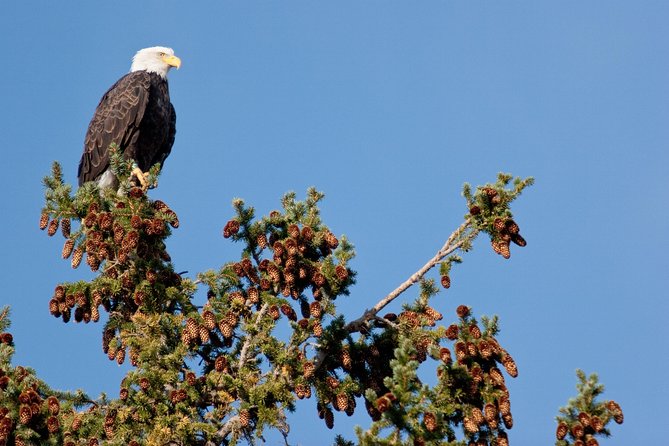
The guides also work with one another when looking for animals. That can improve your chances, though it still cannot manufacture a sighting. You might see a moose, bison, pronghorn, elk, bald eagle, fox, coyote, or bear. You might also have a quieter outing with only a few sightings. The company itself makes no promise, and that honesty is important for a wildlife tour.
Price, park fees, and booking details
At $170 per person, the safari offers solid value if you want transport, equipment, and local guidance in one package. It is less compelling if you already have a car, enjoy planning wildlife stops yourself, and want to spend a full day inside the park.
National park entrance fees are not included. This point needs attention because one person expected the tour vehicle’s entry to cover the fee and found out otherwise. Plan to buy your own entrance admission or pay at the park entrance.
Pickup is available from hotels, condominiums, and private residences in Jackson and Teton Village. If you stay outside those areas, the company may suggest meeting at the Home Ranch Lot or Stilson Parking Lot, or may recommend a private tour.
The minimum age for a shared wildlife safari is eight. Private safaris have no age minimum. The tour is offered in English, confirmation comes at booking, and most people can participate.
The supplied booking information lists free cancellation up to 24 hours before departure, with no refund for later cancellations. It also gives a 48-hour policy for single-day safaris for groups of 14 or fewer, so I would confirm the exact cancellation deadline before paying.
Who should book this safari?
I would choose this tour if you have only one day in Jackson Hole, do not want to drive, or feel unsure about finding wildlife on your own. It also suits families with children aged eight or older, couples, and anyone who wants an introduction to Grand Teton National Park without committing to a full-day outing.
I would be more cautious if you dislike vehicle time, need a guaranteed animal sighting, or want a hiking-heavy day. The route covers a lot, but each listed stop is about 30 minutes, and the safari’s success depends on weather, animal behavior, and the guide’s ability to locate wildlife.
Should you book the Grand Teton wildlife safari?
Yes, if you value good guides, a small group, easy transport, and a strong chance of seeing several kinds of wildlife. The best reason to book is not a promise of bears. It is the combination of local know-how, quality optics, flexible searching, and a well-planned route through several important areas.
Book the morning departure if you want breakfast, an early start, and the rest of the day free. Choose the afternoon if you prefer a slower morning. Either way, budget separately for park admission, arrive ready for changing weather, and treat every animal sighting as a bonus rather than a guarantee.
FAQ
How long does the Grand Teton wildlife safari last?
The safari lasts approximately four hours.
What animals might I see?
Possible sightings include bison, pronghorn, bears, moose, elk, bald eagles, blue herons, pelicans, foxes, coyotes, mule deer, and other bird species. Wildlife sightings are not guaranteed.
Is hotel pickup included?
Yes. Pickup and drop-off are included from hotels, condominiums, and private residences in Jackson and Teton Village. Pickup outside those areas may require a different meeting point or another arrangement.
How many people can join the tour?
The shared safari has a maximum of eight people per vehicle.
Are park entrance fees included?
No. National park entrance fees are not included in the tour price.
Is there a minimum age?
The minimum age for a shared wildlife safari is eight years old. Private safaris have no stated minimum age.
More Half-Day Trips in Jackson
- From Jackson: Half-Day Grand Teton National Park Tour
★ 4.8 · 344 reviews - Luxury Private Half-Day Grand Teton National Park Tour
★ 5.0 · 175 reviews - East Coast National Park: Half-Day Caves Jeep Safari
★ 4.6 · 1,090 reviews - Canyonlands National Park Half-Day Tour from Moab
★ 5.0 · 1,074 reviews
More National Park Safaris in Jackson
- Best of Yellowstone – Guided National Park Safari Tour
★ 5.0 · 178 reviews - Teide National Park Sunset & Stargazing with Dinner (Star Safari)
★ 5.0 · 2,601 reviews - Teide National Park: Sunset & Stargazing Safari with Dinner
★ 4.6 · 2,115 reviews - From Johannesburg: Pilanesberg Nature Reserve Game Safari
★ 4.8 · 1,327 reviews
Just added around Jackson
- Grand Teton National Park – Sunrise Tour from Jackson Hole★ 5.0 · 136 reviews
- Jackson: 2-Day Yellowstone National Park Tour with Lunches★ 5.0 · 159 reviews
- Luxury Private Half-Day Grand Teton National Park Tour★ 5.0 · 175 reviews
- 2-Day Yellowstone National Park Upper and Lower Loop Exploration★ 5.0 · 200 reviews
- Grand Teton National Park: Full-Day Tour with Boat Ride★ 4.8 · 207 reviews
- Best of Yellowstone – Guided National Park Safari Tour★ 5.0 · 178 reviews
- Grand Teton National Park – Full-Day Guided Tour from Jackson Hole★ 4.5 · 235 reviews
- Grand Teton National Park – Sunset Guided Tour from Jackson Hole★ 4.5 · 250 reviews
Yellowstone and Grand Teton Tours, compared.
Jackson: Grand Teton National Park Guided Wildlife Tour
Read our review →
Yellowstone National Park – Full-Day Lower Loop Tour from Jackson
Read our review →
From Jackson: Yellowstone National Park Day Trip with Lunch
Read our review →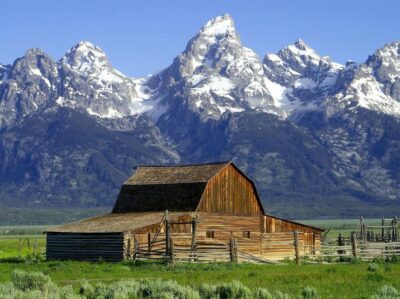
From Jackson: Half-Day Grand Teton National Park Tour
Read our review →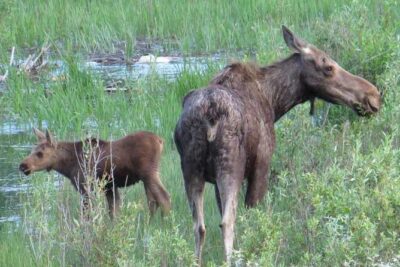
Grand Teton National Park – Sunset Guided Tour from Jackson Hole
Read our review →
Yellowstone National Park – Full-Day Lower Loop Tour from West Yellowstone
Read our review →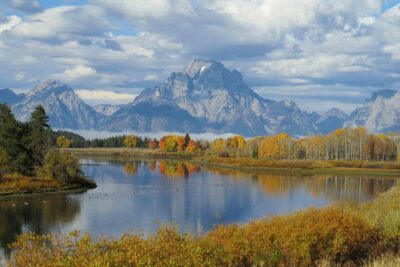
Grand Teton National Park – Full-Day Guided Tour from Jackson Hole
Read our review →Browse the lists this tour appears in