REVIEW · SOUTH AFRICA
From Johannesburg: Pilanesberg Nature Reserve Game Safari
Wildlife begins beyond Johannesburg. This full-day Pilanesberg safari gives you two open-vehicle drives, a useful introduction to South African wildlife, and a real chance to see elephants, rhinos, hippos, giraffes, and lions in a protected natural setting. I especially like the hotel pickup and drop-off, which removes the stress of driving, and the guides, including Petrus, Martin, Desmond, and Petros, who are often praised for their humor, animal knowledge, and effort at sightings.
I also like the mix of dry Kalahari vegetation and wetter Lowveld plant life around Pilanesberg’s dams. The main drawback is the distance: you spend about four to five hours on the road from Johannesburg, making this a long day before you even count the 4.5 to 5 hours in the reserve. The safari is excellent value for a day trip, but you should not expect every Big Five animal to appear on cue.
Key points to know before you book
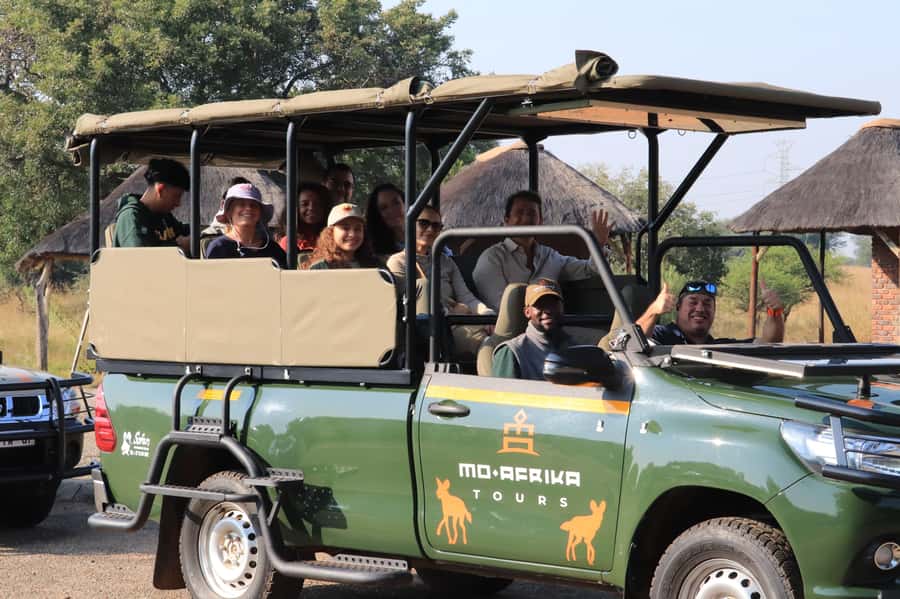
- Two open safari drives: You spend about 4.5 to 5 hours in an open vehicle, split between morning and afternoon drives.
- A long Johannesburg day: Pickup is early, the drive takes roughly 2 to 2.5 hours each way, and you return before or around sunset depending on traffic.
- Good chance of varied wildlife: Elephants, rhinos, zebras, giraffes, hippos, crocodiles, antelopes, and more are possible, while lions, leopards, cheetahs, and buffalo remain less certain.
- Lunch is included: You stop for about an hour at a rest camp, often with views toward a water hole, though the food is generally simple rather than a special South African feast.
- Extra park fee applies: International visitors pay an additional R500 conservation fee at the gate, with lower rates for SADC nationals and South African residents.
- Dress for two seasons in one day: Open vehicles can be cold and windy early, then hot and sunny later. Bring layers, sun protection, and a camera.
Why Pilanesberg works for a Johannesburg safari
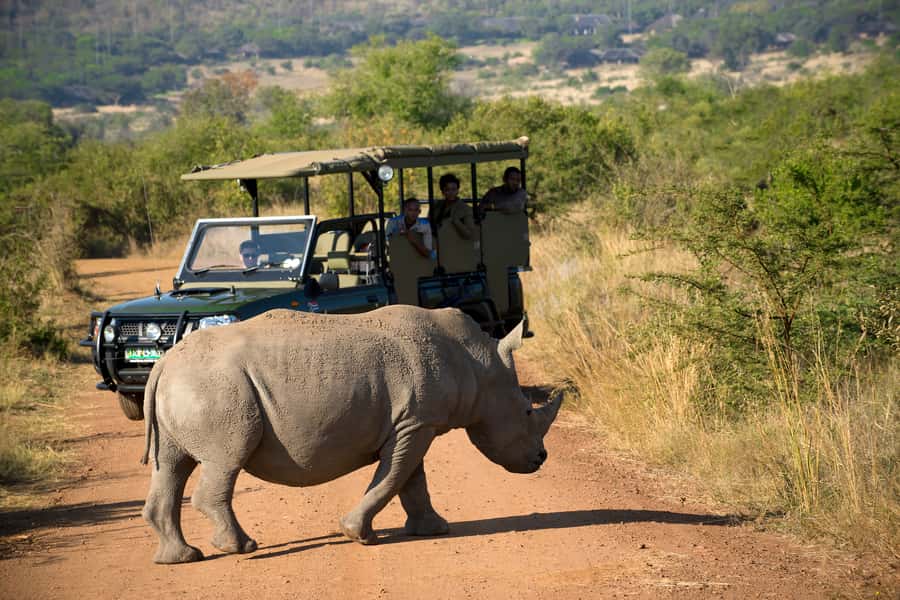
Pilanesberg Nature Reserve is one of the most practical places to see wild animals from Johannesburg. You leave the city in the early morning and reach a very different setting, with broad open ground, hills, dams, and plant life shaped by both dry Kalahari conditions and the wetter Lowveld.
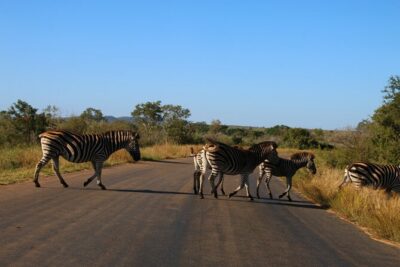
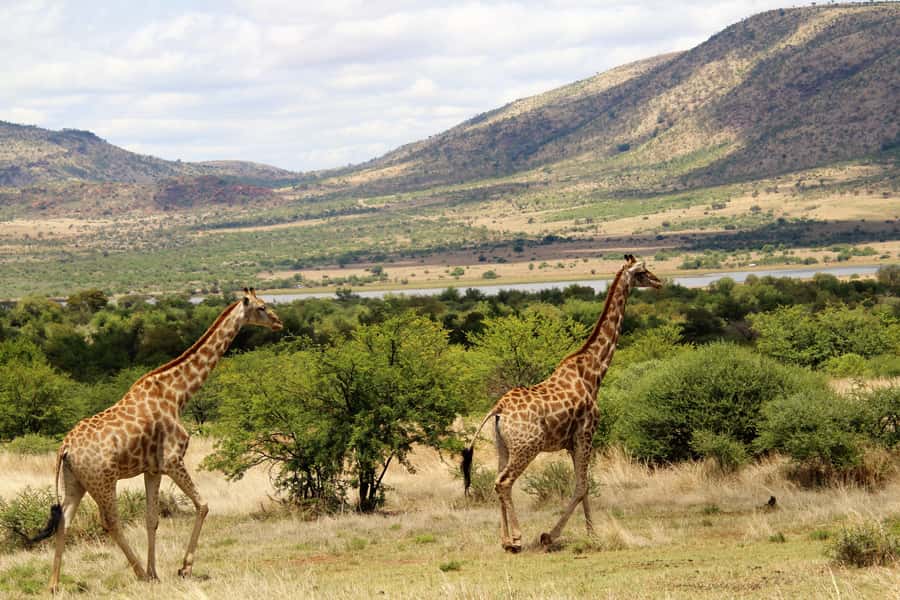
The reserve is home to more than 7,000 animals and over 300 bird species. That does not mean you will see all of them, of course, but it does mean the day offers plenty to look for beyond the Big Five. I like this aspect of Pilanesberg because a morning without lions can still bring elephants at a water source, giraffes feeding above the scrub, hippos in a dam, or a line of zebras crossing the road.
The reserve also gives you a genuine national park experience rather than a wildlife park with animals brought out for easy viewing. Sightings remain unpredictable. That uncertainty is part of the point, though it can be hard to explain to a child who has been promised a lion.
More National Park Safaris in Johannesburg
- Full Day Ultimate Pilanesberg National Park Safari from Johannesburg or Pretoria
★ 4.5 · 718 reviews - Full Day Safari Tour of Pilanesberg National Park, Open Jeep experience
★ 5.0 · 139 reviews - 3-Day Kruger National Park Open Vehicle Safari
★ 5.0 · 61 reviews
The early pickup and drive from Johannesburg
Pickup takes place at your Johannesburg hotel, with many departures beginning around 5:45 or 6 a.m. The exact start time depends on availability, so check it before booking and be ready early.
The road trip takes roughly two hours to 2.5 hours each way. Some journeys include a short stop for refreshments or a comfort break, and the vehicle may have Wi-Fi. Several guides and drivers have been praised for keeping the ride comfortable, explaining sights along the way, and handling the early start with good humor.
This transfer is more than a simple taxi ride, but it is still a long stretch of road. You may want a neck pillow, a power bank, and a small snack. The return journey can be tiring, especially after several hours in the sun and an open safari vehicle.
The benefit is clear: you can enjoy the park without renting a car, arranging a separate guide, or worrying about directions. Solo visitors also have a practical way to join a safari without paying for a private vehicle. Several solo women have found the pickup, transport, and group setting comfortable.
The morning drive: 2.5 hours of searching
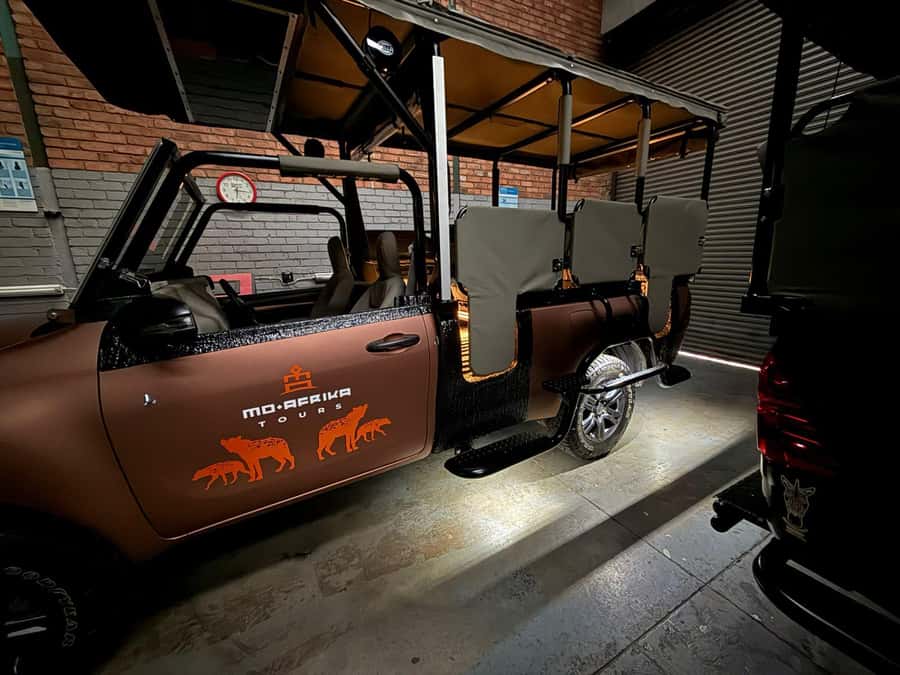
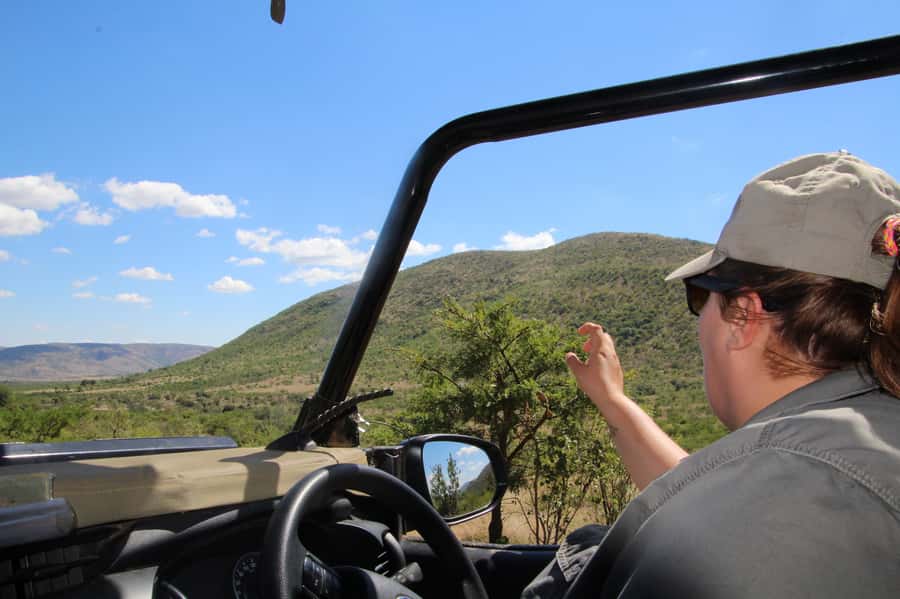
Once you enter Pilanesberg, you switch to an open safari vehicle with a ranger or guide. The morning drive lasts about 2.5 hours, though the exact timing can shift slightly depending on animal sightings and the pace of the day.
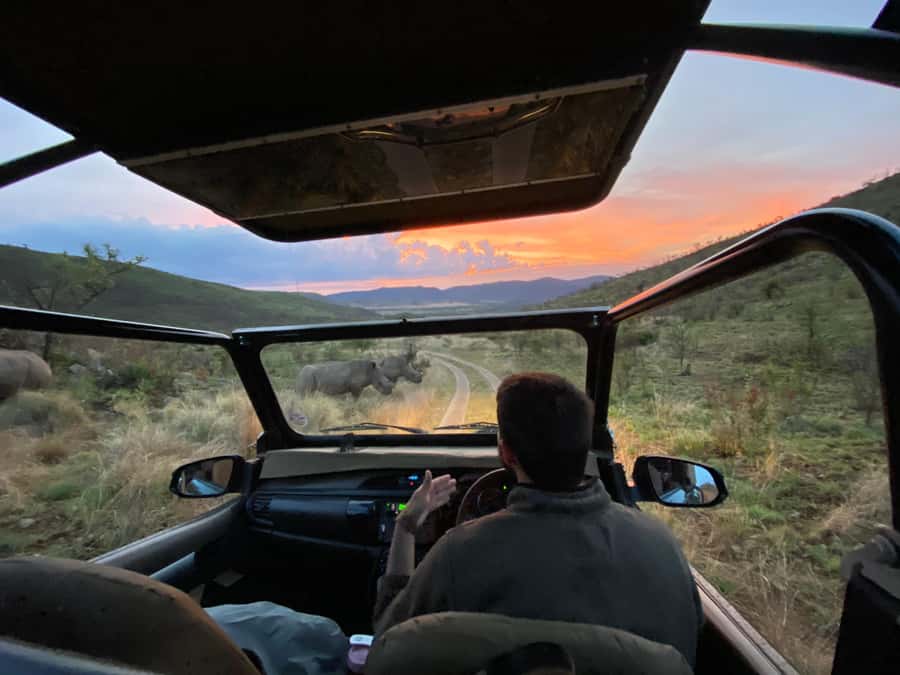
An open vehicle gives you a better view than a closed minibus. You can scan both sides of the road, hear the bush more clearly, and take photos without a window reflection. The tradeoff is exposure. Wind can be strong, and the early air can feel surprisingly cold, especially from the back seats.
Guides such as Martin, Petrus, Petros, Desmond, Wisdom, and Michael have received especially strong praise for spotting animals, positioning the vehicle, and explaining animal behavior. A good guide makes a major difference here. It is not just about finding a lion. It is also about understanding why an elephant herd is moving, how to tell an impala from another antelope, or why birds gather around a dam.
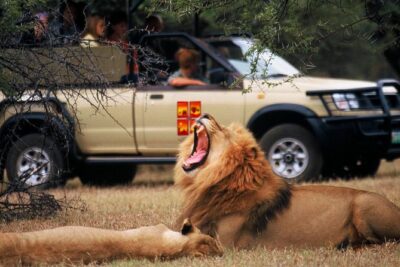
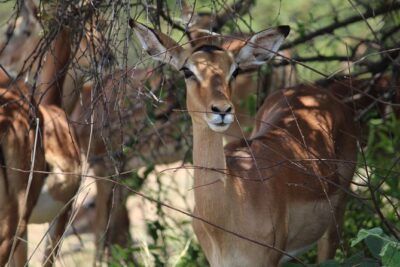
You might see elephants, rhinos, zebras, giraffes, wildebeest, kudu, impalas, warthogs, baboons, jackals, hyenas, hippos, crocodiles, and many smaller animals. Fish eagles, kingfishers, cormorants, and other birds add another layer to the drive.
The Big Five are elephant, rhino, leopard, buffalo, and lion. Some groups see three or four. A few have seen all five, though leopard sightings can be brief and lion sightings are never guaranteed. One visitor saw only part of a lion through grass, while another group missed all the big cats but still had a strong day because of the elephants, rhinos, and other wildlife.
That is the right mindset. Book this for a full wildlife experience, not a guaranteed checklist.
Lunch beside the reserve’s water holes
Around the heat of midday, you stop for about 50 minutes to an hour at one of the reserve’s rest camps. Lunch is included, which is useful after an early start and several hours outside.
The meal is generally described as good, filling, and convenient, but it is not usually the highlight of the day. Depending on the arrangement, you may find simple choices such as wraps or burgers. Some people enjoy the meal, while others would prefer a buffet or local braai-style food. Portions can also feel modest, so bringing a snack is sensible.
The rest stop gives you time to use facilities, stretch your legs, buy or carry additional drinks, and escape the midday sun. It is also a pause between two very different drives. The morning can be cool and active, while the afternoon often feels hotter and brighter.
Bring water and do not rely only on the included lunch. Additional food and drinks are not included in the tour price.
More National Park Safaris in South Africa
- Addo Elephant National Park All Inclusive Full-Day Safari
★ 4.8 · 872 reviews - Kruger National Park Full Day Private safari
★ 5.0 · 799 reviews - Kruger National Park – Private full day Safari trip.
★ 5.0 · 347 reviews - Addo Elephant National Park All Inclusive Full-Day Safari
★ 5.0 · 256 reviews
The afternoon drive and changing light
After lunch, you return to the open vehicle for about two more hours. The afternoon drive is shorter than the morning outing, but it gives you another chance to find animals that were hidden, resting, or simply elsewhere earlier.
This second drive is especially useful if your morning was heavy on grazers and birds but light on predators. There are no guarantees, yet guides keep searching and often adjust their route according to fresh sightings and reports from other vehicles.
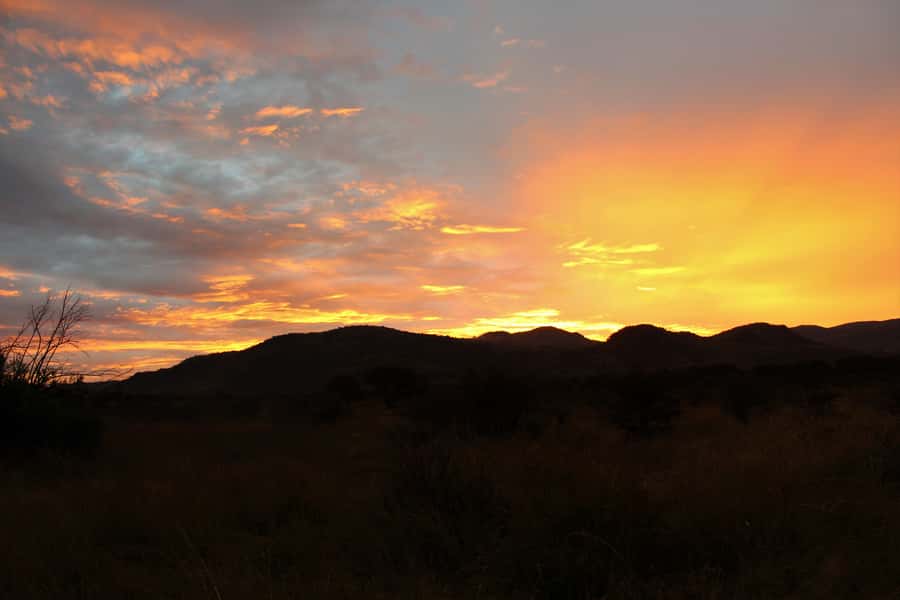
The changing light also helps with photography. Early sun can be softer, while the afternoon brings longer shadows and warmer tones. Use a camera strap and keep your equipment protected from dust. A phone can capture close views, but binoculars are helpful for animals farther from the road and for birds around the dams.
The open vehicle is exciting, but it can be windy. A jumper or fleece is important in the morning, especially in winter. Later, you will want sunscreen, sunglasses, a hat, and light clothing. Covering your shoulders and arms is sensible because the sun can be strong for several hours.
How good is the wildlife viewing?
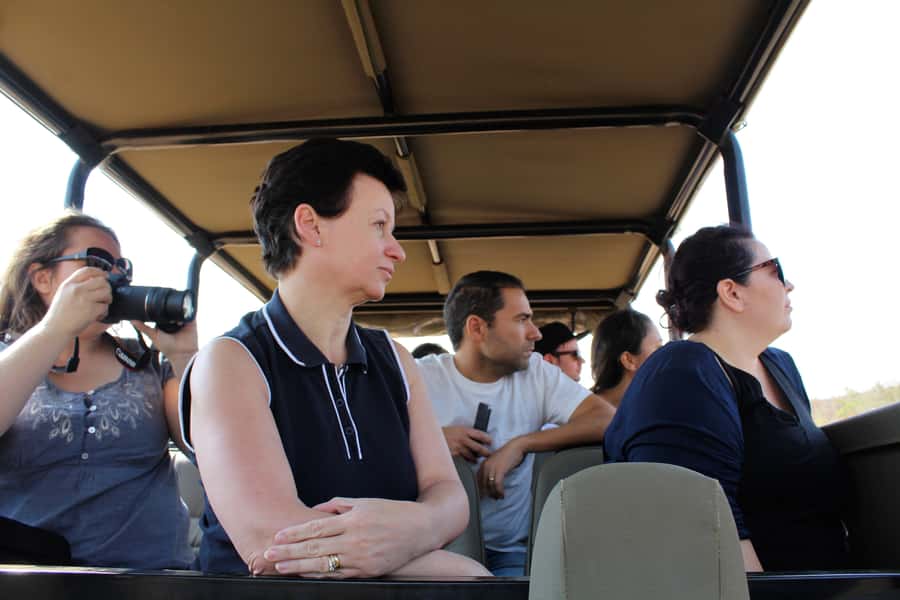
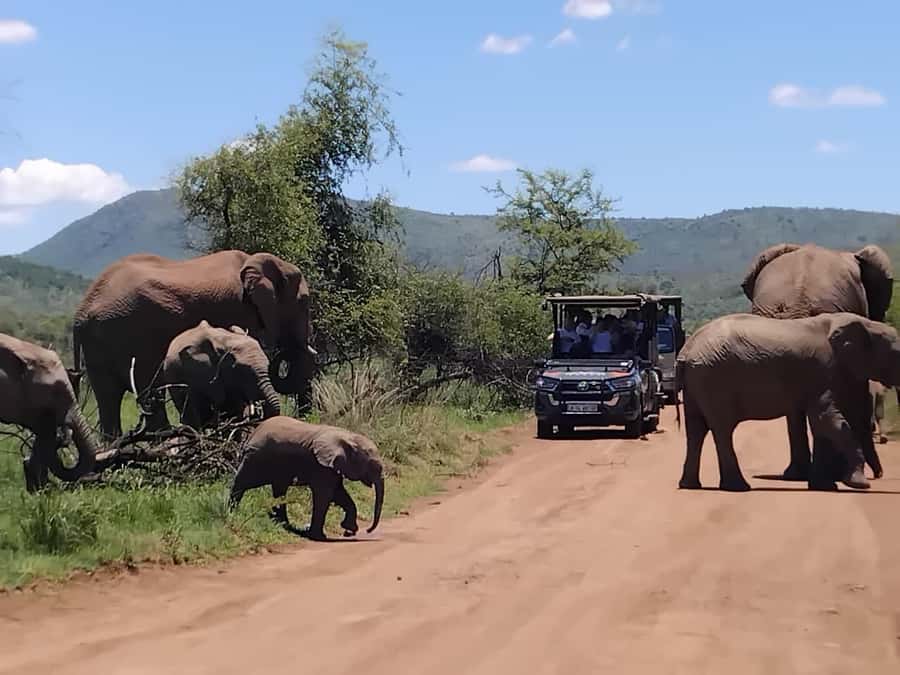
The strongest feature of this trip is the range of possible sightings in a single day. Elephants and giraffes are common highlights, and many people see rhinos, zebras, hippos, impalas, and other antelopes. Several trips have produced very close elephant or rhino encounters, with guides positioning the vehicle carefully while keeping a safe distance.
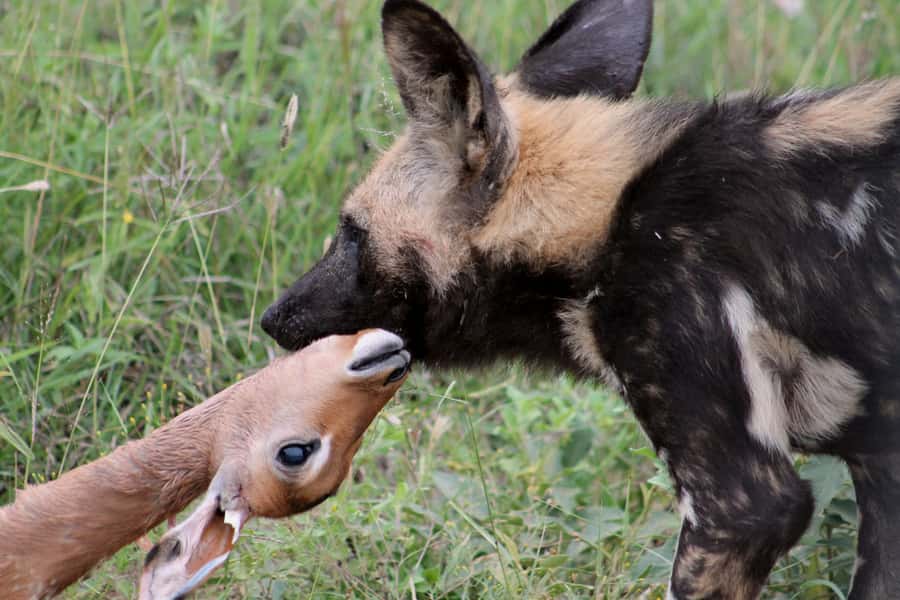
The less reliable sightings are the predators. Lions, leopards, cheetahs, and hyenas may appear, but you should treat them as fortunate discoveries rather than promised attractions. One visitor saw a cheetah, described by the guide as an unusually rare sighting. Others saw a lioness or a leopard only briefly.
I appreciate that the guides do not simply rush past animals to chase the next famous species. A baby rhino, a herd of elephants, or hippos resting near water can be just as memorable as a distant lion. The day works best when you allow the guide to explain the whole ecosystem.
Birdwatchers should pay attention near the dams. Fish eagles, kingfishers, cormorants, and many other species can be seen. You do not need to be an expert. A guide can point out details that you would miss from the road.
The real cost and overall value
The advertised price is $186 per person. International visitors also pay a separate conservation fee of R500 per person at the park gate. SADC nationals pay R275, while South African residents pay R168.
That extra fee matters when comparing this trip with cheaper-looking day tours. You are paying for hotel pickup and return, the long transfer, two open safari drives, a guide, and lunch. You also avoid the cost of arranging a rental car, fuel, park entry, and a separate ranger.
For one day from Johannesburg, I consider the package good value, especially if you have limited time. The main question is not the safari itself. It is whether you are comfortable paying for a long transport day to get several hours in the reserve.
If you have more time in South Africa, staying near Pilanesberg would give you better access to early morning and late afternoon conditions. One-day visitors still see plenty, but an overnight stay allows more flexibility and reduces the tiring road travel.
Who will enjoy this day trip most?
This tour suits you if Johannesburg is your base and you want a safari without changing hotels. It is also a strong choice for solo visitors, couples, first-time safari participants, and anyone who prefers an organized day with pickup included.
It works particularly well if you want variety rather than a luxury lodge experience. You ride in an open vehicle, share the outing with other people, eat a straightforward lunch, and spend much of the day watching for animals.
It may not suit young children. Children under four are not permitted, and anyone aged from zero to five requires a private tour arrangement. The long road journey can also test the patience of children who need frequent breaks.
You should also think twice if you dislike early starts, long drives, wind, heat, or uncertain results. A safari is not a zoo visit. Even an excellent guide cannot order a leopard onto the road.
Practical packing advice
Bring a passport or ID card, since identification is required. Pack a warm layer for the morning, plus a sun hat, sunglasses, sunscreen, and light clothing for the hotter part of the day.
A camera is obvious, but binoculars can be just as useful. Carry a small snack for the road and a power bank if you plan to use your phone during the long transfers. The vehicle may have Wi-Fi, but you should not depend on it for charging.
Smoking and pets are not allowed. Ask about the pickup details in advance, and keep your phone available for driver communication. Transport has generally been punctual, but an early morning pickup is easier when you are ready before the stated time.
The activity is wheelchair accessible, although you should confirm the practical vehicle arrangements when booking if you need specific assistance. English is the listed guide language.
Should you book the Pilanesberg safari?
Book it if you want a proper taste of safari country from Johannesburg and accept that the journey takes much of the day. The animal variety, open vehicles, and strong guides make this a worthwhile choice, especially for a first safari or a solo visitor who wants an organized outing.
Do not book it solely because you expect the full Big Five. You may see elephants, rhinos, giraffes, zebras, hippos, and dozens of birds, but lions and leopards remain luck-based. Add the R500 international conservation fee, pack for cold mornings and hot afternoons, and prepare for a tiring ride home.
For one free day in Johannesburg, I would choose this trip if wildlife matters more to you than a relaxed schedule. It offers real bush viewing, helpful guides, and a sensible route into Pilanesberg without requiring a multi-day safari budget.
FAQ
How long does the Pilanesberg safari from Johannesburg last?
The full activity lasts about 12 hours, including hotel pickup, the road journey, two game drives, lunch, and the return to Johannesburg.
How long is the drive from Johannesburg to Pilanesberg?
The bus or coach journey takes roughly two hours each way, although some schedules describe the trip as up to 2.5 hours depending on the route and conditions.
How much time is spent on game drives?
You spend about 4.5 to 5 hours on game drives, split between a morning drive of about 2.5 hours and an afternoon drive of about two hours.
Is lunch included?
Yes. Lunch is included and lasts about 50 minutes to one hour at a rest camp in the reserve. Additional food and drinks are not included.
Is the conservation fee included in the tour price?
No. International visitors pay R500 per person at the gate. The fee is R275 for SADC nationals and R168 for South African residents.
Can I see the Big Five?
You have the chance to see elephants, rhinos, leopards, buffalo, and lions, but sightings are not guaranteed. Many trips see several of the five, while predators can be harder to find.
What should I wear?
Bring a jumper or warm jacket for the open vehicle, especially in the morning. Wear light clothing for the heat and pack a sun hat, sunglasses, and sunscreen.
Are children allowed on the safari?
Children under four are not suitable for this activity. If you have a child aged from zero to five, you must book a private tour.
Is hotel pickup included?
Yes. Pickup and drop-off at your Johannesburg hotel are included. The tour is conducted in English and is listed as wheelchair accessible.
More Pilanesberg National Park Safaris in South Africa
- From Sun City: Pilanesberg National Park 3-Hour Game Drive
★ 4.5 · 216 reviews - 3-Hour Shared Game Drive in Pilanesberg National Park
★ 4.7 · 38 reviews - Pilanesberg Nature Reserve
★ 5.0 · 36 reviews - Pilanesberg National Park Full Day Safari From Johannesburg
★ 4.5 · 15 reviews
Just added around South Africa
- From Cape Town: Kruger National Park 2-Day Safari Trip★ 4.7 · 3 reviews
- Bothongo Rhino and Lion Nature Reserve Self Drive★ 4.8 · 3 reviews
- Safari Kruger National Park from Maputo★ 5.0 · 2 reviews
- AFFORDABLE Atlantis Dunes Quad Bike tour with PHOTOSHOOT★ 3.2 · 32 reviews
- Kruger National Park Afternoon Safari★ 4.7 · 28 reviews
- Addo National Park: Full-Day Safari Tour★ 5.0 · 15 reviews
- Addo: Game Drive in Addo Elephant National Park Private★ 4.5 · 6 reviews
- Addo Elephant National Park Half-Day Safari★ 4.7 · 2 reviews
Pilanesberg National Park Safaris, compared.
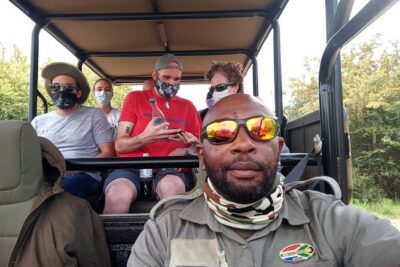
Full Day Ultimate Pilanesberg National Park Safari from Johannesburg or Pretoria
Read our review →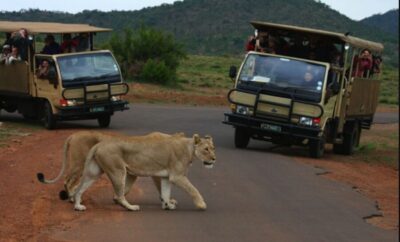
From Sun City: Pilanesberg National Park 3-Hour Game Drive
Read our review →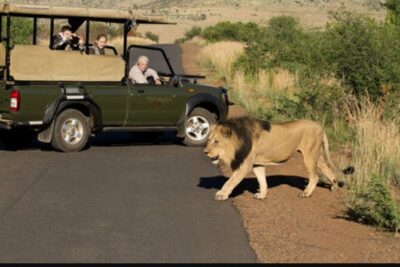
Full Day Safari Tour of Pilanesberg National Park, Open Jeep experience
Read our review →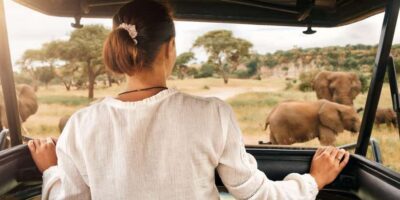
3-Hour Shared Game Drive in Pilanesberg National Park
Read our review →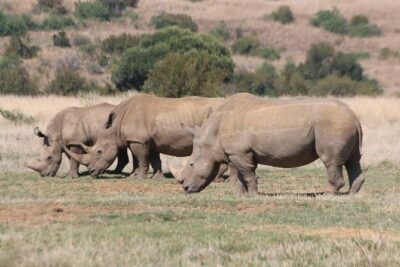
Pilanesberg National Park Full Day Safari From Johannesburg
Read our review →