
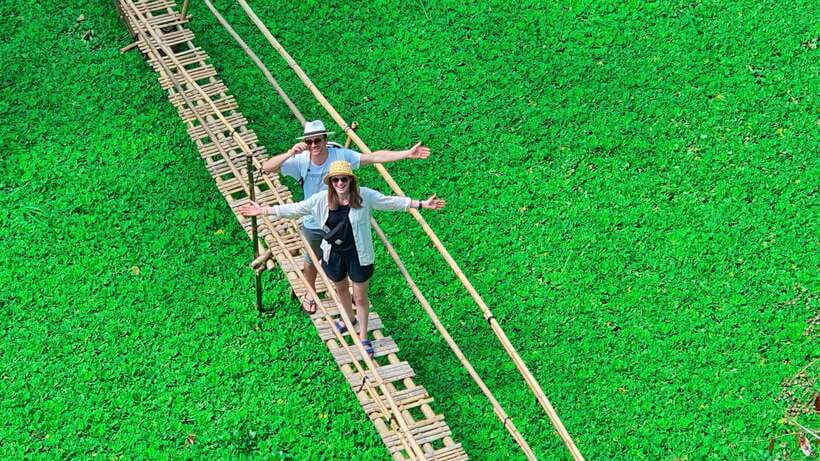
REVIEW · VIETNAM
Can Tho: Floating Market & Lung Ngoc Hoang Nature Reserve
Sunrise makes the Mekong feel wonderfully unhurried. This eight-hour outing pairs Cai Rang floating market with quiet canals, a family-run noodle house, a bamboo basket village, a Khmer pagoda, and Lung Ngoc Hoang Nature Reserve. I like the mix of river life and countryside, and I like that the small group, limited to 10 people, can use a smaller sampan on narrow waterways.
The guides receive especially strong praise for their care and local insight. Sophia answered questions throughout the day, Theo brought humor and flexibility, and Sonny even helped a taxi driver find the meeting point. The main drawback is the early start and moderate walking, so this is not the right pick if you need an easy, late-morning outing or have mobility limits.
Key points to know before you go
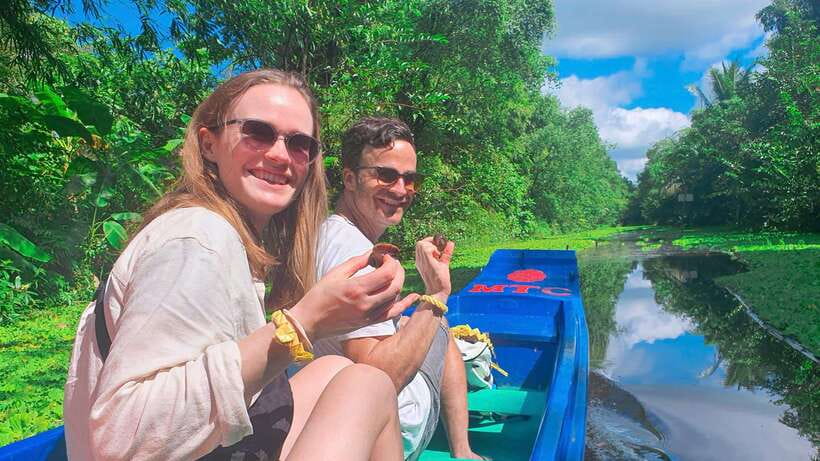
- Cai Rang begins at sunrise: You reach Can Tho’s best-known floating market early, when trading activity and river traffic are at their liveliest.
- A smaller sampan reaches quieter canals: The boat can feel more personal than a large group vessel and may fit into waterways affected by low tide.
- Breakfast is served on the river: Vegetarian food is available if you request it in advance.
- Basket weaving is hands-on: You can watch local artisans and try weaving a basket yourself.
- The day goes beyond the market: A Khmer pagoda and Lung Ngoc Hoang Nature Reserve add culture, birds, greenery, and quiet.
- The price covers the main pieces: At $72 per person, hotel transfers, guide, boat rides, breakfast, visits, and reserve admission are included.
Why this Can Tho day trip works so well
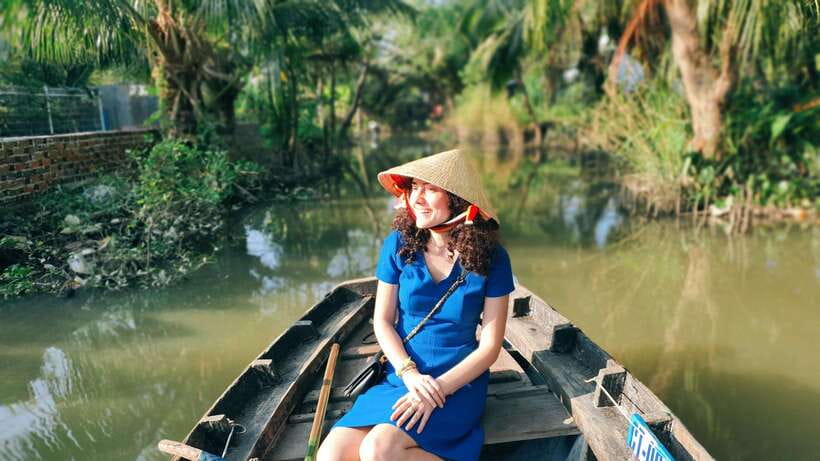
Many Mekong Delta outings rush from one photo stop to the next. This one gives the river room to set the pace. The morning starts with a market, but the day gradually moves into smaller waterways, village workshops, religious architecture, and a protected wetland area.
That change of rhythm is the tour’s best feature. You see how trade works on the water, then how families make food and household goods on land. Later, the nature reserve provides a quiet finish after the livelier first half.
I also like the group size. With no more than 10 participants, the guide has a better chance of answering questions and helping with practical details. The smaller boat used by some groups can enter narrower canals, even when low tide makes access harder. One particularly strong experience included a longer boat ride at the reserve to look for birds, despite rainy weather.
The tour operates in English. The guide matters here, since much of the value comes from explanations about ordinary life in Vietnam, market customs, Buddhist practice, and local craft work. Sophia, Theo, and Sonny were each singled out for their care, humor, or useful local knowledge.
More Market Visits in Vietnam:
- Nature Reserve and Largest, Authentic Floating Market Experiences
★ 5.0 · 115 reviews
Meeting at the Can Tho boat station
The stated meeting point is Ben Pha Xom Chai, near 1 Đ. Hai Bà Trưng, with the tour returning to the same place. Hotel pick-up and drop-off are included, so confirm the exact pick-up details when you reserve, especially if your accommodation is outside the immediate center.
The day begins early. That is not a minor detail. Cai Rang is best seen around sunrise, and an early departure helps you reach the market before the strongest heat and larger crowds. Wear light, comfortable clothes and shoes suited to walking between the boat, village stops, pagoda, and reserve.
Bring water, sunscreen, a hat, and a camera. The river reflects a lot of morning light, and shade may be limited while you are on the sampan. A little rain does not necessarily spoil the day, but a small waterproof layer for your phone or camera would be sensible.
Cai Rang Floating Market at sunrise
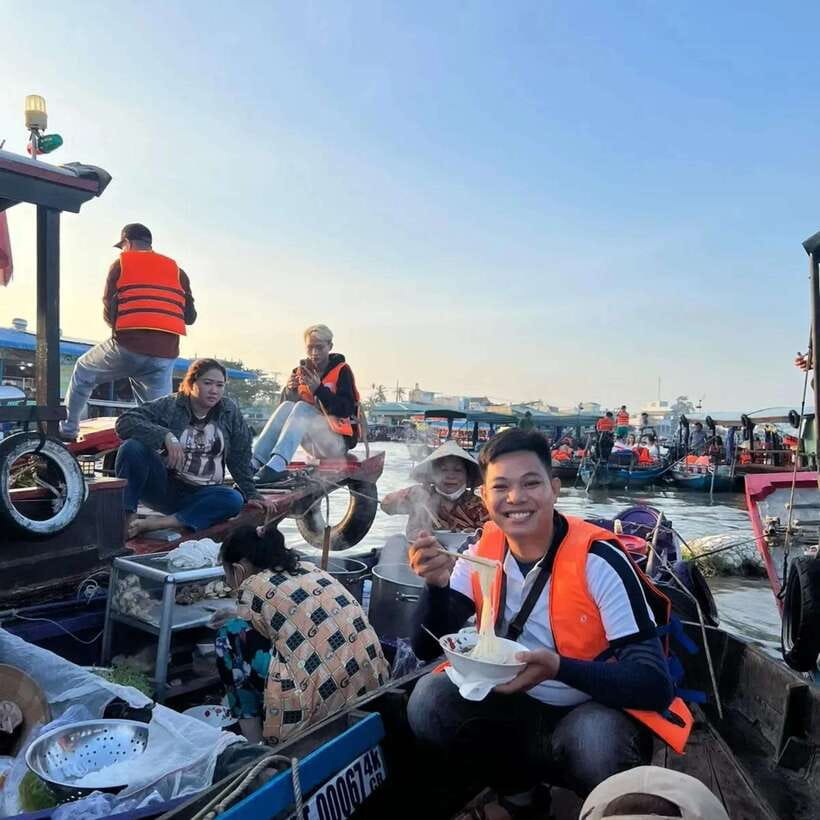
Cai Rang is the largest and most famous floating market in Can Tho. The market is not simply a scenic backdrop. It is a working place where boats gather, trade, carry produce, and move goods along the Mekong tributary.
You glide through the market by sampan rather than viewing it from a distant riverbank. That puts you close to the boats and gives you a better feel for how the water functions as a road, market, and meeting place. The guide adds context about the market’s past and present, including the everyday side of trading on the river.
Breakfast is served on the water, which is one of the tour’s most appealing touches. It keeps you from losing time at a restaurant and lets you eat while the river scene continues around you. Vegetarian options are available, but you need to notify the operator ahead of time.
Do not expect a polished show built only for photographs. River markets change with weather, tide, trade, and time of day. That is part of the point. The early schedule gives you a better chance of seeing active commerce, but conditions can still vary.
One memorable addition is the chance to visit one of the market boats and see how people live and trade there. That offers a closer look at river life than a simple pass through the market. It also makes the experience more personal and less like a sightseeing loop.
The noodle house and the craft of making noodles
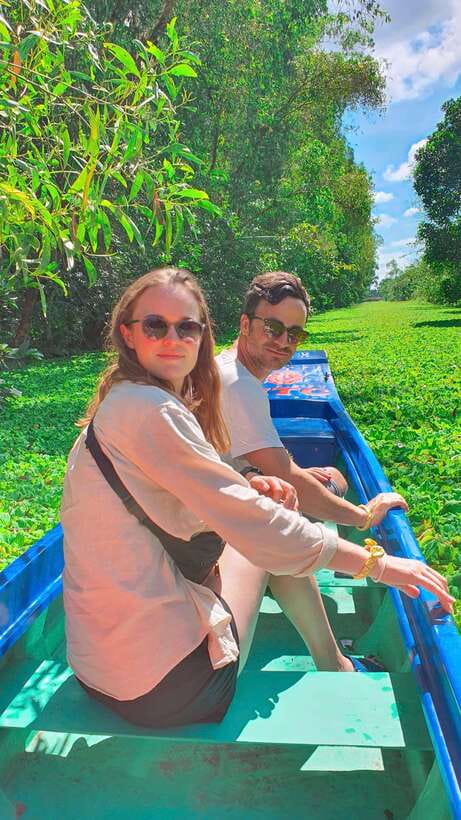
After the market, the sampan continues toward a nearby village and a traditional noodle house. A welcoming family demonstrates how colorful noodles are made, turning a familiar food into a small lesson in local work and household tradition.
This stop is valuable because it shows production rather than just consumption. You are not only eating a regional dish. You are watching the steps and care behind it. The setting also shifts the focus away from the main market, giving you a glimpse of village life along the waterways.
The word traditional can cover a lot of ground on tours, so keep your expectations practical. This is a family-run food stop and demonstration, not a formal cooking school. The reward is seeing a working local practice up close and having a guide explain what you are seeing.
Same corner of the map, a different park:
- Half Day Hiking to Cat Ba National Park with a Guide
★ 4.8 · 312 reviews - Full day hikes, Cycles, Kayaks & swims in Cat Ba National park
★ 5.0 · 241 reviews - From Hue: Bach Ma National Park Hiking Day Trip with Pickup
★ 4.9 · 220 reviews - Full-Day Cuc Phuong National Park Hiking Tour
★ 5.0 · 157 reviews
Quiet canals around Phong Dien
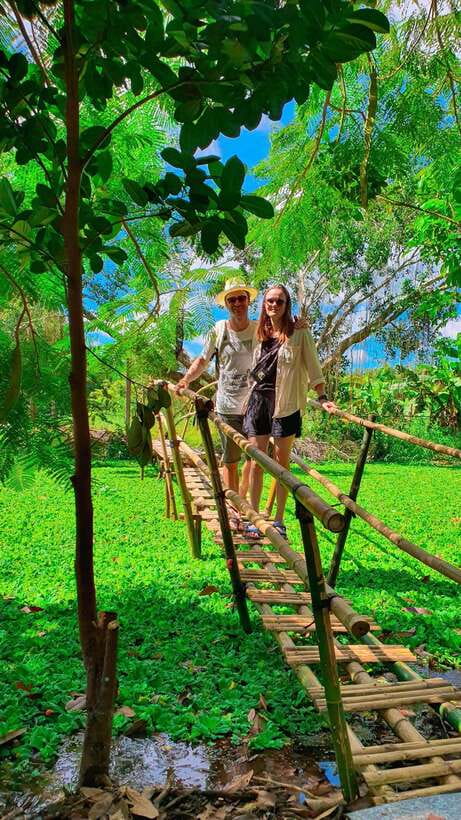
The ride through the less-used canals of Phong Dien provides a useful contrast with Cai Rang. Here, the waterway feels calmer, and the scenery is shaped by greenery, homes, boats, and narrow passages rather than market traffic.
The smaller sampan makes a difference. It can feel more connected to the canal than a large sightseeing boat, and it may be able to reach smaller waterways during low tide. One full-day experience included a traditional boat that allowed the group to see these quieter canals even when the water was low.
This is a good moment to put the camera down for a while. The pleasure comes from the slow movement, the sounds of the water, and the chance to see how the Mekong’s side channels connect villages. You should still expect some walking later, but this part of the day gives your feet a break.
Bamboo baskets and a village workshop
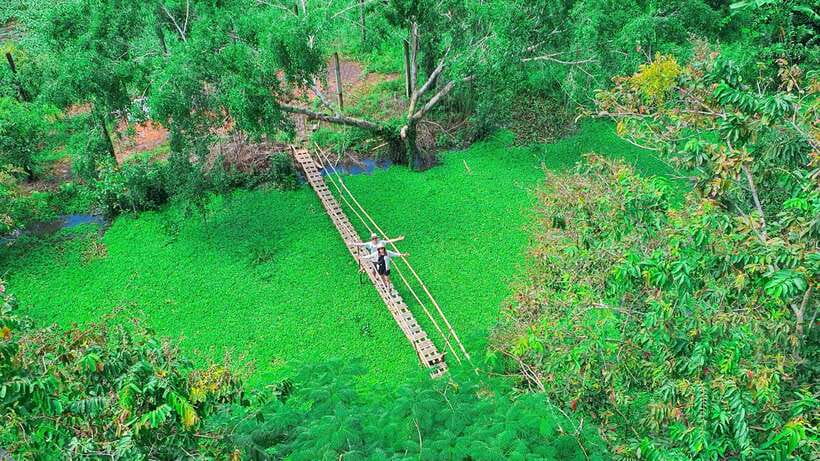
The riverside village is known for bamboo basket weaving. Skilled artisans show you how the baskets are made, and you can try weaving one yourself.
That hands-on element gives the stop more value than a quick look at finished goods. Bamboo baskets are practical household objects, so the craft reflects daily life rather than existing only as a performance for visitors. Your attempt may not match the work of the local artisans, but that is part of the fun.
The visit also gives you a chance to ask questions through the English-speaking guide. The group limit helps here. In a large crowd, a craft demonstration can become hard to see or hear. With up to 10 people, you have a better chance of following the work and getting a turn.
Expect moderate walking around the village. Shoes with secure soles are better than flip-flops, especially if paths are damp after rain.
A Khmer pagoda and a quieter side of the delta
The Khmer pagoda adds a cultural stop that is different from the market and craft village. You see detailed design, a peaceful setting, and a place connected with Buddhist practice.
A local expert explains aspects of Buddhism, giving the visit more meaning than simply walking through, taking photographs, and leaving. This is a place for a slower pace and respectful behavior. Dress comfortably but keep your clothing suitable for entering a religious site.
The pagoda is also a welcome change in mood. Cai Rang is social and active. The pagoda encourages quiet observation. You get time to reflect, look closely at the decoration, and understand how religion fits into local community life.
The information provided does not specify a strict dress code, so follow the guide’s instructions on arrival. As with any active religious place, avoid loud behavior and ask before photographing people or ceremonies.
Lung Ngoc Hoang Nature Reserve
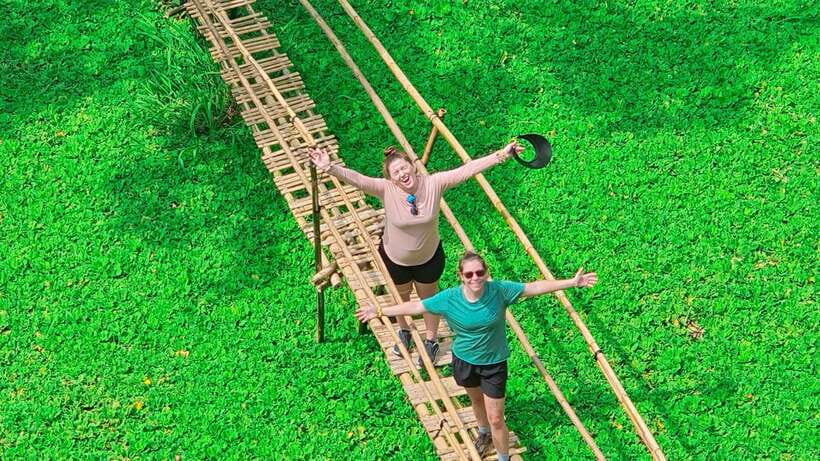
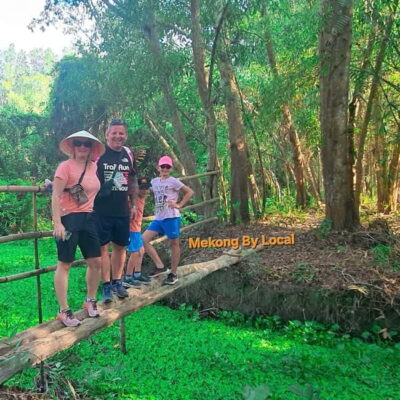
The final major stop is Lung Ngoc Hoang Nature Reserve, a broad wetland area with lush plant life and natural sounds. It is presented as a less-known part of the Mekong Delta, and its main appeal is peace rather than a long list of attractions.
This is where the tour leaves the busiest parts of Can Tho behind. You may hear birds and water more clearly than city traffic. A boat ride through the reserve gives you a chance to look for wildlife, and the guide may arrange a longer ride when conditions allow.
Bird sightings cannot be guaranteed, so treat them as a bonus rather than the central promise. Rain can also change the mood and visibility. Still, one outing remained beautiful in wet weather, and the longer boat ride helped the group spend more time among the reserve’s waterways.
The reserve works best as the last stop because it slows the day down. After the market, noodle-making, village visit, and pagoda, the quiet feels earned. You return to Can Tho with a broader idea of the delta, not just a memory of one famous market.
Is $72 per person good value?
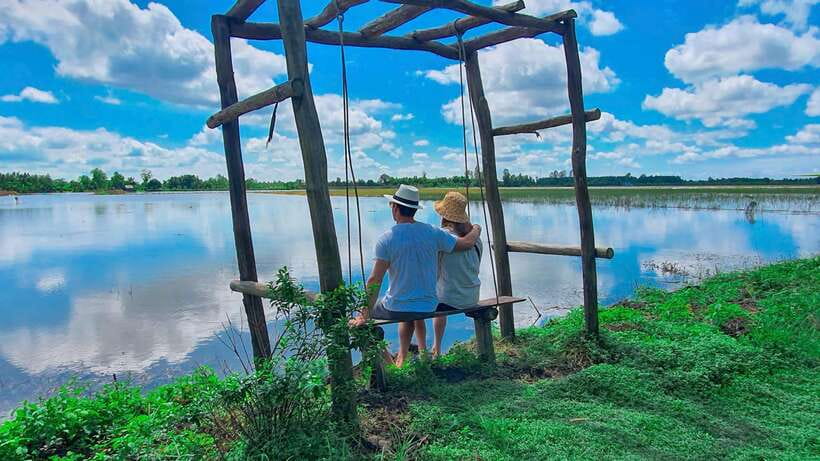
At $72 per person, this is not the cheapest way to see Cai Rang. The value comes from how much is bundled into one day: hotel transfers, an English-speaking guide, the sampan ride, breakfast, the noodle house, bamboo weaving village, Khmer pagoda, and entrance to Lung Ngoc Hoang Nature Reserve.
You are also paying for coordination. The day includes several locations that would be difficult to combine on your own without arranging transport, boats, timing, and local introductions. A comfortable transfer vehicle is another useful part of the package, especially on a long eight-hour outing.
The price makes the most sense if you want more than the floating market. If Cai Rang is your only goal, a shorter market trip may suit you better. If you want a full day that includes food, village life, religion, and nature, the fee is reasonable.
The guides add to that value. Sophia was praised for answering questions throughout the day and caring for the group. Theo brought humor and adapted to the group’s needs. Sonny helped with a difficult meeting-point detail and provided clear local explanations. Those small acts matter on a long day.
Practical drawbacks and who should book
The early start is the largest adjustment. You need to be ready for sunrise, not a relaxed hotel breakfast. The reward is cooler air and a more active market, but late risers should choose another plan.
You will also walk a moderate amount. The tour is not suitable for wheelchair users or people with mobility impairments. It is also not recommended for people over 95 years old. The operator lists comfortable clothing and shoes as essential, and that advice is worth following.
Weather can affect the experience. Rain may make paths and boat rides less comfortable, though it does not automatically ruin the outing. Protect electronics, bring water, and accept that the river will not perform on a fixed schedule.
This tour suits you best if you want:
- A full Mekong Delta day rather than a short market visit
- A small group and an English-speaking guide
- Local food production and craft demonstrations
- A balance of active market scenes and quiet waterways
- Cultural context at a Khmer pagoda
- A nature stop with a chance to see birds
It may not suit you if you want a very short, highly flexible morning, dislike early departures, or need step-free access.
Free cancellation is available up to 24 hours before the start, and you can reserve while paying later. Those terms help if your Can Tho schedule is still changing, but the important choice is whether the early start and walking level fit you.
Should you book this Can Tho experience?
I would book this tour if you want to understand more of the Mekong Delta than a floating market alone can show you. Cai Rang provides the memorable opening, but the smaller canals, noodle house, basket workshop, pagoda, and Lung Ngoc Hoang reserve give the day its range.
Choose it for the guides, the small group, and the mix of river life and countryside. Skip it if you need a late start, minimal walking, or a tightly controlled indoor itinerary. For most active visitors who want a full and varied day, $72 is a fair price for the transport, boat rides, meals, admissions, and local help included.
FAQ
How long does the Can Tho tour last?
The tour lasts eight hours, including the river rides, market visit, village stops, pagoda, nature reserve, and return to the meeting point.
Where does the tour start?
The activity starts at Ben Pha Xom Chai, near 1 Đ. Hai Bà Trưng. Hotel pick-up is included, so confirm the exact arrangements for your accommodation.
Where does the tour end?
The tour ends back at the meeting point near 1 Đ. Hai Bà Trưng.
Is breakfast included?
Yes. Breakfast is included and is served during the floating market portion of the tour. Vegetarian options are available if you request them in advance.
What language does the guide speak?
The live tour guide speaks English.
How large is the group?
The tour is offered as a small-group activity with a maximum of 10 participants.
Is the tour suitable for wheelchair users?
No. The tour is not suitable for wheelchair users or people with mobility impairments, and a moderate amount of walking is involved.
What should I bring?
Bring a hat, camera, sunscreen, water, and comfortable clothing and shoes. An early start is required to see the market around sunrise.
Just added around Vietnam
- From Da Nang or Hoi An: Bach Ma National Park Trek & Lunch★ 4.7 · 95 reviews
- Da Nang/Hoi An to Hue via Bach Ma National Park Trekking★ 4.7 · 3 reviews
- Dalat to Cat Tien National Park & Ho Chi Minh (2 or 3 Days)★ 5.0 · 8 reviews
- Cuc Phuong National Park – Van Long Day Trip From Hanoi★ 4.1 · 8 reviews
- Da Nang: Bach Ma National Park Trek And Beach Retreat★ 4.5 · 2 reviews
- CUC PHUONG NATIONAL PARK – VAN LONG DAI LY TOUR DAY TRIP★ 3.3 · 3 reviews
- Cuc Phuong National Park Hiking Tour★ 4.3 · 4 reviews
- Cat Ba National Park Trekking & Ancient Village Biking★ 4.5 · 2 reviews
Can Tho National Park Tours, compared.
Nature Reserve and Largest, Authentic Floating Market Experiences
Read our review →
Can Tho: Lung Ngoc Hoang Nature Reserve & Forest Tour
Read our review →
Can Tho: Lung Ngoc Hoang Forest Nature Reserve Tour
Read our review →
Can Tho: Lung Ngoc Hoang Nature Reserve & Hidden Forests
Read our review →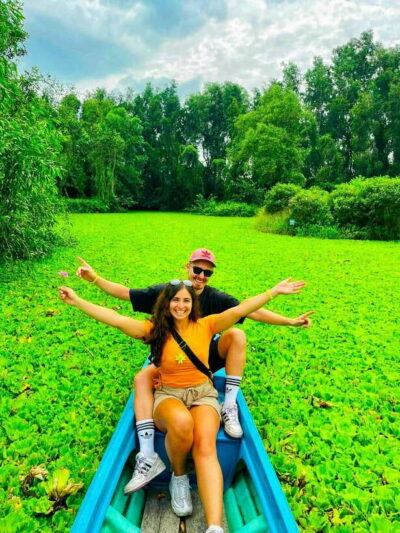
Can Tho: Explore Lung Ngoc Hoang Nature Reserve from Can Tho
Read our review →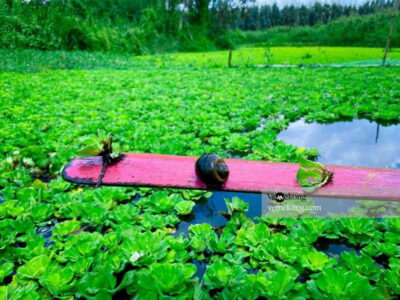
Can Tho: Lung Ngoc Hoang Forest Nature Reserve Half-Day Tour
Read our review →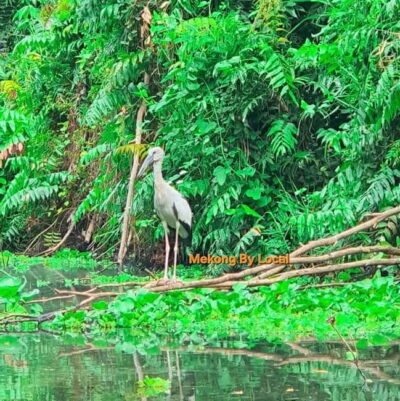
Can Tho: Lung Ngoc Hoang Nature Reserve and Mekong’s Soul.
Read our review →Browse the lists this tour appears in