
REVIEW · SOUTH AFRICA
Jonkershoek Nature Reserve: Guided Panorama Trail Hike
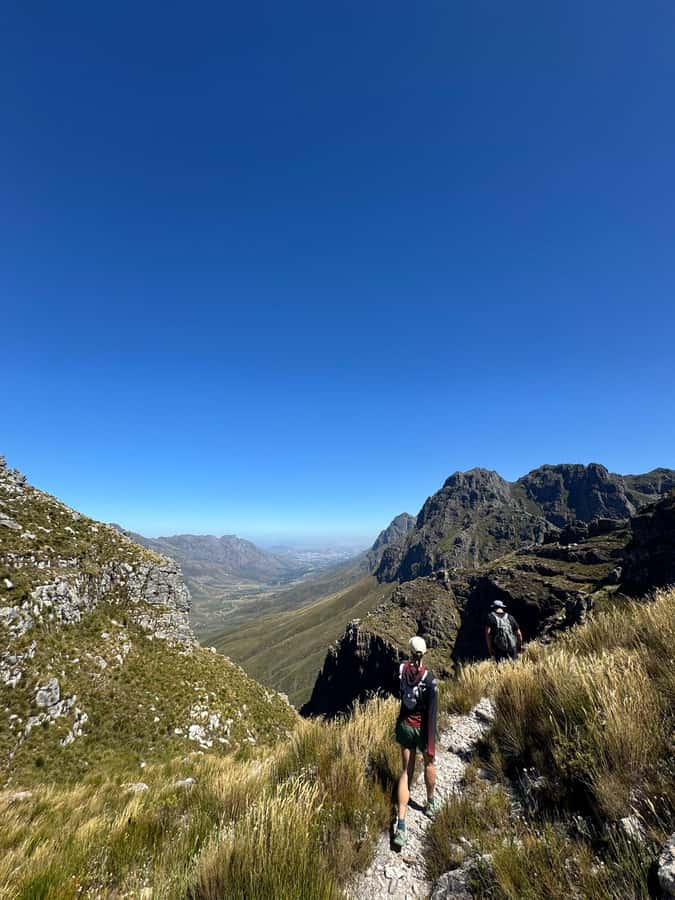
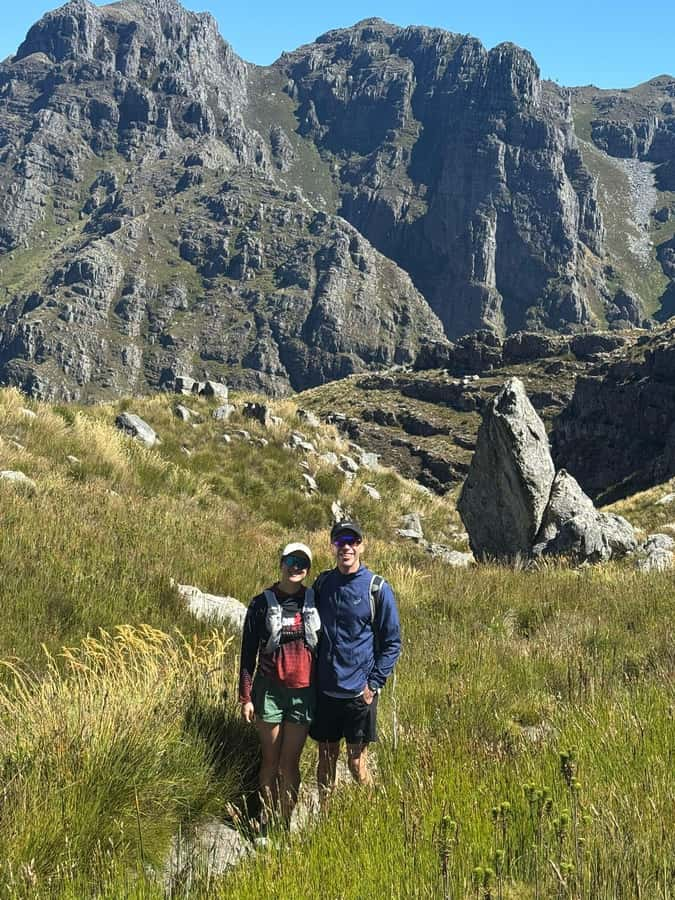
Big views demand a strong climb. This guided Panorama Trail gives you a serious mountain day near Stellenbosch, with a 14-kilometer loop, more than 1,000 meters of ascent, and wide views over Jonkershoek Valley and the Berg River Saddle. I like the small groups of no more than six people, and I like having a guide for the rocky route and steep gully sections.
The fynbos-covered ridges and changing plant life are a major draw. One section can feel open and alpine, while other parts pass through forest, streams, and protea-covered slopes. The main drawback is clear: this is a strenuous hike, not a gentle scenic walk. You need good fitness, proper shoes, and at least 2.5 liters of water.
I also like that your guide, Dominic, can set a steady pace and build in rest stops. The price is $112 per person, which is reasonable for a small-group outing with the reserve entrance fee included, but less attractive if you already know the trail and prefer to hike independently.
Key Points To Know Before You Book
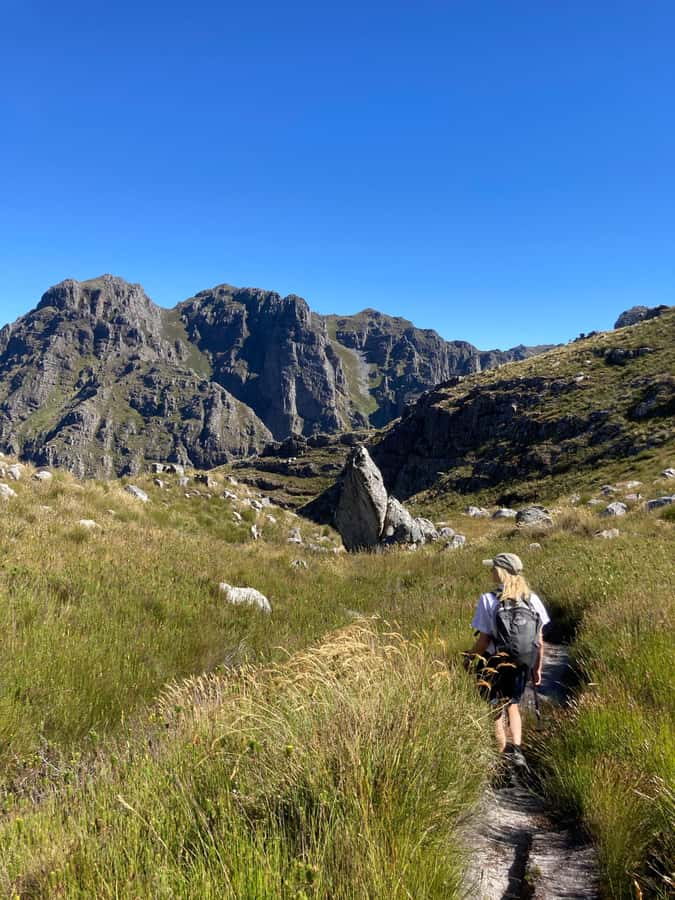
- The climb gains more than 1,000 meters: Expect steep, rocky slopes rather than a relaxed valley stroll.
- The route covers about 14 kilometers: It forms a circular loop, with the trail possible in either direction.
- The Berg River Saddle is a major payoff: You get broad views into the Assegaibos Kloof Valley and the Berg River below.
- The plant life keeps changing: Proteas, fynbos, forest, grassy ridges, and alpine-looking areas give the hike plenty of visual variety.
- The group is limited to six: That makes it easier to ask questions, set a sensible pace, and avoid feeling lost in a large tour group.
- Bring your own supplies: Transport to the reserve, drinks, snacks, food, water, sunscreen, and a jacket are not included.
Why This Is a Serious Mountain Hike
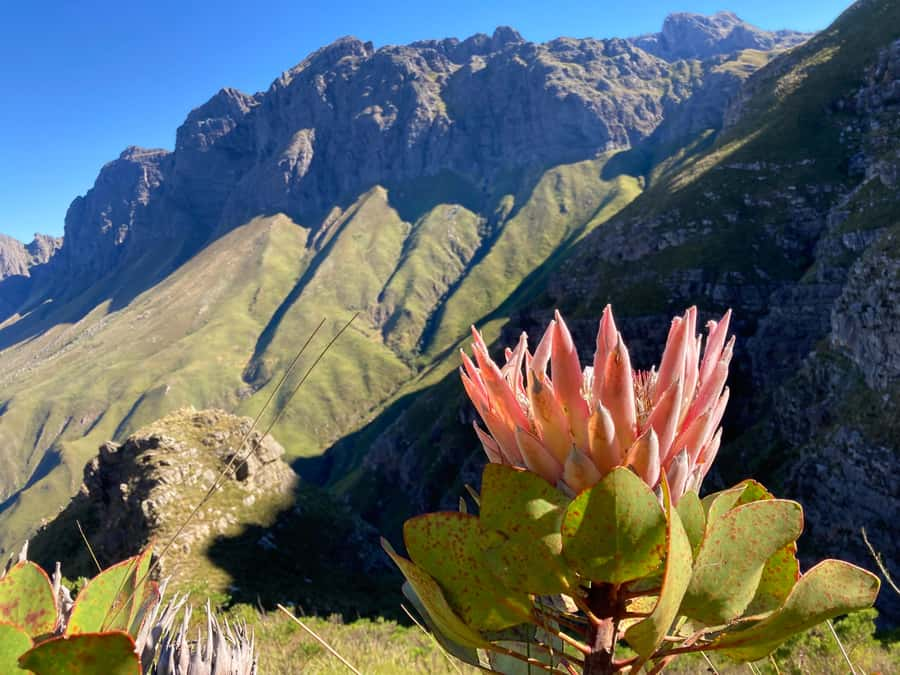
The Panorama Trail is best understood as a proper mountain outing. The distance alone is manageable for many active hikers, but the steep ascent changes the equation. Gaining over 1,000 meters in a relatively short stretch demands strong legs, steady breathing, and patience.
You start in Jonkershoek Nature Reserve before driving about 5 kilometers along a gravel road to the trailhead. Depending on the arrangement, you can use your own vehicle or ride with the guide. After a route and safety briefing, the walking begins with a steady climb that soon becomes much steeper.
The hardest section runs up a rocky gully. Here, the surface can be rough, the slope is steep, and you will need proper hiking shoes with good grip. I would not choose this outing if you are unused to mountain walking, uncomfortable on exposed slopes, or hoping to spend most of the day strolling and taking casual photographs.
The guide’s role matters most on this section. Dominic can keep the pace sustainable, stop for breaks, and help you judge how much effort to spend early in the hike. That is useful because an overconfident first hour can make the ridge feel much farther away.
More Park Hiking and Trekking Tours in South Africa:
- San Francisco: Yosemite National Park & Giant Sequoias Hike
★ 4.5 · 1,777 reviews - Skaftafell National Park: Falljokull Glacier Easy Hike
★ 4.7 · 1,370 reviews - Skaftafell National Park: Falljokull Glacier Advanced Hike
★ 4.8 · 1,083 reviews
Meeting at Jonkershoek Nature Reserve
The meeting point is the gate of Jonkershoek Nature Reserve. This keeps the arrival point simple, but you still need to arrange your own transport to the reserve. The tour price includes the entrance fee, so you are not paying that separately once you arrive.
From the gate, the group drives 5 kilometers on a gravel road to the start of the hike. You may use your own vehicle or go with the guide. If you are driving yourself, allow for the fact that the final approach is not a paved city road.
The short drive also helps the outing feel like a mountain trip rather than a walk that begins beside a parking area. Once you leave the gate area, the valley closes in around you with high peaks, rocky slopes, and open fynbos.
Before setting off, the guide covers the route and safety points. This is the time to be honest about your fitness and any concern about heights. The trail is available in clockwise or counter-clockwise directions, and the guide can choose the better option for the day.
The First Climb Through Rocky Terrain
The opening climb is where the hike earns its strenuous rating. The trail rises steadily, then turns into a demanding ascent through a rocky gully. You gain height quickly, so the first part can feel harder than the distance suggests.
I like the way a guided pace can keep this section from becoming a race. Regular pauses give you time to drink, catch your breath, and look back toward the valley. They also make it easier to appreciate how much ground you have already gained.
You should carry at least 2.5 liters of water, and more may be sensible in warm conditions. The information for this hike specifically asks you to bring enough water, food, and snacks, since refreshments are not supplied.
The route can include crystal-clear streams and magnificent waterfalls. These features add welcome interest during a climb, though you should not assume that every water source is available for drinking. Bring your own water rather than relying on the reserve.
A swimsuit is also suggested, which hints at the chance to cool off in water during the outing. The supplied information describes water with drinking-quality clarity, but it does not promise a swimming stop on every departure. Bring swimwear only if that possibility appeals to you, and keep your main focus on the long climb.
Fynbos, Proteas, and Changing Plant Life
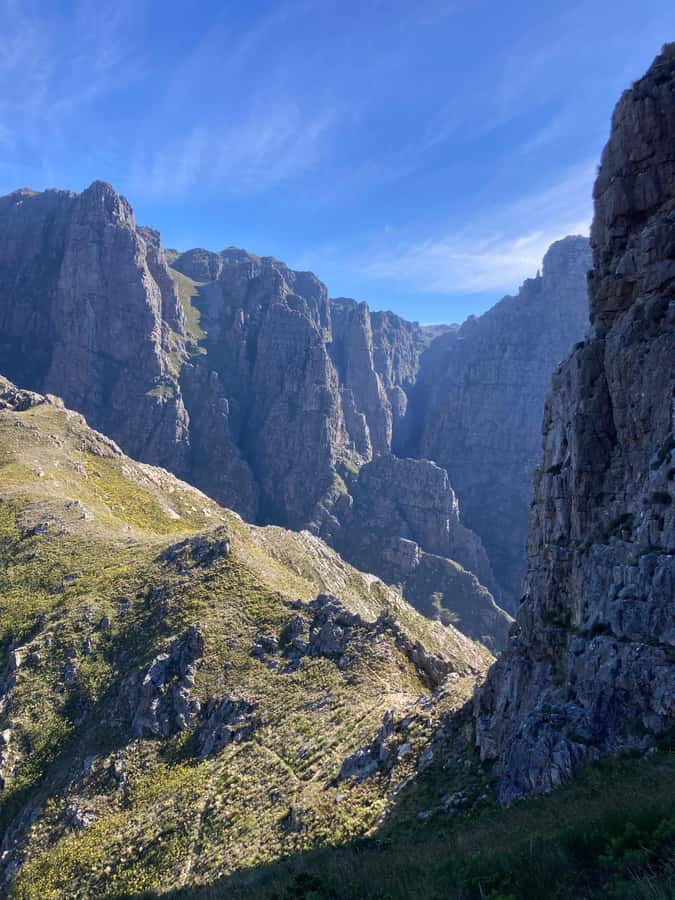
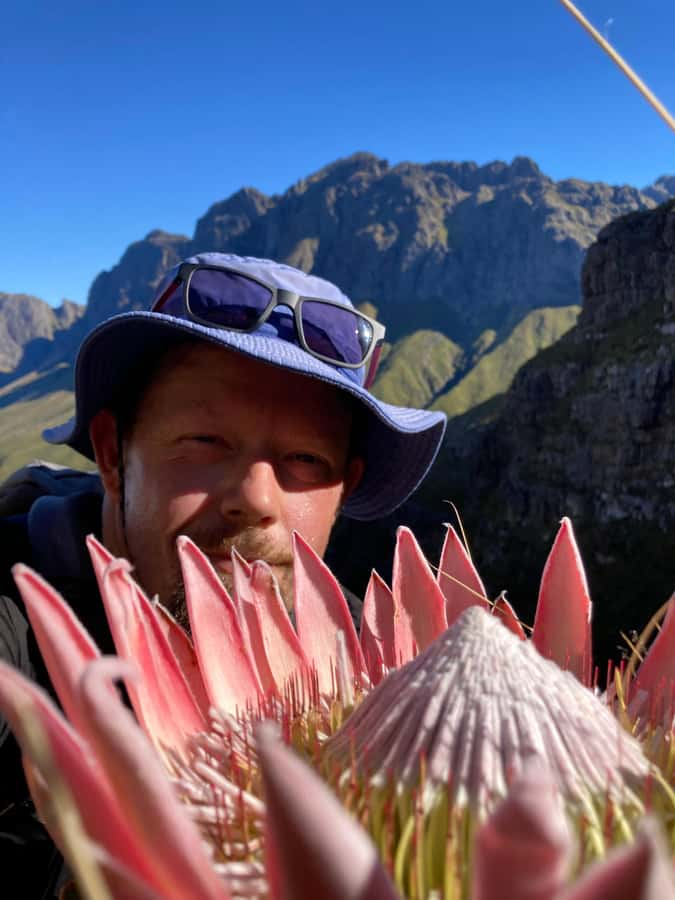
The plant life is one of the strongest reasons to take this route. Jonkershoek’s slopes show off the Cape’s fynbos, including protea-covered areas and low vegetation shaped by the mountain climate.
The scenery changes as you gain height. You might move from more sheltered sections toward open slopes and grassy ridges, then into areas that feel almost alpine. This variety keeps the hike from becoming a single repeated view of rock and scrub.
One particularly useful tip is to bring enough camera battery. The route offers constant photo opportunities, from flowers and plant detail to cliffs, gorges, streams, and distant peaks. A camera can easily become an excuse to stop every few minutes, so keep an eye on your pace and energy.
I would not expect a formal botanical tour unless you arrange that directly with the guide. Still, walking with a local mountain guide gives you a better chance to ask about what you see than hiking alone with only a trail map.
More Guided Trips in South Africa:
- Addo National Park: Guided Half-Day Safari
★ 4.7 · 175 reviews - Addo Elephant National Park: Guided Half-Day Safari
★ 4.4 · 27 reviews - Shared Full Day Guided Safari Tour Visit to Kruger National Park
★ 5.0 · 5 reviews - From Split: Plitvice Lakes National Park Guided Tour
★ 5.0 · 3,002 reviews
Reaching the High Ridge and Panorama Views
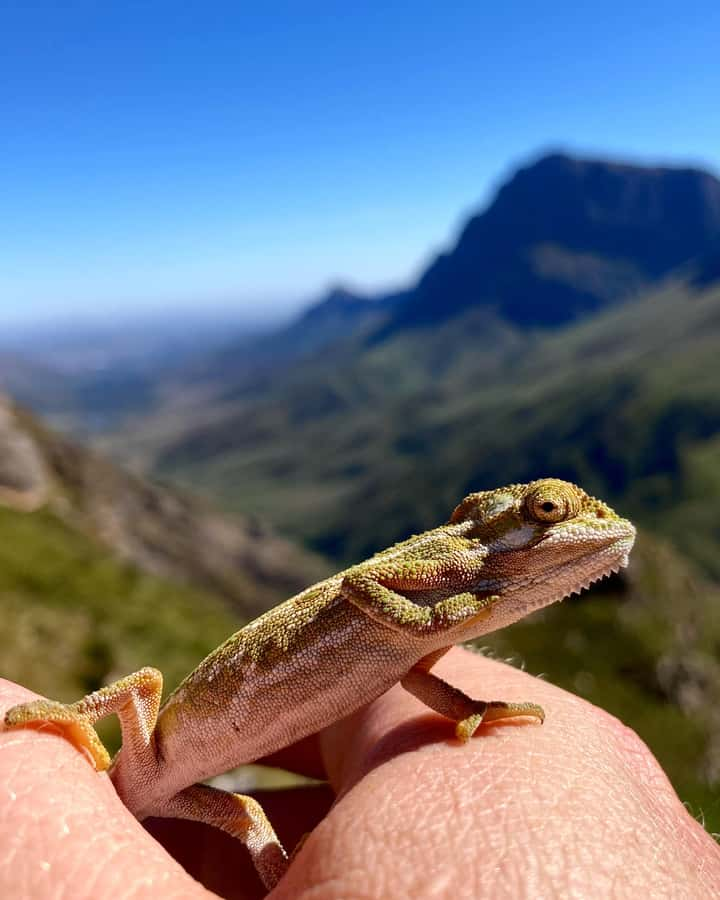
The high ridge is the reward for the steep lower section. Once the route opens up, the view spreads across the Stellenbosch mountains, Jonkershoek Valley, deep gorges, and fynbos-covered slopes.
This is where the trail’s name makes sense. The views are broad rather than limited to one lookout, and the changing position of the route gives you new angles as you walk. You can pause on the ridge for photographs and a proper rest before the descent begins.
The ridge also brings a useful sense of progress. You have done the hardest upward work, but the day is not finished. The downhill route has its own demands, especially on knees and ankles after a long ascent.
If you are afraid of heights, think carefully before booking. The outing is not suitable for people with a fear of heights, and the combination of craggy cliffs, steep slopes, and high ridges may feel uncomfortable even if you are fit.
Berg River Saddle and Assegaibos Kloof
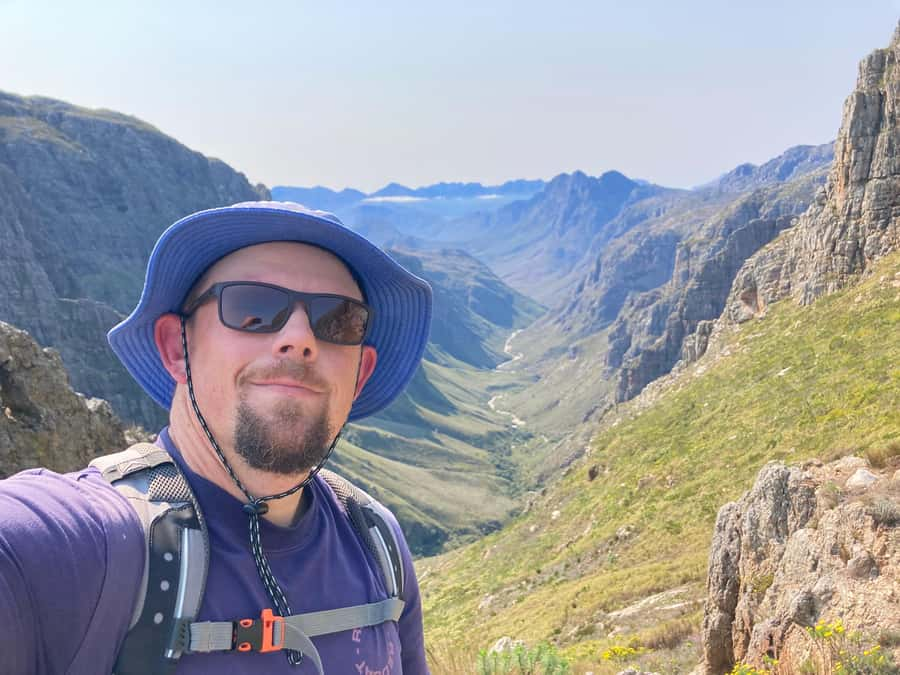
The Berg River Saddle is one of the best parts of the route. From here, you look toward the pristine Assegaibos Kloof Valley, with the Berg River running through it.
This section gives photographers a strong mix of features: layered mountain views, a deep valley, rugged rock, and open vegetation. It also provides the kind of quiet high-country setting that is hard to get from a short walk near town.
The descent toward the saddle can feel more relaxed than the climb, but do not treat it as effortless. Rocky ground still requires care, and tired legs can make a downhill step less stable than it seemed earlier.
Your guide is useful here for route-finding and pacing. The trail can be walked in either direction, so the exact order of views may vary. The key point is that the route eventually curves back toward the valley and completes the loop.
Completing the Circular Route
The final section returns you toward the valley through a mix of mountain terrain and natural features. After the exposed ridge and saddle, this return leg gives the hike a satisfying sense of closure.
The route takes roughly five to seven hours depending on pace, fitness, and weather. The advertised duration is six hours, but you should keep your whole day flexible rather than planning a tight appointment soon afterward.
A seven-hour outing is possible, especially if the group stops often for photographs, rests, and scenic viewpoints. That is not a problem if you arrive prepared, but it matters if you have booked a dinner reservation or another activity in Stellenbosch.
You finish back at Jonkershoek Nature Reserve. The circular route is a practical advantage because you do not retrace every step, and each section offers a different feel.
What $112 Buys You
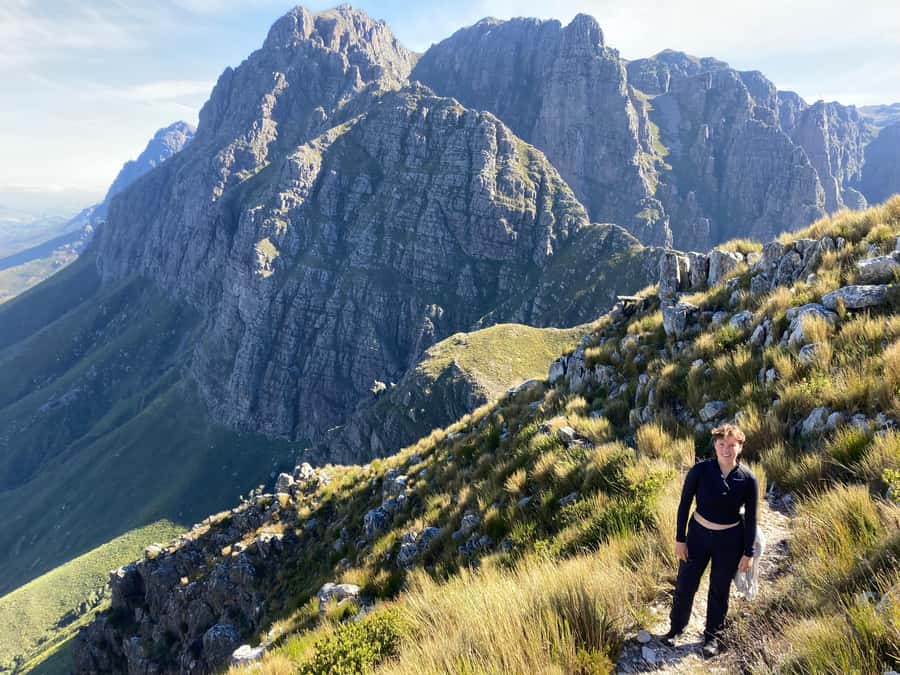
At $112 per person, this is not a cheap self-guided walk. The value comes from the combination of a local guide, a small group, route support, safety pacing, and the reserve entrance fee.
A group capped at six is a meaningful benefit. You are less likely to be held to a pace that does not suit you, and you can ask questions without competing with a busload of people. It also makes the experience feel more like a private mountain outing, even though it is still a group activity.
The price makes the most sense if you are visiting the area and want to tackle a demanding route without handling all the navigation yourself. It is also useful if you are unsure how to judge the steep sections or want someone to adjust the route direction and pace.
The value is weaker for experienced local hikers who already know Jonkershoek and have their own transport, route knowledge, and safety plan. Those hikers may prefer to spend less and walk independently.
German and English are available, which helps if you want route explanations and safety instructions in one of those languages. Dominic’s strong personal recommendations also make the guide a notable part of the experience, rather than a background escort.
What To Pack for the Six-Hour Outing
Pack for a full mountain day, not a light sightseeing walk. Your basic kit should include:
- Hiking shoes or proper hiking boots
- At least 2.5 liters of water
- Food and snacks
- Sunscreen
- A sun hat
- A jacket
- Comfortable clothing
- Swimwear if you want the option of entering the water
- A fully charged camera or phone
The jacket matters even when the valley feels warm. Conditions can change with height, and the open ridge may feel very different from the lower trail.
Do not smoke, litter, or make fires in the reserve. These rules are simple, but they matter in a protected natural area where dry vegetation and water sources need care.
Children under 12 are not accepted, and the hike is not suitable for people with mobility impairments or low fitness. Those restrictions are sensible given the steep, rocky route and long duration.
Who Will Enjoy This Hike Most?
I would recommend this hike to active visitors staying in Stellenbosch or the wider Cape Town area who want a genuine mountain challenge. You should be comfortable walking for several hours, climbing steep ground, and managing uneven surfaces.
It suits photographers, plant lovers, strong walkers, and anyone who enjoys a big view earned through effort. The changing vegetation gives you more to notice than a simple summit push, while the Berg River Saddle provides a clear scenic target.
It is not the right choice if you want a relaxed half-day outing, have limited fitness, dislike steep slopes, or feel uneasy on high ridges. The guide can adjust the pace, but no guide can remove the 1,000-meter climb.
The small group makes this a better choice for people who value personal attention. It also works well for solo visitors who want company and route support without joining a large commercial group.
Should You Book the Panorama Trail?
Book it if you want one of the area’s strongest full-day mountain walks and you are ready for the physical work. The views over Jonkershoek Valley, the Berg River Saddle, and Assegaibos Kloof justify the effort, while the fynbos, streams, waterfalls, and shifting mountain habitats keep the route interesting.
I would book this guided version if you want careful pacing, a small group, and help on the rocky sections. At $112, it offers fair value for a demanding route with an expert guide and entrance fee included.
Skip it if your fitness is low, you dislike heights, or you want a short and easy nature walk. For everyone else, bring sturdy shoes, plenty of water, food, sunscreen, and a jacket, then leave enough time for a slow, photo-filled mountain day.
FAQ
How long does the Panorama Trail take?
The hike is listed as six hours, but the full outing can take about five to seven hours depending on fitness, walking pace, and weather conditions.
How far is the route?
The circular route covers about 14 kilometers.
How much elevation does the hike gain?
The trail gains more than 1,000 meters, with steep sections and rocky slopes.
Where does the hike begin?
You meet at the gate of Jonkershoek Nature Reserve. From there, the group drives about 5 kilometers on a gravel road to the trailhead.
Is transport to Jonkershoek Nature Reserve included?
No. You need to arrange transport to the reserve entrance. The drive from the gate to the trailhead can be made in your own vehicle or in the guide’s vehicle.
What languages does the guide speak?
The live guide is available in English or German.
What should I bring?
Bring hiking shoes, at least 2.5 liters of water, food, snacks, sunscreen, a sun hat, comfortable clothes, and a jacket. Swimwear is also suggested.
Is the hike suitable for children?
No. The hike is not suitable for children under 12.
Can I cancel the booking?
You can cancel up to 24 hours in advance for a full refund. A reserve-now, pay-later option is also available.
Just added around South Africa
- Two day Kruger National Park Safari from Johannesburg★ 5.0 · 19 reviews
- Bathongo Rhino & lion park nature reserve tour★ 5.0 · 3 reviews
- Safari Pilanesberg Nature Reserve & Monkey Sanctuary★ 5.0 · 6 reviews
- Pilanesberg National Park Safari, BIG 5 Full Day★ 5.0 · 4 reviews
- Rhino & Lion Nature Reserve★ 5.0 · 10 reviews
- Rhino & Lion Nature Reserve & Wonder Caves★ 5.0 · 2 reviews
- Pilanesberg Nature Reserve & Safari Park Lion Private★ 4.0 · 4 reviews
- Full-day Pilanesberg national park tour★ 5.0 · 4 reviews
Park Hiking and Trekking Tours, compared.
San Francisco: Yosemite National Park & Giant Sequoias Hike
Read our review →
Skaftafell National Park: Falljokull Glacier Easy Hike
Read our review →
Skaftafell National Park: Falljokull Glacier Advanced Hike
Read our review →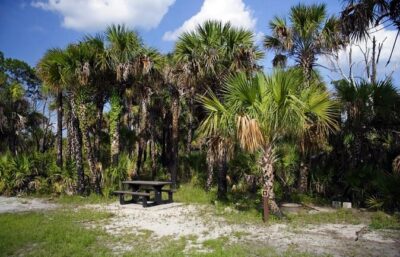
Everglades National Park Biologist Led Adventure: Cruise, Hike + Airboat
Read our review →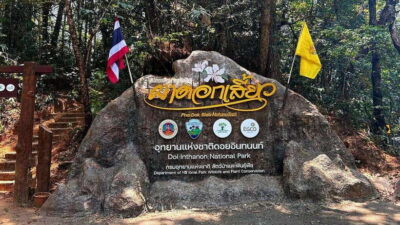
Chiang Mai: Doi Inthanon National Park and Pha Dok Siew Trek
Read our review →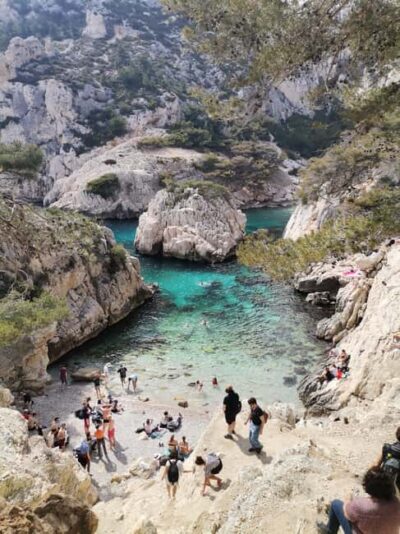
Marseille: Calanques National Park Guided Hike with Picnic
Read our review →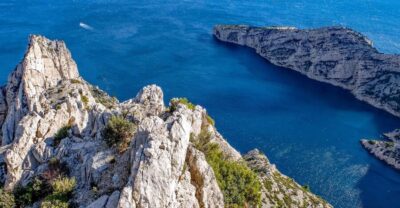
From Marseille: Calanques National Park Guided Hike
Read our review →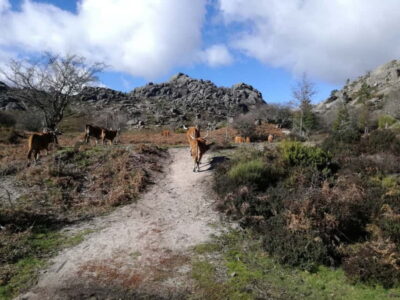
Browse the lists this tour appears in