
REVIEW · NATIONAL PARKS
Malolotja National Park Hiking Tour
Coal, mountain views, and handmade glass make this hike unusual. The four-hour Malolotja National Park tour combines a gentle nature walk with mining history, a changing-color lake, the old lion cave, and a visit to Ngwenya Glass. I especially like the small group limit of 10 people and the chance to explore with local guide Michael Mancoba Masuku. The tour costs $110 per person, including transport and the park entrance fee.
I also like the guide’s flexible approach. Michael adjusted the day for an injured participant, using a car to reduce the walking while still including the main sights. The main consideration is that this is not a wildlife safari. You come for mountains, rocks, coal, and local stories, not guaranteed animal sightings.
Key points to know before booking
- A hike with a practical twist: The route includes walking from Ngwenya Glass to Malolotja National Park, then continues through mountain scenery, coal rocks, a lake, and a lion cave.
- Michael Mancoba Masuku is the guide: He speaks English and is praised for his kind manner, interesting explanations, and willingness to adapt the outing.
- The lake can change color: It may appear blue or brown, with dirt from the nearby mine affecting its appearance.
- The tour is about history and scenery, not animals: The route offers no promise of wildlife sightings, so set your expectations accordingly.
- Ngwenya Glass adds a strong finish: After the walk, you can see the glass-making process at one of the area’s main tourist attractions.
- Bring proper shoes and your own refreshments: Food and drinks are not included, and comfortable footwear is specifically required.
Why this four-hour outing feels different
Many short hikes give you one main reward: a viewpoint, a waterfall, or a forest trail. This one keeps changing character. You begin at a glass attraction, walk toward a national park, pass unusual rock formations, explore a coal-mining area, see a lake, visit a lion cave, and finish by watching glass being made.
That mix gives the tour its appeal. You are not simply walking through pretty scenery. You are seeing how industry, local history, and nature meet in the Hhohho Region of Eswatini, formerly known as Swaziland.
I like the scale of the experience. Four hours is long enough to feel that you have gone somewhere, but short enough to fit into a busy Eswatini schedule. If you have only part of a day available near Mbabane, this tour gives you several different stops without requiring a full-day commitment.
The $110 price needs a little thought. It is not a cheap walk, but it includes transportation and the national park entrance fee. You also receive a live English-speaking guide and a small group setting limited to 10 people. If you value personal attention and local explanation, the price is easier to justify. If you want only a basic self-guided stroll, it may feel high.
More Park Hiking and Trekking Tours in the world:
- San Francisco: Yosemite National Park & Giant Sequoias Hike
★ 4.5 · 1,777 reviews - Skaftafell National Park: Falljokull Glacier Easy Hike
★ 4.7 · 1,370 reviews - Skaftafell National Park: Falljokull Glacier Advanced Hike
★ 4.8 · 1,083 reviews
Meeting in Mbabane and reaching Ngwenya Glass
The meeting point is KFC on Sozisa Road in Mbabane. From there, transportation takes you to Ngwenya Glass, where the tour vehicles are left before the walking section begins.
This arrangement matters because the glass attraction is both the starting and finishing point. You do not need to manage separate transport between the hike and the factory visit. The day has a simple rhythm: arrive by vehicle, walk through the park area, return to Ngwenya Glass, then watch the manufacturing process.
You should arrive ready to walk rather than treating the first stop as the main event. Comfortable shoes are essential. The route includes roads and rocky ground, so casual shoes with a firm sole make more sense than sandals or smooth-soled footwear.
Food and drinks are not included. The supplied information does not specify refreshment stops, so I would not count on buying food during the hike. Bring what you need for the four-hour outing, while keeping in mind that alcohol and drugs are not allowed.
The walk from Ngwenya Glass to Malolotja
Once the vehicles are parked, you begin walking toward the entrance to Malolotja National Park. This approach gives the outing a gradual start instead of placing you immediately at a scenic viewpoint.
After entering the park, the hike properly begins. The route passes fascinating rock formations along the sides of the road. These rocks are part of what makes the walk more than a standard mountain stroll. Your guide can help explain what you are seeing, and Michael is particularly good at adding historical and local context to the physical surroundings.
The first part of the walk should suit anyone who enjoys seeing a place unfold in stages. You move from the tourist attraction toward the park, then from the park entrance toward the mining area. It is a useful way to understand the area rather than simply arriving at an isolated viewpoint by car.
That said, the tour still involves walking on uneven outdoor surfaces. The available information does not give a precise distance, elevation gain, or trail grade. If you need exact hiking measurements, ask Criss-Cross Tours before booking.
Coal rocks and the old mining area
The coal mine is one of the most unusual parts of the outing. You get to walk on rocks that are coal, bringing the region’s mining story right under your feet.
This is where the tour gains much of its character. A coal mine is not as immediately scenic as a mountain overlook, but it gives the surrounding land a human story. The guide explains both ancient and recent developments at Malolotja, including the story of coal and mining. That context helps you read the ground instead of seeing only dark rocks scattered beside the route.
I would give this section time and attention. The point is not simply to take a quick photograph of a mine. It is to notice the contrast between open mountain country and the marks left by extraction. Michael’s explanations are a key part of that experience, especially if you enjoy learning how local places have changed.
There is also a practical limit. This is an outdoor visit to a mining area, not a formal underground mine tour described in detail. Do not expect a long subterranean exploration. The experience centers on the coal rocks, the mine setting, and the story your guide provides.
A few more park trips around the world worth a look
- Miami: Everglades National Park Airboat Tour & Wildlife Show
★ 4.5 · 7,296 reviews - Chiang Mai: Doi Inthanon National Park Eco-Friendly Tour
★ 4.6 · 6,667 reviews - Tenerife: Teide National Park Sunset & Stargazing Tour
★ 4.2 · 3,812 reviews - Discover Rocky Mountain National Park
★ 5.0 · 3,419 reviews
The lake that may be blue or brown
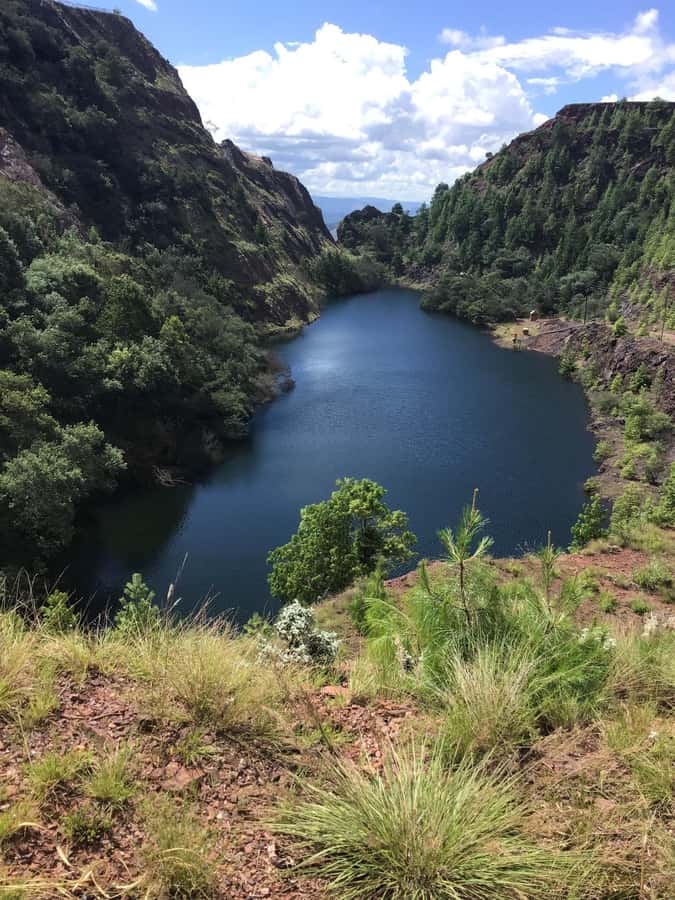
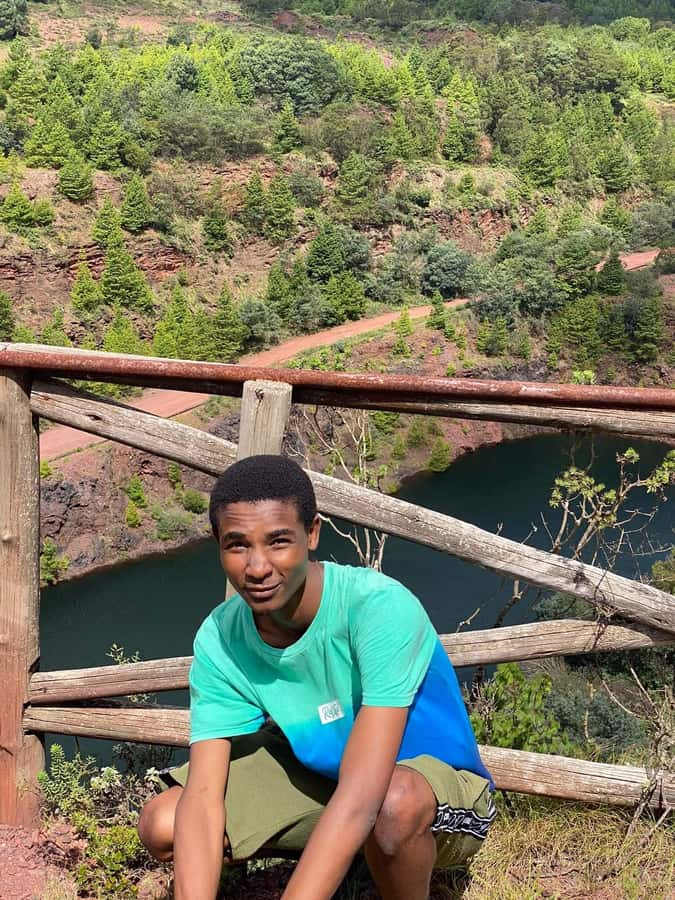
After the mine, the route reaches a lake. Its color may be blue or brown, depending on dirt from the mine.
That changing appearance is one of the tour’s more memorable details. It also gives you a direct reminder that the natural setting is affected by nearby human activity. On one day, the lake may look bright and blue. On another, sediment may make it appear brown.
I appreciate that the color is not presented as a guaranteed postcard view. You should arrive curious rather than expecting one fixed image. The lake’s condition is part of the story, and the guide can connect it with the mining area you have just visited.
Photography conditions will naturally vary with the lake’s color and the light. The supplied information does not promise a particular viewpoint or swimming opportunity, so treat this as a scenic and educational stop, not a water activity.
The lion cave and mountain views
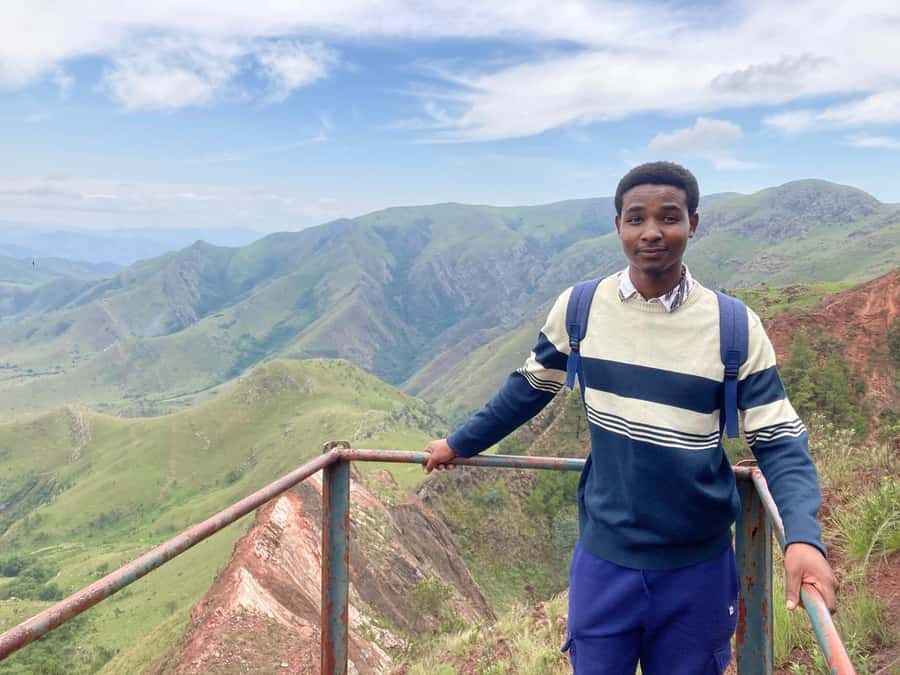
The hike continues to the lion cave, another unusual point along the route. The name alone gives this stop a sense of mystery, but you should keep expectations sensible. The information provided does not promise that lions or other animals will be present.
In fact, the tour is not designed as a wildlife outing. One guest specifically noted that you should not expect to see animals and that other parks in Eswatini are better suited to wildlife sightings. This is useful advice. If your main goal is spotting lions, elephants, or other game, choose a dedicated safari experience instead.
The lion cave is better understood as a natural and historical feature within the hike. It adds variety to the route and gives the guide another place to explain the area. The stop also works well with the surrounding mountain views, which are among the strongest reasons to book.
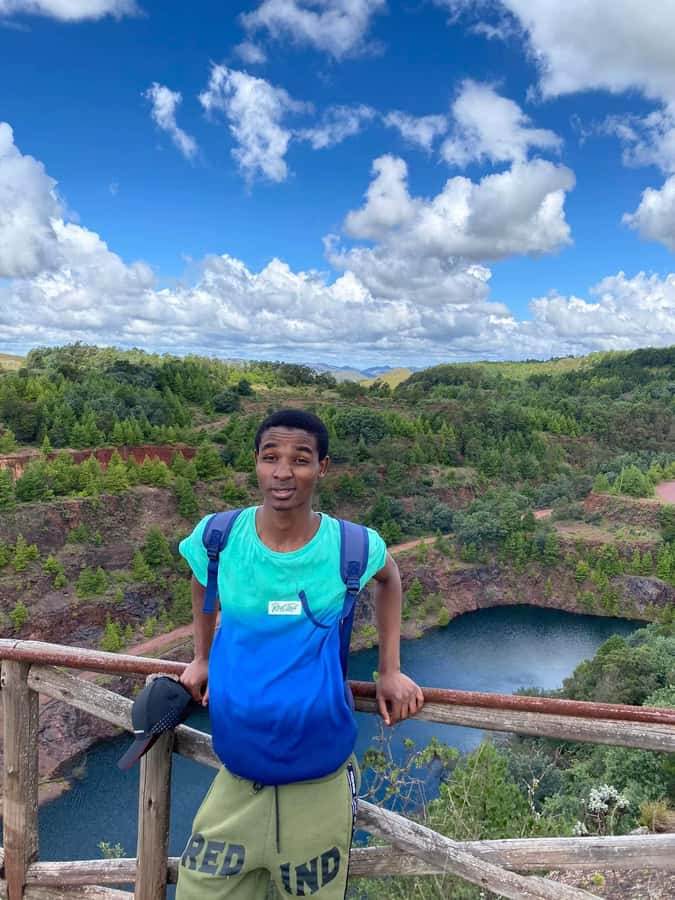
The mountains provide the broad visual reward of the day. After the mining story and the lake’s changing color, you get open views across the hills and valleys. One verified booking described the hike as fairly easy and praised the spectacular views. That combination matters: you get attractive scenery without signing up for a demanding mountain expedition.
A guide who adjusts the day to the people in front of him
The guide can make or break a short tour. Here, Michael Mancoba Masuku receives the strongest praise for his care and flexibility.
His value is not only in knowing the route. He explains ancient and recent developments at Malolotja, then connects the coal, lake, lion cave, and mountain views into one story. That gives the walk more meaning than a series of disconnected stops.
His practical judgment is just as important. When one participant was slightly injured and worried about the hike, Michael suggested using a car and blending driving with walking. That allowed the person to remain part of the day without being pushed through an uncomfortable route.
You should not assume every tour will be changed in exactly the same way, but this example shows a useful attitude. The guide pays attention to the group instead of treating the itinerary as fixed at all costs.
The group size also helps. With no more than 10 participants, you have a better chance to ask questions and hear the guide clearly. A small group can also make it easier to discuss pace and comfort.
Returning to Ngwenya Glass
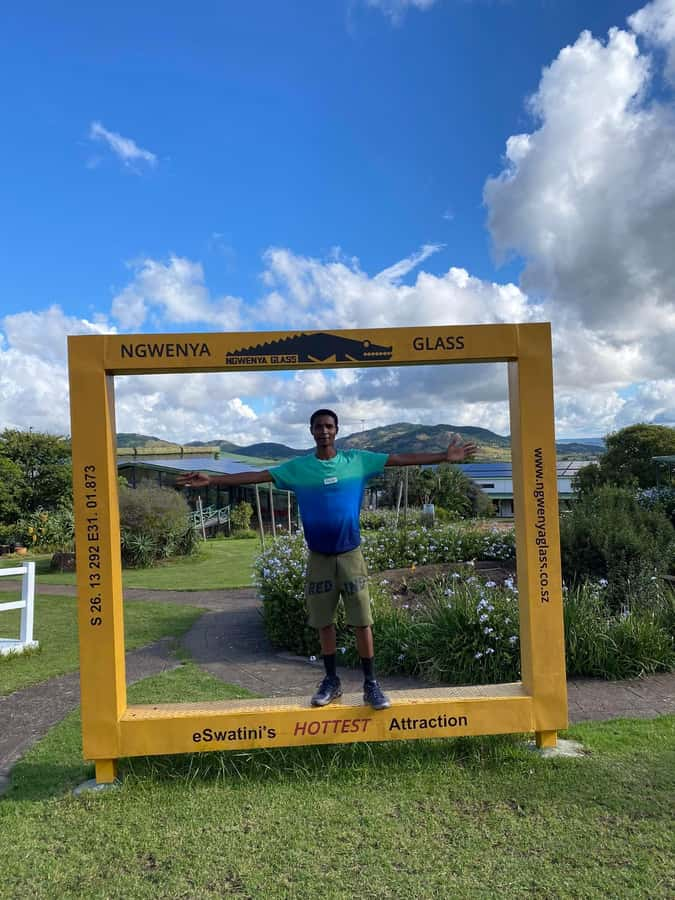
After the hike, you return to Ngwenya Glass. This is more than a convenient place to collect the vehicles. You get the chance to see the glass manufacturing process.
The factory visit gives the day a strong second act. The morning or early part of the tour is about rocks, mining, and open mountain country. The final stop shows skilled production and handmade objects. That contrast is a large part of the outing’s value.
You can watch delicate glass items being made and see a working process rather than simply browsing a shop. The supplied details do not specify the exact length of the factory visit or the demonstrations available, so ask if you need a precise schedule.
I like that the tour ends with a place where you can continue looking and learning at your own pace. After the physical effort of the walk, the glass attraction provides a more relaxed finish. It also makes the tour easier to remember because the day has two very different themes: Malolotja’s natural and mining setting, followed by local glass production.
Who will enjoy this tour most
This outing suits you if you want a short guided walk with more variety than a simple trail. It is a good fit for visitors staying in or near Mbabane who want mountain views without giving up half a day or more.
You will likely enjoy it if you are interested in:
- Local guides and personal stories
- Mining history and unusual rock formations
- Mountain views
- Short, fairly easy hikes
- Small group tours
- Craft and manufacturing visits
- A flexible guide who can adjust the pace
It is less suitable if your main goal is wildlife. It is also not suitable for pregnant women, according to the tour information. Because the route includes walking over rocky ground, you should be comfortable with outdoor terrain and bring proper shoes.
The tour is available in English, and transportation is included. If you need another language, the listed guide language is English only.
Price, flexibility, and practical value
At $110 per person, this is a mid-priced half-day experience rather than a basic park entry. The cost includes transportation and the park entrance fee, which removes two expenses you would otherwise need to arrange yourself.
The small group limit improves the value. You are not paying only for a vehicle transfer. You are paying for a guided route, local interpretation, and the convenience of combining Malolotja with Ngwenya Glass in one outing.
The best value comes when you would otherwise need to arrange transport, find the park entrance, and organize the glass visit separately. If you already have a car and only want to walk independently, the price may be harder to defend.
The booking terms are useful for uncertain schedules. You can cancel up to 24 hours in advance for a full refund, and you can reserve now and pay later. Starting times depend on availability, so check the schedule before you build the rest of your day around it.
My final take: should you book it?
I would book this tour if I wanted an easy-to-moderate introduction to Malolotja with a guide who adds real local context. The strongest reasons are the unusual coal-mining section, the changing lake, the mountain views, and the chance to finish at Ngwenya Glass.
I would not book it as a substitute for a wildlife safari. You are unlikely to see animals, and the tour’s appeal lies in geology, mining, scenery, local stories, and craft production.
For most visitors, the decision comes down to value. If $110 fits your budget and you want a guided half-day with transport, entrance included, and a group capped at 10, this is a well-rounded choice. Bring comfortable shoes, carry your own food and drinks, and allow the guide to shape the pace. Michael’s willingness to adjust the plan may be the difference between simply completing a hike and having a genuinely enjoyable day in Eswatini.
FAQ
Where does the tour meet?
The meeting point is KFC on Sozisa Road in Mbabane.
How long does the Malolotja hiking tour last?
The tour lasts four hours.
How much does the tour cost?
The listed price is $110 per person.
Is transportation included?
Yes. Transportation is included, along with the entrance fee.
What language is the tour conducted in?
The live tour guide speaks English.
How large is the group?
The group is limited to 10 participants.
What should I bring?
You should bring comfortable shoes. Food and drinks are not included, so plan accordingly.
What places are visited during the tour?
The outing includes Ngwenya Glass, Malolotja National Park, a coal mine, coal rocks, a lake that may be blue or brown, the lion cave, and mountain views.
Can I expect to see animals?
Animal sightings are not promised. The tour focuses on the park, mining features, the lake, the lion cave, mountain views, and Ngwenya Glass.
Can I cancel the booking?
You can cancel up to 24 hours in advance for a full refund. The tour also offers a reserve-now-and-pay-later option.
Is the tour suitable for pregnant women?
No. The tour is listed as not suitable for pregnant women.
Just added around the world
- Udawalawa National Park Day Tour★ 4.5 · 5 reviews
- Udawalawa National Park Safari Day Tour★ 5.0 · 12 reviews
- Two day Kruger National Park Safari from Johannesburg★ 5.0 · 19 reviews
- Guided Wilderness Mindfulness Experience with Nature Meditation★ 5.0 · 3 reviews
- 1 Day tour to Yala National Park or Udawalawe National Park★ 4.5 · 3 reviews
- Bathongo Rhino & lion park nature reserve tour★ 5.0 · 3 reviews
- Safari Pilanesberg Nature Reserve & Monkey Sanctuary★ 5.0 · 6 reviews
- Pilanesberg National Park Safari, BIG 5 Full Day★ 5.0 · 4 reviews
Park Hiking and Trekking Tours, compared.
San Francisco: Yosemite National Park & Giant Sequoias Hike
Read our review →
Skaftafell National Park: Falljokull Glacier Easy Hike
Read our review →
Skaftafell National Park: Falljokull Glacier Advanced Hike
Read our review →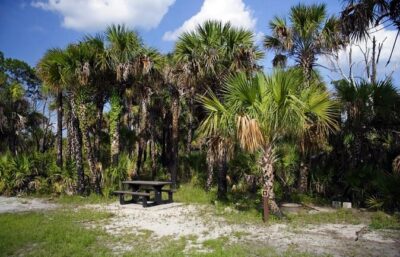
Everglades National Park Biologist Led Adventure: Cruise, Hike + Airboat
Read our review →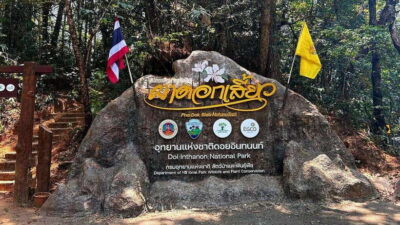
Chiang Mai: Doi Inthanon National Park and Pha Dok Siew Trek
Read our review →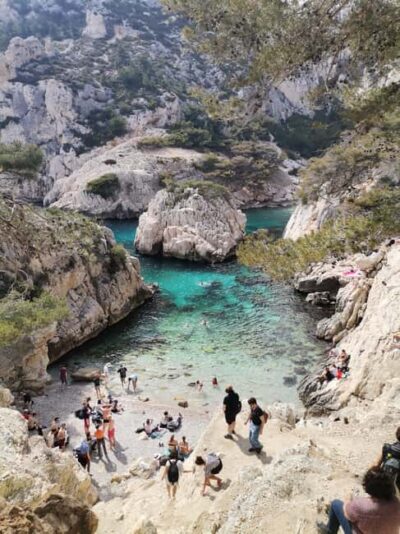
Marseille: Calanques National Park Guided Hike with Picnic
Read our review →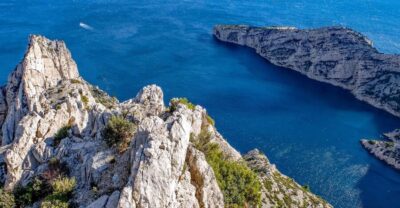
From Marseille: Calanques National Park Guided Hike
Read our review →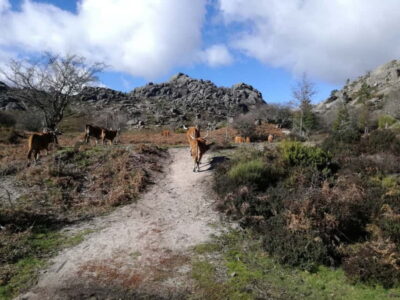
Browse the lists this tour appears in