
REVIEW · THAILAND
Pa Pong Piang Rice Terraces & Doi Inthanon National Park
Rice terraces worth the mountain road. This full-day private outing pairs Pa Pong Piang’s seasonal rice fields with Doi Inthanon’s summit, forest trail, waterfalls, hill communities, and royal pagodas. I like the mix of scenery and local life, plus the ease of a private air-conditioned car, lunch, water, entrance fees, and an English-speaking guide. The main catch is timing: the terraces are at their greenest from July to mid-October, while the $147 price can feel high outside the best rice season.
A second strong point is the guide service. Bird is praised for his friendly manner, careful driving, and clear explanations, while Austin is noted for shaping the day around the interests of his group. You get about nine and a half hours on the road, so expect a long day, and bring a jacket for the cold, humid summit.
Key points to know before booking
- Pa Pong Piang changes color with the calendar: green rice usually runs from July to mid-October, golden fields follow, and harvesting generally takes place in November.
- Doi Inthanon reaches 2,565 meters: the highest point in Thailand is cool and damp throughout the year, a sharp change from Chiang Mai.
- The tour is private: you ride in an air-conditioned car with an English-speaking guide rather than joining a large shared group.
- The rice terraces are a walking stop: comfortable shoes and long pants make the uneven rural setting easier to enjoy.
- Several major sights fit into one day: Wachirathan Waterfall, Ban Mae Klang Luang, Ang Ka trail, and the King and Queen’s pagodas are all included.
- Pickup has a geographic limit: hotel pickup is included in central Chiang Mai and within five kilometers of downtown, with an extra transport charge farther out.
Why Pa Pong Piang makes this day special
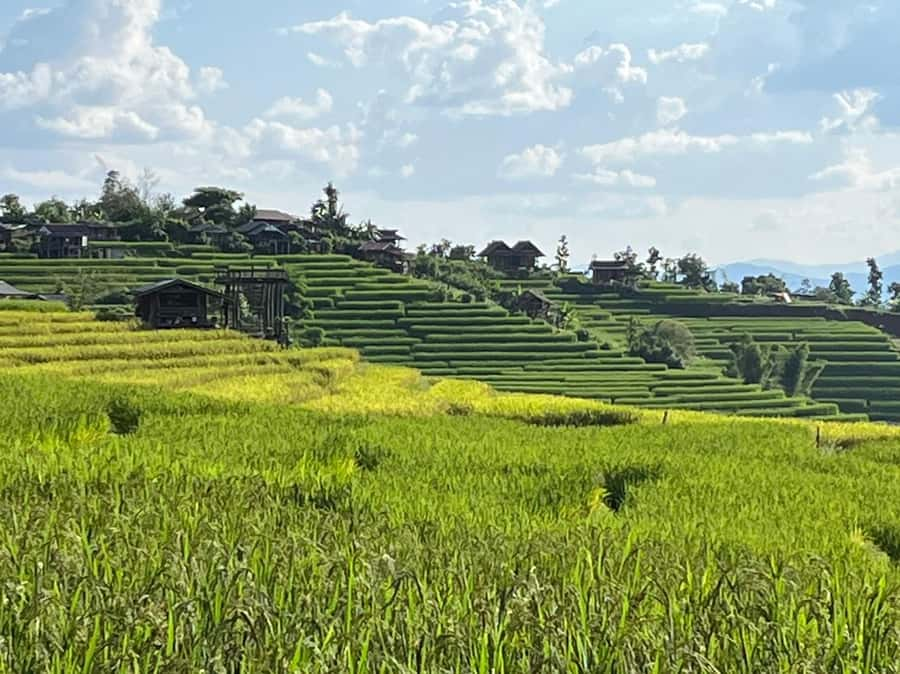
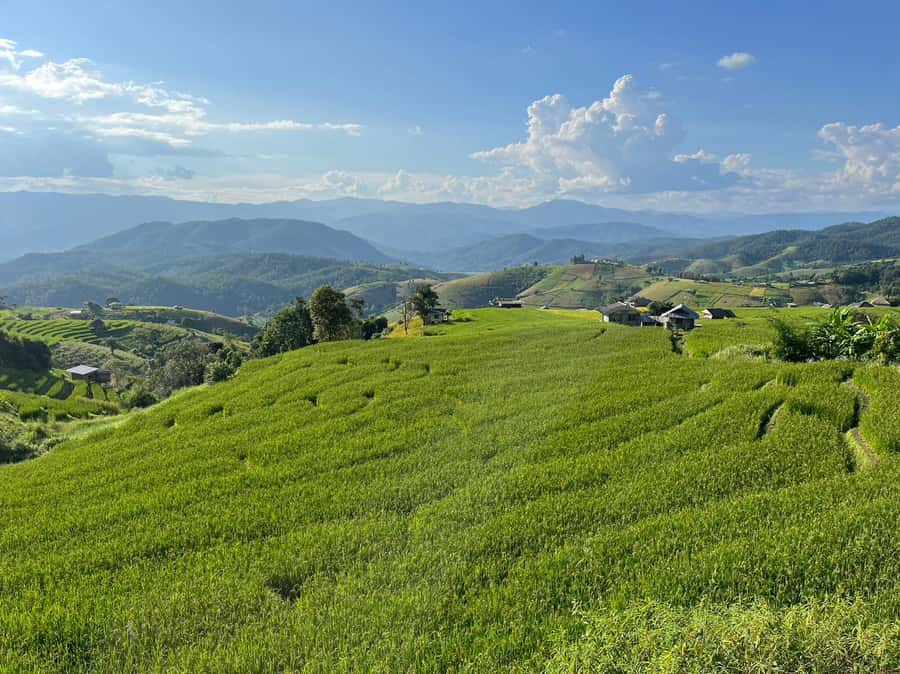
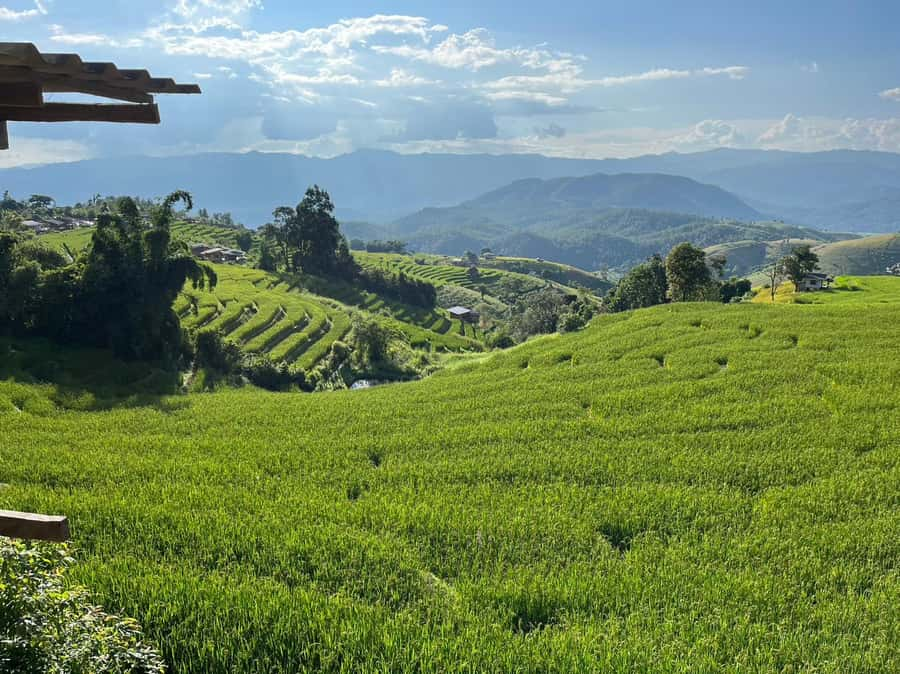
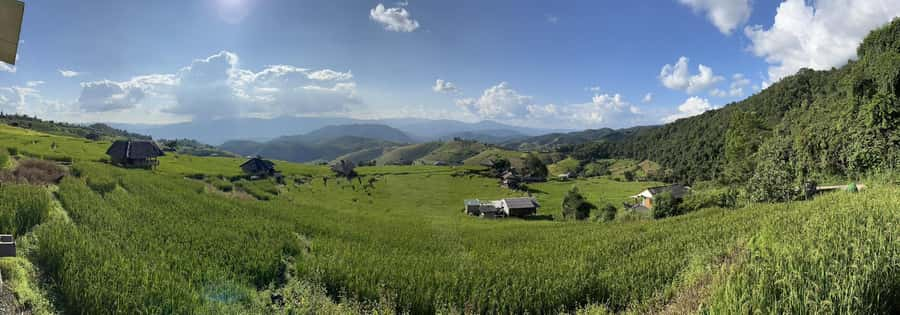
Pa Pong Piang is the heart of the trip. The terraces sit in a small mountain hamlet within Doi Inthanon National Park, far removed from Chiang Mai’s city streets. Rice paddies climb and fold through the hills, creating the kind of view that rewards a slow walk and a little patience.
The timing matters more here than on most sightseeing trips. From early or mid-July through late October and early November, the rice grows through several distinct stages. In July to mid-October, the plants are long and green. Later, they turn a warm golden color before the November harvest.
If your main goal is bright green rice, book between July and mid-October. If you prefer gold fields, late October or early November may suit you better. Outside the growing period, the terraces can still be attractive, but the main visual reason for the long drive is less certain. One Italian booking described the price as harder to justify outside the ideal rice season, and that is fair advice.
You should also expect a rural setting rather than a polished attraction. The appeal is the hamlet, the hillside farming, and the view across working rice fields. The information provided does not promise extensive facilities, so wear shoes that can handle a simple walk and avoid treating this as a quick roadside photo stop.
More Doi Inthanon National Park Tours in Chiang Mai:
- Chiang Mai: Doi Inthanon National Park Eco-Friendly Tour
★ 4.6 · 6,667 reviews - Doi Inthanon Waterfall and Royal Project Chiang Mai
★ 5.0 · 1,735 reviews - Chiang Mai: Doi Inthanon National Park and Pha Dok Siew Trek
★ 4.5 · 527 reviews
The mountain route from Chiang Mai
The day begins with pickup from your accommodation in Chiang Mai. The included pickup area covers downtown and locations within five kilometers of downtown. If you stay farther away, you pay extra for transportation, so check that point before booking.
A private air-conditioned car is a real advantage on a 570-minute outing. You have a place to cool down between stops, and the guide can adjust the pace more easily than on a large group tour. The flexible hours also help, although the exact start time depends on availability.
The private format is especially useful if you care more about rice conditions, coffee, forest scenery, or photography. You are not tied to the interests of a busload of strangers. On the other hand, a private tour means the $147 per-person price needs to work for your group size and priorities. For a couple or small group wanting several major stops in one day, the included transport and entrance fee add real value. For someone interested only in the terraces, it may feel expensive.
The operator reports a 94 percent perfect score for transport, and the overall rating is 4.8 from 32 bookings. The strongest praise centers on the people behind the wheel and the guiding. Bird is described as attentive, friendly, and careful, with excellent English and a strong grasp of local history and the park. Austin is praised for giving his group both useful explanations and room to explore independently.
Walking Pa Pong Piang’s green or golden fields
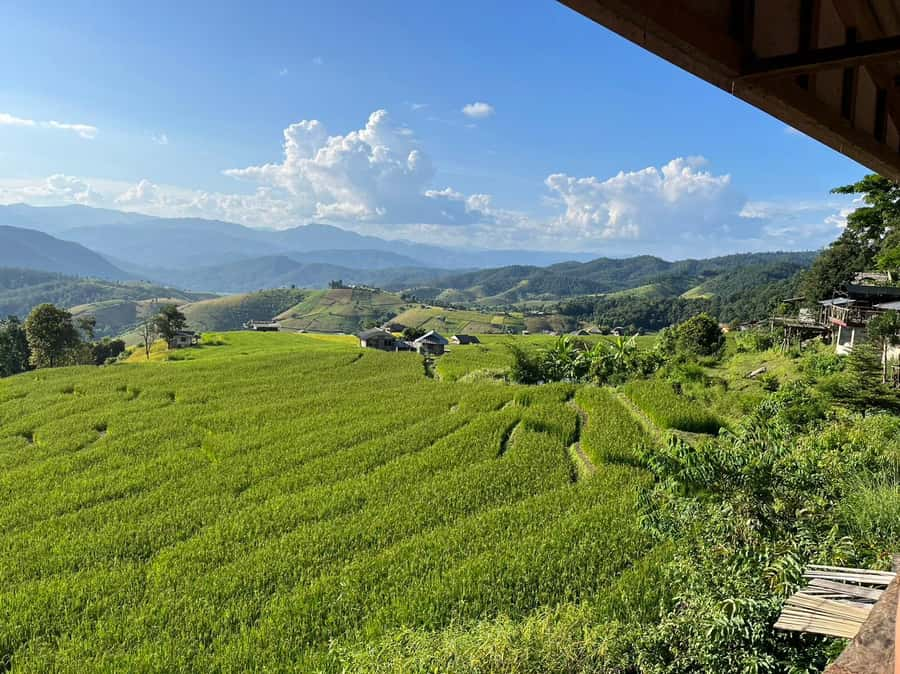
At Pa Pong Piang, the point is not to rush from the car to a single viewpoint. You are visiting a small mountain settlement and its terraces, so allow yourself time to look at how the paddies follow the slopes.
In the green season, the plants reach their full length and create a vivid view across the hills. The fields are most likely to match the classic photographs from July through mid-October. Late in the season, the color changes to gold, giving the scene a different character before harvest.
The tour description calls these the most beautiful rice terraces in Thailand. That is a strong claim, but the setting explains why it has such appeal: a highland hamlet, layered paddies, and a mountain setting within the national park. You should keep your expectations practical. The weather and growing stage control the view, and no tour can guarantee a particular shade of green.
Comfortable shoes are important. You are expected to walk around the fields, and long pants are recommended. The experience is not suitable for wheelchair users, so anyone with mobility limits should ask detailed questions before reserving.
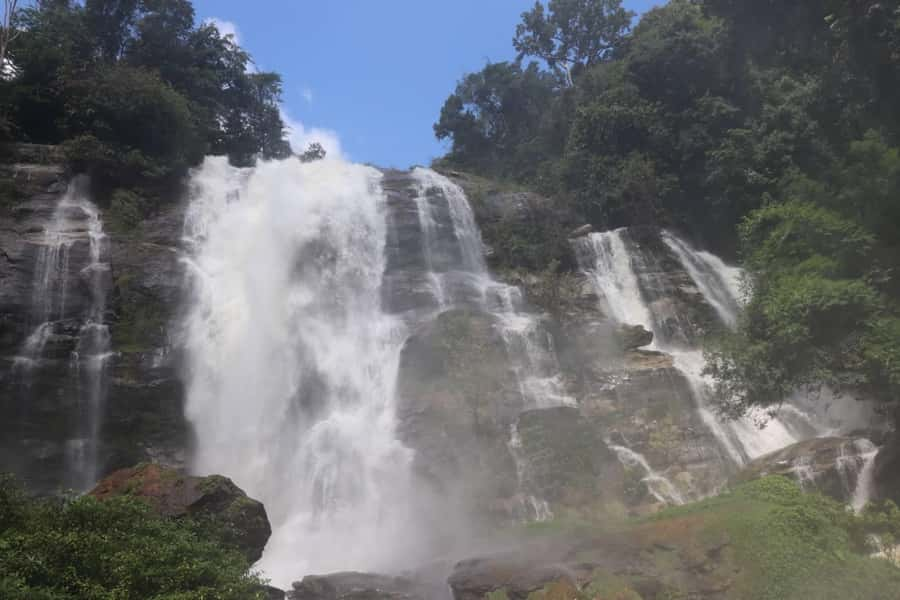
Wachirathan Waterfall and the sound of the park
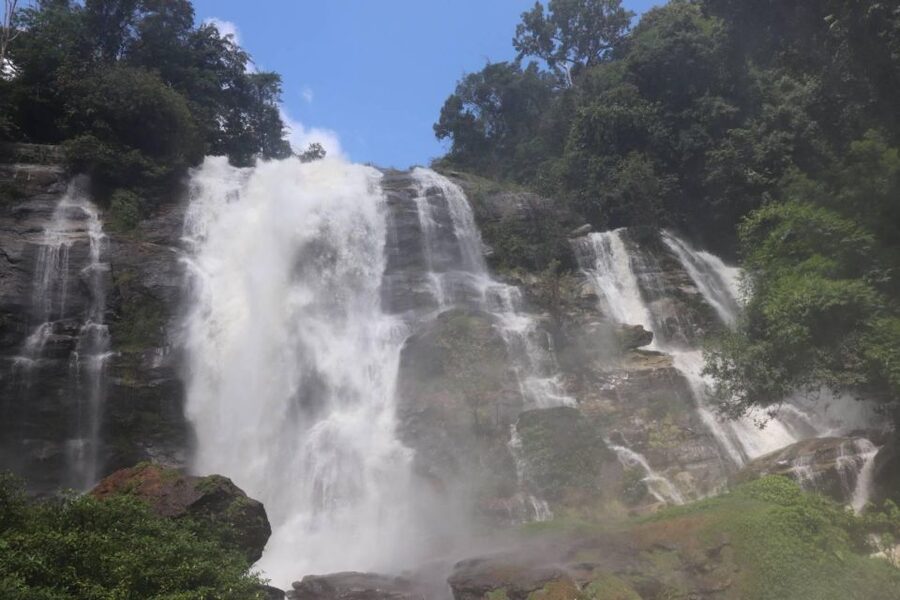
Wachirathan Waterfall gives the day a welcome change of pace after the rice terraces. Instead of wide farmland views, you get a powerful natural feature within Doi Inthanon National Park.
The waterfall is described as one of Thailand’s beautiful waterfalls, and it is one of the day’s main scenic stops. You can expect time for sightseeing and photographs, though the supplied details do not specify a walking distance or how long you remain there.
This stop also helps balance the schedule. Pa Pong Piang is tied to agriculture and the rice calendar. Wachirathan brings you back to the park’s forest and water. If you are choosing this tour for variety, that contrast is one of its strengths.
A few more park trips around Chiang Mai worth a look
- Doi Inthanon National Park, Waterfall & Royal Project Day Tour From Chiang Mai
★ 4.5 · 352 reviews - Chiang Mai: Doi Inthanon National Park, Waterfall & Lunch
★ 4.4 · 301 reviews - Doi Inthanon National Park Eco-Friendly Full Day Tour
★ 4.5 · 248 reviews - Doi inthanon National Park + 2Hour Fantastic Trekking with Lunch
★ 4.5 · 233 reviews
Ban Mae Klang Luang, Karen culture, and local coffee
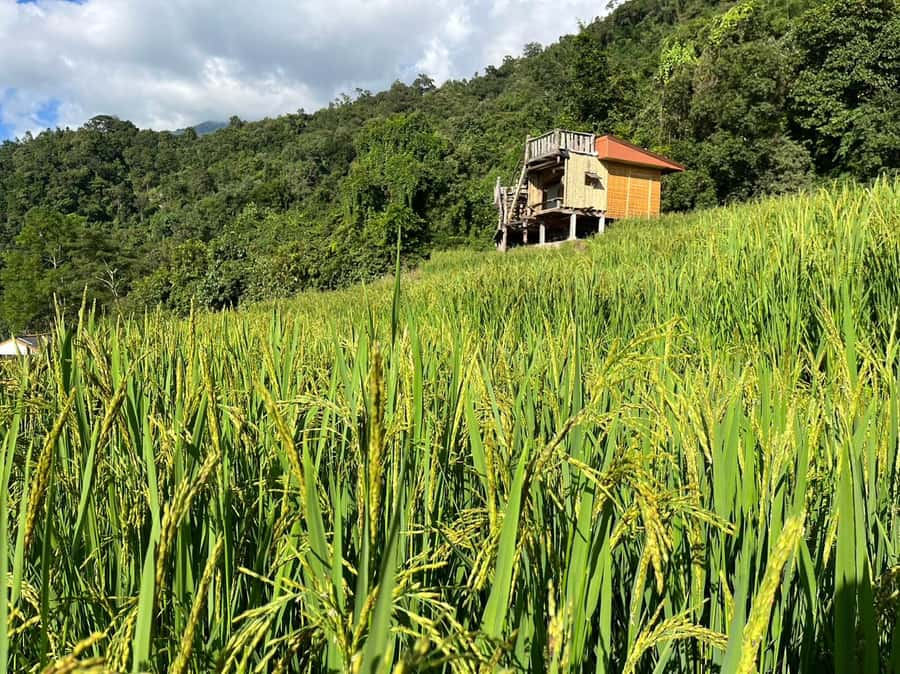
The visit to Ban Mae Klang Luang adds a human side to the mountain scenery. Here you meet White Karen hill-tribe communities and see terrace rice fields at Ban Mae Klang Luang.
Rice conditions depend on the season, so the paddies may not look the same as they do at Pa Pong Piang. That is not a flaw, but it is another reason to plan around the agricultural calendar if rice is your priority.
A cup of freshly ground coffee made from locally grown beans is included in the experience at this stop. It is a small detail, but a good one. You are not simply passing through for a photograph. The coffee gives you a direct connection to a local product and a chance to pause before lunch and the higher parts of the park.
The phrase White Karen is used in the tour details, and the stop is presented as a visit to the community and fields. You should approach it with respect and let the guide explain the setting rather than treating the people as part of a display. The available information does not state exactly what cultural activities or demonstrations take place, so do not book this expecting a formal village performance.
Thailand’s highest point at 2,565 meters
Doi Inthanon’s highest point rises to 2,565 meters above sea level. That altitude changes the feel of the day. The park is humid and cold at the summit all year round, even when Chiang Mai is warm.
Bring a jacket. This is not optional advice if you dislike being cold, since the tour specifically warns of low temperatures and humidity. Long pants also fit the conditions and are already recommended for the rice-field walk.
The summit stop is short in physical distance but important in the overall story of the park. You are moving from working terraces and village coffee to Thailand’s highest mountain point. The visit is more about the setting and the marker of altitude than about a strenuous climb.
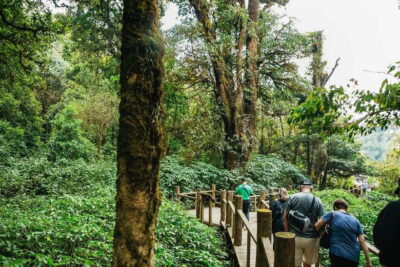
Next comes the Ang Ka trail, a walk of about 25 minutes through lush green forest. The short length makes it manageable for many visitors who want a taste of the high-elevation forest without committing to a long hike. Still, comfortable shoes matter, and wet conditions may make any forest path feel less simple.
The description promises beautiful views and forest scenery, but it does not give a trail difficulty rating or detailed surface information. Keep your pace sensible and follow the guide’s lead.
The King and Queen’s pagodas
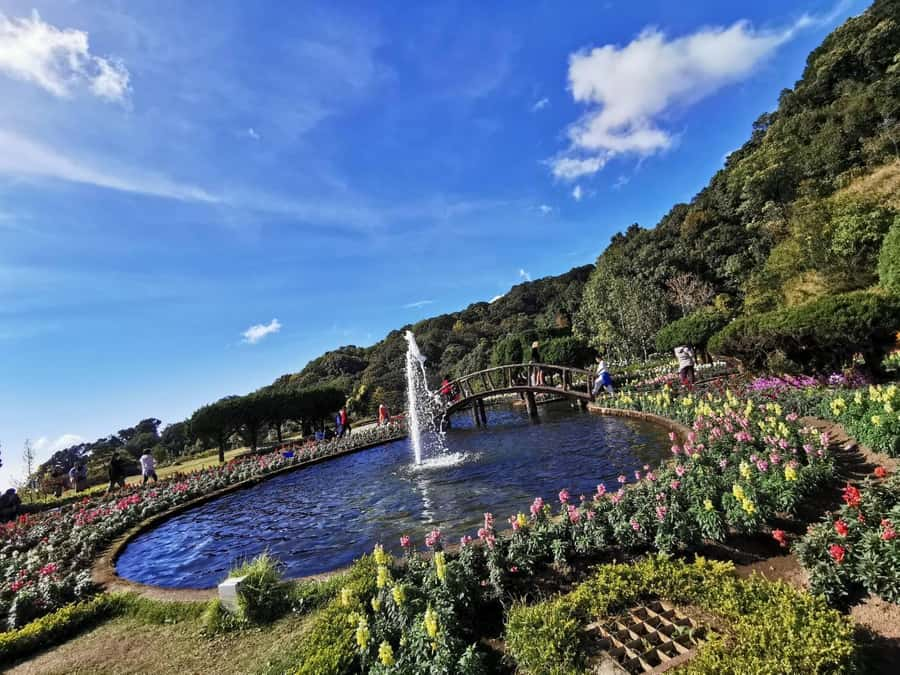
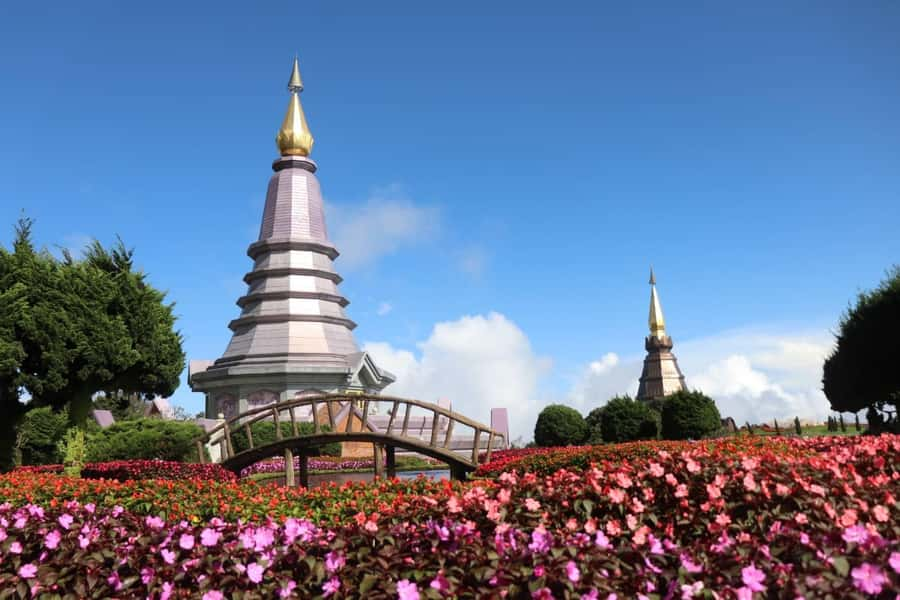
The King and Queen’s pagodas, formally listed as Phra Mahathat Naphamethanidon, provide another change in scenery. The visit includes walking, views, and pleasant gardens.
These pagodas are a useful late-day stop because the gardens and open views give you something different from the forest and fields. The setting also makes a good contrast with the highest-point marker. One tells you how high you are, while the pagodas give you broad views and carefully arranged grounds.
The tour information does not identify how long you spend here, so the exact pace will depend on traffic, weather, and your guide. If you want photographs, tell your guide early. A private group makes that request easier than a fixed coach schedule.
What the $147 price really covers
At $147 per person, this is not a budget day trip. The value comes from how many costs are bundled together:
- Private air-conditioned car and hotel drop-off
- English-speaking guide
- National park entrance fee
- Lunch
- Drinking water
- Accident insurance
You are paying for a long private route from Chiang Mai, not just entry to one attraction. The car, guide, lunch, and park admission remove several separate decisions from your day. If you want to combine the terraces, waterfall, Karen community, summit, forest trail, and pagodas without arranging transport yourself, the package is easier to justify.
The price is less convincing if you travel during a period when the rice fields are bare or between major stages. The tour still includes the park, waterfall, summit, pagodas, and village stop, but Pa Pong Piang is the signature sight. I would compare the cost against the season before booking.
Personal expenses are not included. The description does not list extra fees beyond that category, so bring money for anything personal you choose to buy.
Who will enjoy this private day
I would recommend this tour to you if you want a broad introduction to Doi Inthanon and do not want to organize several separate stops. It suits couples, families, and small private groups who value a dedicated car and guide.
It is also a good fit if your interests are mixed. You get rice farming, a hill community, coffee, a waterfall, forest, mountain altitude, gardens, and religious architecture in one long day.
The tour may not suit you if you want a slow, single-focus visit to the terraces. The schedule covers a lot, and the 570-minute duration means substantial time on the road. It is also a poor match for wheelchair users, and anyone wanting the greenest rice should avoid treating the season as a minor detail.
A jacket, comfortable shoes, long pants, and drinking water are sensible basics. Water is included, but your own clothing choices will make a bigger difference to comfort at the summit and on the field walk.
Should you book the Pa Pong Piang tour?
Book it if you can travel during the green rice season, want a private vehicle, and like the idea of combining rural Thailand with Doi Inthanon’s major sights. July to mid-October gives you the best chance of seeing the terraces at their longest and greenest. Late October and early November offer golden fields before harvest.
The guide service is a major reason to choose this outing. Bird receives especially warm praise for his care, friendliness, driving, and English, while Austin is noted for giving people both information and personal space. Those qualities matter on a long mountain day.
I would hesitate only if your dates fall well outside the rice season or if $147 feels too high for a day that includes plenty of driving. For the right season and a small private group, the mix of terraces, waterfall, village coffee, summit forest, and pagodas makes this one of the more varied day trips from Chiang Mai.
FAQ
How long does the tour last?
The experience lasts 570 minutes, or about nine and a half hours, including pickup from Chiang Mai and return to the city.
Where is pickup available?
Pickup is included from hotels in Chiang Mai downtown and within five kilometers of downtown. Locations farther than five kilometers from downtown require an additional transportation payment.
When are the Pa Pong Piang rice terraces green?
The rice plants are generally at their fullest and greenest from July to mid-October. They usually turn golden afterward and are harvested in November.
Can I see golden rice fields instead of green ones?
Yes. After the green period, the rice generally changes to a golden color before the November harvest. Exact field conditions depend on the season.
Is the tour private?
Yes. It is arranged as a private group with an air-conditioned car and an English-speaking live guide.
What is included in the price?
The price includes accommodation pickup and drop-off within the stated area, private air-conditioned transportation, entrance fees, lunch, drinking water, an English-speaking guide, and accident insurance.
What should I bring?
Bring comfortable shoes, a jacket, and long pants. The summit area is humid and cold throughout the year, and the tour includes walking at the rice fields and on the Ang Ka trail.
Is the tour suitable for wheelchair users?
No. The experience is listed as not suitable for wheelchair users.
Just added around Chiang Mai
- 2- Days in Doi Inthanon National Park★ 4.5 · 8 reviews
- Doi Inthanon National Park including Lunch from Chiang Mai★ 4.0 · 4 reviews
- Pha Dok Siew Nature Trail & Doi Inthanon National Park From Chiang Mai★ 4.0 · 23 reviews
- The Best One Day Trip Of Doi Inthanon National Park★ 5.0 · 8 reviews
- One Day Inthanon National Park (Private Tour)★ 5.0 · 3 reviews
- One day Doi Inthanon National Park & Trekking on Kew Mae Pan★ 5.0 · 12 reviews
- Private Tour to Chiang Mai Rice Terraces and National Park★ 5.0 · 4 reviews
- Full Day Doi Inthanon National Park Tour( Joint)★ 4.5 · 4 reviews
Doi Inthanon National Park Tours, compared.
Chiang Mai: Doi Inthanon National Park Eco-Friendly Tour
Read our review →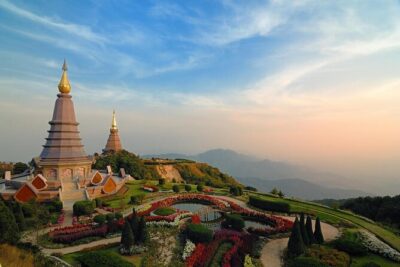
Doi Inthanon Waterfall and Royal Project Chiang Mai
Read our review →
Chiang Mai: Doi Inthanon National Park and Pha Dok Siew Trek
Read our review →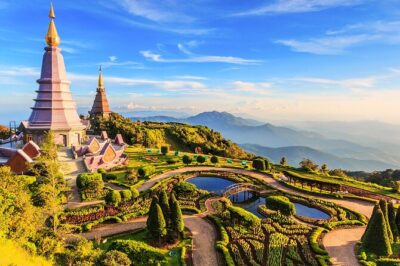
Doi Inthanon National Park, Waterfall & Royal Project Day Tour From Chiang Mai
Read our review →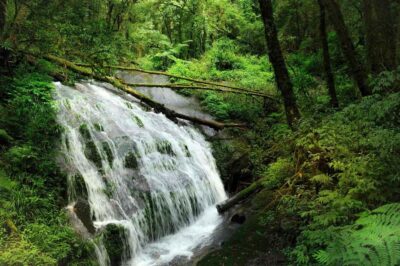
Chiang Mai: Doi Inthanon National Park, Waterfall & Lunch
Read our review →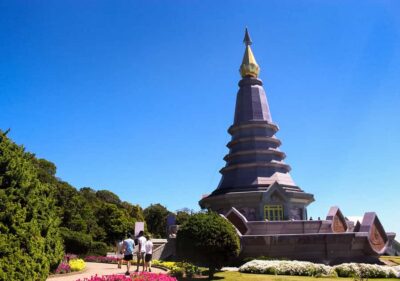
Chiang Mai: Doi Inthanon National Park with Ticket & Lunch
Read our review →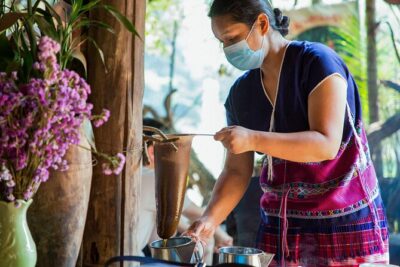
Doi Inthanon National Park Eco-Friendly Full Day Tour
Read our review →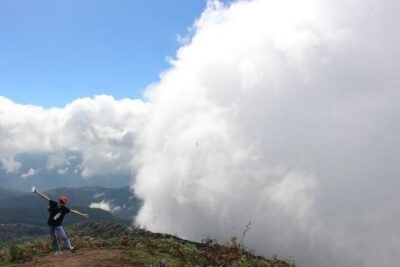
Doi inthanon National Park + 2Hour Fantastic Trekking with Lunch
Read our review →Browse the lists this tour appears in