
REVIEW · THAILAND
Phuket: Elephant Nature Reserve Entry Ticket and Guided Tour
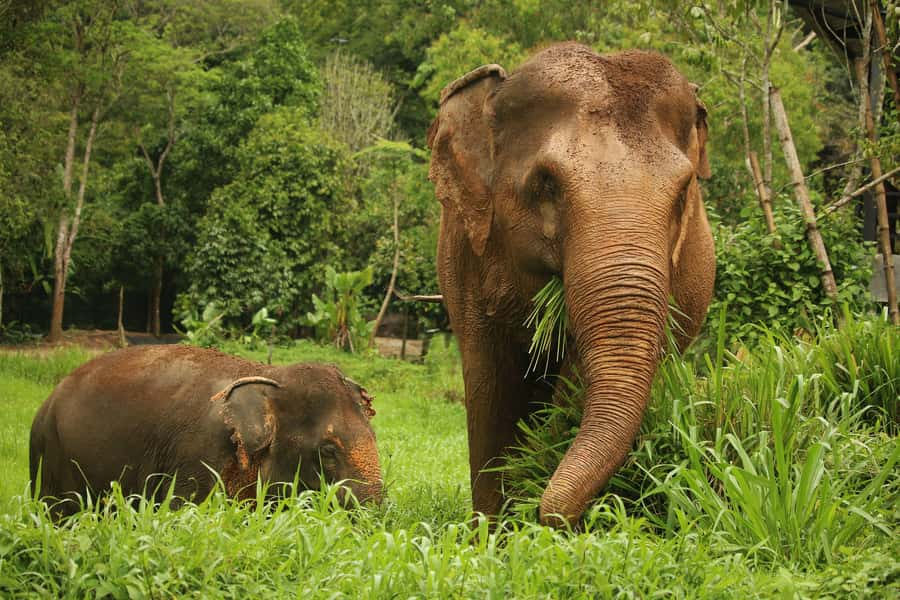
Elephants deserve better than a circus trick. Phuket Elephant Nature Reserve offers a short, thoughtful visit built around rescued elephants, careful observation, food preparation, and an English-speaking guide who explains how the animals are treated. I like the reserve’s refusal to offer riding, bathing, or forced contact. I also like that your ticket supports a place where the elephants can follow their own routines rather than perform for visitors.
The main tradeoff is simple: this is not a hands-on animal encounter. You may prepare food and watch the elephants eat, but touching, bathing, and riding are not part of the visit. That can feel less exciting if you expect a classic elephant attraction, but it is exactly what makes the experience appealing to anyone who wants a low-stress encounter.
- Food preparation is part of the visit: You help prepare fruit and vegetables before the elephants eat.
- No riding or bathing: The reserve keeps the focus on observation and animal welfare.
- Rescued elephants roam freely: You see them moving around a forested sanctuary rather than performing.
- Guides add personal detail: Guides introduce individual elephants, their personalities, and rescue backgrounds.
- The 90-minute format works well: It includes a briefing, food preparation, feeding, and jungle observation without taking half a day.
- On-site refreshments help: You can stop at the cafe before or after the tour for a drink or snack.
What the $37 Ticket Actually Buys You
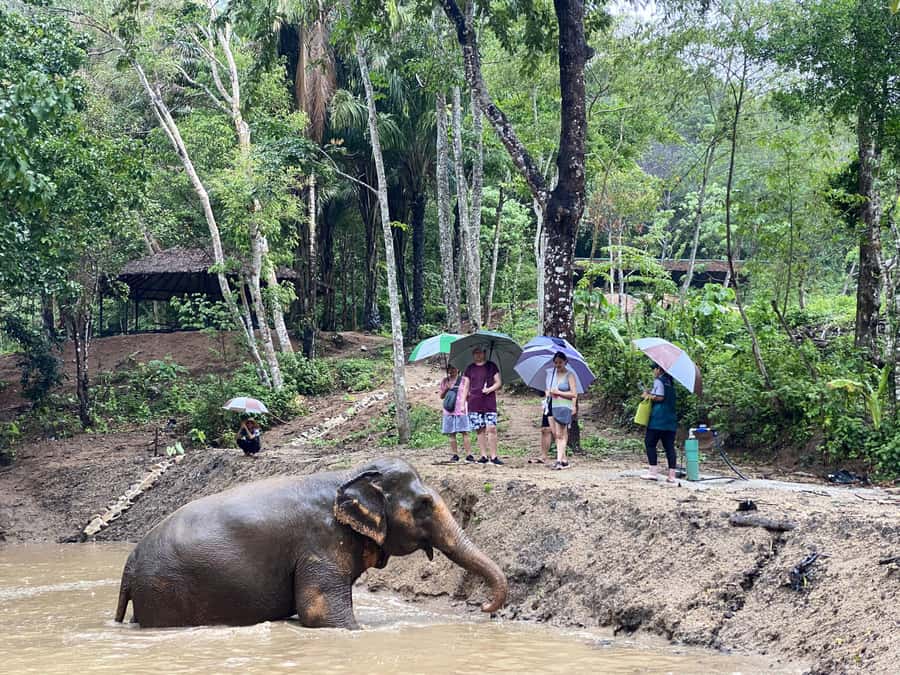
The entry ticket costs $37 per person and includes access to Phuket Elephant Nature Reserve, an English-speaking guide, and the elephant meeting and feeding activity. Transportation, food, and drinks are not included, so you make your own way to the reserve.
For the price, I see the value in the combination of education and animal care. You are not paying for a quick photo with an elephant and a string of staged activities. Your visit helps support a reserve that presents the animals as rescued creatures with individual needs, not as props.
The short duration also matters. At 1.5 hours, this fits neatly into a Phuket morning or afternoon. Families can see how the children cope with the heat and attention span before committing to a longer outing. Couples and solo visitors get a focused experience without spending an entire day at a sanctuary.
The ticket is less attractive if you want transport, a meal, or a full-day program bundled into one price. You need to arrange your own route to the reserve, and you should budget separately for refreshments. Still, the price is reasonable for a guided visit centered on responsible care.
Free cancellation is available up to 24 hours before the activity for a full refund. You can also reserve now and pay later, which helps if your Phuket schedule is still shifting.
Meeting the Guide Beside Hug Me Cafe
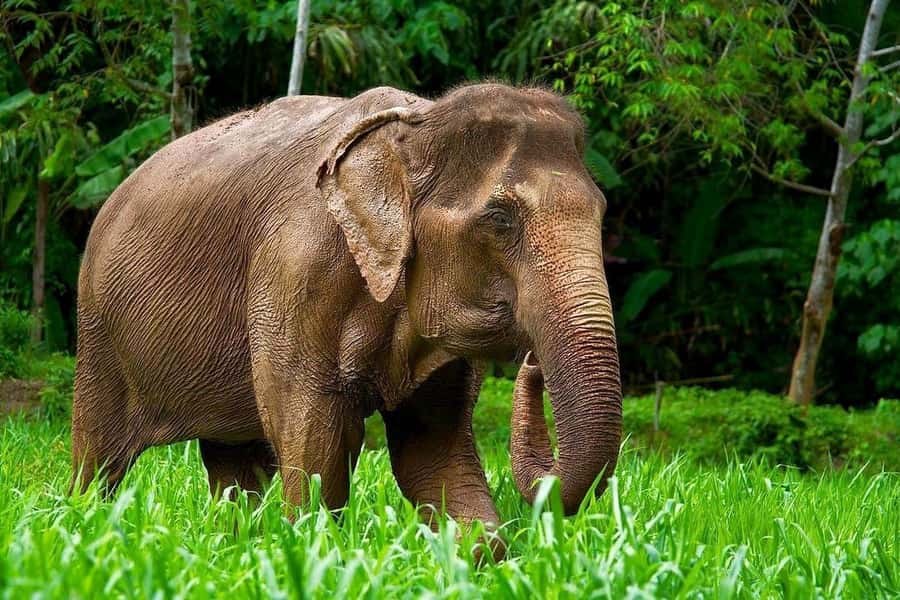
The activity begins at Phuket Elephant Nature Reserve, next to Hug Me Cafe. This detail is useful because you do not need to search the whole property for a reception desk or wait at a random roadside point. Look for your guide near the cafe, where the tour also ends.
Arrive ready for outdoor time. Comfortable shoes, a hat, and sunscreen are the right kit. The reserve includes jungle paths and outdoor observation areas, so sandals that slip or shoes you do not want to get dusty are poor choices.
The guide starts with a briefing and introduction. This is more than a formality. You learn how to behave around the elephants, why the reserve avoids direct handling, and what to expect during the visit. The safety guidance also explains why the animals need space, even when they appear calm.
Guide quality is a major strength here. Guides such as Tom and Mike have been praised for friendly, clear explanations, while another guide was noted for using a little humor and even a few words in multiple languages. Names and personalities of individual elephants are part of the storytelling, which makes the animals easier to understand as distinct characters rather than one large group.
More Wildlife and Elephant Encounters in Thailand:
- Hua Hin: Kui Buri National Park Wild Elephant Watching
★ 4.4 · 139 reviews - Phuket Elephant Nature Reserve Ethical Sanctuary
★ 5.0 · 50 reviews - Miami: Everglades National Park Airboat Tour & Wildlife Show
★ 4.5 · 7,296 reviews
Preparing Food Before the Elephants Arrive
One of the most rewarding parts of the visit is the preparation of elephant food. You may chop or arrange fruit and vegetables before the food is offered. It sounds modest, but this task changes the pace of the experience. Instead of simply arriving, taking pictures, and leaving, you take part in one practical part of the elephants’ daily care.
The reserve uses the food activity to explain health and safety. Guides can discuss how the food is prepared and how the elephants eat. You may notice differences between a young elephant and an adult, including how they handle food and how quickly they finish.
The feeding itself needs a small clarification. The activity includes meeting and feeding the elephants, but the reviews describe food being placed on a tray or spread out buffet-style rather than visitors hand-feeding every animal. One review also noted that feeding happens only if an elephant chooses to do so.
That distinction is important. You are involved, but the elephant controls the interaction. If an animal wanders away, you do not call it back or pressure it to return. This is a calmer arrangement than a setup where an elephant must stand in a fixed position while a queue of people feeds it.
The food preparation also gives you something meaningful to photograph. You can capture the prepared meal, the elephants approaching it, and their different eating habits. The best pictures here are likely to show natural behavior rather than a posed embrace.
Watching Rescued Elephants on Their Own Terms
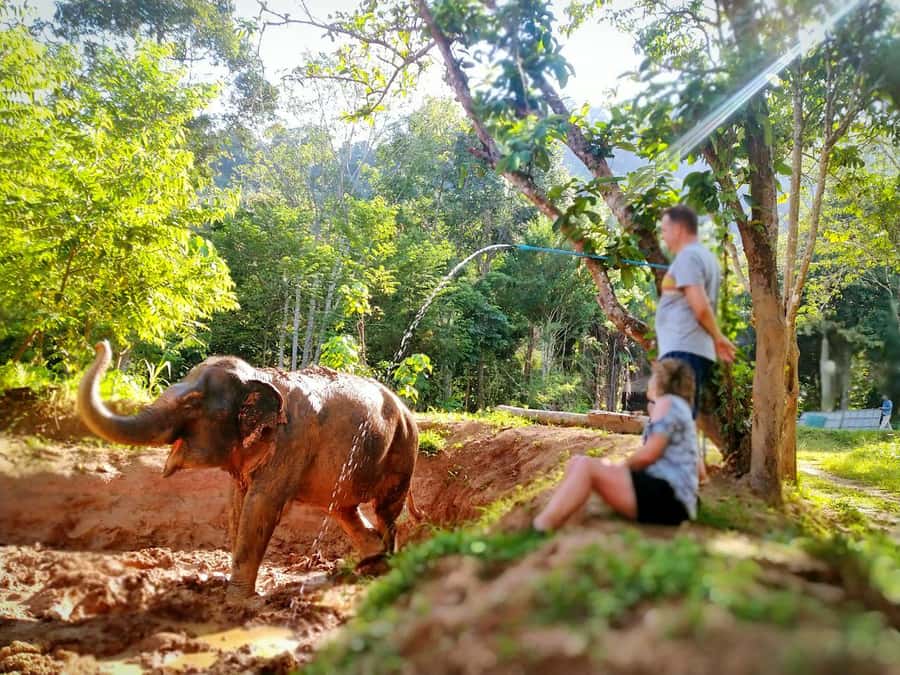
After the introduction and food activity, you move into elephant observation. The reserve’s elephants can walk within the sanctuary, and the tour may take you along tracks near the animals. You can see natural water ponds and other features of the jungle setting.
The distance is part of the experience. The elephants may come fairly close, but you are not expected to touch them. Staff help maintain a safe space between the animals and the group. Some visitors may find this frustrating at first, especially if they arrived hoping for a close-up selfie, but the distance is a sign that the encounter is not being forced.
The reserve’s approach rejects riding, bathing, and chains as tourist activities. The guides explain that these practices can distress elephants. You also should not expect the animals to perform tricks or repeat a behavior for the camera.
This makes the visit slower and less predictable than a show. An elephant might pause, eat, walk away, or ignore the group entirely. That is not a failure of the tour. It is the point. You are observing an animal with room to make its own choices.
You may see several elephants during the 90 minutes. One visit included four female elephants, including a baby. Another described meeting a newly rescued baby from a circus. The exact animals will depend on the day, so do not book expecting a specific elephant, but the guide may introduce you to individual animals and share how they came to the reserve.
Why the No-Touch Policy Matters
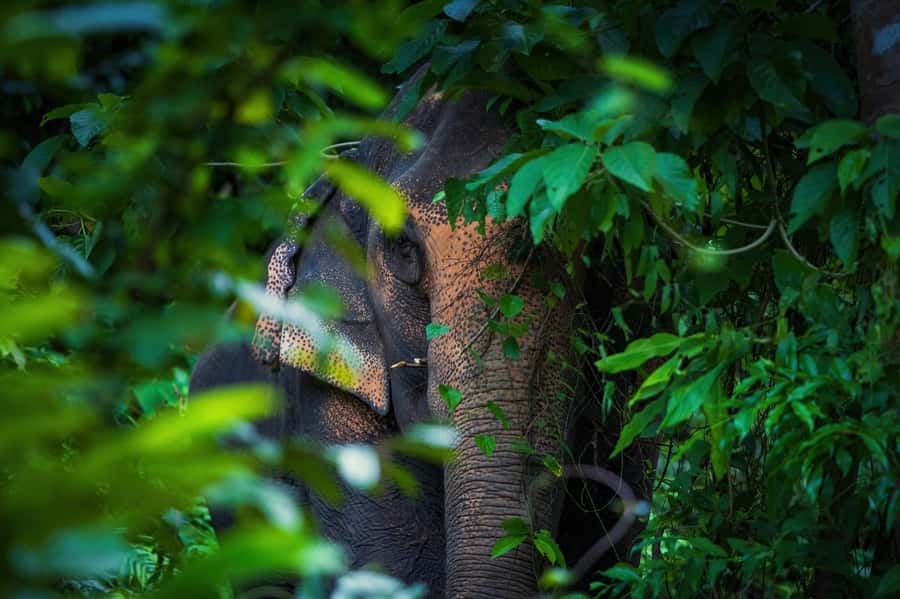
The strongest reason to choose this experience is its clear boundary: no riding, no bathing, and generally no touching. The reserve does not dress up forced contact as a friendly bonding activity.
Many elephant attractions use bathing or close handling to create an exciting photo opportunity. Here, the guide explains why the reserve avoids those activities. Elephants may appear gentle, but they are powerful animals with their own stress signals and personal limits. Keeping people at a respectful distance gives the elephants more control.
The policy may surprise children who expect to wash an elephant or stand beside one for a posed picture. Explain this before you arrive. The reward is a better lesson: caring for wildlife does not always mean touching it.
There is a slight inconsistency in the wording used by different descriptions of the activity. The main program says you feed the elephants, while several detailed accounts describe no hand feeding and food placed on a tray. Plan on preparing and offering food under staff direction, not reaching out with food in your hand.
That arrangement also makes the tour suitable for people who want a more responsible encounter but do not feel comfortable handling a large animal.
More Entry Tickets in Thailand:
- Khao Yai National Park Full-Day From Bangkok – Including Ticket
★ 4.5 · 523 reviews - Chiang Mai: Doi Inthanon National Park with Ticket & Lunch
★ 4.7 · 251 reviews - Krka National Park – All Sites – Entry ticket
★ 4.3 · 1,098 reviews - Plitvice Lakes National Park Admission Ticket
★ 4.0 · 832 reviews
A Cafe Stop With a View of the Sanctuary
The activity ends back at the meeting point near Hug Me Cafe. Food and drinks are not included in the ticket, but the cafe gives you a convenient place to buy a cool drink or snack before or after the tour.
This is more useful than it may sound. Phuket’s heat can make outdoor activities tiring, especially for children. Some families arrived early for a drink and snack, then returned to the cafe afterward for another refreshment. Prices at the on-site shop were described as fair, and an ice lolly made a welcome finish for one family.
You may also be able to see elephants from the cafe area. That lets you keep watching without crowding the animals or extending the formal tour. It is a pleasant way to slow down after the guide has finished.
The cafe does not turn the visit into a full meal outing. Think of it as a practical pause, not a replacement for lunch. Bring or buy what you need, since food and drinks are your responsibility.
Family Fit, Physical Comfort, and Timing
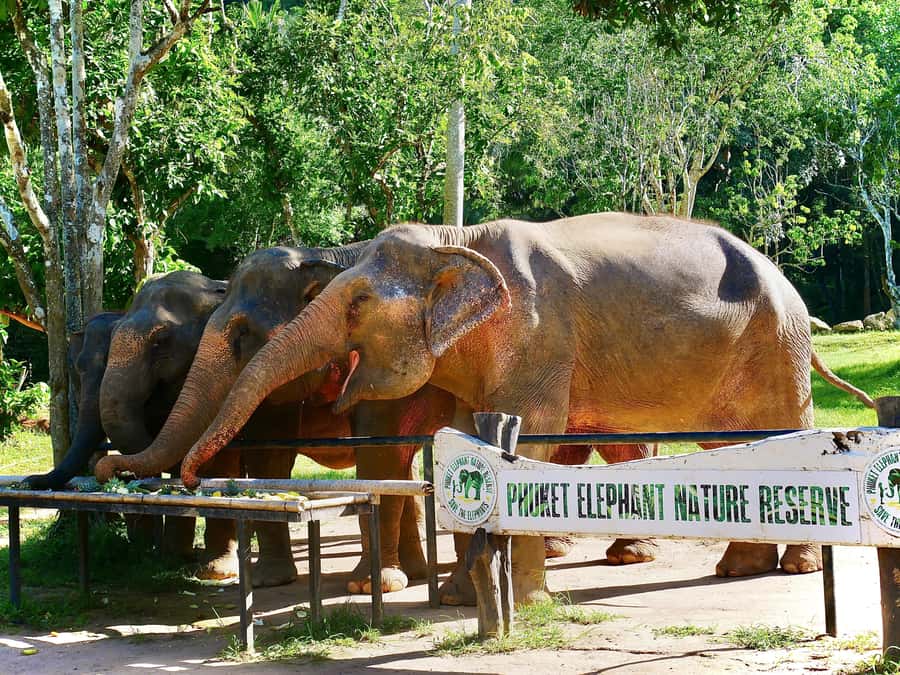
The 90-minute format is a good match for families with school-age children. A family with children aged 10 and 12 found the length manageable, with enough time for preparation, feeding, and learning without the children tiring of the program.
The tour is also a sensible choice for adults who want a focused ethical activity between other Phuket plans. You do not need to dedicate an entire day, and the English commentary gives structure to the visit.
The reserve is not suitable for wheelchair users. That is an important limitation because the experience involves outdoor paths and observation areas. Comfortable footwear is specifically recommended, and a hat and sunscreen are practical necessities.
The tour operates at set starting times, so check availability before booking. Since you arrange your own transportation, allow enough time to reach the reserve and find Hug Me Cafe. The exact transfer time depends on where you are staying in Phuket, and no pickup service is included.
What Makes the Guides Valuable
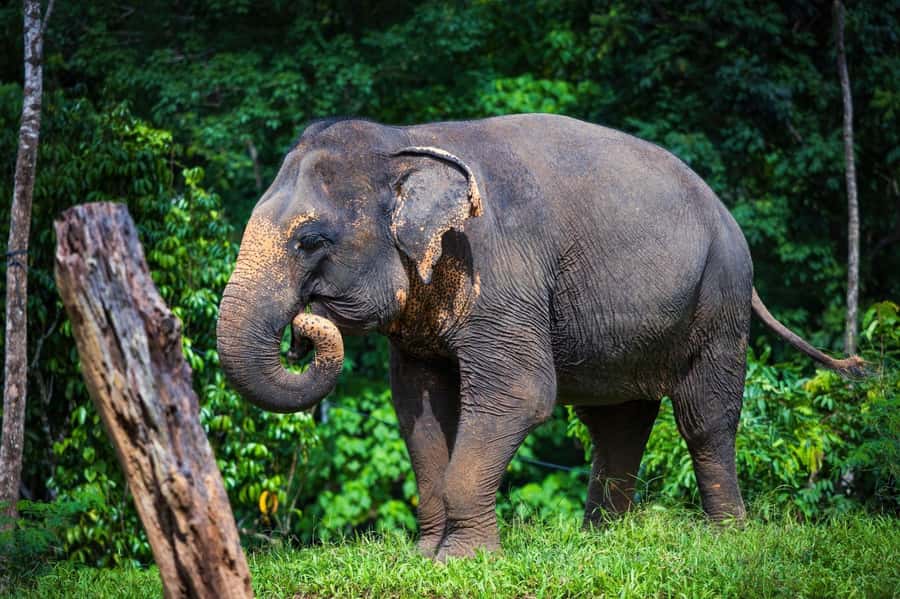
A good guide is essential here because the elephants are not performing. The commentary gives meaning to a quiet moment when an elephant eats, walks, or rests.
Guides explain elephant behavior, introduce personality quirks, and share brief rescue stories. That personal detail helps you understand why the reserve treats each elephant as an individual. You may learn about an elephant’s past, how it reached the sanctuary, and what makes its behavior different from the others.
The guides also keep the experience light. Tom was singled out for being friendly and engaging, while Mike was praised for introducing the elephants and explaining their distinct characters. Another guide used humor to make the information easy to follow.
This is educational without feeling like a lecture. You get facts, but you also get practical instructions about how to stand, where to look, and when to let an elephant pass. That balance matters in a short tour.
The Main Drawbacks to Consider
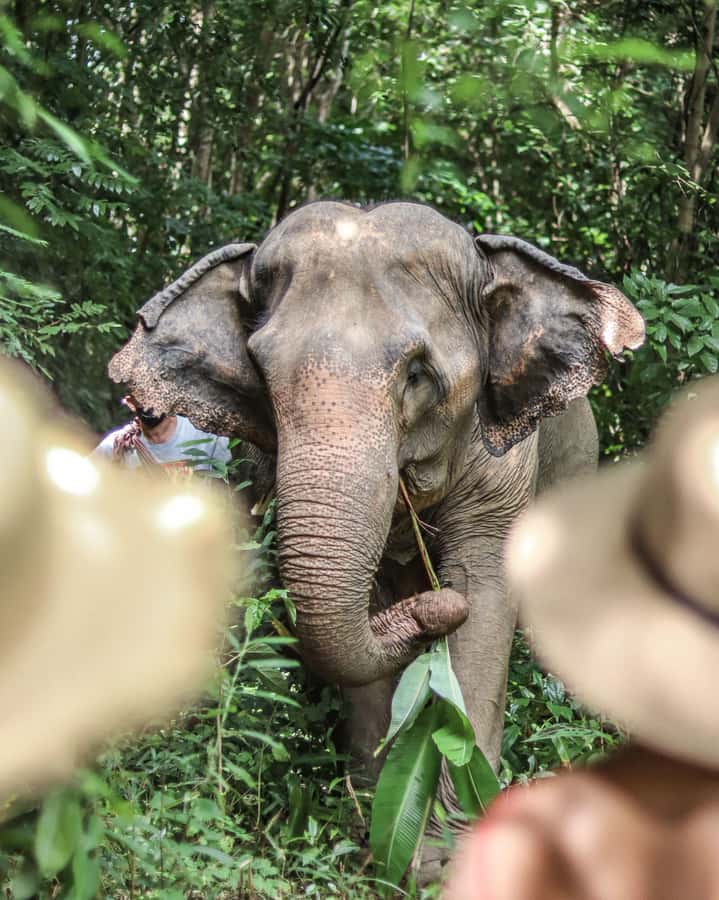
The most obvious limitation is the lack of physical contact. If your dream is to bathe an elephant, hug one, or ride through the forest, this is the wrong activity. The reserve does not offer those experiences, and that is a deliberate ethical choice.
The visit can also feel quiet. There are no stunts, no fast sequence of attractions, and no guarantee that every elephant will come close. You need to accept observation as the main event.
The reserve is reached independently, and transportation is not included. That adds planning, especially if you are staying far away or have limited mobility. Wheelchair users should choose another activity.
Finally, the tour lasts 1.5 hours. This is enough for a clear introduction and several activities, but not enough for a long sanctuary visit or extended time watching the animals. If you want a full day devoted to elephants, this program may feel brief.
Should You Book This Elephant Tour?
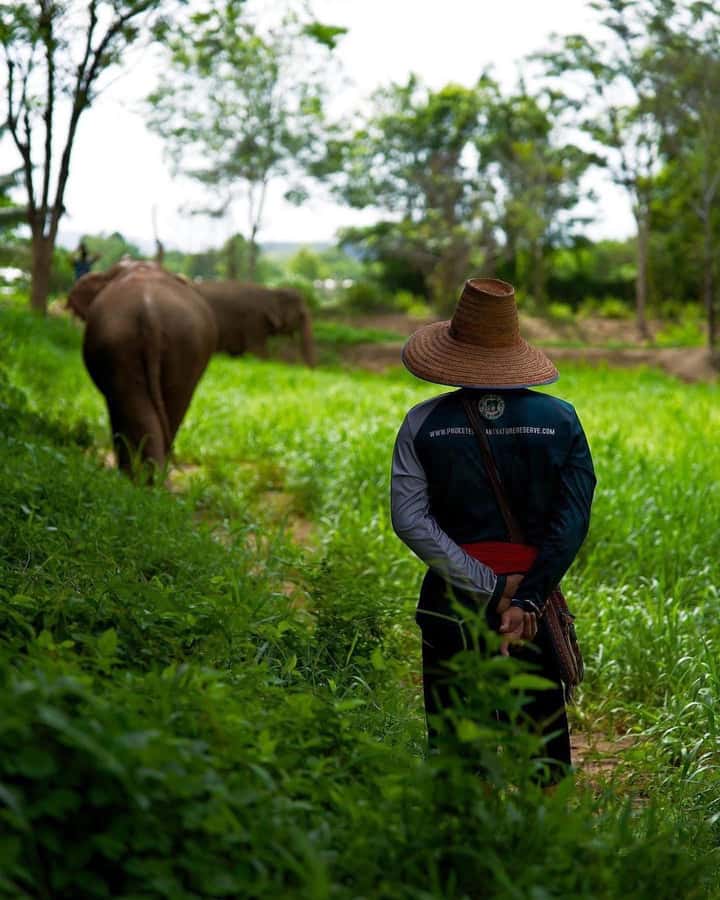
I would recommend Phuket Elephant Nature Reserve if you want to support a place that puts animal welfare before staged contact. The strongest reasons are the no-riding and no-bathing policy, the freely moving elephants, the food preparation, and the guides’ clear explanations.
Book it if you are happy to watch rather than touch. It suits families, couples, solo visitors, and anyone who wants an ethical activity that fits into a short Phuket schedule. The $37 price is fair for the guided access and the contribution to elephant care, though you must arrange transport and pay separately for refreshments.
Skip it if you want a high-energy attraction or a guaranteed hands-on photo. The most memorable part of this visit is not what you get to make the elephant do. It is seeing the animal treated as an animal, with space to choose what happens next.
FAQ
How long does the Phuket Elephant Nature Reserve tour last?
The guided visit lasts 1.5 hours. Check availability for the specific starting times.
What is included in the ticket?
The ticket includes entry to Phuket Elephant Nature Reserve, an English-speaking guide, and the elephant meeting and feeding activity.
Is transportation included?
No. You make your own way to the reserve and meet the guide next to Hug Me Cafe.
Can I ride or bathe the elephants?
No. Riding and bathing are not offered. The reserve focuses on observation and care without forcing physical contact.
Can I touch the elephants?
The experience is designed around respectful observation, and the detailed guidance emphasizes no touching. You may prepare food and offer it under staff direction, but direct contact is not the focus.
What should I bring?
Bring comfortable shoes, a hat, and sunscreen. Food and drinks are not included, though refreshments are available at the on-site cafe.
Just added around Thailand
- From Chiang Mai: Doi Inthanon National Park Day Trip★ 5.0 · 7 reviews
- From Chiang Mai: Doi Inthanon National Park Hiking Tour★ 4.9 · 43 reviews
- From Bangkok: Ayutthaya & Khao Yai National Park Day Trip★ 4.5 · 23 reviews
- Monks chanting, Wat Doi Suthep and Wat Phalad+ Meditation★ 4.6 · 18 reviews
- Private Sticky Waterfall & Floating Srilanna National Park★ 5.0 · 9 reviews
- Chiang Mai:Doi Inthanon National Park & Hike at Kew Mae Pan★ 4.4 · 53 reviews
- Chiang Mai: Doi Inthanon National Park+Trek Pha Dok Siew★ 4.7 · 17 reviews
- Chiang Mai: Doi Inthanon National Park Sightseeing Tour★ 3.5 · 3 reviews
Wildlife and Elephant Encounters, compared.
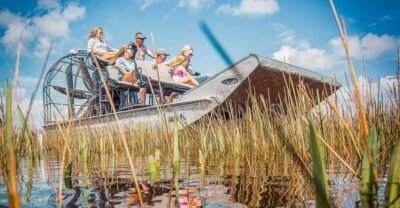
Miami: Everglades National Park Airboat Tour & Wildlife Show
Read our review →
Wilderness, Wildlife, Glacier Experience from Anchorage
Read our review →
Kenai Fjords National Park Glacier & Wildlife Cruise
Read our review →
Kenai Fjords National Park Glacier & Wildlife Tour from Seward
Read our review →
Nairobi: National Park & Optional Elephants & Giraffe Center
Read our review →
Addo Elephant National Park All Inclusive Full-Day Safari
Read our review →
Jasper National Park: Evening or Morning Wildlife Watch Tour
Read our review →
Jackson: Grand Teton National Park Guided Wildlife Tour
Read our review →Browse the lists this tour appears in