REVIEW · USA
Private Tour: Hawaii Volcanoes National Park Eco Tour
Volcanoes reward curious walkers. This private Hawaii Volcanoes National Park tour combines small-group flexibility with close attention to geology, native plants, birds, and Hawaiian culture. I like that your guide can adjust the balance of hiking, driving, and sightseeing, and I like the chance to explore with guides such as Erik, Jay, Michelle, Tyson, Justin, and Chris, whose science and park experience add real meaning to each stop.
The main drawback is that you provide your own transportation between sights, so this is not a chauffeured tour. The $160 price per person also costs more than visiting independently, and the $30 National Park entrance fee per vehicle is extra. Still, if you want to understand what you are seeing instead of simply checking off overlooks, this is a strong use of three to six hours.
Key points to know before you book
- Private guiding makes the day flexible: Your group can focus on hiking, geology, Hawaiian culture, children’s questions, or particular park sights.
- The tour covers a remarkable range: You may visit steam vents, sulphur banks, a lava tube, rainforest, the Kilauea Iki Trail, the coast, and Chain of Craters Road.
- The guides are the main attraction: Erik’s geochemistry background, Jay’s former park ranger experience, and the team’s enthusiasm receive especially strong praise.
- You drive between stops: The guide leads and explains the experience, but hotel pickup, drop-off, and transportation to the park sights are not included.
- Active lava is never guaranteed: Keanakako’i Overlook is the best place to see an eruption when lava is visible, but conditions and park closures can change.
- Bring food and water: The park requires plenty of movement and driving, and there may not be a convenient lunch stop.
Why this private volcano tour works so well
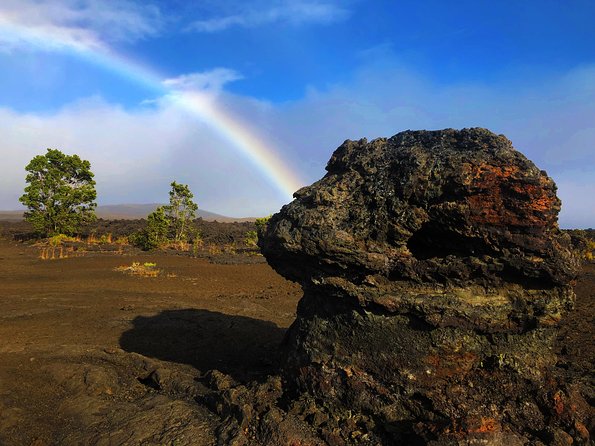
Hawaii Volcanoes National Park is easy to underestimate. You can drive through it, stop at a few overlooks, walk into Thurston Lava Tube, and leave with photographs. But the park makes far more sense when someone explains why steam rises from the ground, how lava tubes form, why some plants tolerate volcanic gases, and how Kilauea matters in Hawaiian culture.
That is the value of this experience. You are not simply being taken to a viewpoint. You are walking with a guide who can connect the black rock under your feet to eruptions, weathering, native forest, birds, and living Hawaiian traditions.
The private format matters most if your group has mixed interests or different walking speeds. A family can ask for more child-friendly explanations. A couple can spend more time on geology. A group with older relatives can choose shorter walks and more roadside stops. One group with 80-year-old parents and young adults found the outing workable for everyone, while another group changed from a longer option to a three-hour tour because of scheduling and park conditions.
The guides receive especially warm praise. Erik is repeatedly singled out for his science background, patience with children, and ability to answer questions about life on the island as well as volcanoes. Jay brings former park ranger experience and can adjust the pace for a tight flight schedule. Tyson is described as friendly, highly informed, and easy to spend several hours with. Michelle and Justin are also praised for tailoring the route and finding quieter sights.
More Private National Park Tours in the USA
- One-Day Private Grand Canyon National Park/Sedona tour from Phoenix-Scottsdale
★ 5.0 · 329 reviews - The Narrows: Zion National Park Private Guided Hike
★ 5.0 · 209 reviews - 6 Hour: Premiere & Private Acadia National Park with Lobster Pier
★ 5.0 · 199 reviews
Starting at Volcano House and the steaming summit
The meeting point is at the historic Volcano House hotel, at 1 Crater Rim Drive inside the national park. From there, the experience begins on foot near the steam vents and sulphur banks.
At the steam vents, heat rises from below the surface. This is a simple sight, but it becomes much more interesting when your guide explains the volcanic system beneath you. You can feel the warmth and take photographs while learning why steam appears in particular places.
The nearby sulphur banks offer a more unusual lesson. Volcanic gases alter the soil and rock, and native plants must cope with those conditions. The walk is considered safe because gas concentrations are low, but you should still follow your guide’s directions and pay attention to posted park information.
These first stops are a good example of why a guided visit can beat a quick self-guided stop. Without explanation, steam is just steam. With a guide, it becomes evidence of the heat still moving below Kilauea.
Thurston Lava Tube and the native forest walk
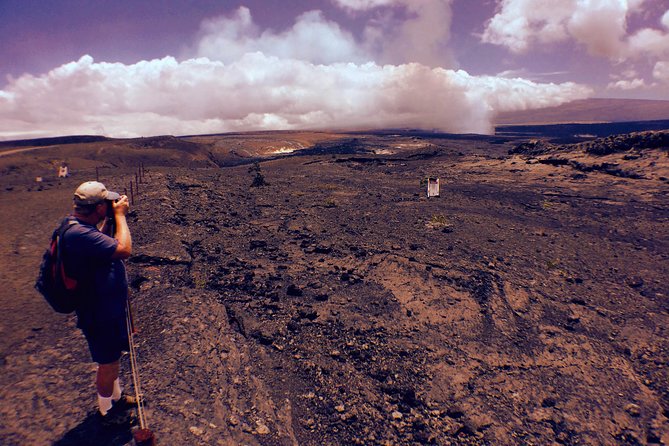
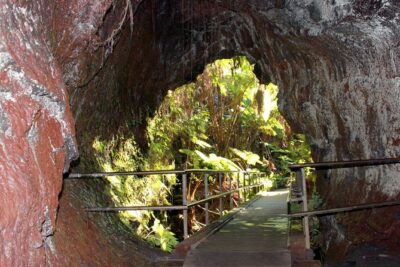
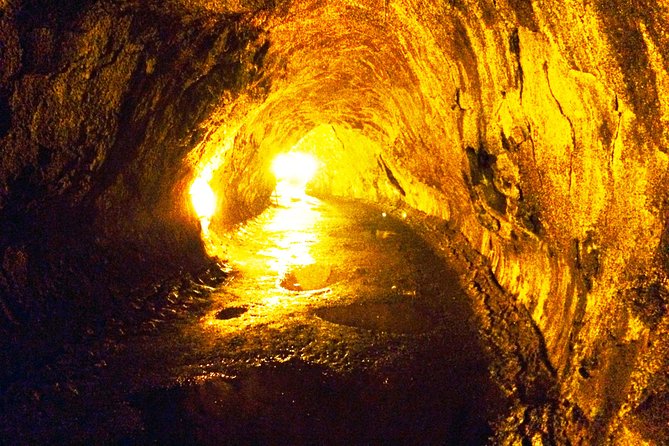
Nahuku, also called Thurston Lava Tube, is one of the park’s easiest and most memorable sights. You walk through an old-growth native forest before entering a lava tube formed about 500 years ago.
Inside, your guide explains how flowing lava can cool on the outside while molten rock continues moving through the center. When the flow drains away, it leaves a tunnel. The short stop lasts about 15 minutes, so it is not a long hike, but the setting gives you a clear picture of how volcanic plumbing works.
The forest walk matters just as much as the tube. It shows how quickly a volcanic area can support plant life and how different the forest feels from the exposed rock around the summit. If you are traveling with children, this is one of the easiest places to make geology feel concrete rather than abstract.
Halemaumau Trail and the Kilauea caldera
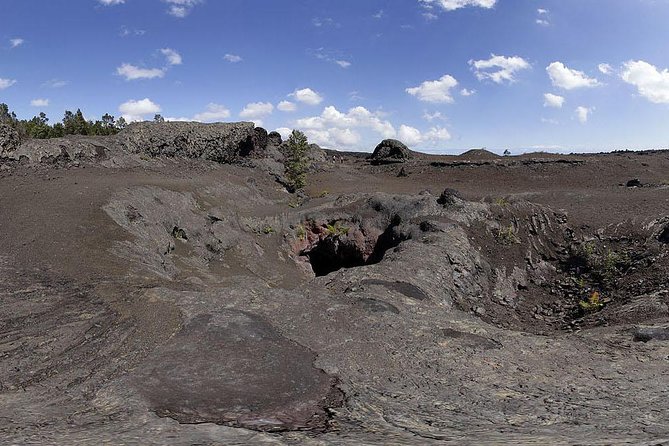
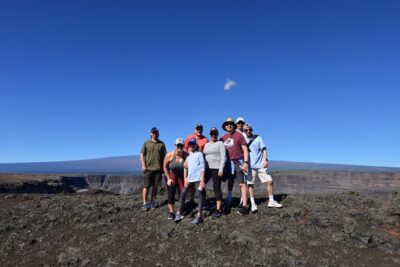
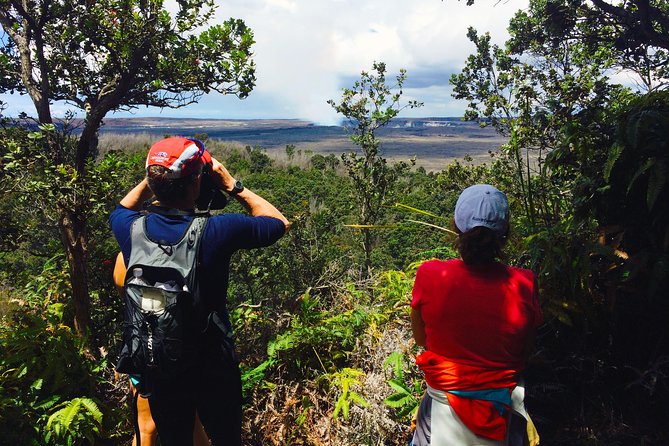
The Halemaumau Trail provides views toward the summit caldera, along with a chance to discuss native plants, birds, Hawaiian culture, and the changing shape of the volcano.
The exact experience depends on park access and current conditions. Seismic activity has previously caused parts of the area to close, so your route may be adjusted. That flexibility is useful here, since your guide can select an open trail or change the amount of walking rather than forcing a fixed plan.
The caldera is more than a scenic hollow. It is the central feature that helps you understand Kilauea’s scale and continuing activity. The guide’s interpretation can also help you approach the site with respect for its cultural importance, rather than treating it as only a dramatic photo stop.
More Volcano National Park Tours in the USA
- Hilo Shore Excursion: Volcanoes National Park & Black Sand Beach
★ 4.5 · 2,338 reviews - Big Island: Fat Tire E-Bike Tour through Volcanoes National Park
★ 5.0 · 546 reviews - Big Island, Hawaii: Volcanoes National Park Safari
★ 4.5 · 545 reviews - Small-Group Big Island Tour: Hawaii Volcanoes National Park and Kona Coffee Farm
★ 5.0 · 343 reviews
Kilauea Iki Trail and the 1959 eruption
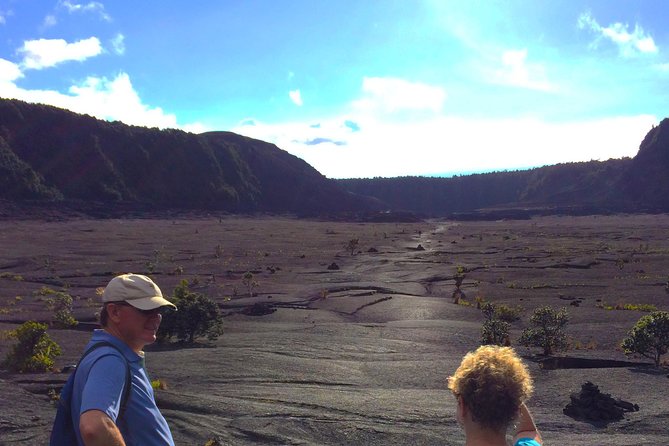
Kilauea Iki Trail is described as the park’s most popular hike, and it crosses terrain shaped by the 1959 eruption. That eruption produced the highest lava fountains recorded in history, making this one of the most useful places to discuss how a volcanic event reshapes an entire area.
The trail can feel almost lunar, with a stark surface that contrasts sharply with the surrounding forest. Your guide may spend time pointing out rock textures, eruption features, and signs of plant recovery.
The listed stop is about 15 minutes, but the tour can be customized. If you want more hiking, this is one of the places to request extra time. If your group includes people who prefer a shorter walk, your guide can focus on a manageable section and continue by vehicle.
Devastation Trail and small volcanic details
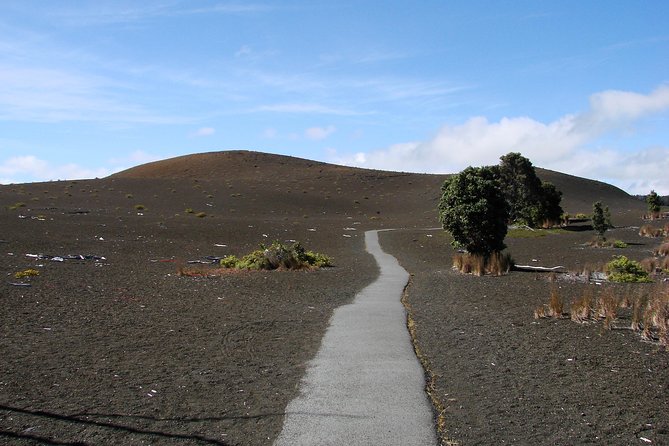
Devastation Trail shows what happened when volcanic debris buried native rainforest during the 1959 eruption. It is a short, focused stop, usually about 30 minutes, with a very different feel from the lush forest near Thurston Lava Tube.
Look for Pele’s tears, olivine crystals, and other rock formations. These details are easy to miss if you rush through. A guide can explain what you are seeing and why some fragments look different from the surrounding ash and rock.
This is also a good stop for families. Children can look for unusual textures and colors while adults get a clear explanation of the eruption’s effects. It gives you a sense of time too: a forest can be buried in minutes, while recovery takes much longer.
Chain of Craters Road and the changing coast
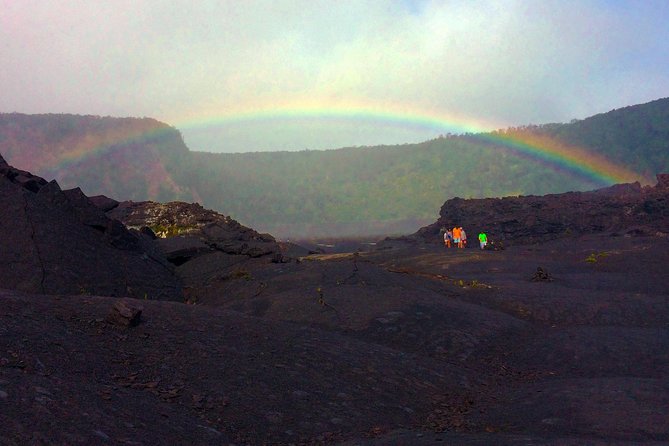
Chain of Craters Road adds the driving portion that some people love and others find less satisfying. You travel through a series of volcanic areas shaped by past eruptions, with stops such as Lua Manu for a discussion of pit craters and their role on Kilauea.
The road lets you cover more of the park than a walking-only visit. It also shows how volcanic activity changes from the summit toward the coast. The tradeoff is clear: you spend time in the vehicle, and you cannot look around as freely as you could on a bus with someone else driving. The tour information makes this arrangement clear, but it is still worth planning for.
One person found the driving reduced the value of a guided experience, while many others appreciated the chance to cover more ground and receive explanations along the way. I would choose this tour if you want a mix of short walks and scenic road travel. If you want a continuous hike, ask about a more walking-focused plan before the day begins.
At the end of the road, Holei Sea Arch provides an easy coastal walk and a chance to discuss native seabirds. The arch is a useful reminder that Kilauea’s story does not stop at the summit. The volcano extends from the highlands to the ocean, with different plants, animals, and rock formations at each level.
Keanakako’i Overlook and eruption conditions
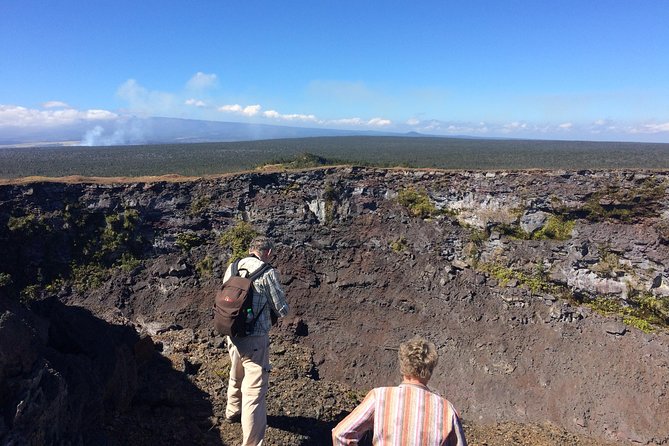
Keanakako’i Overlook is the key stop if Kilauea is erupting and lava is visible. It offers the best location in this tour plan for seeing activity at the summit, and your guide may provide binoculars or a spotting scope.
This is the most important expectation to set: an active eruption is not guaranteed. Viewing depends on current volcanic conditions, park access, weather, and safety rules. If there is no visible lava, the tour still has plenty to offer, but you should not book it solely for a guaranteed glowing crater.
If activity changes during your visit, the guide can help you understand what is happening and where viewing may be possible. Park closures or seismic activity can also shorten or alter the route, as happened to one group that could complete only the three-hour version.
Visitor Center and Volcano Art Center Gallery
The Kilauea Visitor Center is a brief optional stop. You can pick up National Park material, buy a local book about the volcano or Hawaiian culture, and collect Junior Ranger materials for children.
The Junior Ranger option is a thoughtful touch for families. Your guide can help a child complete the program and receive an official badge at the end of the tour. That turns the visit into something more active than simply asking children to look at rocks.
The Volcano Art Center Gallery offers a different view of the area, with local art and the original Volcano House hotel, described as the oldest hotel in the state. The stop is short, but it adds cultural context to a day otherwise centered on geology and trails.
Price, timing, and what you actually receive
The listed price is $160 per person, with a minimum of two people. The activity lasts about three to six hours, and you can choose a morning or afternoon departure. The exact departure time is flexible, but you need to contact the local operator after booking to arrange it and discuss the route you want.
The price includes a professional guide, a private tour, and taxes and fees. It does not include food, drinks, transportation between attractions, hotel pickup or drop-off, or the $30 National Park entrance fee per vehicle.
For two people, the cost is significant compared with entering the park and exploring independently. You should pay it only if the guide’s interpretation and route planning are central to your visit. The strongest reason to book is not convenience. It is the ability to ask questions, adjust the route, find less crowded places, and understand details you might otherwise pass without noticing.
For families and groups, the value improves because the cost buys a private experience rather than a seat on a standard group outing. Several groups also found that three hours passed quickly and wished they had booked longer. If you have the time, six hours gives the guide more room to combine trails, roadside stops, coastal sights, and cultural discussion.
Bring water and snacks. There is not always a proper lunch stop, and one group wished they had packed food instead of relying on snack options. Wear shoes suitable for walking and expect a mixture of short hikes, forest paths, exposed volcanic ground, and time in the vehicle.
The activity is offered in English. Most people can participate, but the amount of walking should be discussed in advance if your group has mobility limits. Confirmation is sent within 48 hours, subject to availability, and cancellation is allowed up to 24 hours before the experience for a full refund.
Who should book this Hawaii volcano tour?
I would recommend it to first-time visitors who want a clear introduction to Hawaii Volcanoes National Park, families who want help keeping children interested, and curious adults who enjoy geology, plants, birds, and culture in equal measure.
It is also a good fit for people with limited time on the Big Island. Three hours can provide a useful introduction, while a longer booking gives you a fuller park visit without requiring you to plan every stop yourself.
I would hesitate if your main goal is a guaranteed lava sighting, a fully chauffeured outing, or the lowest possible cost. You must pay the entrance fee separately and drive between attractions. The tour is strongest when you value interpretation and personal attention more than simple transportation.
Should you book it?
Book this private Hawaii Volcanoes National Park Eco Tour if you want the park explained rather than merely photographed. The best guides, including Erik, Jay, Michelle, Tyson, Justin, and Chris, bring science, cultural awareness, humor, and flexibility to a place that can otherwise feel confusing.
Choose three hours for a focused introduction. Choose closer to six if you want more trails, Chain of Craters Road, coastal stops, and time for questions. Bring food and water, confirm your preferred departure time, and accept that volcanic conditions may change the route.
For independent hikers who already understand the park, the price may not make sense. For everyone else, especially families and first-time visitors, the private format can turn a striking but complicated national park into a memorable, understandable day.
FAQ
Where does the tour begin?
The tour begins at the historic Volcano House hotel, at 1 Crater Rim Drive inside Hawaii Volcanoes National Park.
How long does the tour last?
The tour lasts approximately three to six hours. Morning and afternoon times are available, with the exact departure arranged with the local operator after booking.
Is transportation between park stops included?
No. Hotel pickup and drop-off, as well as transportation to and from the attractions, are not included. You drive between the stops while the guide leads and explains the experience.
Is the National Park entrance fee included?
No. The National Park entrance fee is listed as $30 per vehicle and must be paid separately.
Will I see an active eruption?
Eruption viewing depends on current conditions. Keanakako’i Overlook is the best location on this route when lava is visible, but an active eruption is not guaranteed.
Is this a private tour?
Yes. Only your group participates in the activity. A booking requires at least two people, and the maximum listed group size is 25 people.
What is included in the tour price?
The price includes a professional English-speaking guide, the private tour, and all taxes, fees, and handling charges. Food, drinks, transportation, hotel pickup, hotel drop-off, and the National Park entrance fee are not included.
Just added around the USA
- From Flagstaff: Grand Canyon National Park Tour★ 4.9 · 106 reviews
- From Denver: Guided Hike in Rocky Mountain National Park★ 4.2 · 9 reviews
- From Seattle: Full-Day Mt Rainier National Park Tour★ 3.5 · 6 reviews
- From Anchorage: Wilderness, Wildlife, & Glacier Experience★ 4.9 · 85 reviews
- Everglades National Park: Private 2.5-Hour Photo Safari★ 4.9 · 9 reviews
- Everglades National Park: Boat Assisted Kayak Eco Tour★ 4.7 · 25 reviews
- Everglades National Park: Pontoon Boat Tour & Boardwalk★ 4.2 · 44 reviews
- Everglades National Park: Motorboat Eco Tour★ 5.0 · 15 reviews
Volcano National Park Tours, compared.
Hilo Shore Excursion: Volcanoes National Park & Black Sand Beach
Read our review →
Lanzarote: Timanfaya National Park Volcanic Craters Tour
Read our review →
Big Island: Fat Tire E-Bike Tour through Volcanoes National Park
Read our review →
Big Island, Hawaii: Volcanoes National Park Safari
Read our review →
Small Group Teide National Park Volcanic and Forest Wonders
Read our review →
Small-Group Big Island Tour: Hawaii Volcanoes National Park and Kona Coffee Farm
Read our review →