REVIEW · USA
Sequoia National Park: Group Stargazing Program
Look up, and the park changes completely. This one-hour stargazing program mixes constellation spotting, space science, and stories from cultures around the world, all without a hike or a long drive back to your rental. I like the easy format and the fact that Scott, the guide, has spent 11 years leading stargazing tours in Sequoia.
I also like the personal touches: planispheres, small solar-system and Saturn models, hand warmers on cold nights, and plenty of dad jokes. The main drawback is the meeting point. The Potwisha location has no Google Maps pin or cell service, and it can feel very dark and isolated, so you need to read the directions carefully and arrive prepared.
Key Things to Know Before You Go
- Scott brings more than a laser pointer: He explains current astronomy, constellation names, cultural traditions, and space missions in plain language.
- No hiking is required: You sit or stand in a parking area and spend the hour looking upward.
- Two park locations are used: Potwisha Overflow Lot is near the Three Rivers entrance, while the General Sherman Tree parking area is close to Wuksachi Lodge and Lodgepole Campground.
- The program suits mixed groups: Beginners can follow along, while astronomy fans can ask more detailed questions.
- Bring warm layers and a flashlight: Nights can be cold, and the meeting area has no cell coverage.
- The price is $25 per person: That is a fair rate for a short, guided introduction with equipment and cultural context, especially if you want a simple evening activity.
What This Sequoia Stargazing Program Is Really Like
This is not a telescope-heavy astronomy class or a strenuous night hike. It is a guided hour outdoors, designed to help you make sense of the sky above Sequoia National Park.
You may sit or stand while Scott points out constellations with a laser pointer. He explains the science behind stars and other night-sky objects, then adds stories about how different societies have understood and named them. That combination matters. You are not just memorizing a few star patterns. You are also hearing why the sky has carried meaning for people across generations.
I like this format for first-time stargazers. The night sky can look like a random scatter of lights when you do not know where to begin. A guide gives your eyes and mind something to follow. After an hour, you should have a better sense of what you are seeing and a few stories to carry into the rest of your park visit.
Scott also brings current science into the discussion. Depending on the night, you may hear about modern discoveries, astronomy missions, and possible future space travel. The program can remain light and friendly, but it is not limited to basic constellation facts.
The reviews supplied for the experience give a clear picture of Scott’s strengths. He has handled questions from adults, kept a nine-year-old engaged, and helped one family see the Milky Way clearly for the first time. Another couple enjoyed his enthusiasm and his explanations of how different cultures interpreted the same stars.
That mix of warmth, stories, and science is the main reason to book this rather than simply parking somewhere and looking up on your own.
A few more park trips around the USA worth a look
- Miami: Everglades National Park Airboat Tour & Wildlife Show
★ 4.5 · 7,296 reviews - Discover Rocky Mountain National Park
★ 5.0 · 3,419 reviews - Mt. Rainier National Park Highlights Tour
★ 5.0 · 3,156 reviews
Choosing Between Potwisha and General Sherman Tree
The two meeting areas serve different parts of the park, so your lodging matters.
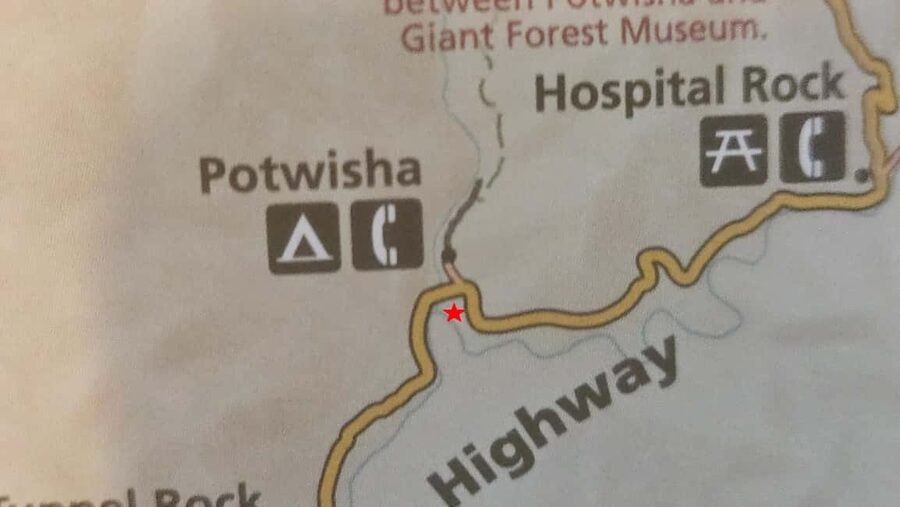
Potwisha Overflow Lot is across Generals Highway from Potwisha Campground, about 10 minutes inside the park from the Three Rivers entrance station. This is the more convenient option if you are staying in Three Rivers or entering from the south. Winter times are also available here.
Pay close attention to the road crossing. The campground entrance is on one side of the highway, but the meeting area is across the road in an overflow parking lot. It is not inside Potwisha Campground. Scott uses red lights to mark the spot, but there is no Google Maps location for the meeting point and no cell coverage once you arrive.
I would download or write down the directions before leaving your rental. Bring a flashlight, but use it carefully so you do not spoil other people’s night vision. A low or red light is best if you have one.
The General Sherman Tree parking area is about a 10-minute drive from Wuksachi Lodge or Lodgepole Campground. This makes it a useful choice if you are staying higher in the park and do not want to drive all the way down toward Three Rivers after dinner.
The supplied itinerary lists Potwisha Campground as the start and return point, but the program information also gives General Sherman Tree as a second meeting area. Check the location and time attached to your reservation so you do not assume every departure uses Potwisha.
A One-Hour Itinerary Without a Hike
The program begins at the selected parking area. There is no transportation included, so you drive yourself to the meeting point and return to your lodging afterward.
Once the group gathers, Scott gets everyone oriented to the night sky. You will likely spend some time learning where to look, then follow his laser pointer as he identifies constellations and star clusters visible that evening. The exact objects change with the season and the conditions, so the program is tied to what nature provides on that date.
The hour includes both observation and explanation. Scott talks about the science of stars, current findings, and space missions. He also shares cultural stories and mythology connected to the constellations. Some sessions may include discussion of Māori and Hawaiian traditions, a detail that made one family especially happy because of their connection to those cultures.
The program can also touch on unusual astronomical events. A passing comet or a nova may appear on a special night, though there is no promise of seeing one. These events follow their own schedule, not the tour calendar, so treat them as a bonus rather than part of the core product.
The hour ends back at the meeting area. Since there is no hike, you do not need to budget time for a walk back through the park in darkness. That is a real advantage for families, couples, and anyone who wants an evening activity without adding another demanding outing.
What Scott Adds to the Experience
A good stargazing guide does more than name Orion or point toward the Milky Way. Scott’s value comes from connecting several kinds of information without making the session feel like a lecture.
He explains the science in accessible terms, but there is room for more serious questions too. The program is advertised as suitable for beginners, astronomy enthusiasts, and future astronauts, which gives you a sense of its range. You can simply listen to star stories, or ask about discoveries and missions if you want more detail.
The cultural side is equally important. Constellations are not only scientific objects. They are also part of stories, navigation, religion, art, and family traditions. Hearing how different cultures read the same sky gives the hour a human side that you will not get from a phone app.
Scott’s personality also comes through in the small details. He brings solid puns and dad jokes, which may sound minor, but humor helps keep children and tired adults involved. A nine-year-old stayed engaged during one session, and children in another family kept repeating facts after returning to their lodging.
The supplied experiences also describe Scott as reassuring when the darkness felt spooky. That is worth noting because Sequoia at night can feel very different from Sequoia in daylight. Wildlife is part of the park setting, and the complete darkness can make you more alert to every sound. Scott is first aid and CPR certified, but you should still follow normal park safety habits and stay with the group.
Same corner of the map, a different park:
- Clear Kayak Tour of Shell Key Preserve and Tampa Bay Area
★ 5.0 · 5,800 reviews - Yosemite Highlights & Giant Sequoias Day Tour from San Francisco
★ 4.5 · 3,455 reviews - Grand Canyon National Park South Rim Bus Tour from Las Vegas
★ 4.5 · 3,071 reviews - Wilderness, Wildlife, Glacier Experience from Anchorage
★ 5.0 · 3,004 reviews
What the $25 Price Gets You
At $25 per person, this is priced as an accessible add-on rather than a major excursion. The session lasts one hour, so you are not paying for an entire evening of entertainment. Still, the price includes a live English-speaking guide, guided stargazing, planispheres, a three-dimensional solar-system model, a Saturn model, and hand warmers on cold nights.
You also get Scott’s preparation and local experience. A free stargazing app can show you names and diagrams, but it cannot answer a child’s question, explain a cultural story, or adjust the discussion to the sky in front of you. That is where the fee earns its keep.
I see the best value for visitors who want a clear introduction without buying gear or planning their own dark-sky outing. It is also useful if you are staying near one of the meeting locations and want to avoid a late drive to an unfamiliar viewing spot.
The value is less obvious if you already know the constellations well and want extended telescope viewing. Telescope stargazing and private programs are available separately through Big Trees Tours, but they are not part of this group experience. You should choose this program for conversation, guidance, and stories, not for a long list of magnified celestial objects.
There is no transportation, take-home material, or personal laser pointer included. Those limits are reasonable at this price, but they help define what you are buying: one focused hour with a guide and shared equipment.
Cold Nights, Darkness, and Practical Comfort
Dress warmer than you think you need. You may be standing still for much of the hour, and nights in the park can be cold even after a pleasant day. Hand warmers are provided on cold nights, but they are a backup, not a substitute for a warm jacket.
Bring a flashlight for getting safely from your vehicle to the meeting area. Since the Potwisha spot has no cell service, do not rely on your phone for directions, messages, or a last-minute map search.
Seating is available if you request it, including seating for mobility needs. The program is wheelchair accessible, and the lack of hiking makes it easier for people who want a low-effort evening in the park.
There are also clear limits for sensory access. The experience is not suitable for people who are visually impaired or hearing impaired, and no visual aids for visually impaired participants are included. Children under two are not suitable for the program, and minors cannot attend unaccompanied.
Drones, fireworks, and bare feet are not allowed. Those rules are easy to follow and fit the quiet, safety-focused setting.
Who Will Enjoy This Most
I would recommend this to first-time stargazers, families with older children, couples, and anyone staying near Potwisha, Wuksachi Lodge, or Lodgepole Campground. It works particularly well on a final night in Sequoia, when you want one memorable activity without taking on another hike.
Families should know that the content can appeal across ages. Children may remember the jokes and surprising space facts, while adults can enjoy the cultural stories and astronomy questions. The program is short enough that it does not demand a whole evening from younger participants.
It is also a good fit if you are curious but not confident. You do not need to know star names, understand astronomy, or own binoculars. Scott supplies the structure and points out where to look.
I would be more cautious about booking if your main goal is telescope viewing, a private session, or a long, advanced astronomy discussion. This is a group program with a relaxed pace. Its strength is making the sky understandable and meaningful, not offering specialized equipment or a highly technical course.
You should also think about your tolerance for darkness. One person found the remote night setting a little spooky, even though Scott helped the group feel safe. If you prepare with warm clothes, a flashlight, and realistic expectations about being outdoors after dark, the setting should feel much easier to manage.
Cancellation and Planning Notes
You can cancel up to 24 hours before the activity for a full refund, and reserve now while paying later. That flexibility helps if your Sequoia plans depend on weather, road conditions, or a changing park schedule.
The program is offered in English and lasts one hour. Starting times vary, so check availability for the date you want. Since astronomical events are unpredictable, do not book solely in hope of seeing a comet or nova.
Before leaving your lodging, confirm the exact meeting area. Potwisha and General Sherman Tree serve different parts of the park, and the Potwisha location is especially easy to miss because it is across the highway from the campground rather than inside it.
Should You Book the Sequoia Stargazing Program?
Book it if you want a simple, well-priced introduction to the night sky with a guide who combines science, cultural stories, humor, and local park experience. The strongest reasons are the no-hike format, the convenient locations, and Scott’s ability to keep both children and adults involved.
Skip it if you need a telescope, private attention, advanced equipment, or an activity that stays indoors. Also skip it if your group includes someone who cannot use spoken explanations or visual sky pointing, since the program does not provide support for hearing or visual impairments.
For most visitors who want to slow down after a day among giant sequoias, $25 is a fair price for one thoughtful hour under the stars. Bring layers, a flashlight, and the right meeting directions. The rest is looking up.
FAQ
How long does the Sequoia group stargazing program last?
The program lasts one hour.
How much does the experience cost?
The price is $25 per person.
Where does the program meet?
It meets at either Potwisha Overflow Lot, across Generals Highway from Potwisha Campground, or at the parking area for the General Sherman Tree. Check the location provided for your departure.
Do I need to hike during the program?
No. The program takes place while you sit or stand and look at the night sky, with no hiking required.
What should I bring?
Dress warmly and bring a flashlight for safety. The Potwisha meeting area has no cell coverage, so prepare your directions before arriving.
Is seating available for people with mobility needs?
Yes. Seating can be provided upon request, including seating for ADA accommodations.
Just added around the USA
- Guided Wilderness Mindfulness Experience with Nature Meditation★ 5.0 · 3 reviews
- Yellowstone National Park – Lower Loop Adventure★ 5.0 · 6 reviews
- Yellowstone National Park – PRIVATE Full-Day Lower Loop Tour from Jackson Hole★ 5.0 · 35 reviews
- Yellowstone & Grand Teton National Parks – Ultimate Wildlife Safari★ 5.0 · 4 reviews
- Self-Guided Grand Teton National Park Driving Tour★ 3.0 · 5 reviews
- Private 4 hour Snowshoe in Grand Teton National Park★ 5.0 · 8 reviews
- Private Sundowner Dinner Experience in Grand Teton National Park★ 3.0 · 2 reviews
- Best of Yellowstone Private National Park Safari Tour★ 5.0 · 120 reviews
USA National Park Tours, compared.
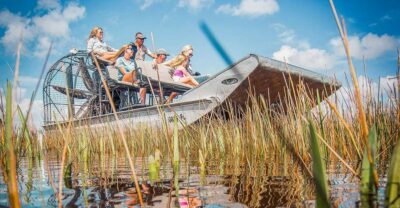
Miami: Everglades National Park Airboat Tour & Wildlife Show
Read our review →
Clear Kayak Tour of Shell Key Preserve and Tampa Bay Area
Read our review →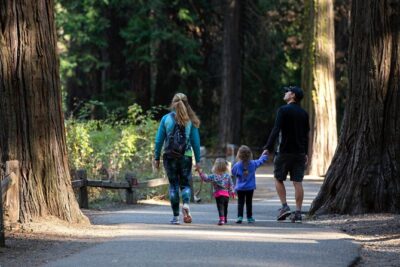
Yosemite Highlights & Giant Sequoias Day Tour from San Francisco
Read our review →
Grand Canyon National Park South Rim Bus Tour from Las Vegas
Read our review →
Wilderness, Wildlife, Glacier Experience from Anchorage
Read our review →