REVIEW · USA
Sequoia National Park: Sherman Tree & Congress Trail Walk
Giant trees reward a slower pace. This three-hour walk pairs the General Sherman Tree with a closer look at Giant Forest, guided by Scott, a wildlife biologist and former bear-management ranger. I like the small-group format and the chance to ask real questions about bears, sequoias, birds, and park history. The main drawback is the altitude and two uphill sections, which can make three miles feel like more.
You meet at the Upper Sherman Parking Lot, beside the restrooms and shuttle stop, and return there after the walk. Wildlife viewing is handled safely, with black bears treated as a lucky possibility, not a promise. At $100 per person, this costs more than walking the trail alone, but Scott’s experience, first-aid training, trip-planning help, and careful pacing make the price easier to justify.
Key points at a glance
- Scott brings unusual field experience: He has worked in Sequoia and Kings Canyon National Parks since 2014, holds a wildlife biology degree, and previously helped move black bears out of campgrounds.
- The walk covers about three miles: Expect two hills with roughly 300 feet of elevation gain each, all above 6,000 feet.
- General Sherman is only the beginning: The tour continues into Giant Forest, where you learn about sequoias at different stages of life and the animals that live among them.
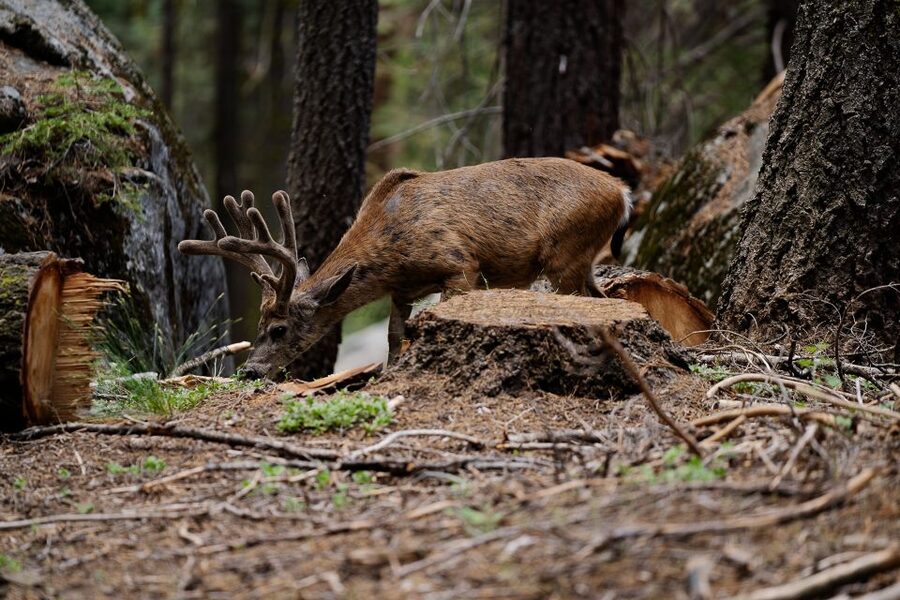
- Wildlife sightings are honest and safe: Birds, squirrels, chipmunks, sequoias, and scenic views are expected. Black bears and mule deer may appear, but are never guaranteed.
- The group stays small: You will be with fewer than 14 other people plus the guide, allowing time for questions and a pace that can suit the group.
- The price includes more than a walk: A trained guide, first-aid kit, emergency medical contact device, field guides, wildlife advice, and trip-planning help are included.
Why the Sherman Tree walk is worth your time
Many people come to Sequoia National Park, take the short walk to General Sherman, snap a few pictures, and move on. That is perfectly possible. But the famous tree is only one part of what makes Giant Forest special.
This tour gives you time to notice the forest around it. Instead of treating the General Sherman Tree as a lone attraction, Scott uses it as a starting point for talking about sequoia biology, forest cycles, wildlife behavior, and the area’s natural and cultural past.
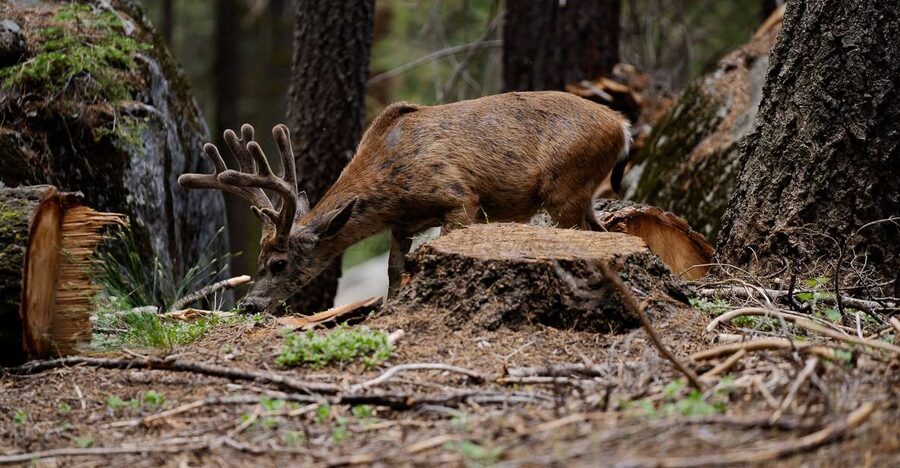
I especially like that the tour does not promise a dramatic animal encounter. You are guaranteed to see giant sequoias, birds, squirrels, chipmunks, and impressive views. A bear or mule deer sighting depends on chance. That is the right attitude in a national park, where animals should be observed on their terms.
The tour also suits people who want to ask questions. Scott has led more than 1,000 tours for National Park Service and nonprofit groups, and his background goes beyond memorized facts. He can explain wildlife behavior, identify plants and animals with the help of field guides, and add stories and jokes along the way. Expect plenty of puns.
A few more park trips around the USA worth a look
- Miami: Everglades National Park Airboat Tour & Wildlife Show
★ 4.5 · 7,296 reviews - Discover Rocky Mountain National Park
★ 5.0 · 3,419 reviews - Mt. Rainier National Park Highlights Tour
★ 5.0 · 3,156 reviews
Meeting at Upper Sherman Parking Lot
The meeting point is at the Sherman Tree Trail access near a paved walkway, restrooms, a covered walkway, and the shuttle stop. Scott waits between the restrooms and the covered walkway. Seasonal changes can affect the exact spot, so check messages from Big Trees Tours before setting out.
This location is practical because you do not have to search for a remote trailhead or walk far to find the guide. It also makes the restroom stop easy before the group begins.
Transportation is not included. You need to reach the park and the Upper Sherman Parking Lot on your own, and the national park entrance fee is separate. Build those costs into your budget before deciding if the $100 tour price works for you.
The tour ends at the same Sherman Tree Parking Access area. That makes planning simpler, especially if you have a full day in the park and want to continue by car or shuttle afterward.
The first 10 minutes: safety above 6,000 feet

The walk begins with a safety briefing in Giant Forest. This is more useful than it may sound. The tour takes place above 6,000 feet, and the combination of altitude, sun, uneven walking, and two uphill stretches deserves attention.
Scott has first-aid and CPR training, carries a basic first-aid kit, and has an emergency medical contact device. Those details do not remove normal hiking risks, but they provide sensible support for a guided walk in a high-elevation park.
You should bring water, sunscreen, sunglasses, a sun hat, comfortable clothing, and hiking shoes. Rain gear and insect repellent belong in your daypack too. The tour runs rain or shine unless dangerous weather, a park closure, or another safety concern forces a change.
No special athletic background is required, but do not confuse great for all skill sets with flat and effortless. The route covers about three miles in three hours. Each of the two hills gains around 300 feet, so the pace may feel demanding if you are not used to altitude.
Walking to General Sherman Tree
The first walking section leads along a paved trail toward the General Sherman Tree. This is the most straightforward part of the route and a good time to settle into the group’s pace.
The paving helps make this portion accessible, and accessibility accommodations are available. Still, the full route includes hills and covers three miles, so anyone who needs specific assistance should confirm how the accommodations apply to the entire outing.
At General Sherman, the group pauses for photographs, sightseeing, wildlife viewing, and another safety check. The tree is known as the world’s largest tree by volume, and it is the clear headline attraction of the walk.
A guide adds value here by giving the tree context rather than simply pointing it out. You can ask about the sequoia’s life cycle, the surrounding forest, and the forces that shape this ecosystem. One useful strength of this stop is that it leaves room for pictures without making the whole tour a photo queue.
If you have limited time in Sequoia National Park, this first portion gives you the essential sight. If you have three hours, the real payoff comes from continuing farther into Giant Forest.
Same corner of the map, a different park:
- Clear Kayak Tour of Shell Key Preserve and Tampa Bay Area
★ 5.0 · 5,800 reviews - Yosemite Highlights & Giant Sequoias Day Tour from San Francisco
★ 4.5 · 3,455 reviews - Grand Canyon National Park South Rim Bus Tour from Las Vegas
★ 4.5 · 3,071 reviews - Wilderness, Wildlife, Glacier Experience from Anchorage
★ 5.0 · 3,004 reviews
Into Giant Forest beyond the famous tree
After General Sherman, the group walks deeper into Giant Forest. The route includes a longer walking section of about 30 minutes, followed by a guided stop for photographs, sightseeing, and wildlife observation.
This is where the tour becomes more than a famous-tree visit. Scott discusses the plants and animals that share the forest, helping you connect individual sights to a larger forest system. You may learn about the different stages of a sequoia’s life and how wildlife uses the area.
The pace can adjust to the group. A guest who was older and found the full route a concern was given a slower pace, while a family group was able to let children take part in the discussion. That flexibility is important because the experience is designed for mixed ages rather than only strong hikers.
You should not expect a constant stream of animals. Squirrels, chipmunks, and birds are among the likely sightings, while a black bear or mule deer might appear without warning. The tour’s wildlife focus is strongest when nothing dramatic happens, because you learn how to watch without chasing, feeding, or crowding an animal.
Two more forest stops and changing pace
The walking pattern continues with shorter sections and additional stops in Giant Forest. One segment lasts about 15 minutes, followed by another photo and wildlife-viewing stop. The group then makes a final longer walk of about 30 minutes back toward the parking area.
This structure works well for a three-hour outing. You are not walking continuously with no chance to rest, and each stop gives Scott time to explain what you are seeing. You also have repeated opportunities to take photographs instead of trying to capture everything at the General Sherman Tree.
The tradeoff is that the itinerary is not built around a long, strenuous backcountry hike. If you want many miles and solitude, this will feel modest. If you want a clear introduction to Giant Forest, with interpretation and a manageable rhythm, the format is more useful.
Small groups help here. Fewer than 14 participants plus the guide means questions are less likely to get lost. The group can also spend longer at a sight that interests everyone, or move along when the forest is quiet.
Wildlife lessons from a former bear-management ranger
Scott’s background is one of the strongest reasons to choose this walk. He has worked in the parks since 2014, studied wildlife biology, and formerly chased black bears out of campgrounds. That combination gives the wildlife part of the tour practical weight.
You learn to view animals safely rather than treat the forest like a zoo. A bear sighting is not a scheduled attraction, and joining the walk repeatedly will not increase your odds. The honest promise is that you will see signs of a healthy forest through its common animals and plant life.
The tour includes wildlife safety guidance and access to local field guides and identification books. Those tools matter if you want to keep noticing wildlife after the guide has moved on.
There is even occasional berry eating when berries are in season, but only with parent permission. That small detail signals a family-friendly approach, while also recognizing that children need clear boundaries in a wild setting.
How much value do you get for $100?
At $100 per person, this is not the cheapest way to see General Sherman Tree. You can visit the park independently, follow the paved trail, and spend nothing beyond the park entrance fee.
The value comes from what happens between the headline sights. You are paying for a private guide who shares the outing with fewer than 14 other people, not a large coach group. You also get a guide with wildlife biology training, more than 1,000 previous tours, first-aid and CPR training, emergency contact equipment, and local trip-planning help.
That makes the price easier to support if you are visiting Sequoia for the first time, have limited time, or want more than photographs. It is also useful for families who prefer a guide who can keep children interested with stories, questions, and humor.
The price is harder to justify if you already know the park well, enjoy reading trail signs, or prefer to explore at your own speed without a scheduled group. Food, drinks, transport, and the park entrance fee are extra, so calculate the complete day’s cost.
Three percent of revenue goes back to the parks. That is a small but worthwhile part of the purchase, especially for people who like their tour spending to support the place they are visiting.
Who will enjoy this walk most?
I would recommend this tour to first-time visitors, families with older children, couples who want a more informed forest walk, and anyone uneasy about spotting wildlife alone. It is also a good choice if you have only one day in Sequoia and want an efficient introduction to Giant Forest.
The walk earned strong praise for Scott’s clear explanations, friendly manner, humor, and willingness to answer questions. One family found that the youngest child and the adults both stayed engaged. Another participant felt the guide helped make a first visit more efficient, with no wasted steps.
Older walkers may appreciate the slower pace and planned stops, but the altitude and hills still matter. If you use a wheelchair or need a particular accommodation, the tour is described as wheelchair accessible and offers accessibility support, yet you should confirm the details for your own needs before booking.
This is not the right pick for anyone seeking a guaranteed bear sighting. It is also not ideal if you want a completely unstructured hike or a long-distance challenge.
Weather, cancellations, and simple preparation
The walk operates in rain unless conditions become hazardous. Big Trees Tours can reschedule or cancel with a refund because of dangerous weather, park closures, government shutdowns, or other safety concerns.
Check park weather during the week before your visit, and watch for tour updates through the company’s stated messaging and social channels. Bring rain gear even if the forecast looks friendly. Mountain weather can change, and the tour does not supply food or drinks.
You can cancel up to 24 hours before the start time for a full refund. You can also reserve now and pay later, which helps if your park schedule depends on weather or road conditions.
Pets are not allowed, although assistance dogs are permitted. Minors cannot attend without an accompanying adult.
Should you book the Sherman Tree and Congress Trail walk?
Book it if you want the General Sherman Tree placed in context, not just photographed. Scott’s wildlife background, careful safety approach, and ability to adjust the pace are the main reasons this tour earns its $100 price.
Skip it if you prefer to walk independently, already know Giant Forest well, or want a guaranteed animal encounter. For most first-time visitors who value clear explanations and a small group, this is a smart three-hour introduction to Sequoia’s giant trees and the living forest around them.
FAQ
How long is the Sherman Tree and Congress Trail walk?
The tour lasts three hours and covers about three miles, or 4.8 kilometers.
How difficult is the walk?
The route takes place above 6,000 feet and includes two hills, each with about 300 feet of elevation gain. Hiking shoes, water, comfortable clothes, and sun protection are recommended.
Will I definitely see a black bear?
No. Black bears and mule deer appear randomly and are not guaranteed. You are guaranteed to see sequoias, birds, squirrels, chipmunks, and views.
What is included in the $100 price?
The price includes a wildlife biologist guide, a trained guide with more than 1,000 previous tours, wildlife safety advice, field guides, a first-aid kit, an emergency medical contact device, accessibility accommodations, and trip-planning help.
Are park entrance fees and transportation included?
No. You must arrange your own transportation, and the national park entrance fee is not included. Food and drinks are also separate.
Is the tour suitable for children and wheelchair users?
The tour is described as suitable for all ages and skill sets, but minors must be accompanied by an adult. It is wheelchair accessible and offers accessibility accommodations. Because the route includes hills and high elevation, confirm the details for your specific needs before booking.
Just added around the USA
- Guided Wilderness Mindfulness Experience with Nature Meditation★ 5.0 · 3 reviews
- Yellowstone National Park – Lower Loop Adventure★ 5.0 · 6 reviews
- Yellowstone National Park – PRIVATE Full-Day Lower Loop Tour from Jackson Hole★ 5.0 · 35 reviews
- Yellowstone & Grand Teton National Parks – Ultimate Wildlife Safari★ 5.0 · 4 reviews
- Self-Guided Grand Teton National Park Driving Tour★ 3.0 · 5 reviews
- Private 4 hour Snowshoe in Grand Teton National Park★ 5.0 · 8 reviews
- Private Sundowner Dinner Experience in Grand Teton National Park★ 3.0 · 2 reviews
- Best of Yellowstone Private National Park Safari Tour★ 5.0 · 120 reviews
USA National Park Tours, compared.
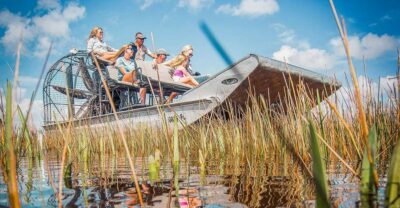
Miami: Everglades National Park Airboat Tour & Wildlife Show
Read our review →
Clear Kayak Tour of Shell Key Preserve and Tampa Bay Area
Read our review →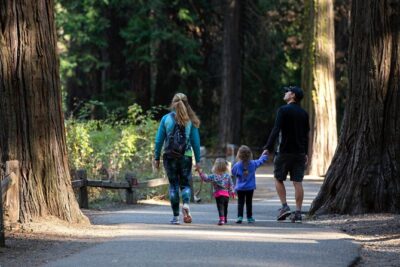
Yosemite Highlights & Giant Sequoias Day Tour from San Francisco
Read our review →
Grand Canyon National Park South Rim Bus Tour from Las Vegas
Read our review →
Wilderness, Wildlife, Glacier Experience from Anchorage
Read our review →