REVIEW · SRI LANKA
Udawalawe National Park: Elephant Safari with Expert Guide
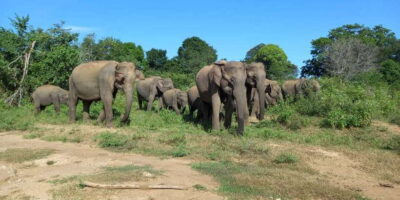
Elephants are only the beginning. This half-day safari gives you a strong chance to see wild elephants across Udawalawe National Park, along with crocodiles, buffalo, deer, jackals, monkeys, reptiles, and an impressive range of birds. The private 4×4 Jeep and flexible driving routes make the experience feel more personal than a large group outing.
I especially like the guides’ care around animals and their sharp eyes for small wildlife. Guides such as Gimhana, Udith, Jayashan, Gayan, Lasindu, and Jaya are repeatedly praised for giving animals space, switching off the engine during sightings, and allowing time for photographs. The main drawback is simple: wildlife never follows a timetable, and you may spend 10 or 15 minutes driving before the next sighting.
The price is $30 per person, but the park entrance fee adds $37 per person. That makes the basic total about $67 before any optional extras, yet the private vehicle, hotel transfer within the Udawalawe area, and experienced driver-guide make this a fair choice for elephant lovers. The 10-hour version includes lunch and water, while shorter trips do not.
Quick reasons to consider this safari
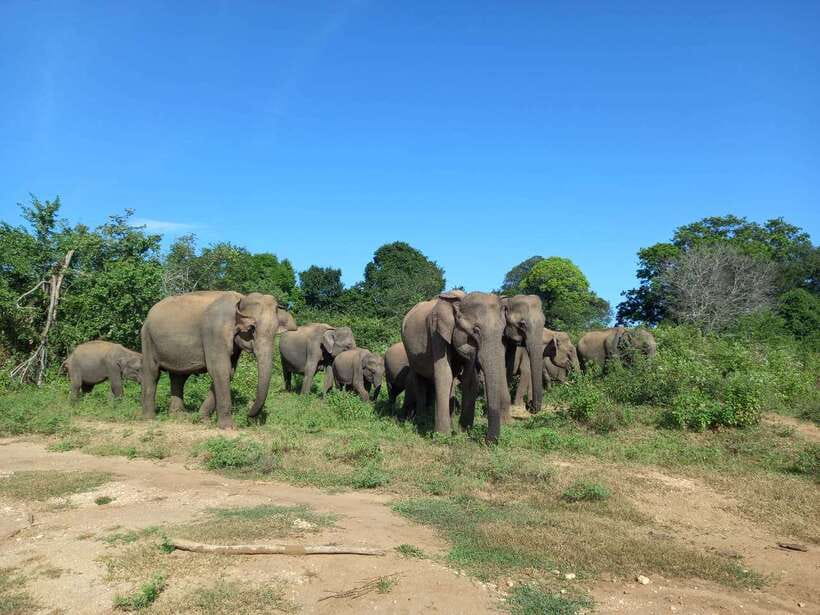
- Large elephant population: Udawalawe is home to more than 500 elephants, and sightings often include herds, calves, and occasionally tusked males.
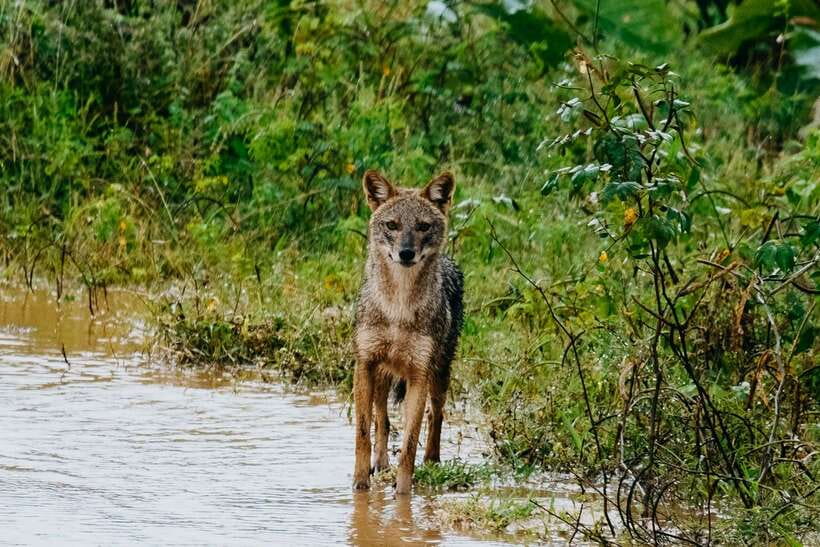
- A guide who watches the small stuff: Guides regularly point out jackals, mongoose, monitor lizards, crocodiles, eagles, junglefowl, and other animals you could easily miss.
- Quiet, respectful driving: The best guides keep their distance, turn off the engine, and let animals approach or move naturally.
- Useful early start: A 6:00 AM safari can place you in the park early, when animal activity and cooler air make the ride more comfortable.
- Private touring available: You can shape the outing around elephants, birds, photography, or a slower pace.
- Good transport service: Hotel pickup and drop-off in the Udawalawe area are included, and transport received a 96 percent perfect rating.
Why Udawalawe is a strong elephant choice
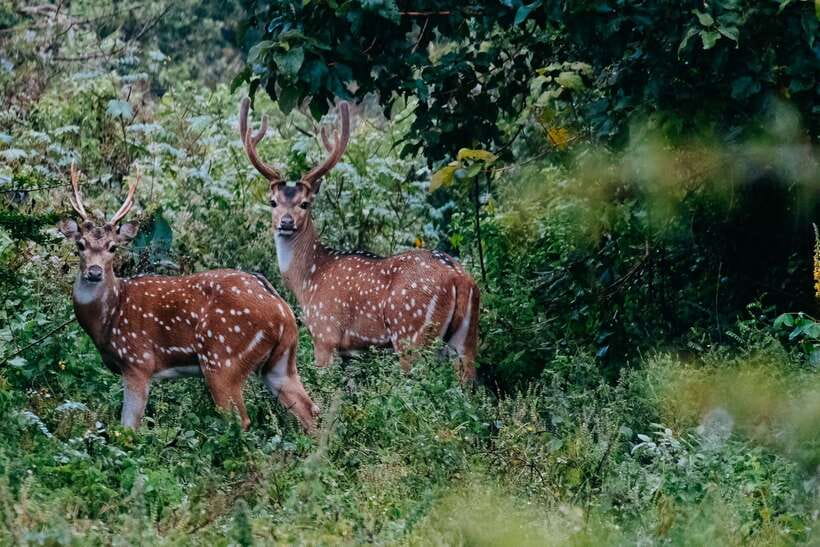
Udawalawe National Park covers 308 square kilometers on the border of Sri Lanka’s Sabaragamuwa and Uva Provinces. It was created to protect the watershed of the Udawalawe Reservoir, but its open grasslands, woodland, wetlands, and water edges now support a wide mix of wildlife.
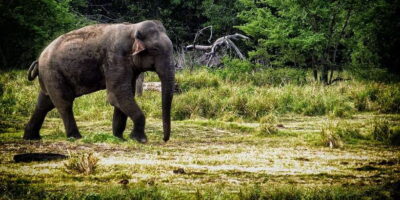
The park is especially well suited to elephant watching. Open ground makes large herds easier to spot than in a dense forest, and you may see elephants walking, feeding, bathing, or standing near the water. The setting also gives you a better sense of scale. This is not a quick stop at an enclosure. The elephants move freely, and your Jeep follows roads and tracks through their home.
I would choose Udawalawe if elephants are your main goal. Leopards can appear, but there is no guarantee. The strongest reason to come here is the regular chance of seeing elephants, often at close range without needing to chase them.
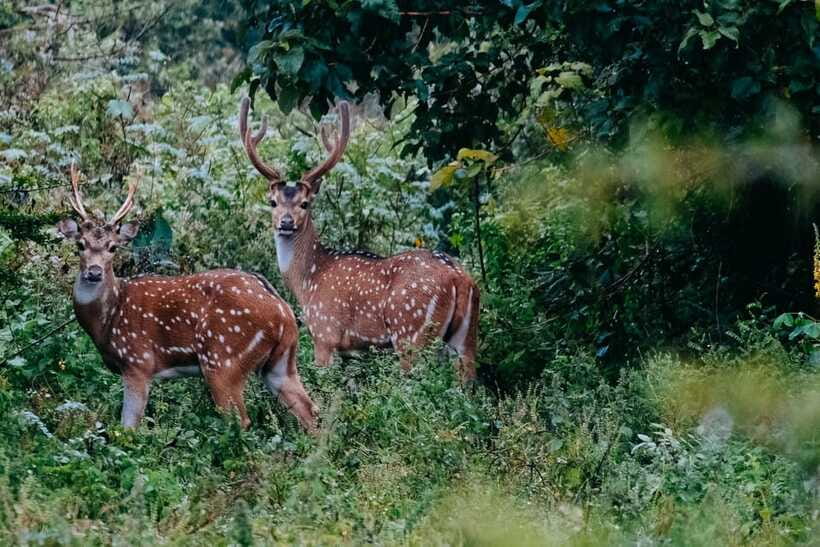
You may also see sambar deer, wild boar, water buffalo, crocodiles, jackals, monkeys, mongooses, monitor lizards, iguanas, and peacocks. Birdwatchers have plenty to watch for, including the endemic Sri Lankan junglefowl and Sri Lankan spurfowl, as well as eagles and other colorful species.
More National Park Safaris in Sri Lanka
- Yala National Park Safari Tours: Morning/Evening/Full Day
★ 4.8 · 818 reviews - Full day Safari – Yala National Park – 04.30 am to 06.00 pm with – Janaka safari
★ 5.0 · 603 reviews - Yala National Park: Half, 7-Hour, or Full-Day Safari & Meals
★ 4.8 · 489 reviews
Starting the ride: pickup, tickets, and the first tracks
Hotel pickup and drop-off are included for accommodations in the Udawalawe area. The operator can also help arrange transportation from farther away, as happened for people coming from Ella, but those transfers are an additional arrangement rather than part of the stated $30 safari price.
Early pickup matters. Some outings begin around 6:00 AM, and an early departure can get you to the park near opening time. That means cooler conditions and a chance to enter before the roads become busier. If you prefer a later start, afternoon departures around 2:00 PM are also possible, depending on availability.
Your driver or guide can explain how the park entry ticket works. The entrance fee is not included and costs $37 per person. It is a significant addition, so include it when comparing the total with other safari options.
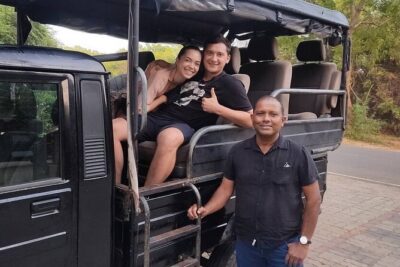
Once inside, the ride begins in an open-sided 4×4 Jeep. Expect bumpy tracks, wind, dust, and changing weather. One person with a young baby found the dust and cold morning air difficult, so bring a cover for children and an extra layer for early departures. Rain can also affect the day, although a good guide will adjust the pace and route.
Four hours among elephants, birds, and wetlands
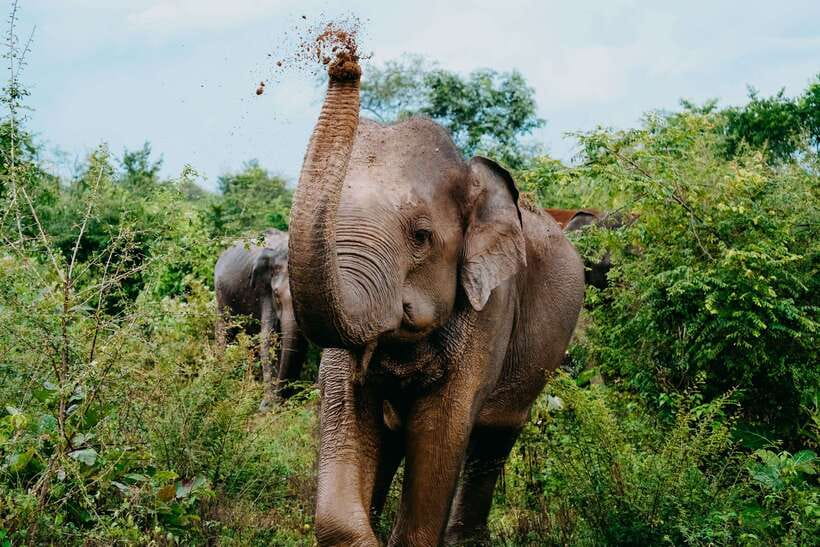
The four-hour safari is the most practical choice for many people. It gives you enough time to travel through different parts of the park without turning the outing into an all-day commitment.
The first part may involve steady driving while your guide searches the grasslands and tree line. Do not mistake a quiet stretch for a poor safari. Udawalawe is large, and 10 or 15 minutes between sightings is normal. Your guide is scanning constantly, often spotting movement or a bird well before you do.
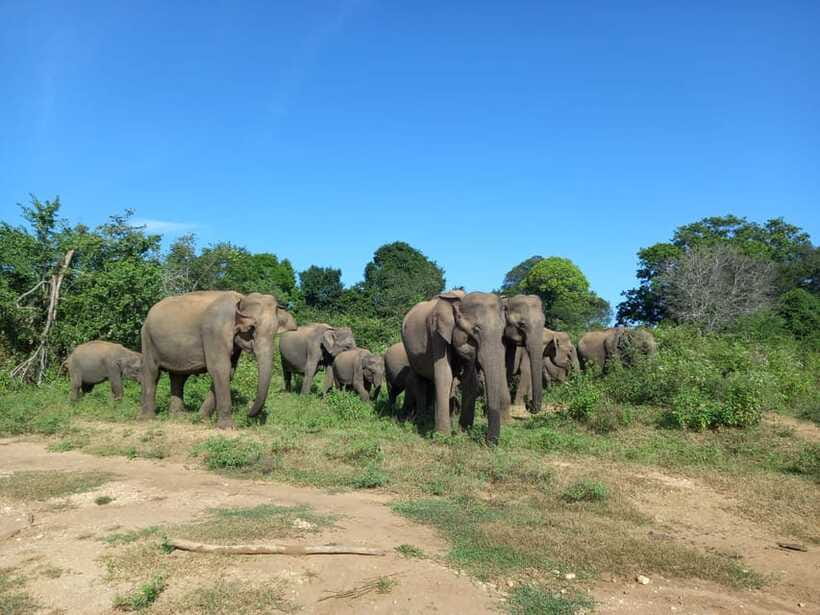
Elephants are the main event. You could see a single animal crossing the track, a family group with young, or a larger herd spread across open ground. Several outings recorded groups of more than a dozen elephants, and one sighting included more than 20. Those numbers are never promised, but the park gives you a genuine chance to see them.
Baby elephants are a special possibility. Families with young calves have been seen close to the Jeep, sometimes approaching out of their own interest. Keep your belongings inside the vehicle. One child’s family watched a young elephant nearly grab a handbag, a funny reminder that these are wild animals, not roadside performers.
The most responsible guides do not push close. They stop at a useful viewing distance, turn off the engine, and wait. This has two benefits: it is kinder to the animals, and it often produces better encounters. An elephant that chooses to walk nearer feels far more special than one surrounded by impatient vehicles.
Beyond elephants: the animals you may miss alone
A good driver-guide changes the safari from a ride through the park into an exercise in observation. Gimhana is frequently praised for finding hidden animals and taking less crowded routes. Udith, Jayashan, Gayan, Lasindu, Deneth, and Jaya are also noted for careful driving and strong animal-spotting skills.
Crocodiles are among the more reliable sightings near water. You may see several along a wetland edge, sometimes lying almost motionless and blending into the mud. Water buffalo and sambar deer add larger shapes to the view, while mongoose, jackals, wild boar, and monitor lizards reward slower scanning.
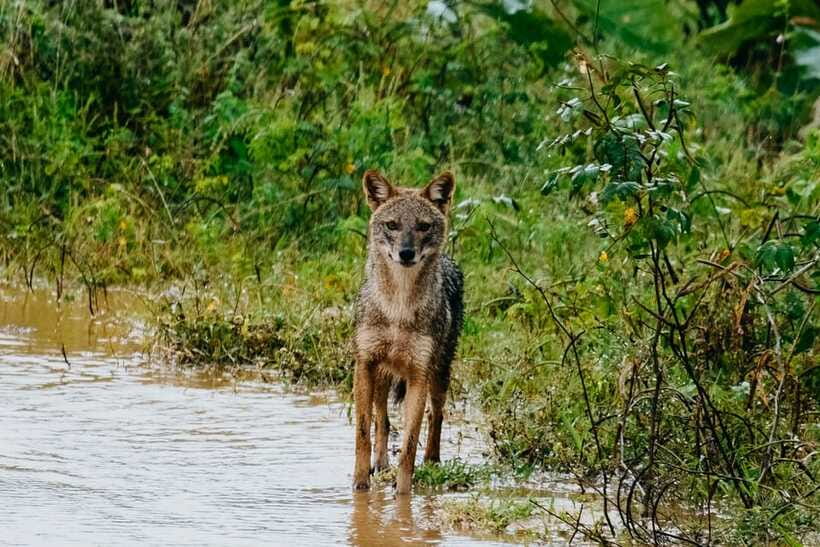
Jackals are not guaranteed, but they can be a memorable find. One outing spotted four, while another saw two golden jackals, which are harder to find because they are often active at night. Leopards are possible too, though they are much less predictable than elephants.
Birdlife deserves real attention. Sri Lankan junglefowl, spurfowl, peacocks, eagles, and many smaller birds can appear along the route. If you enjoy birds, tell your guide before setting off. One bird-focused visitor found that the guide stopped often and helped identify even small species. Some guides use an animal book to match what you see, which is useful if you do not know Sri Lankan wildlife.
More Wildlife and Elephant Encounters in Sri Lanka
- From Sigiriya: Minneriya National Park Elephant Safari
★ 4.8 · 365 reviews - Yala National Park Wildlife Safari/ Game Drive – by Ajith Safari
★ 4.5 · 351 reviews - Private Jeep Safari at Minneriya National Park to Visit Elephants
★ 5.0 · 338 reviews - Udawalawe: National Park Safari & Elephant Transit Home Tour
★ 4.9 · 183 reviews
What the guide adds to the experience
The guide is the difference between seeing an elephant and understanding the scene around it. An experienced guide can explain behavior, identify species, answer questions, and position the Jeep without crowding the animals.
The advertised driver-guide has more than 10 years of safari experience. In practice, the named guides vary, so you may not receive the same person shown in another booking. Gimhana receives especially strong praise for calm communication, humor, animal knowledge, route choice, and care for passengers. He also helped arrange transfers, breakfast, binoculars, and other practical details on some outings.
That kind of support is valuable on an early start. One morning safari included a traditional Sri Lankan breakfast, while another guide brought water and cookies. These extras are not listed as standard for every short safari, so treat them as welcome touches rather than guaranteed inclusions.
You can also choose a driver-only option in some arrangements. One driver still explained the animals and managed the trip well, but an additional guide may be worthwhile if wildlife identification matters to you. One visitor paid $35 extra for an additional guide and felt the added information justified the cost.
English and Sinhala are available. English ability may vary between guides, so if detailed explanations are important, request an English-speaking guide when booking.
Four hours or ten hours?
The four-hour version offers the best balance for most people. It is long enough for multiple routes and animal sightings, but short enough for children and anyone who finds rough roads tiring. Several people said the time passed quickly, which is usually a good sign on a safari.
The 10-hour option suits serious wildlife fans, photographers, or anyone who wants a slower day. It includes lunch and water, giving you more time to wait quietly at good viewing points. A seven-hour outing included lunch in the park, surrounded by wildlife, which shows how the longer format can feel less hurried.
Still, a longer safari does not guarantee more dramatic animals. It gives you more searching time, not a promise of a leopard or a huge herd. The Jeep can be dusty and tiring, and the roads may feel rough after several hours. For a first safari, I would normally choose four hours unless you are particularly interested in birds or photography.
Price, value, and extra costs
At $30 per person, the tour price looks low until you add the $37 park entrance fee. Your basic total is therefore about $67 per person. The cost includes private safari transport, a driver-guide, and pickup and drop-off in the Udawalawe area.
That is reasonable value if you want a private vehicle and direct help finding wildlife. You are not simply paying for a drive. You are paying for local route knowledge, animal spotting, safe handling of the Jeep, and the convenience of hotel transport.
The 10-hour option has better practical value if you would otherwise need to arrange lunch and water yourself. The short trip is likely the better budget choice if elephants are your priority and you do not need a full-day outing.
Remember that extra transport from places such as Ella may cost more. An additional guide may also carry a separate charge. Confirm those details before paying so the final figure does not surprise you.
Useful tips for a better safari
- Choose an early start if you want cooler air and a chance to enter before the busiest period.
- Bring a light jacket for the morning. Several outings began in chilly conditions.
- Cover your face and camera gear on dusty tracks, especially with young children.
- Tell the guide your priority before entering. Say if elephants, birds, photography, or a slower pace matter most.
- Keep hands and loose items inside when elephants approach the Jeep.
- Pack patience. A quiet stretch of 10 or 15 minutes is normal in a large park.
- Ask about binoculars if birdwatching matters to you. They were provided on at least one outing, but they are not listed as a standard inclusion.
- Do not bring a drone, alcohol, or drugs.
- Expect rough access roads. The activity is not suitable for pregnant women or people with mobility impairments.
Cancellation is flexible up to 24 hours before the start for a full refund, and you can reserve now and pay later. That is useful when your Sri Lankan route depends on weather and transport.
Who should book this Udawalawe safari?
I would recommend it most strongly to elephant lovers, families with older children, couples wanting a private outing, solo visitors who value hotel pickup, and birdwatchers who want a guide to point out smaller species.
It is also a good choice if you prefer a calm safari style. The best accounts describe drivers who avoid crowded routes, switch off the engine near animals, and wait for passengers before moving on. That approach feels more respectful and gives you time to watch rather than simply collect photographs.
I would think twice if you dislike bumpy transport, early mornings, dust, or uncertain wildlife sightings. The park is large, and no guide can promise a leopard, a particular bird, or a specific number of elephants.
Should you book it?
Yes, if your main goal is to see wild elephants in a private Jeep with an attentive guide. The strong points are clear: a large elephant population, flexible four to 10-hour formats, hotel pickup in the Udawalawe area, and guides who are repeatedly praised for respectful driving and sharp animal-spotting.
Choose the four-hour trip for a focused, sensible safari. Choose 10 hours if you want more time for birds, quiet observation, and lunch in the park. Before booking, confirm the guide language, total cost including the $37 entry fee, any long-distance transfer, and whether an extra guide is included. With those details clear, this is a practical and highly appealing way to experience Udawalawe.
FAQ
How much does the Udawalawe safari cost?
The safari costs $30 per person. Udawalawe National Park entry is separate and costs $37 per person, making the basic combined cost about $67 per person.
How long does the safari last?
The available duration is between four and 10 hours. Starting times vary, so check the available options when booking.
Is hotel pickup included?
Hotel pickup and drop-off are included for hotels in the Udawalawe area. Transfers from farther locations, such as Ella, may need to be arranged separately.
Is the safari private?
A private group option is available. The experience uses a private 4×4 Jeep, but confirm the exact group arrangement when booking.
What animals can I see?
You may see elephants, leopards, crocodiles, sambar deer, wild boar, water buffalo, jackals, monkeys, mongooses, monitor lizards, iguanas, and many birds. Wildlife sightings are not guaranteed.
Does the 10-hour safari include food?
Lunch and water are included if you select the 10-hour option. They are not listed as standard inclusions for the shorter safari.
What languages are available?
The live guide languages are English and Sinhala.
Are there any restrictions or accessibility concerns?
Drones, alcohol, and drugs are not allowed. The safari is not suitable for pregnant women or people with mobility impairments.
More Udawalawe National Park Safaris in Sri Lanka
- Udawalawe National Park Safari trip from Galle/Mirissa/Ella
★ 5.0 · 33 reviews - Udawalawa National Park half day Safari
★ 5.0 · 32 reviews - From Ella: All Inclusive Udawalawe National Park Safari
★ 4.8 · 19 reviews - Udawalawe National Park Safari from Weligama
★ 5.0 · 14 reviews
Just added around Sri Lanka
- From Ella: Udawalawe National Park Safari Tour★ 5.0 · 12 reviews
- From Ella – Yala National Park Leopard Safari Tour★ 3.8 · 5 reviews
- From Ella: All Inclusive Udawalawe National Park Safari★ 4.8 · 19 reviews
- From Ella: Yala National Park Jeep Safari Tour★ 4.6 · 25 reviews
- From Dambulla: Minneriya National Park wild Jeep Safari★ 5.0 · 3 reviews
- From Colombo: Private Minneriya National Park Day Safari★ 5.0 · 3 reviews
- From Colombo: Yala National Park Safari with Transfer★ 5.0 · 3 reviews
- All inclussive Udawalawa National Park Safari From Colombo★ 3.9 · 11 reviews
Udawalawe National Park Safaris, compared.
Udawalawe: National Park Safari & Elephant Transit Home Tour
Read our review →
Udawalawe National Park Safari trip from Galle/Mirissa/Ella
Read our review →
From Ella: All Inclusive Udawalawe National Park Safari
Read our review →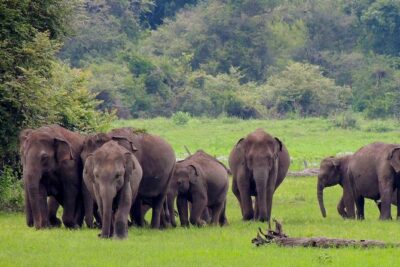
Explore The Beauty Of Udawalawe National Park From South Coast During 01 Day
Read our review →