
REVIEW · ARGENTINA
From Ushuaia: Discover Tierra del Fuego National Park
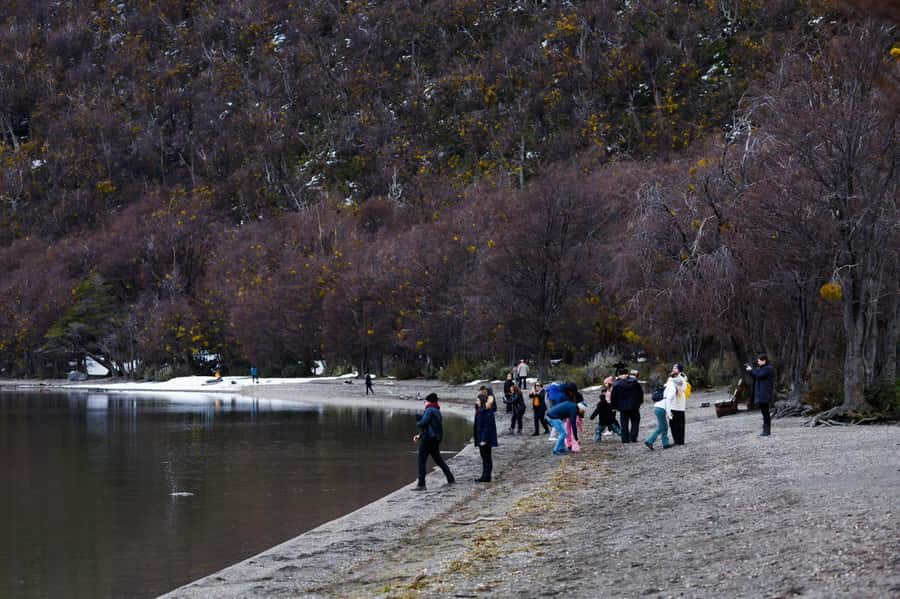
The end of the world starts near Ushuaia. This half-day outing gives you Lapataia Bay, Lake Acigami, and the Beagle Channel coast in one tidy trip. I like the mix of short walks and scenic photo stops, and I like that hotel pickup keeps the morning simple. The main catch is that the park entrance costs extra, and the route may overlap with the famous End of the World Train.
If you have only a few hours in Ushuaia, this is an efficient introduction to Tierra del Fuego National Park. Just do not assume you are joining a tiny group. One recent departure filled a complete coach, which can make stops feel less personal and slower than expected.
Key points at a glance
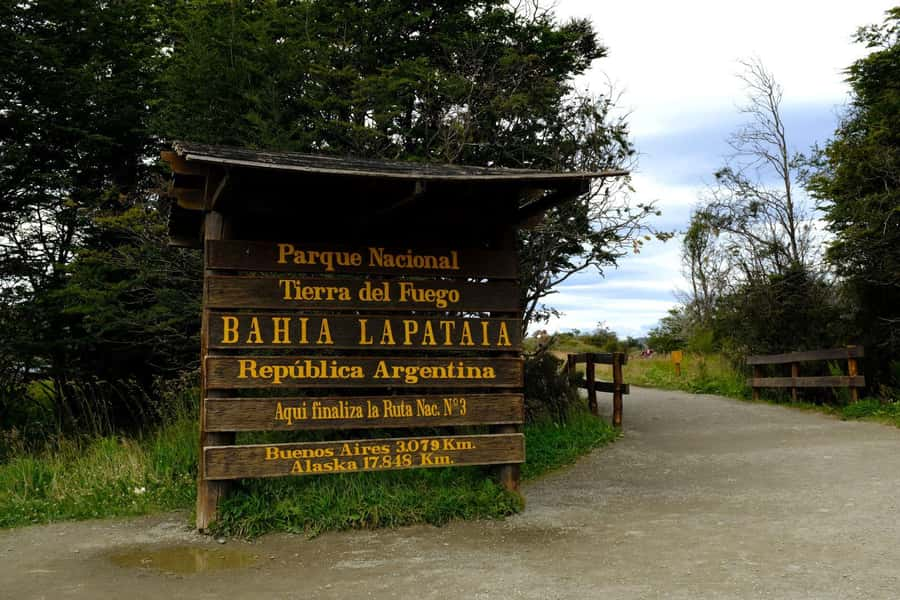
- Lapataia Bay marks the end of National Route 3: This is the tour’s signature stop and the place where the Pan-American Highway reaches its southern endpoint.
- Lake Acigami brings mountain and water views: The lake is one of the most photogenic parts of the park, with the Fuegian forest around it.
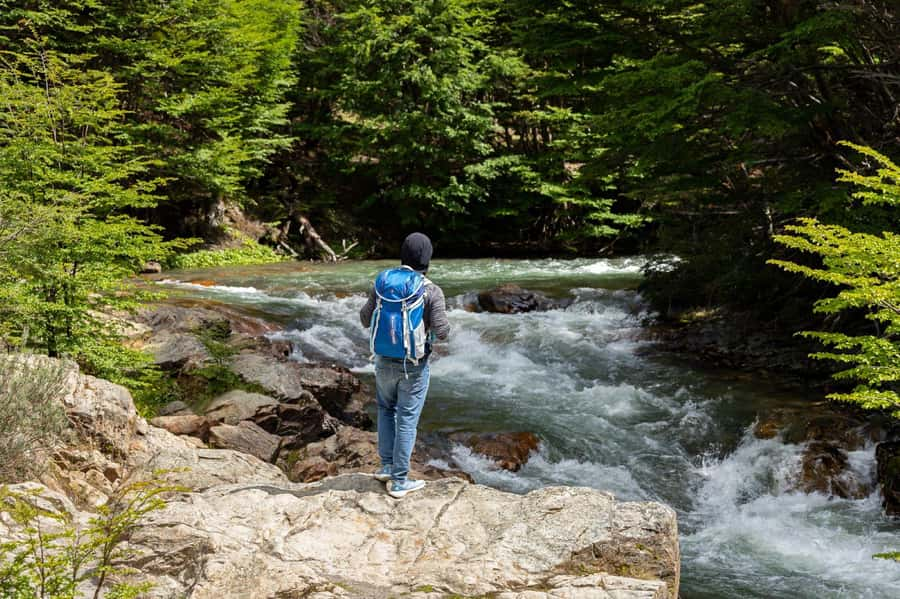
- Pipo River and Mount Susana add variety early: The route begins with rivers, hills, and forest before reaching the park’s best-known sites.
- Wildlife is possible, not guaranteed: You might see a Fuegian red fox, cachaña, giant woodpecker, rayadito, Patagonian thrush, or caranca goose.
- The $72 price is not the full cost: Add about $22 for the park entrance, payable in cash only.
- The train comparison matters: If you have already taken the End of the World Train, some scenery may feel familiar, and you may spend time near the train stations.
Why Tierra del Fuego National Park is worth your time
Tierra del Fuego National Park lies about 11 kilometers southwest of Ushuaia, reached by National Route 3. It is Argentina’s southernmost protected area and has an unusual combination of maritime coast, mountains, rivers, lakes, and subantarctic forest.
That variety is the reason I find this outing appealing. In a single five-hour trip, you can look across the Beagle Channel, walk beside a river, photograph a mountain lake, and finish at the end of a major highway. You get a sense of the region without needing a full-day trek or a complicated rental-car plan.
The park also has a clear geographic story. The forests, water, and mountains are not separate attractions arranged in a sightseeing checklist. They fit together as the natural setting around Ushuaia, where the southern Andes meet the sea.
Your guide leads in English and Spanish, which helps explain what you are seeing as the vehicle moves between stops. The tour is designed for sightseeing rather than strenuous hiking, with a short walk included when weather allows. That makes it a good choice if you want fresh air and movement but are not looking for a serious trail day.
A few more park trips around Argentina worth a look
- Ushuaia: National Park & Train of the End of the World Tour
★ 4.5 · 811 reviews - National Park and Train Trip End of the World Guided Tour
★ 4.0 · 414 reviews - From Salta: Cachi and Los Cardones National Park Tour
★ 4.5 · 285 reviews
From Ushuaia to Pipo River and Mount Susana
The experience begins with pickup from hotels in central Ushuaia. Some hotels are outside the pickup route. If yours is not covered, you receive a nearby meeting point and need to wait in the lobby of the specified hotel.
That arrangement is practical, but check the pickup note carefully. A short transfer to another hotel is far easier than waiting at the wrong entrance while a coach leaves town.
Once you are aboard, the trip heads southwest on National Route 3. The first points of interest include the Pipo River and Mount Susana. These early stops help you shift from city sightseeing to the park’s wilder setting.
The Pipo River gives you moving water and forest, while Mount Susana adds a strong mountain backdrop. I would use this part of the route to get your camera ready and pay attention to the changing scenery. The point is not one blockbuster view yet. It is the gradual change from Ushuaia’s streets to the open country around the park.
A coach tour also means the guide controls the pace. That can be useful in a region where weather changes quickly, but it limits how long you can linger at one view. If you prefer setting your own timing, a private outing or rental car may suit you better.
Lake Acigami brings the big views
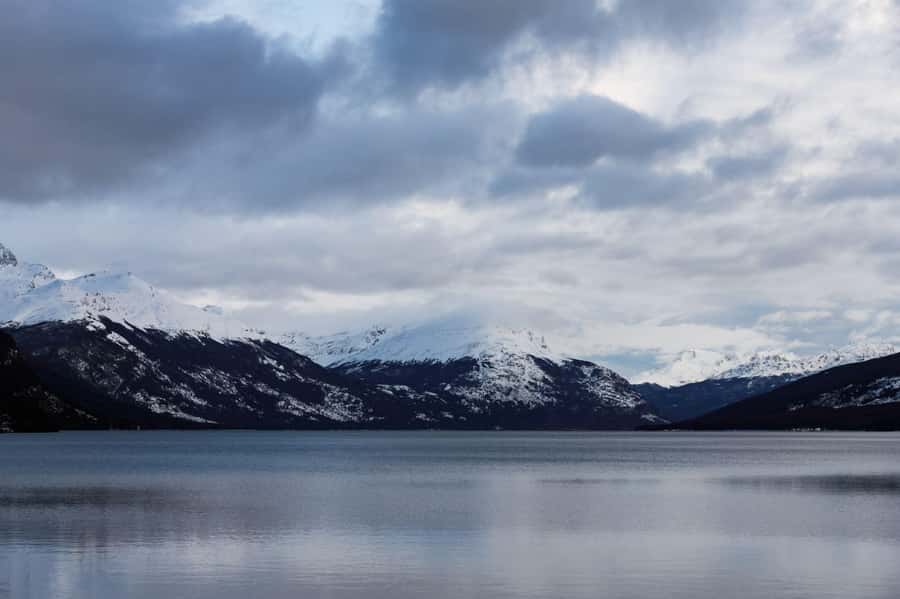
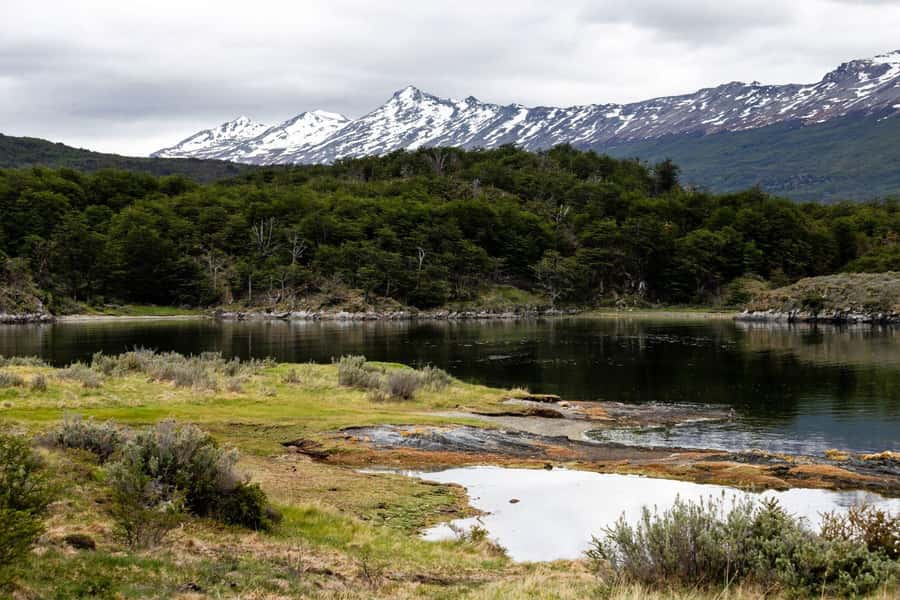
Lake Acigami is one of the strongest stops on the route. The water, mountain slopes, and southern forest create the sort of broad view that explains why the park is so popular.
This is a good place for photos because the scenery has several layers: water in the foreground, wooded ground around the shore, and mountain forms beyond. Weather will shape the view. Clear conditions give you more distance, while cloud and mist can make the scene feel darker and more remote.
I like that the lake is part of a wider route rather than the only purpose of the outing. You are not spending five hours driving to one viewpoint and back. Instead, the lake fits into a chain of rivers, forests, valleys, and coastal scenery.
Still, keep your expectations realistic. The excursion promises photo stops and a short hike, not an extended lakeside walk. The amount of time outside depends on weather and the guide’s schedule, so this is best for taking in the view rather than settling in for a long, quiet walk.
Alakush Visitor Center and Laguna Verde

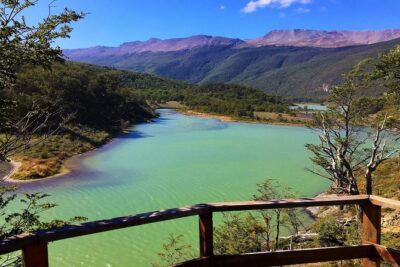
The route also includes the Alakush Visitor Center and Laguna Verde. These stops add context and another look at the park’s water and forest setting.
The visitor center is a useful pause in a five-hour outing. It breaks up the vehicle time and gives the route a recognizable point between the lake and Lapataia Bay. The supplied information does not promise a museum program or a particular indoor presentation, so think of it as a scheduled stop rather than a major attraction with a long visit.
Laguna Verde brings another smaller body of water and a different scale of scenery. After the broad views around Lake Acigami, this section can feel more intimate, with forest and wetland elements close around the route.
Weather matters at both stops. The park’s southern location means wind, rain, and low cloud can affect the walking portion. The tour allows a short hike subject to conditions, so bring clothing that lets you step outside comfortably even when the forecast looks uncertain.
Same corner of the map, a different park:
- Ushuaia: National Park, Train, and Beagle Channel Navigation
★ 4.5 · 182 reviews - Shore Excursion – National Park Tierra del Fuego
★ 4.5 · 169 reviews - Tierra del Fuego National Park, Ushuaia City Tour Shore Excursion
★ 4.5 · 154 reviews - Ushuaia: Tierra del Fuego National Park
★ 4.0 · 115 reviews
Lapataia Bay and the end of Route 3
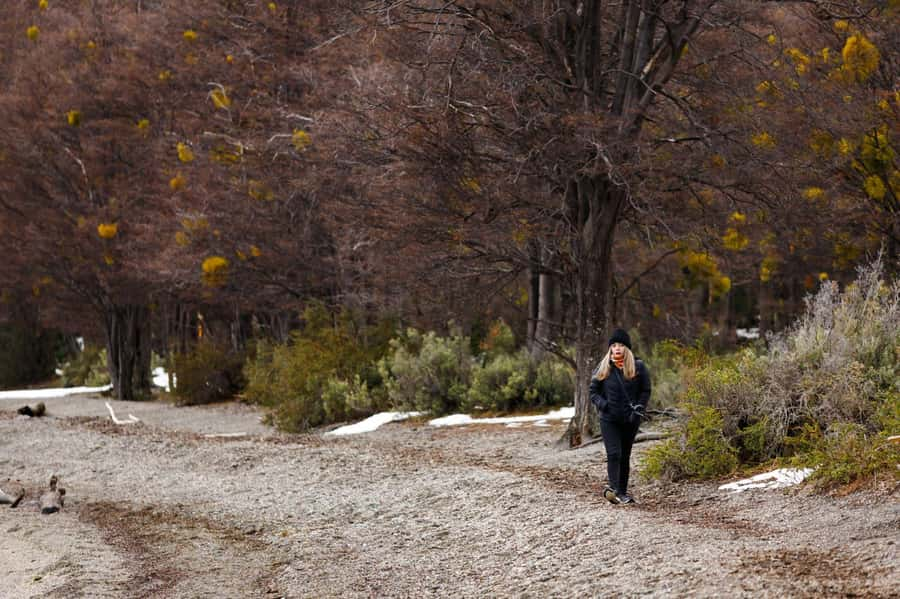
Lapataia Bay is the emotional high point of the tour. Here, National Route 3 reaches its famous southern endpoint, completing the long road connection associated with the Pan-American Highway.
That road marker gives the stop more meaning than a standard viewpoint. You are not simply looking at water and forest. You are standing at a place connected to one of the world’s best-known road journeys, with the Beagle Channel and the park around you.
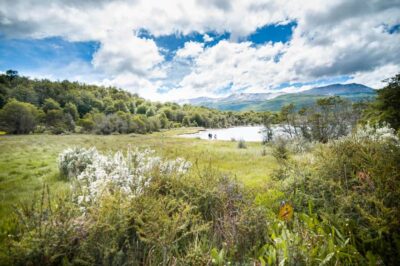
The bay also delivers the kind of scenery people come to Tierra del Fuego to see: wooded slopes, cold water, rugged ground, and a feeling of distance from the rest of Argentina. I would allow time for both the classic endpoint photo and a slower look at the natural setting.
The drawback is that Lapataia Bay is popular and the tour may reach it with other groups nearby. A full coach can also make boarding and unloading take longer. The stop remains worthwhile, but do not expect complete solitude or unlimited time at the shore.
Wildlife in the Fuegian forest
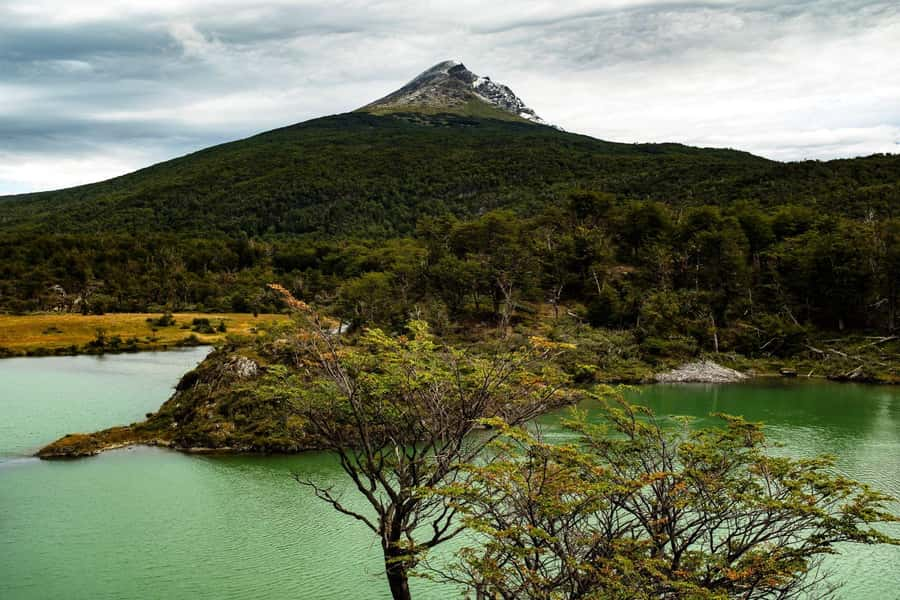
The park gives you a chance to spot native wildlife, though no guide can promise an animal appearance. The Fuegian red fox is one of the most appealing possibilities. You may also see birds including the cachaña, giant woodpecker, rayadito, Patagonian thrush, and caranca goose.
The caranca goose is especially tied to the identity of the park and is described as its emblematic goose. Keep your attention on forest edges, open areas, river corridors, and the water around the stops. A coach window is not the best place for close birdwatching, so use the outdoor pauses well.
I would bring binoculars if you already own a pair, but do not buy this excursion solely for wildlife. The central attraction is the combination of scenery and accessible viewpoints. Animals are a welcome extra, not the main event.
Your guide’s observations can make a difference here. A local guide may notice movement or identify a bird before you do, while the bilingual format lets both English- and Spanish-speaking passengers follow the explanation.
The short hike and the limits of a five-hour trip
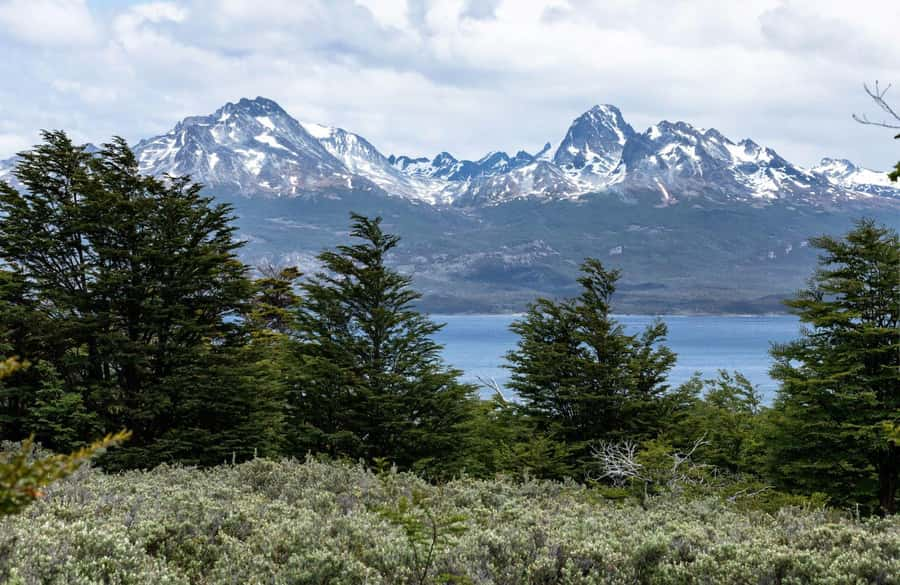
The activity lasts five hours, including pickup, park driving, stops, and the return to Ushuaia. That is enough time for a useful first look, but not enough for long walks at every location.
I see this as a strength for many visitors. You can visit several major park points without giving up an entire day. It also works well beside a boat trip on the Beagle Channel or other Ushuaia activities.
The tradeoff is pace. A short hike may be just enough to stretch your legs and get into the forest, but it will not satisfy someone seeking a long trail. The exact walking time depends on weather conditions and the group schedule.
Wear shoes suitable for a short nature walk and bring an extra layer. The information provided does not specify a trail length or difficulty, so you should treat the walk as light outdoor activity, not a demanding hike.
The End of the World Train issue
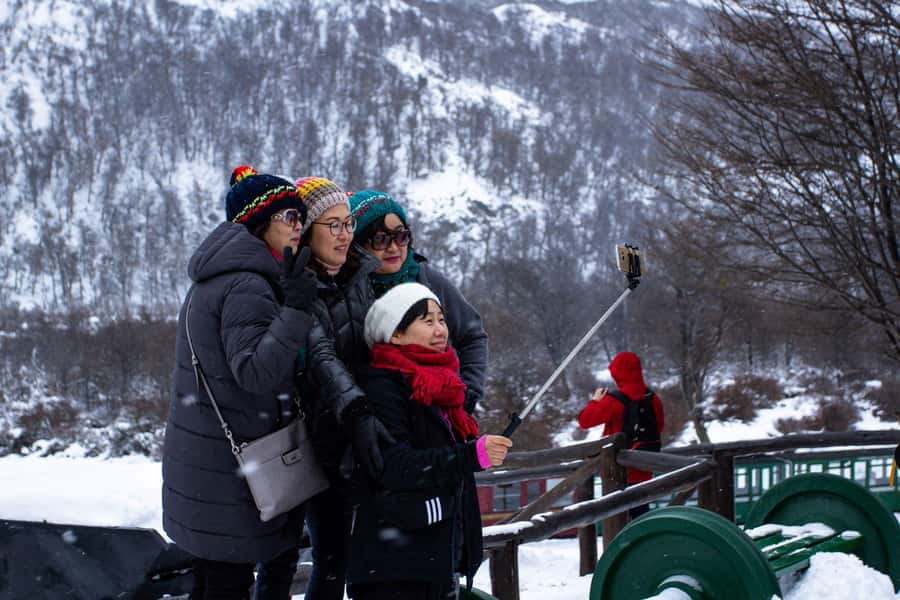
The biggest practical question is whether you have already taken the End of the World Train. The road route includes scenery near the train journey, and one recent passenger found that the coach repeated much of the experience.
That concern is worth taking seriously. The road trip still reaches Lake Acigami, Laguna Verde, and Lapataia Bay, so it is not simply a train replacement. But if you have already done the train and want every excursion to feel completely new, parts of the route may seem familiar.
There can also be waiting near the train’s departure and arrival stations if the schedule overlaps. That reduces time available for the park’s scenic stops and may feel inefficient if you specifically chose this trip to avoid the train.
My advice is simple: book this park outing before the train if you want to compare the routes. If the train is already on your schedule, ask yourself how much you value Lapataia Bay and the lake stops. Those are the reasons to go again. If you want a new route with no repeated scenery, look carefully at the timing before paying.
Group size, guide service, and comfort
Hotel pickup and drop-off from central Ushuaia hotels make this easier than arranging park transport on your own. You do not need to navigate National Route 3 or work out how to connect several park stops.
The group size may vary. At least one departure operated with a full coach rather than a small group of around ten people. That means the guide may need to repeat instructions, coordinate more people at each stop, and keep a firm departure time.
A full coach is not automatically a problem. It can keep the price reasonable and provide a straightforward way to cover a spread-out park. But it changes the mood. You get less flexibility, less quiet, and fewer chances to ask long questions while everyone waits.
I would choose this format if you value convenience and a broad overview. I would look for a smaller or private option if you care most about photography, birdwatching, or spending extra time at one location.
Is the $72 price good value?
The listed price is $72 per person. The National Park entrance is separate and estimated at $22, bringing the basic cost to about $94 before meals and drinks.
That is a fair price if you want transport, a bilingual guide, and several park stops without arranging a car. Hotel pickup adds practical value, especially in Ushuaia, where the park is outside the city and the route covers several locations.
The value is weaker if you only want a single viewpoint or if you have already seen the same road scenery from the train. In that case, you may spend money for repetition.
Food and beverages are not included. Since the activity lasts five hours, plan ahead, though the supplied details do not specify meal stops or whether food is available along the route. Keep cash ready for the entrance fee. Credit and debit cards are not accepted at the park entrance.
Free cancellation is available up to 24 hours before departure, and you can reserve now while paying later. Those terms are useful if your Ushuaia plans depend on weather, but they do not remove the need to check the forecast and pickup instructions.
Who should book this park tour?
I would recommend it to a first-time visitor who wants the main sights of Tierra del Fuego National Park in half a day. It also suits you if you prefer guided transport, want explanations in English or Spanish, and like a mix of scenic stops with a short walk.
Families and visitors with limited time may find the five-hour schedule useful. The tour offers plenty of scenery without requiring a full-day commitment or a long hike.
I would be more cautious if you have already taken the End of the World Train, especially if you dislike repeating a route. You should also think twice if your priority is quiet photography, detailed birdwatching, or a flexible pace. A full coach can make those aims harder.
Final verdict
Book this excursion if you want an efficient introduction to the park’s best-known sights, especially Lake Acigami and Lapataia Bay. The combination of mountain water, forest, river, coastal views, and a bilingual guide gives you a solid picture of Tierra del Fuego in five hours.
Skip it, or compare alternatives, if you have already taken the train and do not want overlapping scenery. Also budget the extra $22 entrance fee in cash, and expect a standard coach experience rather than an intimate small-group outing.
FAQ
How long does the Tierra del Fuego National Park tour last?
The activity lasts five hours, including hotel pickup, the park visit, stops, and return to your hotel in Ushuaia.
Is hotel pickup included?
Yes. Pickup and drop-off are included for hotels in downtown Ushuaia. Some hotels are outside the pickup routes. If yours is not included, you will be given a nearby pickup location and should wait in that hotel’s lobby.
What languages does the guide speak?
The guided tour is available in English and Spanish.
Is the National Park entrance fee included?
No. The entrance fee is estimated at $22 and is paid separately upon arrival at the park.
Can I pay the park entrance fee by card?
No. The entrance fee must be paid in cash. Credit and debit cards are not accepted.
What places are included on the route?
The route includes the Pipo River, Mount Susana, Lake Acigami, the Alakush Visitor Center, Laguna Verde, and Lapataia Bay. It also includes photo stops and a short hike when weather conditions allow.
Just added around Argentina
- 13-Day Best of Patagonia Tour from El Calafate to Ushuaia: Los Glaciares, Torres del Paine and Tierra del Fuego National Parks★ 4.5 · 39 reviews
- Tierra del Fuego National Park★ 4.5 · 4 reviews
- Private Experience “Tierra del Fuego” National Park★ 4.7 · 3 reviews
- Los Glaciares National Park and Perito Moreno Glacier Tour★ 4.7 · 49 reviews
- Full Day Trip to Tierra del Fuego National Park★ 4.2 · 3 reviews
- Ushuaia: Tierra del Fuego National Park★ 4.0 · 115 reviews
- Shore Excursion – National Park Tierra del Fuego★ 4.5 · 169 reviews
- Tierra del Fuego National Park, Ushuaia City Tour Shore Excursion★ 4.5 · 154 reviews
Ushuaia National Park Tours, compared.
Ushuaia: National Park & Train of the End of the World Tour
Read our review →
National Park and Train Trip End of the World Guided Tour
Read our review →
Ushuaia: National Park, Train, and Beagle Channel Navigation
Read our review →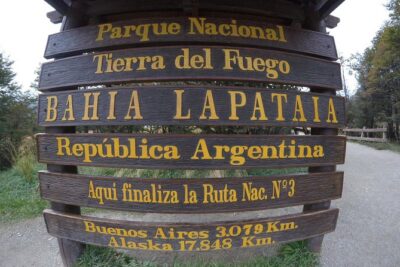

Tierra del Fuego National Park, Ushuaia City Tour Shore Excursion
Read our review →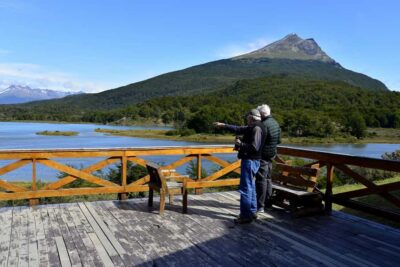
Browse the lists this tour appears in