
REVIEW · AUSTRALIA
Kalbarri: Murchison River Wilderness Wildlife Cruise
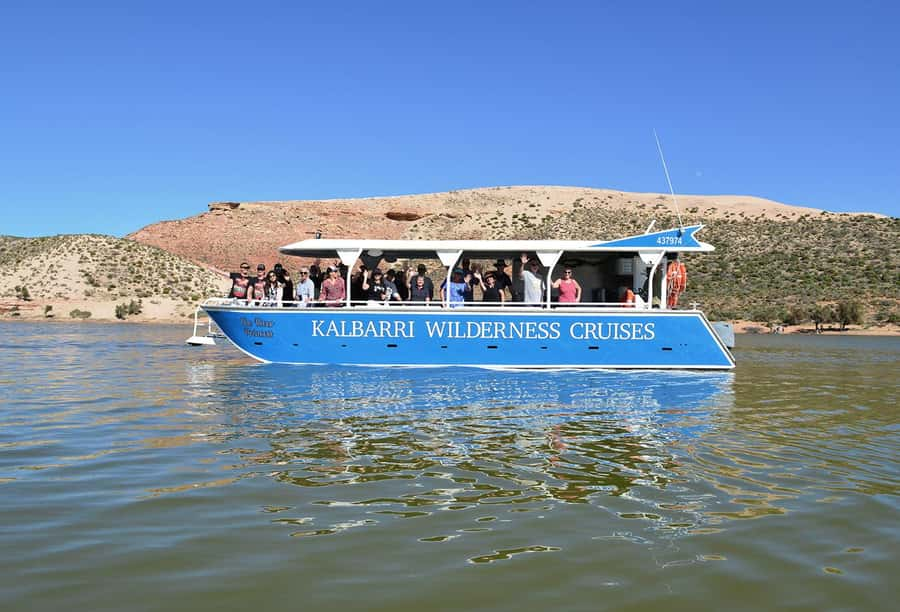
The river saves its best surprises for the banks. I like the easy pace, which gives you time to watch birds, take photos, and listen to stories about Kalbarri’s fishing life, plants, animals, and past. I also like the chance to reach the Murchison River mouth, where river water meets the Indian Ocean in a channel known for its rough conditions. The main drawback is that parts of the lower river can feel quiet and repetitive, especially when wildlife keeps out of sight.
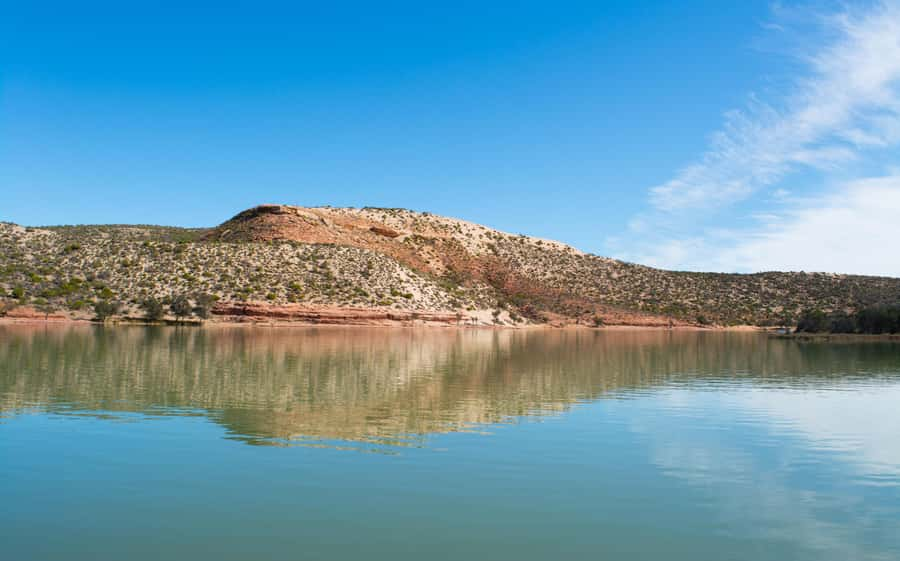
This is a gentle 150-minute outing rather than an action-packed boat trip. You travel about 6 kilometres upstream, then return before heading to the river mouth. The scenery includes red rock, low scrub, wide open spaces, and a narrow channel near Goat Island. Sightings can include pelicans, ospreys, kites, egrets, black swans, sea eagles, kangaroos, emus, goats, fish, and sometimes dolphins.
Key Points to Know Before You Go
- The cruise covers 12 kilometres on the lower Murchison River, the furthest point vessels can reach from Kalbarri.
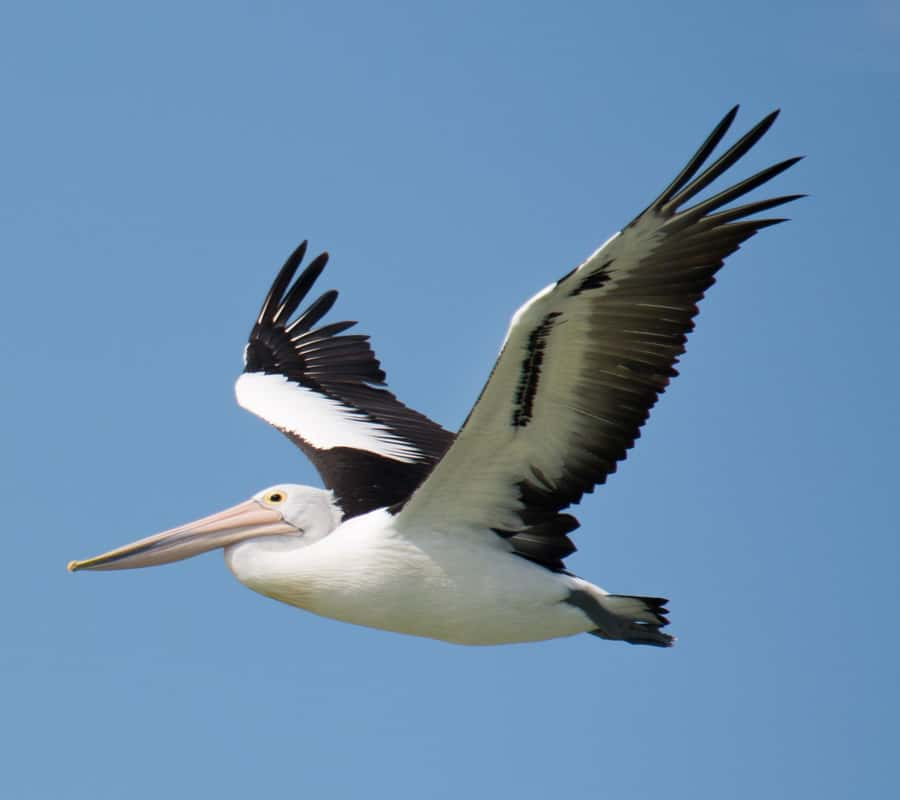
- Birdwatching is a major part of the trip, with possible sightings of pelicans, whistling kites, cormorants, egrets, black swans, and white-breasted sea eagles.
- Rocky Crossing provides a possible leg-stretching stop, along with a good chance to photograph the coloured rock walls.
- The river mouth is part of the route, giving you a close look at the force of the Indian Ocean as boats pass through.
- Departure times follow the tide, so your exact start time can change with the season and daily conditions.
- Tea and coffee are included, but the licensed bar is an extra service rather than part of the ticket.
Why This Kalbarri Cruise Is Worth Your Time
At $49 per person, this is fairly priced for a 2.5-hour guided cruise. You are paying for more than a boat ride. The trip combines scenery, wildlife watching, local stories, and a look at a difficult marine passage that you cannot appreciate as easily from shore.
I see this as a good choice for a day when you want to enjoy Kalbarri without a long walk or demanding activity. The boat does the work, while you sit back and scan the riverbanks. Families can join without needing special fitness, and the relaxed format suits anyone who prefers nature observation to speed.
The guides are a big part of the value. Their commentary covers the local fishing industry, regional history, animals, and plant life. The tone is friendly and humorous, not a dry lecture. You can ask questions and share what you know, or simply sit quietly with your camera and let the river set the pace.
The cruise has earned a 4.6 rating from 26 ratings, with especially strong praise for the friendly guides, clear commentary, family appeal, and wildlife sightings. One recent outing included whistling kites, pelicans, cormorants, jumping fish, kangaroos, dolphins, and seagulls flying beside the boat. Those sightings are never guaranteed, but they show how much the lower river can offer on a good day.
More Wildlife and Elephant Encounters in Australia
- Kakadu Wildlife Escape Fogg Dam or Crocodile Cruise from Darwin
★ 4.5 · 295 reviews - Darwin: Kakadu National Park & Wildlife Full Day Tour
★ 4.5 · 200 reviews - Kakadu National Park Wildlife & Ubirr Rock Art Tour from Darwin
★ 4.5 · 101 reviews
Getting to the Boat at Memorial Drive
You meet at the grass in front of the Marine Rescue building at 1 Memorial Drive in Kalbarri. Arrive 15 minutes before departure, and keep clear of the boat ramp.
The vessel pulls onto the beach in front of the grassed area. Passengers board using a ramp, which makes the start fairly simple and helps explain why the cruise is listed as wheelchair accessible. The crew gives a safety speech and induction before leaving, so you know what to expect before the boat moves.
Bring water, sunscreen, sunglasses, a camera, insect repellent, and a jacket. Even when the day feels warm on shore, the open boat can feel cooler once it is moving. A jacket also helps on sunset departures.
Smoking, alcohol, and drugs are not allowed. Tea and coffee are supplied, while a licensed bar is available on board but is not included in the ticket.
The First Six Kilometres on the Murchison
The boat follows the lower reaches of the Murchison River for roughly 6 kilometres. This is the furthest upstream point any vessel can reach on this route, giving you a clear sense of the river’s changing character without turning the trip into an all-day outing.
At first, the waterway feels enclosed by the riverbanks. As you continue, the country opens into wider spaces with low shrubbery. This change matters because the open banks give you better sightlines for birds and animals. Keep your eyes moving rather than staring at one spot. A bird perched on a branch can disappear quickly, while movement on the bank may reveal a kangaroo, emu, or goat.
Birdlife is the main attraction here. Possible sightings include ospreys, kites, pelicans, egrets, black swans, and white-breasted sea eagles. Whistling kites and cormorants have also been seen. The guides help point out what you are looking at, which is useful if you are not familiar with Australian birds.
This is not a guaranteed wildlife show. You may see several species in a short stretch, or you may spend part of the journey watching an empty bank. That uncertainty is part of any wildlife outing, but it is worth setting your expectations properly. The cruise gives you a good viewing position and local guidance, not a promise of a particular animal.
Coloured Rock, Goat Island, and Rocky Crossing
The river scenery changes again where sections of coloured rock rise beside the water. These formations give the trip more visual variety than a simple flat-water cruise. They also create some of the better photo opportunities, especially when the boat pauses near a striking red rock face.
A narrow channel near Goat Island adds another change in the route. The tighter passage gives you a closer view of the river edges and makes the movement of the boat feel more noticeable. It is a useful reminder that this is a real working waterway, not a purpose-built sightseeing lake.
At the turnaround point, the boat often stops at Rocky Crossing so you can stretch your legs. The stop is useful after sitting for a while, and it gives you time to take photos without trying to frame them from a moving boat. Exact stopping arrangements can vary, so treat it as a regular feature rather than a fixed guarantee.
The return journey is intentionally unhurried. You can relax, continue watching the banks, and take pictures of anything you missed on the way upstream. If you prefer a quiet trip, this is the time to settle in with a hot drink and enjoy the wide view.
Same corner of the map, a different park:
- Litchfield National Park and Jumping Crocodile Cruise
★ 5.0 · 2,119 reviews - Grampians National Park Small-Group Eco Tour from Melbourne
★ 5.0 · 761 reviews - From Port Arthur: Tasman Island Wilderness Cruise
★ 4.9 · 704 reviews - Sydney: Blue Mountains National Park Tour with River Cruise
★ 4.6 · 701 reviews
The Murchison River Mouth and Indian Ocean
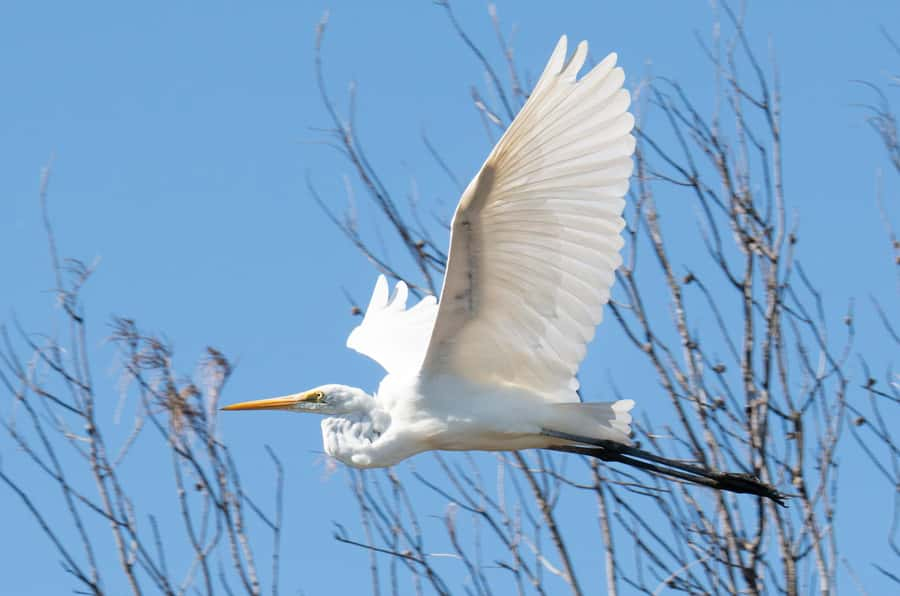
The cruise finishes by heading to the river mouth, where the Murchison meets the Indian Ocean. This section gives the trip its strongest sense of place. You are not only looking at scenery. You are seeing two bodies of water meet in a passage described as one of Western Australia’s most treacherous channels.
The meeting point can look powerful even from a calm boat. Ocean water pushes into the river while the river runs outward, and the movement becomes easy to understand when boats pass through. The contrast between the sheltered lower river and the exposed ocean entrance gives the final part of the trip a clear dramatic finish.
The mouth is also a practical reason to choose this cruise instead of only taking a short river ride. You see the river as part of a larger system, from its quiet upper reach on this route to its rough meeting with the sea.
Conditions can affect the appearance of the water. After a cyclone, one recent trip found the river brown, but that did not make the outing worthless. In fact, muddy water can show how weather moves sediment through the river system. If you want bright blue water and perfect conditions every time, this may not meet your hopes. If you enjoy seeing nature in changing form, it adds interest.
What Wildlife Can You Really Expect?
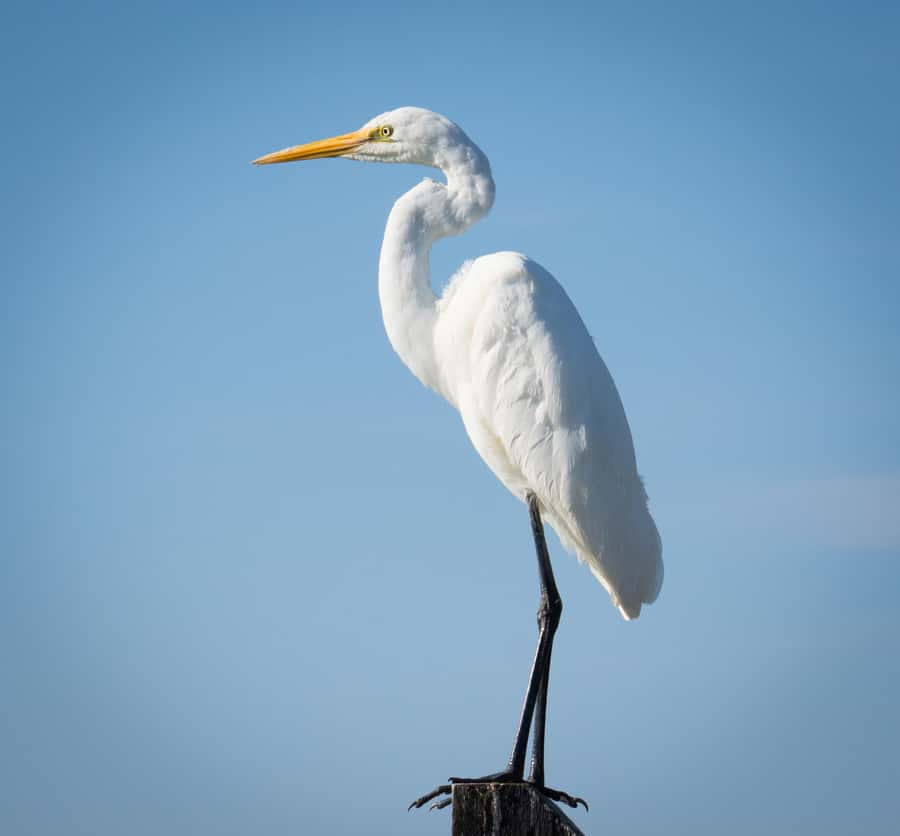
The operator lists a strong range of possible birdlife and land animals. Ospreys, kites, pelicans, egrets, black swans, and white-breasted sea eagles are all associated with the lower reaches. Kangaroos, emus, and goats may appear along the banks.
Sightings can go beyond that list. Dolphins, jumping fish, cormorants, and whistling kites have been seen during recent trips. Seagulls may fly alongside the boat, and there have even been opportunities to hand-feed them, although I would follow the crew’s direction rather than expect this on every departure.
The best approach is to bring a camera with a useful zoom and keep your phone ready. Wildlife rarely waits for a perfect pose. You may have only a few seconds to photograph a bird lifting from the bank or a fish breaking the surface.
The boat’s slow pace helps, but the guides matter just as much. A good guide can notice a sea eagle before you do and explain why a particular bank attracts birds. The commentary turns a quiet stretch of water into a lesson in how the river supports wildlife.
Timing, Seasons, and Tide Changes
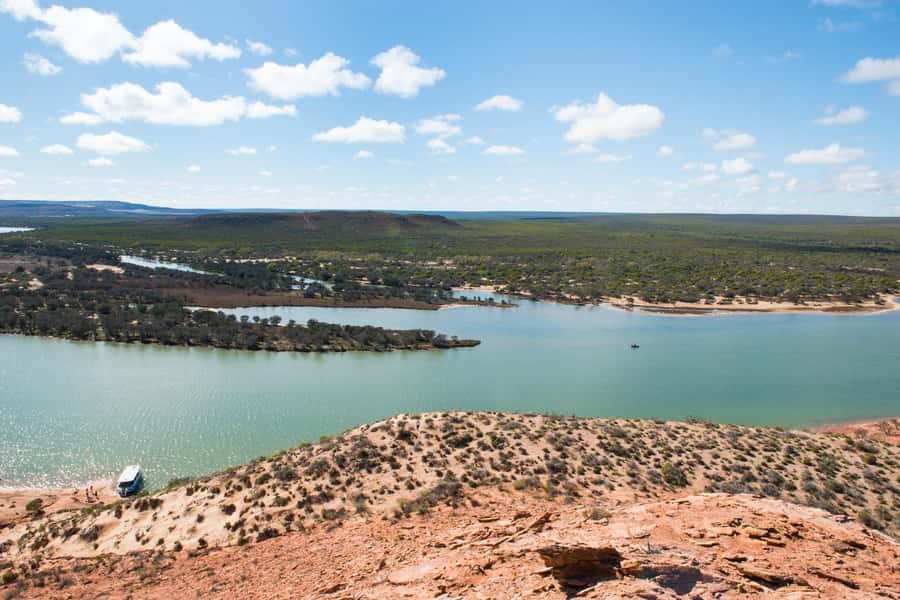
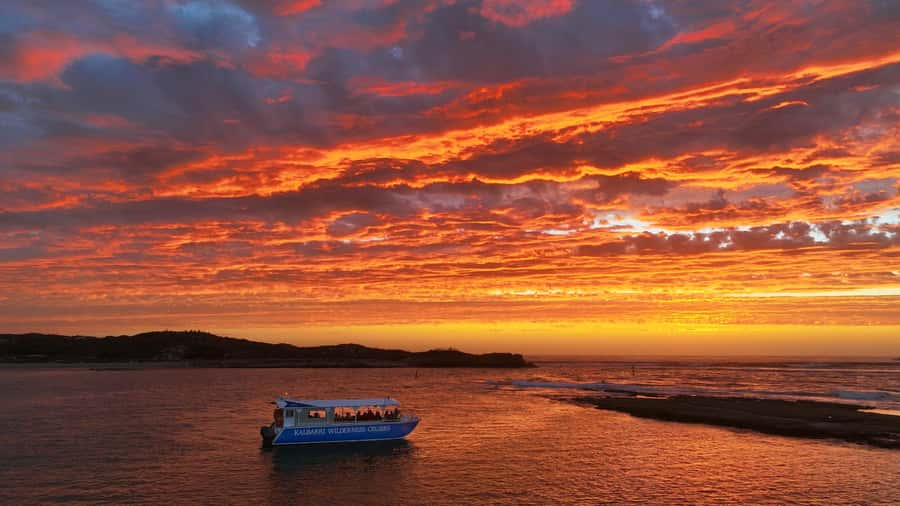
The cruise operates at different times of year in different formats. From November to May, it runs as a sunset cruise. From April to October, it runs as a morning cruise. These periods overlap in April and May, so check your confirmation carefully.
Cruises generally leave at 10am or between 4pm and 5pm, but departure times depend on the high tide. Seasonal conditions can also change the exact time. The correct departure time appears on your booking confirmation, so do not rely only on a general timetable.
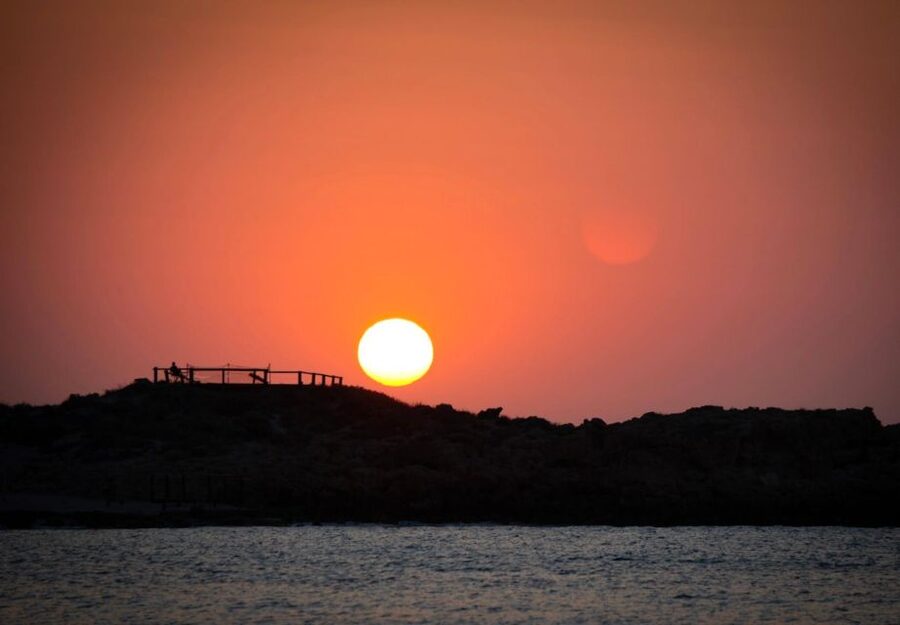
Morning departures can suit photographers and families who prefer to start early. Sunset departures offer softer light and a cooler feel, but you should bring a jacket. The changing light can make the red rock look different on the return leg, which adds variety to the same route.
If your schedule in Kalbarri is tight, build in some flexibility. Tide-based departure times are necessary for the route, but they mean you should not plan another fixed activity too close to the cruise.
Who Will Enjoy This Experience Most?
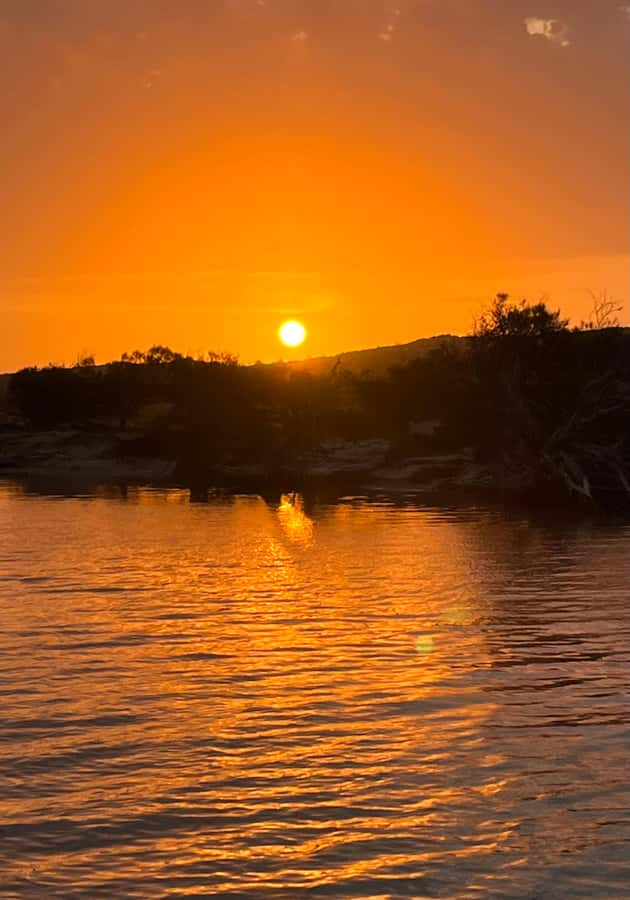
I would recommend this cruise to families, older visitors, casual photographers, birdwatchers, and anyone who wants a low-effort way to see the Murchison. It is also a good option for children because the trip includes moving water, animals, open views, and a guide who keeps the commentary light.
It suits you especially well if you enjoy learning small local details. The fishing industry, regional stories, plants, and animal life all become part of the outing. You do not need specialist knowledge to enjoy it, and you are welcome to ask questions.
The cruise may be less satisfying if you want speed, adventure, or a long walk through the bush. Much of the time is spent seated, and some river sections can feel visually similar. The experience depends on the day’s wildlife and weather, so it is better viewed as a calm nature outing than a guaranteed animal encounter.
Small Practical Details That Matter
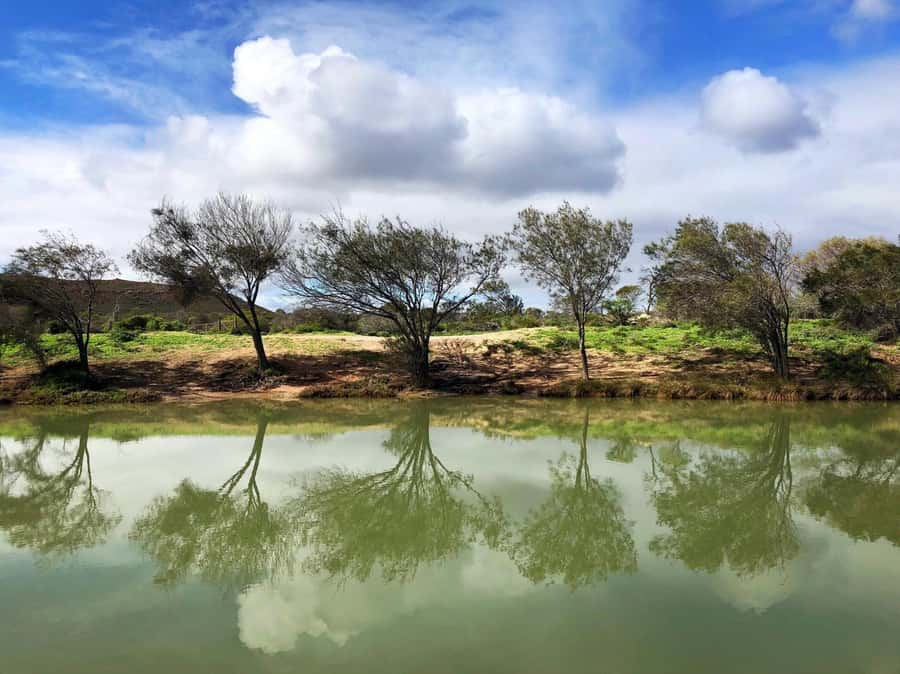
The trip lasts 150 minutes, including the upstream run, return journey, possible Rocky Crossing stop, and visit to the mouth. That is long enough to feel substantial without taking over your whole day.
The tour is conducted in English with a live guide. Tea and coffee are included, which is a nice touch on a morning or sunset cruise. Bring your own water and snacks if needed, since the supplied information only confirms tea and coffee, and one recent booking found that biscuits were not provided despite being expected.
Free cancellation is available up to 24 hours before departure, with a full refund. You can also reserve now and pay later, which helps if your Kalbarri plans depend on weather and tide times.
Should You Book the Murchison River Cruise?
Book it if you want a relaxed, well-priced look at Kalbarri’s lower river, with strong chances for birdlife and a worthwhile visit to the Indian Ocean mouth. The friendly, funny commentary is one of the best reasons to go, and the outing works well for children and anyone who prefers comfort over exertion.
Skip it if you need guaranteed wildlife, constant action, or dramatic scenery every minute. The river can be quiet, the water can turn muddy after bad weather, and parts of the route are gentle rather than thrilling.
For most visitors with 2.5 hours to spare, I think the $49 price is good value. You get local stories, changing river scenery, a possible leg-stretch at Rocky Crossing, and a memorable look at where the Murchison meets the sea.
FAQ
Where does the Murchison River cruise depart from?
Meet on the grass in front of the Marine Rescue building at 1 Memorial Drive, Kalbarri. Keep clear of the boat ramp. The vessel comes onto the beach in front of the grassed area for boarding.
How early should I arrive?
Arrive 15 minutes before the scheduled departure time. A safety speech and induction take place before the boat leaves.
How long is the cruise?
The cruise lasts 150 minutes, or 2.5 hours. It travels about 6 kilometres upstream and 12 kilometres in total before returning to Kalbarri Wilderness Cruises.
What animals and birds might I see?
Possible sightings include ospreys, kites, pelicans, egrets, black swans, white-breasted sea eagles, kangaroos, emus, and goats. Dolphins, cormorants, whistling kites, jumping fish, and seagulls have also been seen.
Is the cruise wheelchair accessible?
Yes, the activity is listed as wheelchair accessible. Passengers board from the beach using a ramp.
Does the cruise run in the morning or evening?
From November to May, it operates as a sunset cruise. From April to October, it operates as a morning cruise. Departures are generally at 10am or between 4pm and 5pm, but tide and seasonal conditions determine the exact time.
Just added around Australia
- Hobart: Waterfalls, Wilderness & Wildlife – Active Day Tour★ 5.0 · 22 reviews
- Mt Field National Park and Russell Falls with Bonorong Wildlife★ 3.5 · 2 reviews
- Mt Field National Park and Russell Falls from Hobart★ 5.0 · 49 reviews
- Hobart: Maria Island National Park – Nature & Wildlife Adventure★ 5.0 · 36 reviews
- From Hobart: Gordon Dam and Lake Pedder Wilderness Day Tour★ 5.0 · 8 reviews
- Cape Range National Park Full-Day Trekking Adventure★ 5.0 · 39 reviews
- Kakadu National Park Full Day Tour + Yellow Water River Cruise★ 5.0 · 16 reviews
- Kakadu National Park Evening Tour + Yellow Water Sunset Cruise★ 5.0 · 4 reviews
Wildlife and Elephant Encounters, compared.
Miami: Everglades National Park Airboat Tour & Wildlife Show
Read our review →
Wilderness, Wildlife, Glacier Experience from Anchorage
Read our review →
Kenai Fjords National Park Glacier & Wildlife Cruise
Read our review →
Kenai Fjords National Park Glacier & Wildlife Tour from Seward
Read our review →
Nairobi: National Park & Optional Elephants & Giraffe Center
Read our review →
Addo Elephant National Park All Inclusive Full-Day Safari
Read our review →
Jasper National Park: Evening or Morning Wildlife Watch Tour
Read our review →
Jackson: Grand Teton National Park Guided Wildlife Tour
Read our review →Browse the lists this tour appears in