
REVIEW · USA
Hawaii Volcanoes National Park Experience from the Big Island
Volcanoes, coffee, and black sand await. This full-day Big Island outing gives you a practical way to reach Hawaii Volcanoes National Park without spending the day behind the wheel. I especially like the mix of volcanic sights and local stops, plus the running commentary on Hawaiian culture, geology, plants, and island life from guides such as Mel, Jim, Kevin, Henry, and Brandon.
The included park admission adds value to the $139 price, and pickup from Kona makes the long trip easier. The main drawback is the length: ten hours is a serious day, and pickup delays have occasionally stretched the schedule. You should also expect more walking than the relaxed van ride might suggest, with one account estimating about 3.5 miles on foot.
Key points to know before booking
- The route crosses much of the southern Big Island: You see coffee country, native forest, a bakery, black sand, and volcanic terrain in one long day.
- Greenwell Farms adds a taste of Kona: The free coffee-farm stop gives useful context for one of Hawaii’s best-known crops.
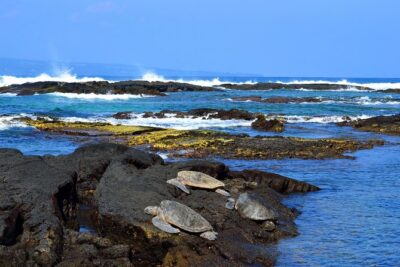
- Punaluʻu Black Sand Beach may include sea turtles: The beach is a strong photo stop, but wildlife sightings are never guaranteed.
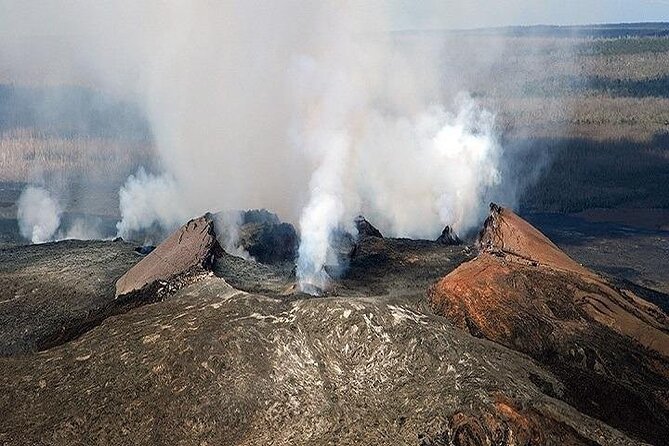
- Volcanoes National Park gets the main event: Expect crater overlooks, steam vents, a lava tube, and views of old lava flows.
- The guide can make or break the day: Mel and Jim receive especially warm praise for their island stories, cultural context, and care with the group.
- Pack for changing conditions: Rain, wind, cool air, sharp volcanic ground, limited cell service, and volcanic gases are all part of the setting.
A long but useful way to see the Big Island
At $139 per person, this is not a bargain bus ride around a single attraction. It is a full-day crossing of the island’s southern and eastern side, with transportation, park entry, hotel pickup and drop-off from Kona, and a guide included.
I think the price works best if you are staying in Kona and do not want to rent a car for a long drive. You avoid navigation, parking, and the fatigue of covering the route yourself. The value is also stronger if you care about the story behind each place, since the guides often fill the driving time with Hawaiian history, volcanic science, native plants, animals, and local customs.
The group can reach up to 22 people, though some departures have been much smaller. A smaller group feels more personal and makes it easier to hear the guide, ask questions, and get help at stops. The vehicle is air-conditioned, which matters on a ten-hour day.
Your scheduled start is 8:00 a.m. Pickup is offered from Kona, and people arriving through Kona International Airport should meet at the lot behind Alaska Baggage Claim B-2. Confirm your exact pickup details before the morning begins. One departure ran about an hour and a half late, while another involved roughly an hour of collecting people, so you should not schedule a tight evening flight or dinner reservation afterward.
More Volcano National Park Tours in the USA
- Hilo Shore Excursion: Volcanoes National Park & Black Sand Beach
★ 4.5 · 2,338 reviews - Big Island: Fat Tire E-Bike Tour through Volcanoes National Park
★ 5.0 · 546 reviews - Big Island, Hawaii: Volcanoes National Park Safari
★ 4.5 · 545 reviews
Greenwell Farms and the coffee country around Kona
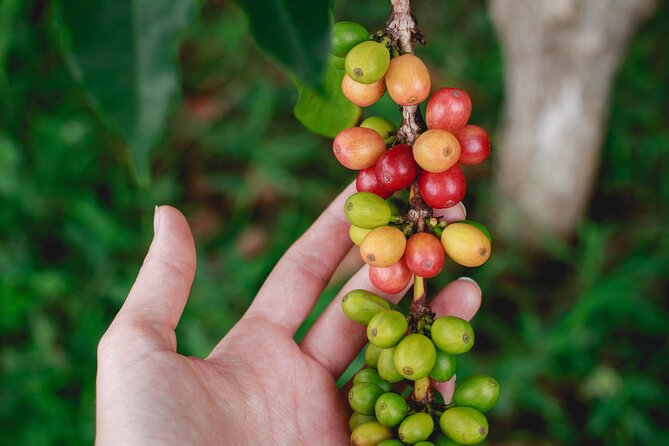
The first stop is Greenwell Farms, a well-known Kona coffee producer founded in 1850 by Henry Nicholas Greenwell. You get about 30 minutes here, with admission included.
This stop works because it connects the coffee in your hotel room to the place where it grows. The farm sits on the slopes of Mauna Loa, where volcanic soil, sunny mornings, afternoon cloud cover, and regular rain create good growing conditions. You will likely have time to see the farm setting and learn about Kona coffee production, though 30 minutes is brief for a full farm visit.
I like this as an opening stop because it eases you into the day with something local and grounded. It also gives the guide a chance to explain how the Big Island’s volcanic foundation affects farming, weather, and settlement.
Still, coffee may not be your main reason for booking. One person felt the farm stop was unnecessary and would have preferred extra time elsewhere or an earlier return. If your priority is volcanoes, regard Greenwell Farms as a pleasant introduction rather than a highlight.
Manuka State Wayside Park and native forest
The route continues south to Manuka State Wayside Park, a 13-acre roadside park on the slopes of Mauna Loa. The stop lasts about 30 minutes and is free.
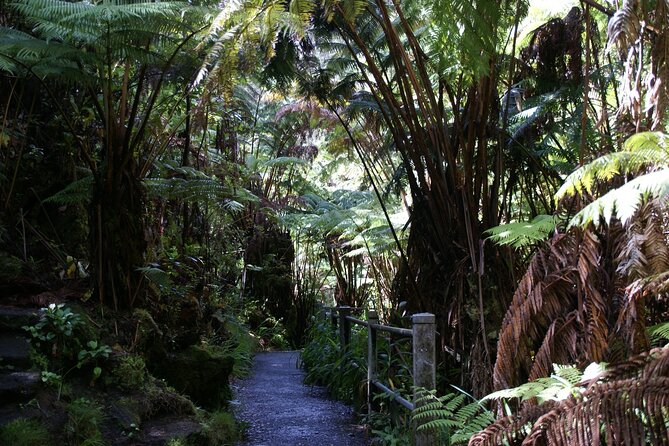
This is a quieter pause than the famous beaches and craters. The park includes both wet and dry forest, native Hawaiian plants, volcanic features, and interpretive signs. Its Manuka Nature Trail extends about two miles, but the tour’s short stop does not allow time to complete the full trail.
You can expect a brief stretch of walking and a look at the island’s plant life and geology. The park may also offer a chance to hear about native birds, including the Hawaiian hawk and honeycreepers. It is a useful reminder that the Big Island is not only lava and beaches.
The tradeoff is simple: 30 minutes gives you a taste, not a hike. Wear closed-toe shoes if you want to walk beyond the immediate roadside area, and do not count on this stop as a substantial nature walk.
Punaluʻu Bake Shop, the southernmost bakery in the United States
Punaluʻu Bake Shop in Naʻālehu is a practical and flavorful break. It is known for Hawaiian sweet bread in flavors such as taro, guava, and mango, along with other baked goods, local treats, and a small gift shop. The surrounding garden gives you a pleasant place to stretch your legs.
Lunch is at your own expense, and the bakery offers options including sourdough sandwiches, Kalbi beef, and Hawaiian plate lunches. The baked goods are a safer bet for a quick snack, especially if you want to take something along for later.
Food quality can be uneven. One account described the full meal as disappointing while praising the fresh baking. If you have a vegan diet, bring your own food because the available choices may not suit you. It is wise to carry cash for roadside stands and small local shops, since some accept cash only.
This stop matters because the tour covers a remote stretch of the island, where services are limited. Do not treat it as a guaranteed restaurant experience. Think of it as a meal opportunity, bakery stop, and useful rest break rolled into one.
More Volcano National Park Tours in Big Island:
- Small-Group Big Island Tour: Hawaii Volcanoes National Park and Kona Coffee Farm
★ 5.0 · 343 reviews - Volcano National Park Adventure From Kona
★ 5.0 · 339 reviews - Private Tour: Hawaii Volcanoes National Park Eco Tour
★ 5.0 · 276 reviews - Volcano National Park Adventure from Waikoloa
★ 5.0 · 216 reviews
Punaluʻu Black Sand Beach and the chance of sea turtles
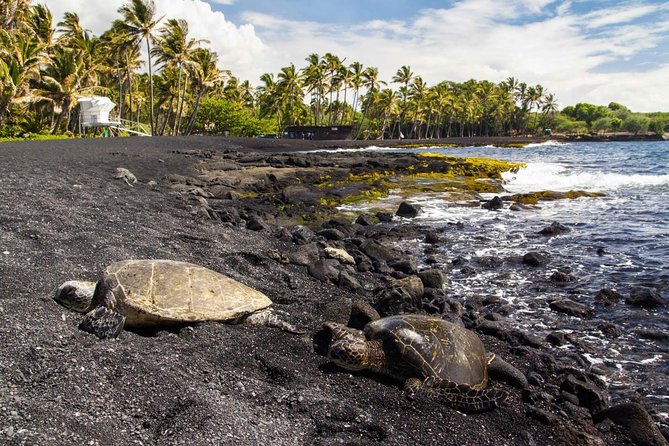
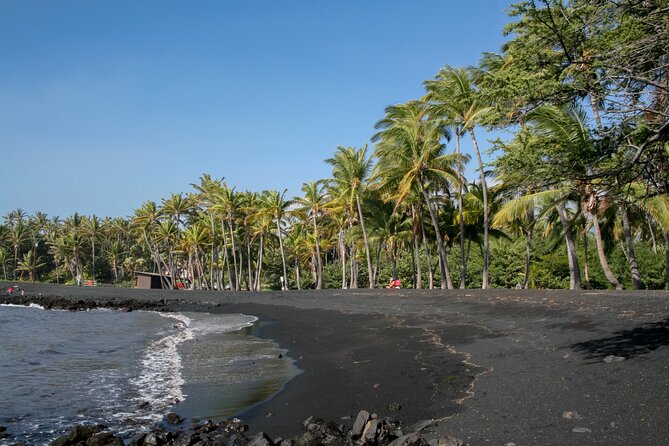
Punaluʻu Black Sand Beach is one of the day’s most memorable stops. You get about 30 minutes to walk along the dark shore and look for native Hawaiian green sea turtles.
The sand comes from volcanic rock broken down by the ocean, so the beach gives you an immediate visual link between the island’s volcanic past and its coast. Several people have seen turtles here, including one group that spotted five. But wildlife is unpredictable, and you should never book this tour on the promise of a turtle sighting.
Thirty minutes is enough for photos and a short walk, but not a slow beach afternoon. Follow the guide’s instructions around wildlife and do not disturb the turtles. Bring sun protection even on a cloudy day, since the dark sand and open shore can make the stop feel bright and exposed.
For many people, this is the strongest stop before the national park. It is easy to understand, visually striking, and different from the beaches around resort areas.
Hawaii Volcanoes National Park: the heart of the day
The tour allows about two hours inside Hawaii Volcanoes National Park, with admission included. That saves you the park entrance fee and keeps the day focused on the major volcanic sights.
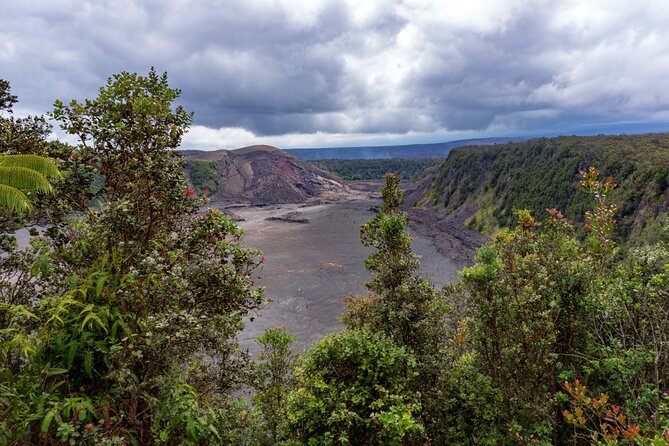
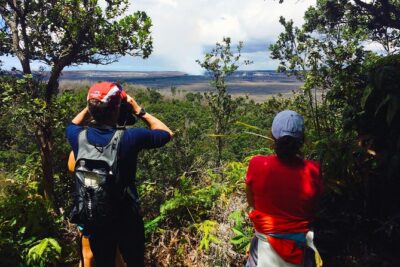
The exact sequence can change with weather, park conditions, and volcanic activity. The route described includes several crater viewpoints, Kīlauea Iki Rainforest Lookout, Thurston Lava Tube, steam vents, and views of lava flows and the coastline.
Halemaʻumaʻu Crater and Kīlauea views
At the visitor center, you begin with an introduction to the park’s geology and history. From there, the crater viewpoints provide the broadest sense of the volcanic forces at work.
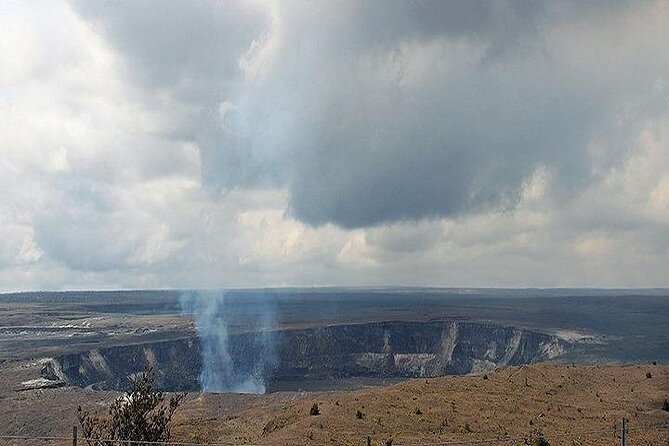
Halemaʻumaʻu Crater can show a glow from molten lava when conditions and activity allow. Volcanic activity changes, so do not assume you will see an active lava lake or glowing lava on every departure. Even without visible molten rock, the crater remains a powerful sight because it shows the scale of the volcano and the ongoing changes beneath the island.
Kīlauea Iki Rainforest Lookout gives you a different view. Instead of a stark crater alone, you see lush forest around a broad volcanic depression formed by an earlier eruption. The contrast between green growth and old lava makes this one of the most useful stops for understanding how quickly nature can return to volcanic ground.
Thurston Lava Tube
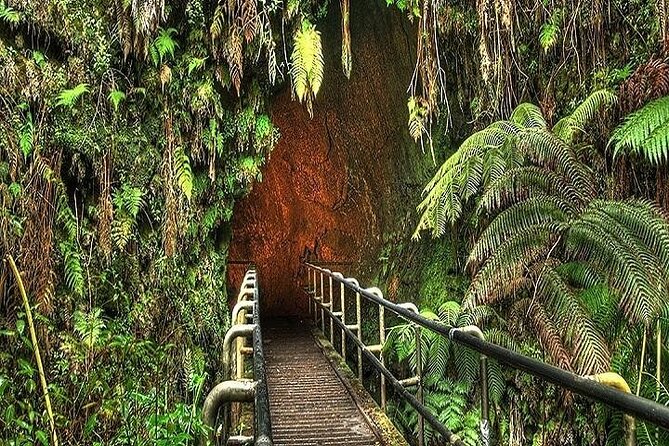
The Thurston Lava Tube is a short walking highlight. This natural tunnel formed when the surface of a lava flow cooled while hotter lava continued moving beneath it.
You walk through the remaining tube rather than simply viewing it from a roadside pullout. Closed-toe shoes are important because volcanic ground can be uneven and sharp. The tube is one of the easier ways to experience volcanic geology directly, and it was a favorite stop for several people on the tour.
Steam vents and old lava flows
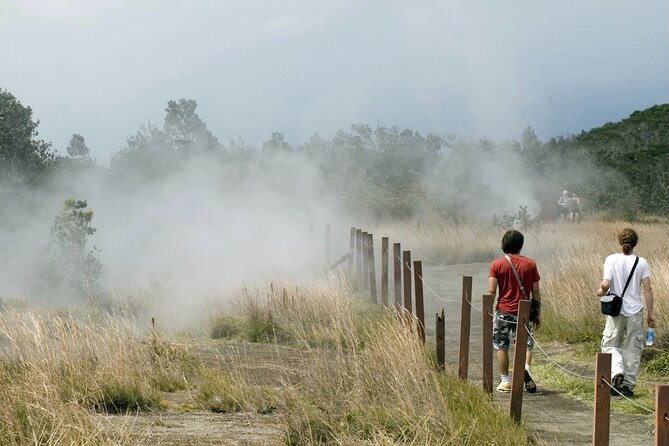
Steam vents bring the volcano closer to your senses. You can see heat rising from the earth and feel warmth near the vents, a plain reminder that the volcanic system is still active below the surface.
The tour may also include walks across lava fields and views toward the coastline. One guide, Mel, adjusted the route to show additional lava flows and dramatic coastal views. That kind of flexibility can add real value, but the exact route depends on park access and conditions.
The park portion is not just a drive from one lookout to another. Some departures involved substantial walking, with one person estimating roughly 3.5 miles across the day. Other accounts describe it as mostly viewpoint stops with a short lava-tube walk. Assume a moderate amount of walking, and ask the guide early about the day’s route if mobility is a concern.
The views toward Mauna Kea, Hilo, and the Kohala Coast
The route also gives you changing views of the island’s major regions. Mauna Kea Access Road climbs from Saddle Road through grassy country toward increasingly stark volcanic ground. The summit road itself is steep and winding, and the air becomes colder and thinner with altitude, but this tour does not state that you travel all the way to the summit.
You may see snow at the top of a mountain, an unusual sight for anyone picturing Hawaii as warm beaches only. The Kohala Coast offers another contrast, with a drier climate, beaches, resorts, and broad ocean views.
Hilo adds an urban and cultural layer to the day. The town is associated with the Lyman Museum, Hilo Historic District, Pacific Tsunami Museum, Liliʻuokalani Gardens, and Hilo Farmers Market. The tour information does not promise extended visits to each attraction, so consider these part of the wider route and scenery rather than guaranteed stops.
The guide’s narration is especially useful here. Mel has been praised for turning the long drive into a lesson in island history and daily life. Jim, also called Uncle Jim, is noted for Hawaiian stories and myths. Kevin receives credit for allowing time to enjoy the scenery, while Brandon is praised for looking after a family with a toddler.
Guides, group size, and the real quality of the day
The strongest part of this experience is often the guide. Mel is repeatedly singled out for warmth, humor, cultural knowledge, volcanic science, and careful attention to bathroom breaks and comfort. Jim is also praised for bringing Hawaiian culture and myths into the drive. Henry and Brandon receive positive comments for professionalism and family care.
That does not mean every departure is identical. One guide gave little historical explanation and mainly directed people to the stops. Another driver was unfamiliar with the route after a split group, forcing passengers to help with navigation. A separate departure lost time to late pickup.
There was also a serious group-management problem on one booking involving a party of 15. The group was split between vans, the vehicles did not stay together, and one driver missed a stop. This appears to be an exception rather than the normal experience, but it is worth considering if your main goal is to spend the day with a large family group.
The operator is Hawaii Island Experiences, LLC, and the experience is offered in English. If guide quality matters greatly to you, ask at pickup who is leading the day, then stay flexible. The best guides add enormous value during the long stretches between stops.
What to pack for this volcanic road day
Bring layers, including a rain jacket. Weather can change quickly, particularly at higher elevations, and the park can be cool and wet even when Kona feels warm.
Wear sturdy, closed-toe shoes. Flip-flops and sandals are poor choices for lava fields, uneven paths, and the lava tube. Pack water, snacks, sunscreen, and a hat because services inside the park are limited.
Cell service can be weak or absent in parts of the park. Download maps or important information before departure, and do not depend on your phone for navigation or communication.
The park can have volcanic gases such as sulfur dioxide. If you have asthma or another respiratory condition, take this seriously and check current conditions before booking. Stay on marked trails, follow safety instructions, respect culturally important Hawaiian sites, and take every piece of trash back with you.
Is this Big Island volcano tour worth booking?
I would book this tour if you are staying in Kona, want to see Hawaii Volcanoes National Park, and prefer a guide to a very long self-drive. The combination of coffee country, Manuka forest, Punaluʻu Bake Shop, black sand, crater views, lava geology, and possible turtle sightings gives you a fuller picture of the island than a park-only trip.
I would skip it if you dislike long van days, need a leisurely lunch, want several hours inside the national park, or have strict dietary or mobility needs that require more planning. The day is efficient, not slow. At $139, it offers solid value for transportation, admission, and commentary, but your enjoyment will depend heavily on the guide and the condition of the roads and park.
Cancel at least 24 hours before the 8:00 a.m. start for a full refund. Poor weather or failure to meet the minimum group size can also lead to a rescheduled date or refund. For the right person, this is one of the easiest ways to connect Kona with the island’s volcanic south.
FAQ
How long is the Hawaii Volcanoes National Park experience?
The tour lasts approximately 10 hours, beginning around 8:00 a.m.
Is pickup included from Kona?
Yes. Pickup and drop-off service from Kona are included. If you arrive through Kona International Airport, meet at the lot behind Alaska Baggage Claim B-2.
Is admission to Hawaii Volcanoes National Park included?
Yes. Park admission is included, and the driver provides attraction entry tickets on the morning of the tour.
How much does the tour cost?
The listed price is $139 per person.
Is lunch included?
No. Meals are at your own expense. The tour stops at Punaluʻu Bake Shop, where you can buy sandwiches, Kalbi beef, Hawaiian plate lunches, baked goods, and other food.
Can I see sea turtles at Punaluʻu Black Sand Beach?
You may see native Hawaiian green sea turtles at the beach, but sightings are not guaranteed.
How much walking should I expect?
The amount can vary. The route includes walking at the beach, viewpoints, the lava tube, and volcanic areas. One account described about 3.5 miles of walking, so sturdy shoes are recommended.
Is the tour suitable for people with respiratory problems?
Use caution. Volcanic gases such as sulfur dioxide can worsen asthma and other respiratory conditions. Follow park safety guidance and check conditions before departure.
What should I wear?
Wear comfortable, closed-toe shoes and bring layers, including a rain jacket. A hat, sunscreen, water, and snacks are also recommended.
Can I cancel for a refund?
You can cancel at least 24 hours before the start time for a full refund. Cancellations or changes made within 24 hours are not refunded, except when the operator cancels because of poor weather or an insufficient number of participants.
Just added around Big Island
- Hawaii Volcanoes National Park Experience from Kauai★ 5.0 · 4 reviews
- Volcanoes Hawaii Wonders National Park – Full Day★ 5.0 · 5 reviews
- Volcanoes National Park Private Tour★ 5.0 · 13 reviews
- Private – Hawaii Volcanoes NP and Black Sand Beaches Tour★ 5.0 · 9 reviews
- Hawai‘i Volcanoes National Park Shuttle Tour★ 5.0 · 2 reviews
- Hawaii Volcanoes National Park Experience from Oahu★ 5.0 · 10 reviews
- Hawaii Volcanoes National Park Experience from Maui★ 4.5 · 4 reviews
- Hawaii Volcanoes National Park Experience Departing From Maui★ 4.5 · 30 reviews
Volcano National Park Tours, compared.
Hilo Shore Excursion: Volcanoes National Park & Black Sand Beach
Read our review →
Lanzarote: Timanfaya National Park Volcanic Craters Tour
Read our review →
Big Island: Fat Tire E-Bike Tour through Volcanoes National Park
Read our review →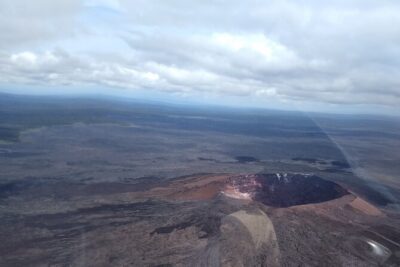
Big Island, Hawaii: Volcanoes National Park Safari
Read our review →
Small Group Teide National Park Volcanic and Forest Wonders
Read our review →
Small-Group Big Island Tour: Hawaii Volcanoes National Park and Kona Coffee Farm
Read our review →
Browse the lists this tour appears in