REVIEW · USA
Self-Guided GPS Audio E-Bike Tour Hawaii Volcanoes National Park
Volcano country is better on two wheels. This self-guided e-bike ride gives you a practical way to cover Hawaii Volcanoes National Park without circling for parking or joining a fixed group. I like the freedom to stop at craters, steam vents, rainforest, and lava fields when you choose, and I like that the route uses comfortable electric bikes on mostly paved, level, or downhill roads. The main drawback is that the GPS audio system depends on your own smartphone, and the app can drain its battery quickly.
The tour costs $159 per person, before the park entrance fee. That is not cheap, but the price includes the e-bike, helmet, lock, equipment briefing, secure parking, restroom access, staff support, and a half-day route through a large national park. You should also be ready for cool, wet summit weather and a $1,500 pre-authorized equipment deposit per party.
Key points at a glance
- Ride where cars cannot: The route reaches Keanakakoi Crater Overlook and other bike or foot access areas that are not open to regular vehicle traffic.
- Mostly easy cycling: Electric assistance, downhill sections, paved roads, and a few gentle climbs keep the effort manageable for recreational cyclists.
- Audio guide included: GPS-triggered commentary covers Hawaiian mythology, Pele, geology, plants, volcanic history, and park sights.
- Weather changes fast: At the 4,000-foot summit, temperatures can be 12 to 15 degrees cooler than at sea level, with rain and mist possible at any time.
- Bring the right phone: You need a fully functioning smartphone, internet access, and enough battery for the map and audio.
- Best for confident riders: Children under 15, people over 270 pounds, and beginner cyclists are not accepted for this activity.
Why an e-bike works so well at Volcanoes National Park
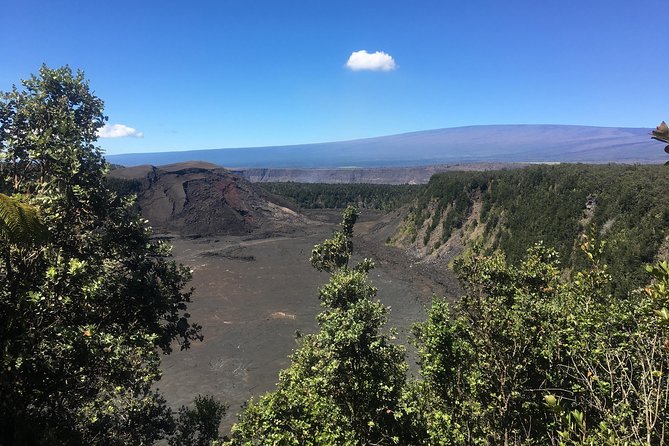
Hawaii Volcanoes National Park covers a broad area, and the most useful sights are spread along roads, trails, overlooks, and short walking paths. A car gets you around, but it can leave you stuck in traffic near popular stops or searching for a place to pull over.
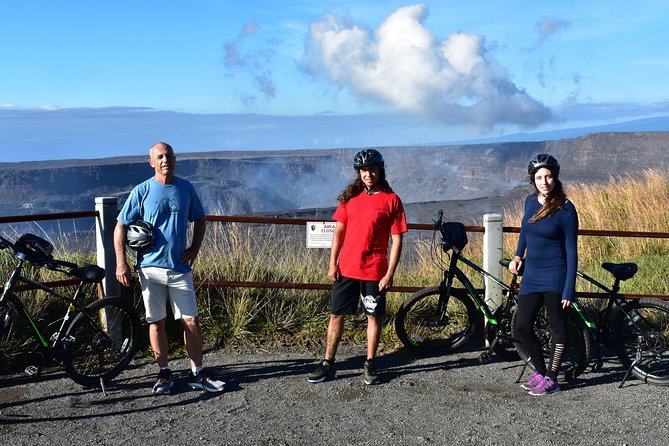
An e-bike changes the rhythm. You can move between sights without restarting a car, and you feel the shift from fern forest to black volcanic rock more directly. The route is designed so most of the riding is downhill, level, or on paved surfaces, though you still need to steer, shift, balance, and control your speed on both gravel and pavement.
You are not pedaling hard for four and a half hours. The electric assist lets you choose how much work you want to do. Some riders use it for a gentle outing, while others pedal more and treat the bike as exercise. Past riders in their forties and fifties found the bikes easy to operate, but this is not a good first-ever cycling experience if you are unsure on a bike.
The tour is private to your group, but it is not a traditional guided ride. You receive an orientation and live operator support, then follow the GPS route at your own pace. You can pause for photographs, add a walk, linger at a viewpoint, or move along when a stop does not interest you.
More Volcano National Park Tours in the USA
- Hilo Shore Excursion: Volcanoes National Park & Black Sand Beach
★ 4.5 · 2,338 reviews - Big Island: Fat Tire E-Bike Tour through Volcanoes National Park
★ 5.0 · 546 reviews - Big Island, Hawaii: Volcanoes National Park Safari
★ 4.5 · 545 reviews
Starting at Bike Volcano near the park entrance
The meeting point is Bike Volcano at 19-3972 Old Volcano Road in Volcano. The morning pickup time is listed as 9:30 a.m. An afternoon option begins at 12:30 p.m. and requires at least four riders.
Allow time to get fitted to the bike. One useful tip is to provide your height when booking, especially if you are tall, so the staff can prepare the correct frame. The bikes are described as comfortable hybrid models, and the equipment includes a helmet and lock.
Before you leave, staff provide an equipment orientation and safety talk. You also have access to secure parking, a restroom, and a shaded staging area. These are small details, but they matter in a remote park where starting organized can save time later.
The operator requires a credit card and identification for the $1,500 pre-authorized equipment deposit per party. That is not an extra tour charge, but you need to have the available credit and the required identification ready.
The GPS app is the part that demands the most preparation. Download it before arrival if instructed, bring a fully charged phone, and consider a backup battery. The map and audio can use power quickly, and the audio links have been described as less convenient than the riding itself.
Riding from rainforest to Kilauea’s volcanic rim
From the staging area, you ride less than a mile to the park bike trail entrance. From there, the route follows scenic, less-used paths around the crater rim and through different volcanic zones.
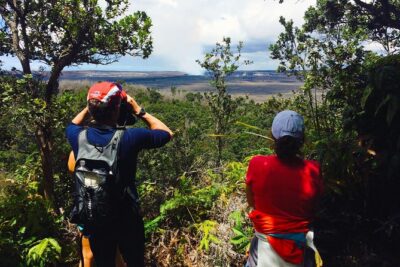
One of the most appealing parts is the change in scenery. You may start among native Hawaiian ferns and forest, then pass steam vents where the ground releases volcanic heat. Farther along, the vegetation gives way to stark lava fields, craters, and open views.
The GPS narration adds context as you go. It covers the area’s geology, Hawaiian mythology, the story of Pele, native plants, and the forces that continue to shape Kilauea. Since you are moving independently, you can listen while riding or stop at a safe place to take in the view.
The route is not an all-out mountain-bike challenge. One past ride described a few sections that made the rider breathe harder, but most of the outing felt relaxed. Another rider found it too tame after expecting a more demanding ride. That is useful guidance: book this for access and scenery, not for a serious athletic test.
Rain deserves respect here. Wet pavement and gravel can become slick, especially on turns. Keep your speed under control, leave space between riders, and do not assume the electric motor makes poor weather harmless. Closed-toe shoes are required, and sunglasses or prescription glasses are also required as protective eyewear.
Nahuku and Thurston Lava Tube: a short walk with a big payoff
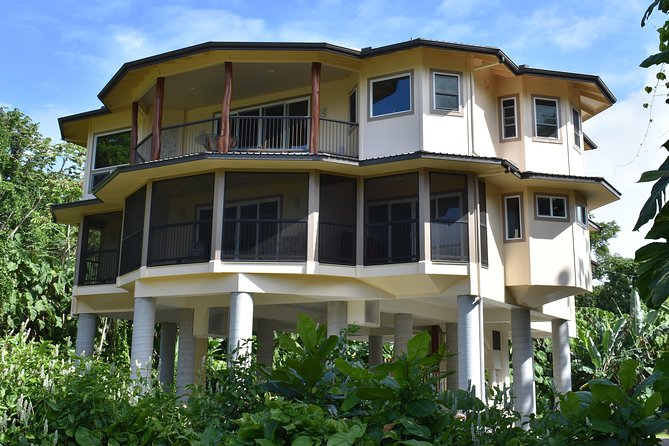
The Nahuku section includes a short, approximately 15-minute loop through native rainforest to Nahuku Crater. The crater is about 500 years old and filled with tall hapu’u ferns and other plant life.
This is one of the few places where you leave the bike for a compact walk. The shaded path gives you a closer look at the forest, and the GPS audio adds information about native plants and the cultural meaning of the area.
The Thurston Lava Tube is the main attraction. You walk through a cave formed when the outside of a lava flow cooled while molten rock continued moving beneath it. The result is a smooth, winding passage with a cool, enclosed feel, along with plant growth around the openings.
The walk is short, so it does not take over the day. Bring your camera, but follow park rules and be mindful of other people on the path. The lava tube is a public park sight, not an exclusive private stop, so timing and patience still matter.
Same corner of the map, a different park:
- Miami: Everglades National Park Airboat Tour & Wildlife Show
★ 4.5 · 7,296 reviews - Clear Kayak Tour of Shell Key Preserve and Tampa Bay Area
★ 5.0 · 5,800 reviews - Yosemite Highlights & Giant Sequoias Day Tour from San Francisco
★ 4.5 · 3,455 reviews - Discover Rocky Mountain National Park
★ 5.0 · 3,419 reviews
Kilauea Visitor Center for context and safety updates
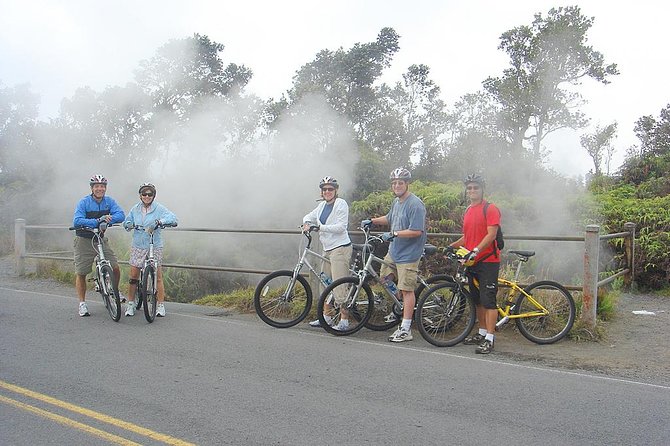
The Kilauea Visitor Center makes a useful pause in the route. Exhibits explain volcanic activity, native wildlife, park history, and the cultural connection between Kilauea and Pele.
Rangers can provide current safety information and guidance about conditions in the park. That is especially important because volcanic activity and access rules can change. The center also includes maps, a bookstore, a gift shop, educational materials, and local crafts.
The stop is listed at about 15 minutes, which is enough for a quick orientation but not a long museum visit. If you want to study every exhibit, ask staff how that will affect your riding time. The tour is self-guided, so the schedule has some flexibility, but the bike still needs to be returned within the operating window.
Keanakakoi Crater Overlook by bike or foot
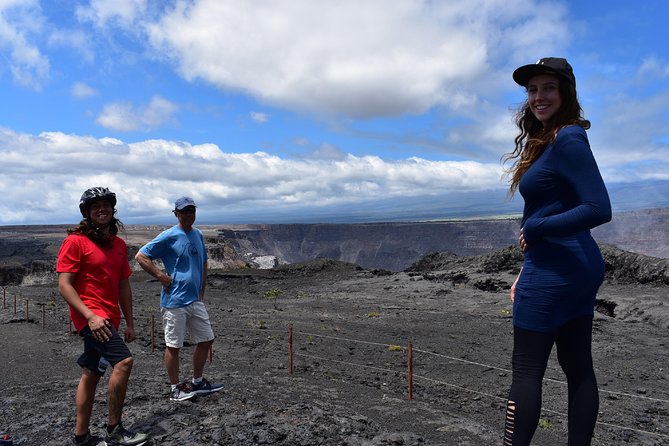
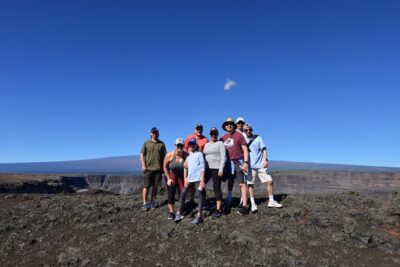
Keanakakoi Crater Overlook is one of the strongest reasons to choose this experience over a standard driving visit. The overlook is accessible by bike or on foot, rather than by ordinary vehicle traffic, and the route includes about two miles of bike trail through koa and ʻōhiʻa forest.
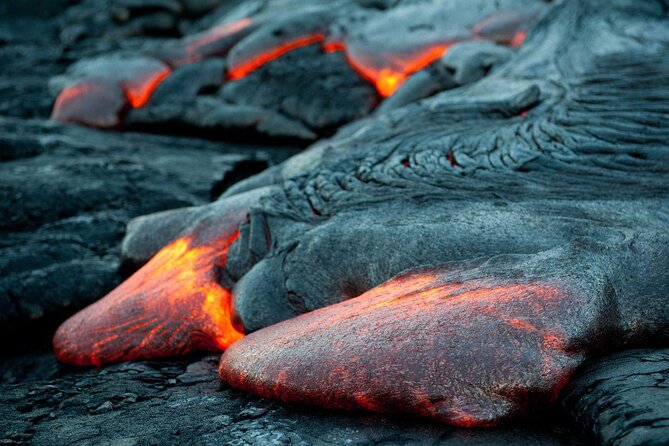
From the overlook, you can see Halemaʻumaʻu Crater, a place tied to Pele in Hawaiian tradition. Depending on current volcanic conditions, you might see steam, lava activity, or dramatic changes in the crater. The tour description also notes the possibility of lava fountains more than 1,000 feet high and views toward a lava viewing area.
Treat that possibility as a bonus, not a promise. Active lava is rare and depends entirely on current conditions, park access, weather, and volcanic activity. A spectacular eruption is not required for the stop to be worthwhile. The crater views, forest route, and access away from vehicle congestion are the dependable attractions.
The GPS commentary here covers volcanic geology, ancient basalt quarry stories, and ecology. Stop at safe points for photographs, and obey park instructions around restricted areas. A ranger may remind cyclists not to ride on walking trails, so keep the bicycle on the authorized route.
What the $159 price really includes
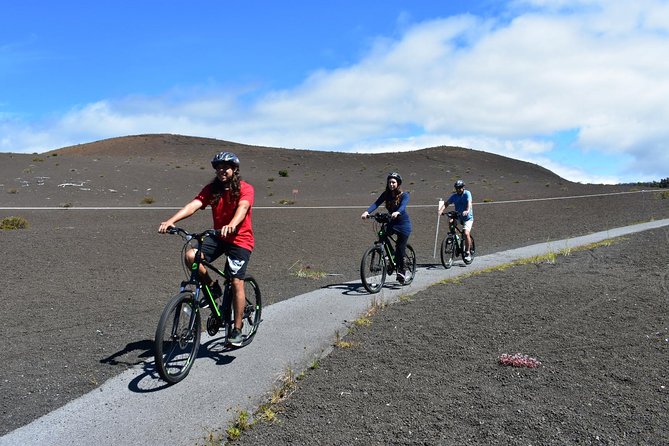
At $159 per person, this is a premium half-day activity. You are paying for more than a bicycle rental. The fee includes the electric comfort hybrid bike, helmet, lock, GPS audio app, secure parking, restroom access, shaded staging, safety instruction, and live operator help.
The strongest value comes from access and time. A car may be simpler for some park roads, but it does not reach every bike-only area, and popular stops can create parking headaches. The e-bike also allows you to see more than you could comfortably cover on foot during a half-day.
The price does not include the national park entrance fee. The supplied tour details list that fee as $15 per person, payable online or at the park. Bring extra money for a rain jacket, backpack rental, or bottled water if you need them. A backpack is available to rent for $5, while rain gear can be purchased at the Kilauea General Store.
The tour does not include a smartphone. That matters because the audio guide is central to the experience. If your phone has a weak battery, poor internet connection, or trouble running the app, the ride becomes less useful. Staff may offer basic support, but phone troubleshooting is not the same as providing a device.
Weather, clothing, and physical requirements
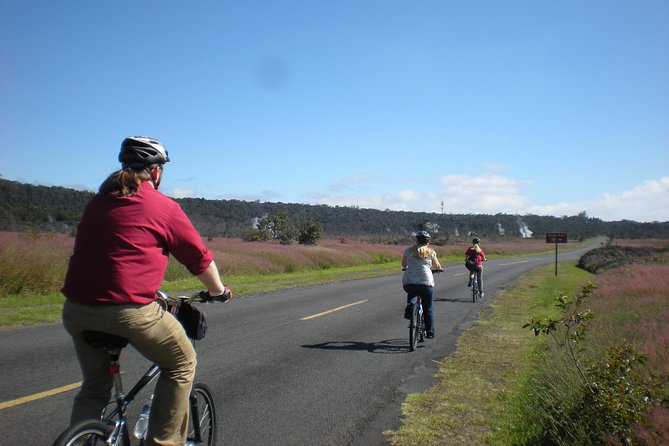
Kilauea’s summit sits around 4,000 feet, and conditions can differ sharply from the coast. Temperatures may be 12 to 15 degrees cooler than at sea level. You could encounter sunshine, wind, mist, or rain during the same outing.
Wear layers. A short-sleeved shirt, warmer top, and rain protection give you options as conditions shift. Closed-toe shoes are required. Sunglasses or prescription glasses, sunscreen, and a hat are also recommended.
The experience requires moderate physical fitness. You need to steer and balance on paved and gravel surfaces, manage the bike around curves, and control speed on downhill sections. It is not offered to cyclists under 15 or people weighing over 270 pounds.
I would not choose this if you are a complete beginner on bicycles. I would choose it if you ride recreationally and want electric assistance for hills, distance, or changing energy levels.
How to make the GPS tour work better
The audio content is a useful part of the ride, but the technology has a few rough edges. The map has been praised as helpful, while the audio may require separate links or extra steps to play at points of interest.
Before setting out, make sure the app is installed, your phone is charged, and you understand how to start the narration. Bring a power bank if you have one. Keep the phone protected from rain, and do not let the screen distract you while riding.
If your phone does not connect to the internet or cannot run the app, ask questions before paying and leaving the staging area. The operator has offered a paper map and live help in such cases, but that is not the same as having the complete audio experience.
Who should book this ride?
I would recommend it to couples, families with teenagers, and active adults who want an independent day in the park. It is especially useful if you dislike coach schedules, want to avoid parking problems, or prefer to combine cycling with short walks.
It also suits a mixed-ability group. Stronger riders can pedal more, while others can use the electric assist. The route is relaxed enough for many recreational cyclists, but not so gentle that you can ignore basic bike control.
I would look elsewhere if you want a strenuous ride, a fully guided conversation throughout the day, or a guaranteed view of flowing lava. You should also skip it if rain makes you uncomfortable, if you lack a functioning smartphone, or if you are not confident riding on a downhill route.
Final call: a smart way to cover the park
Book this tour if your goal is to see a wide range of Kilauea scenery without spending the day inside a car. The best features are the bike-only access, electric assistance, flexible timing, and chance to move from rainforest to steam vents and crater views in one outing.
Before booking, check your cycling comfort, prepare your phone, budget for the park fee, and pack warm rain layers. If those details suit you, this is a fun and efficient way to experience Hawaii Volcanoes National Park at a human pace. If they do not, driving and walking independently may offer a simpler day.
Free cancellation is available up to 24 hours before the start time. The activity may be canceled for poor weather, with a different date or full refund offered.
FAQ
How long does the e-bike tour last?
The experience lasts approximately four hours and 30 minutes. The listed park riding portion is about three hours, with additional time for stops and walking.
Where does the tour start?
The meeting point is Bike Volcano at 19-3972 Old Volcano Road, Volcano, Hawaii 96785. The activity ends back at the same location.
What time does the morning tour begin?
The morning pickup time is listed as 9:30 a.m. An afternoon option begins at 12:30 p.m. and requires a minimum of four riders.
Is the national park entrance fee included?
No. The listed park entrance fee is $15 per person and must be purchased separately.
Is a smartphone required?
Yes. You need a fully functioning smartphone to use the GPS audio tour app. The phone should be charged and able to connect to the internet.
What equipment is included?
The tour includes an electric comfort hybrid bicycle, helmet, and lock. It also includes access to secure parking, restrooms, a shaded staging area, the GPS app, and live operator assistance.
What should I wear?
Wear layered clothing, closed-toe shoes, protective eyewear, sunscreen, and a hat. Warm and waterproof layers are important because the summit can be chilly, windy, misty, or rainy.
Are children allowed to participate?
The experience is not available to cyclists under 15 years old.
Is there a weight limit?
Yes. The tour is not available for people weighing over 270 pounds.
What happens if the weather is poor?
If the activity is canceled because of poor weather, you will be offered another date or a full refund. You can also cancel for a full refund at least 24 hours before the start time.
More Bike Rides in the USA
- Guided Ebike Tour of Acadia National Park Carriage Roads
★ 5.0 · 408 reviews - Saguaro National Park East E-Bike Tour
★ 5.0 · 316 reviews - 3 Hour Guided E Bike Tour in Zion National Park
★ 5.0 · 205 reviews - Bar Harbor: Acadia National Park Carriage Roads Ebike Tour
★ 4.9 · 75 reviews
More Self-Guided Driving and Audio Tours in the USA
- Joshua Tree National Park Self-Guided Driving Audio Tour
★ 4.5 · 762 reviews - Ultimate Acadia National Park Self-Guided Driving Audio Tour
★ 4.0 · 521 reviews - From Moab: Half-Day Arches National Park 4×4 Driving Tour
★ 4.8 · 440 reviews - Self-Guided Ebike Tours of Acadia National Park Carriage Roads
★ 5.0 · 427 reviews
Just added around the USA
- From Flagstaff: Grand Canyon National Park Tour★ 4.9 · 106 reviews
- From Denver: Guided Hike in Rocky Mountain National Park★ 4.2 · 9 reviews
- From Seattle: Full-Day Mt Rainier National Park Tour★ 3.5 · 6 reviews
- From Anchorage: Wilderness, Wildlife, & Glacier Experience★ 4.9 · 85 reviews
- Everglades National Park: Private 2.5-Hour Photo Safari★ 4.9 · 9 reviews
- Everglades National Park: Pontoon Boat Tour & Boardwalk★ 4.2 · 44 reviews
- Everglades National Park: Boat Assisted Kayak Eco Tour★ 4.7 · 25 reviews
- Everglades National Park: Motorboat Eco Tour★ 5.0 · 15 reviews
Volcano National Park Tours, compared.

Hilo Shore Excursion: Volcanoes National Park & Black Sand Beach
Read our review →
Lanzarote: Timanfaya National Park Volcanic Craters Tour
Read our review →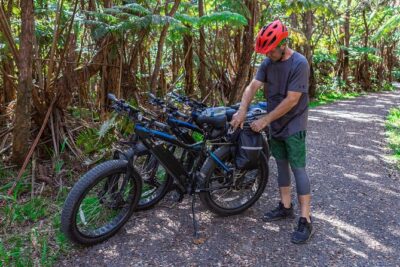
Big Island: Fat Tire E-Bike Tour through Volcanoes National Park
Read our review →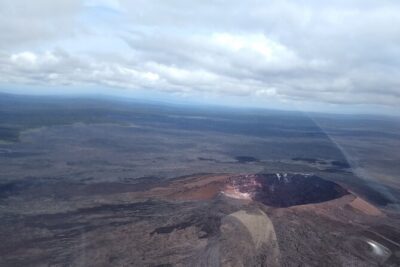
Big Island, Hawaii: Volcanoes National Park Safari
Read our review →
Small Group Teide National Park Volcanic and Forest Wonders
Read our review →
Small-Group Big Island Tour: Hawaii Volcanoes National Park and Kona Coffee Farm
Read our review →