
REVIEW · SRI LANKA
From Mirissa/Galle/Hikkaduwa: Udawalawa National Park Safari
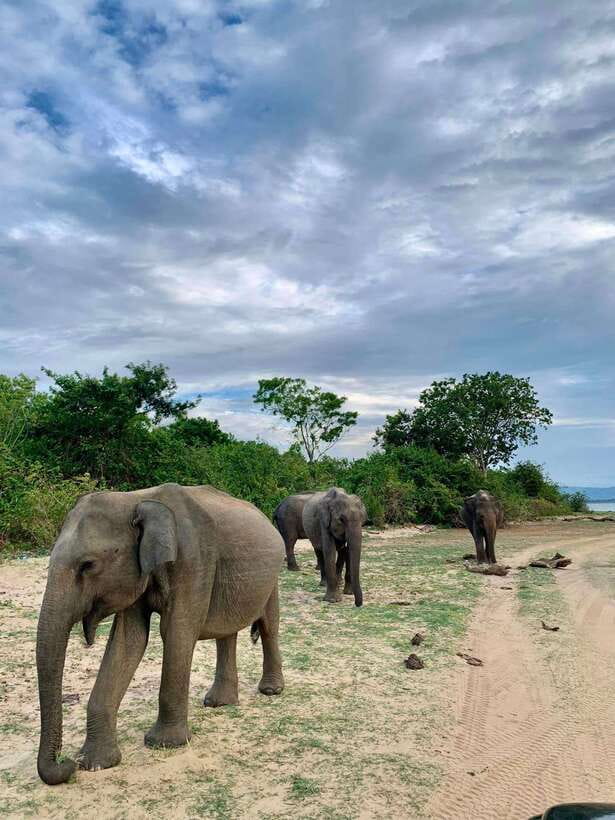
Elephants are the main event here. From Galle, Mirissa, Hikkaduwa, Matara, or nearby coastal towns, you ride in an air-conditioned vehicle to Udawalawe National Park, then switch to a customized 4×4 jeep for a three-hour safari. I like the easy hotel pickup and the guides’ sharp eyes for animals. I also like that the day includes the Elephant Transit Home, not just a quick drive through the park. The main catch is cost: the $27 tour price excludes about $37 for each adult’s park ticket, and the drive from Galle can make this a very long day.
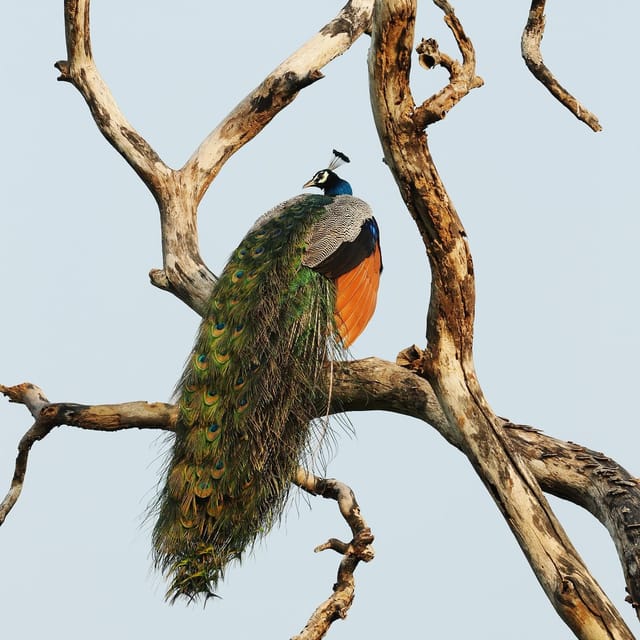
This is a practical choice if you want elephants without arranging several separate transfers. Families of elephants, including babies, are often the highlight, while water buffalo, deer, crocodiles, monkeys, birds, peacocks, monitor lizards, turtles, and chameleons add variety. The safari can get crowded around popular sightings, and the advertised five to nine hours may stretch closer to twelve hours, depending on your pickup point and shared transport.
Key points to know before booking
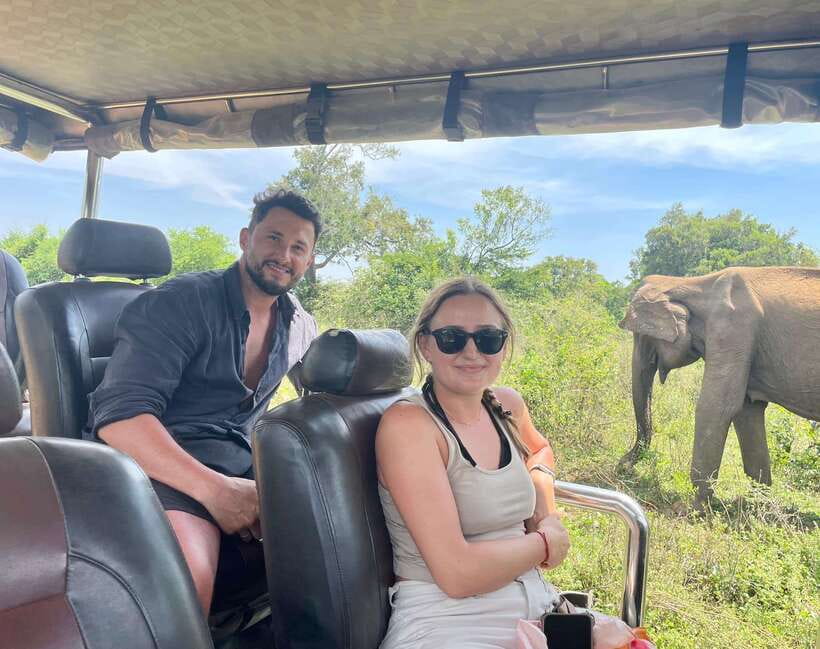
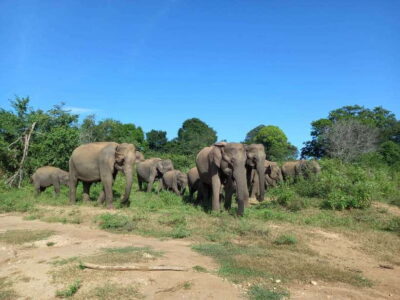
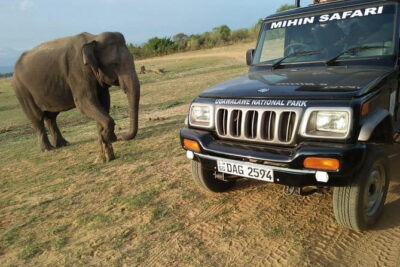
- Elephant sightings are the strongest reason to go: Udawalawe is especially good for seeing elephants in open natural surroundings, sometimes very close to the jeeps.
- The Elephant Transit Home adds a conservation stop: Feeding times are 10:30 AM, 2:30 PM, and 6:00 PM, so timing matters.
- Hotel pickup covers a wide coastal area: Collection is available from Galle, Mirissa, Hikkaduwa, Matara, Tangalle, Weligama, Unawatuna, Ahangama, Talpe, Dikwella, Ella, Tissamaharama, Thanamalwila, and Udawalawe.
- The listed price is not the final price: At $27 per person, you still need to budget about $37 for each adult’s national park entrance ticket, plus food and drinks.
- Guides make a real difference: Good guides spot animals hidden in bushes and trees, explain birdlife, and give you time for photographs.
- Expect a full day from the coast: A Galle pickup can involve about four hours of return driving, with some journeys lasting nearly twelve hours.
Why Udawalawe works so well for an elephant safari
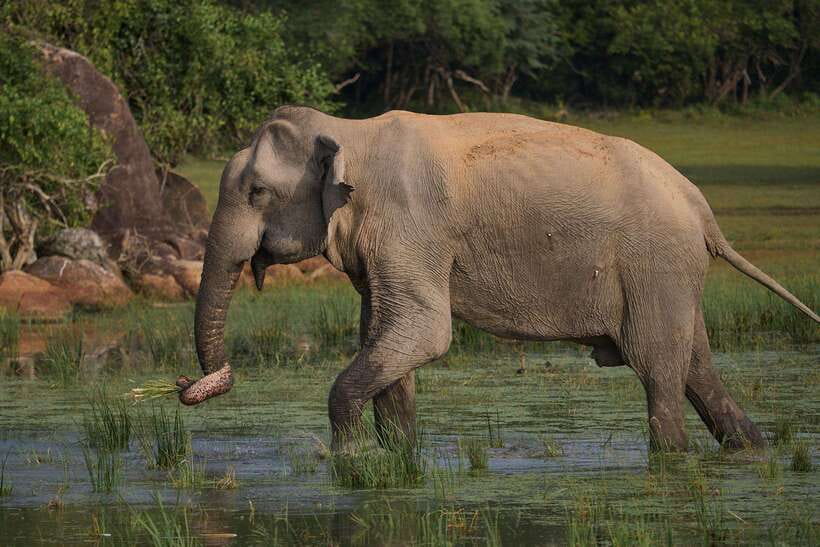
Udawalawe National Park is known for elephants, and that focus shapes the whole outing. You are not simply ticking off animals from a list. The pleasure comes from watching elephants feed, move in family groups, or approach a water source while your guide explains what you are seeing.
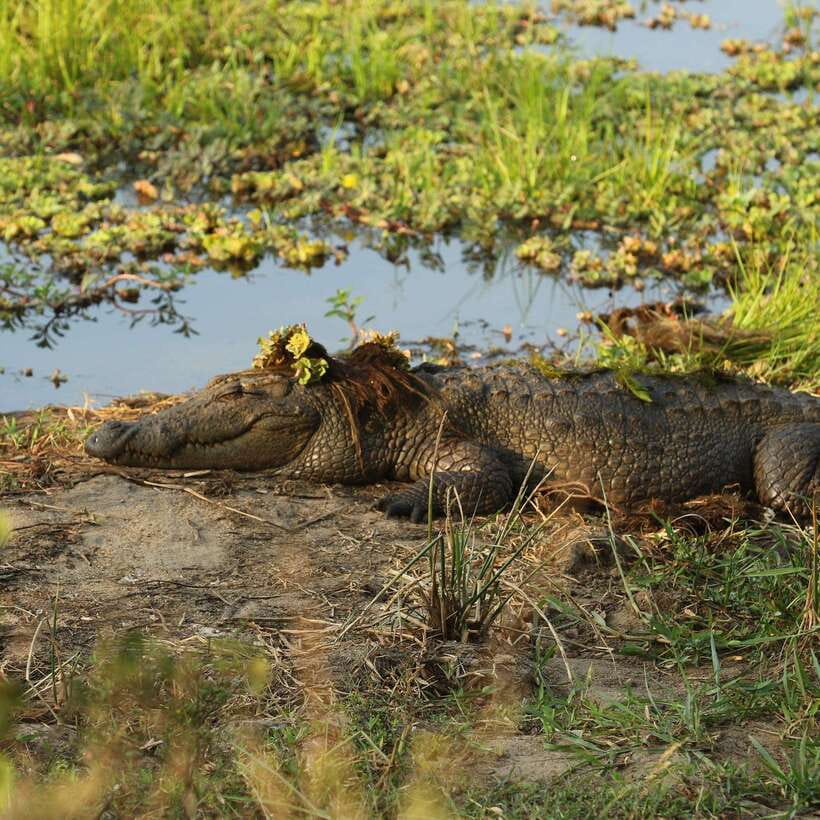
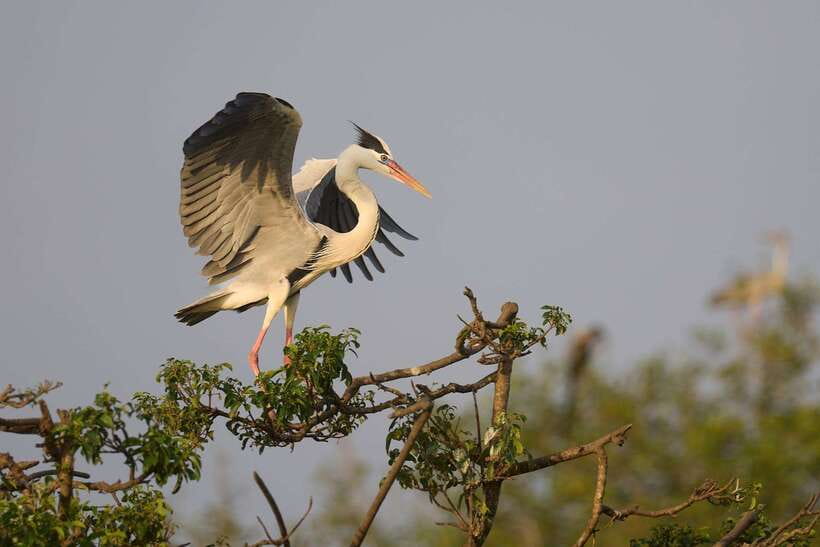
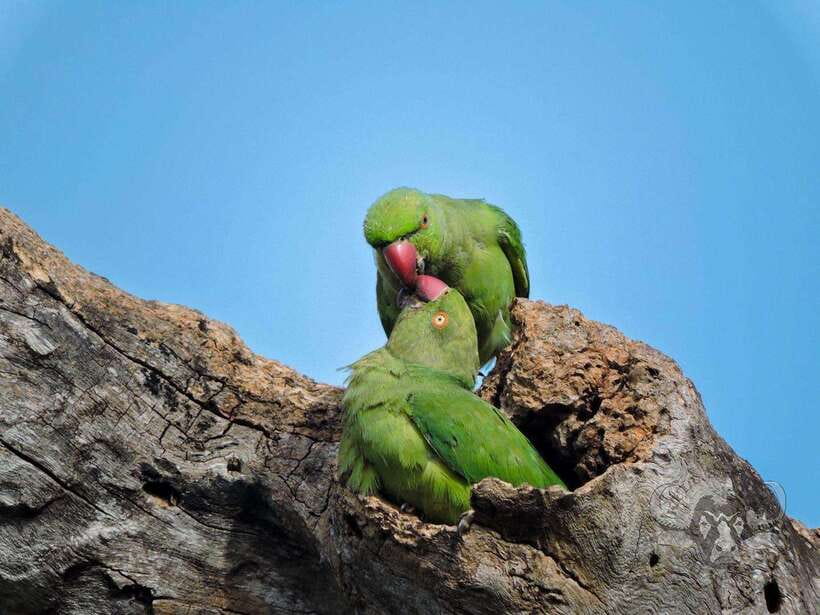
Several outings have produced close views of elephants, including mothers with small calves and one elephant swimming. That does not mean every drive will deliver the same scene, but elephants are the most reliable reason to choose this park. You might also see water buffalo, deer, crocodiles, monkeys, eagles, peacocks, chameleons, monitor lizards, and turtles.
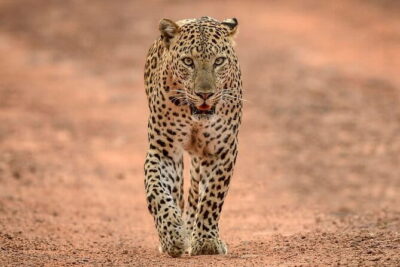
Leopards are mentioned as part of the park’s wildlife, but you should treat a leopard sighting as a bonus rather than a promise. The same goes for foxes and some of the less common animals. The guide’s ability to spot movement matters greatly, especially when an animal is partly hidden in scrub or far across a wet area.
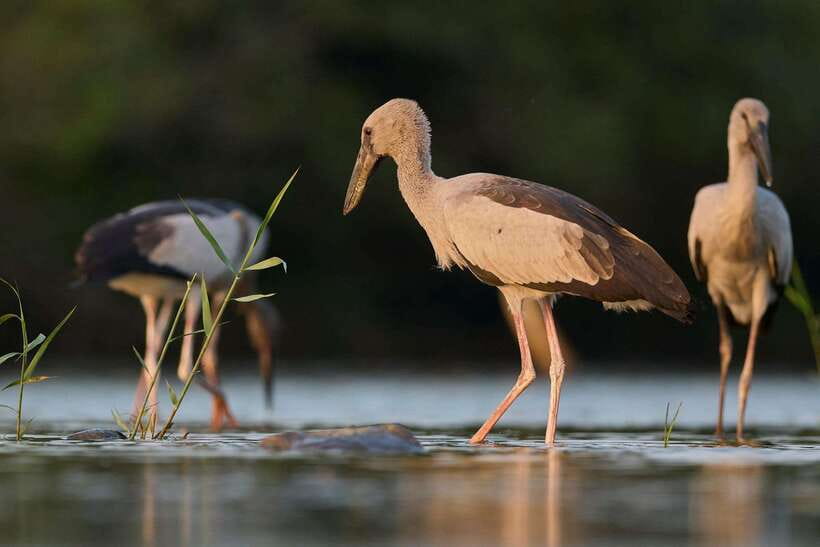
I especially like the birdwatching angle. One guide was praised for identifying birds and finding animals that would have been missed without help. Bring patience as well as a camera. A safari is often about a good look at one animal, not a rapid parade of sightings.
More National Park Safaris in Sri Lanka
- Yala National Park Safari Tours: Morning/Evening/Full Day
★ 4.8 · 818 reviews - Udawalawe National Park: Elephant Safari with Expert Guide
★ 4.9 · 641 reviews - Full day Safari – Yala National Park – 04.30 am to 06.00 pm with – Janaka safari
★ 5.0 · 603 reviews
The early coastal pickup and long road to the park
Your day starts with pickup from your hotel or an agreed location. You are asked to wait in the lobby ten minutes before the scheduled time, a sensible rule when several coastal pickups may be combined. The transfer vehicle is described as a luxury, air-conditioned car or van, and most passengers found the ride clean, comfortable, punctual, and safe.
The broad pickup map is one of the tour’s most useful features. You can start in Galle, Mirissa, Hikkaduwa, Matara, Tangalle, Weligama, Unawatuna, Ahangama, Talpe, Dikwella, Ella, Tissamaharama, Thanamalwila, or Udawalawe. The return locations cover the same towns, so this can work as both a safari and a transfer between stops on a Sri Lankan route.
Do not assume that a five-hour day is realistic from every starting point. From Galle, one person described the return drive as roughly four hours, while another reported a day of nearly twelve hours. Travel time depends on your town, other pickups, road conditions, and the schedule for the elephant center.
The transfer service appears to be one of the better parts of the arrangement. An operator named Anupa has helped confirm plans by WhatsApp, explain timing, and send a vehicle photo and license plate in advance. That is a small but useful touch when you are waiting beside a hotel road in an unfamiliar place.
There can be shared pickups. One journey involved collecting another passenger on the way, though the process went smoothly. If you value a private, fast transfer, confirm the arrangement before booking. If you are happy to trade a little time for a lower price, the included transport is a strong benefit.
Three hours inside Udawalawe National Park
On arrival, the road vehicle is handed over to a safari guide and a customized 4×4 jeep. The jeep provides open views and a better position for photographs than a normal car. It is comfortable overall, though one person found the high step into the vehicle awkward.
The usual park visit lasts about three hours. That is long enough to cover different areas and stop for animals without turning the drive into an endurance test. A good guide will slow down when there is something worth watching, rather than rushing from one sighting to the next.
This patience has been one of the most praised features of the outing. Guides have waited while people took photographs and allowed time to watch animals properly. One guide carried binoculars and helped with photographs. Another made extra stops along the route, including at a waterfall on the way toward Ella.
Your guide also acts as your interpreter. The driver may point out a distant bird, explain where crocodiles are resting, or help you distinguish a chameleon from the surrounding vegetation. Without that help, much of the smaller wildlife would pass unnoticed.
The park can be busy. At popular animal sightings, many jeeps may gather in one place, sometimes with only one or two people in each vehicle. That can make the scene feel crowded and can reduce the quiet quality you hope for in a national park. Sharing a jeep with more people might reduce the number of vehicles, but it also means less personal space.
You should also keep expectations sensible. A safari is not a zoo visit with guaranteed viewing. Elephants are the park’s great strength, but animal activity changes with time, weather, and location. The guide’s skill improves your chances, not the certainty.
The Elephant Transit Home at feeding time
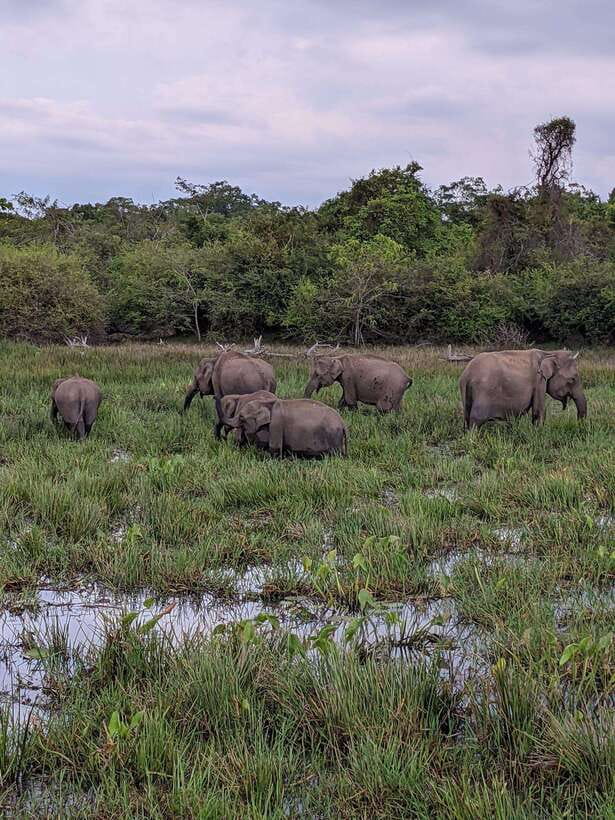
The Elephant Transit Home is the second major stop, and for many people it becomes the emotional highlight. It cares for young elephants that have been orphaned or injured, with the aim of preparing them for a return to the wild.
The center has feeding sessions at 10:30 AM, 2:30 PM, and 6:00 PM. This schedule is important. Ask about the planned feeding time before setting off, especially if you are coming from Galle or another distant coastal town. A poorly timed arrival could mean seeing the center without catching the main feeding activity.
You can watch young elephants being fed and observe how they interact with one another and their caretakers. The sight is appealing, but the larger value is educational: you get a glimpse of the work involved in caring for young animals before they can live independently.
This stop also gives the safari a wider purpose. You are not only looking for animals in the park. You are seeing a conservation effort connected to Sri Lanka’s wild elephant population. The visit lasts about an hour, which is enough time to see the feeding and understand the basic role of the center without taking over the day.
I would not treat this like a petting zoo. The attraction is observing the animals and the care routine, not physical contact. The experience is strongest when you view it as a rehabilitation program rather than an entertainment stop.
More Udawalawe National Park Safaris in Sri Lanka:
- Udawalawe: National Park Safari & Elephant Transit Home Tour
★ 4.9 · 183 reviews - Udawalawe National Park 6-Hour Private Safari Tour
★ 5.0 · 41 reviews - Udawalawe National Park Safari trip from Galle/Mirissa/Ella
★ 5.0 · 33 reviews - Udawalawa National Park half day Safari
★ 5.0 · 32 reviews
How much value do you get for $27?
The advertised price of $27 per person looks low for hotel pickup, a long-distance transfer, a safari jeep, a guide, and a return drop-off. But the park entrance fee is not included. The stated estimate is about $37 per adult, which brings the basic total to roughly $64 before food and drinks.
That changes the way I would judge the price. It is not a $27 safari. It is closer to a $64-per-adult wildlife day, with possible extra costs for meals. Even so, the value can be good if you are staying on the south coast and would otherwise need to arrange transport, park entry, a jeep, and a guide separately.
The value is strongest for people moving between towns. A pickup in Mirissa and drop-off in Ella, for example, has been arranged, with help getting to a hotel on a narrow road. You can combine transport with a major wildlife stop rather than lose a separate day to a return journey.
The value is weaker if you are already staying beside Udawalawe and only need a short park visit. In that case, compare local safari prices and ask exactly what is included. This tour is built around convenience from a wide area, so its transport element is a major part of what you are paying for.
Food and drinks are not included. Bring water and snacks, especially from Mirissa, Galle, or Hikkaduwa. One long morning was made easier by having provisions on hand.
What the service does well, and where it can improve
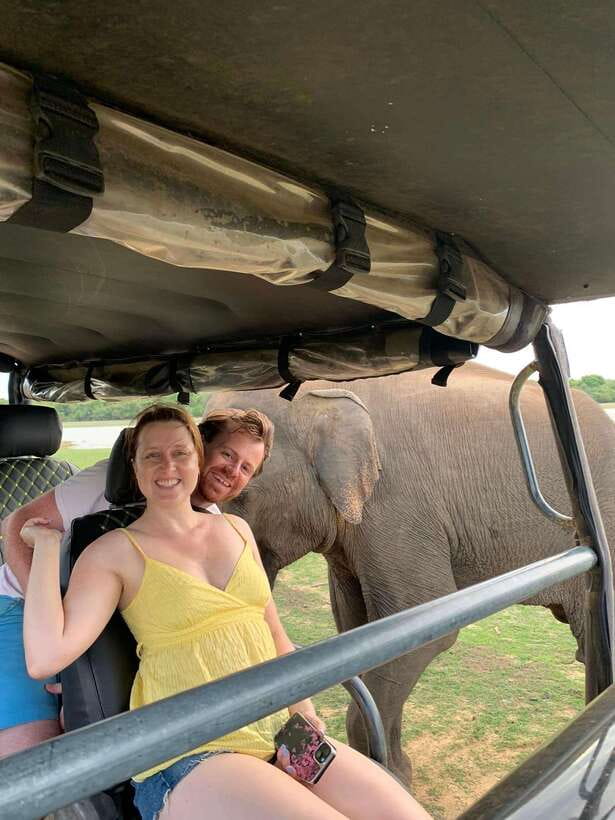
The strongest part of the service is coordination. Pickup is generally on time, the vehicle is comfortable, and communication before the trip can be clear. Drivers have been described as friendly, careful, and helpful with luggage and route changes.
The safari guides receive the highest praise. Their ability to spot animals, explain birds, drive carefully, and wait for photographs shapes the quality of the day. If you have a particular interest in elephants, birds, or photography, tell the operator before departure so the guide can understand your priorities.
There are a few service details worth noting. One person found the transfer driver distracting because of phone conversations and coughing, with some unprofessional habits during the ride. That seems to be an isolated complaint among otherwise positive transport comments, but it is fair to remember that the transfer and safari may involve different drivers.
The tour also uses several handoffs: hotel pickup, arrival at Udawalawe, transfer to the safari guide, and return transport. Most people found this process easy, but confirm who will meet you at the park and keep the operator’s contact details available.
The high jeep step may be uncomfortable for some passengers. The activity is not recommended for pregnant women or people with back problems. Bring a passport or ID card, and note that alcohol and drugs are not allowed.
Who should book this Udawalawe day trip?
I would recommend it to you if elephants are high on your Sri Lanka list and you are staying along the southern coast. It suits visitors who want transport arranged, prefer a guide who can identify animals, and do not want to negotiate separately for a jeep at the park.
It is also a good fit for photographers. The jeep offers clear viewing, the guides allow time for pictures, and binoculars may be available. Bring your own camera equipment, but remember that no sighting can be guaranteed.
Families with older children may enjoy the elephants and the conservation visit, though the long road time can test patience. Couples and solo visitors will appreciate the easy door-to-door setup, particularly when using the safari as part of a transfer between towns.
I would think twice if you dislike early starts, long drives, crowded animal sightings, or uncertain schedules. If your priority is a quiet, private safari with complete control over timing, confirm whether the jeep is shared or private before paying.
Should you book it?
Book this outing if you want a convenient elephant safari from Galle, Mirissa, Hikkaduwa, or another listed town, and you accept the extra park fee and a potentially long day. The combination of a capable safari guide, comfortable transport, close elephant sightings, and the Elephant Transit Home gives the day real substance.
Before booking, confirm three things: the total cost including the approximately $37 park ticket, the pickup time, and the feeding session you will attend at the Elephant Transit Home. If those details work for your schedule, this is a strong and practical way to meet Udawalawe’s wildlife.
FAQ
What is included in the Udawalawe safari?
The tour includes pickup and drop-off, air-conditioned transport, a safari in a customized 4×4 jeep, and an experienced guide or driver.
Is the national park entrance ticket included?
No. The national park ticket is extra and is listed at about $37 per adult.
How long does the activity last?
The stated duration is five to nine hours, but the total day can be longer from distant pickup points. Some journeys have lasted nearly twelve hours.
Where can I be picked up?
Pickup is available from Ahangama, Ella, Galle, Matara, Udawalawe, Talpe, Hikkaduwa, Dikwella, Thanamalwila, Mirissa, Tissamaharama, Tangalle, Weligama, and Unawatuna.
Where can I be dropped off?
Drop-off is available in Tangalle, Thanamalwila, Mirissa, Talpe, Dikwella, Unawatuna, Hikkaduwa, Udawalawe, Matara, Weligama, Ella, Galle, Ahangama, and Tissamaharama.
What animals might I see?
The park is known for elephants. You might also see deer, water buffalo, crocodiles, monkeys, eagles, peacocks, chameleons, monitor lizards, turtles, foxes, and other birds. Leopards are possible but not guaranteed.
When does the Elephant Transit Home feed the young elephants?
Feeding sessions take place at 10:30 AM, 2:30 PM, and 6:00 PM.
Is food included?
No. Food and drinks are not included, so bringing water and snacks is sensible.
What should I bring?
Bring your passport or ID card. Water, snacks, sun protection, and a camera are also practical choices, though only the passport or ID card is specifically required.
Is the safari suitable for people with back problems?
No. The activity is not suitable for people with back problems or pregnant women. The step into the safari jeep may also be difficult for some passengers.
Just added around Sri Lanka
- Fully Private Udawalawe National Park Safari Tour★ 5.0 · 3 reviews
- Udawalawa National Park Safari trip from Hikkaduwa/Galle/Weligama★ 4.5 · 7 reviews
- Yala and Udawalawa Safari Tour From Hambantota port★ 5.0 · 22 reviews
- Yala National Park Safari Tours from Hambantota Port★ 5.0 · 8 reviews
- Yala National Park Safari from Hambantota port (Shore Excursion)★ 4.5 · 25 reviews
- Yala National Park Safari Tour From Hambantota Port★ 5.0 · 19 reviews
- Yala National Park Safari Tours From Hambantota port★ 5.0 · 7 reviews
- Yala National Park Tour From Hambantota Port★ 5.0 · 39 reviews
Udawalawe National Park Safaris, compared.
Udawalawe National Park: Elephant Safari with Expert Guide
Read our review →
Udawalawe: National Park Safari & Elephant Transit Home Tour
Read our review →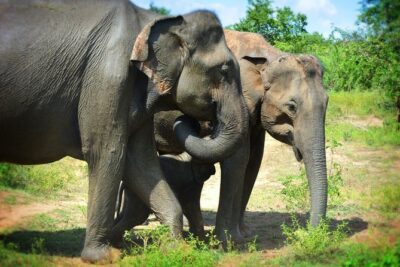
Udawalawe National Park 6-Hour Private Safari Tour
Read our review →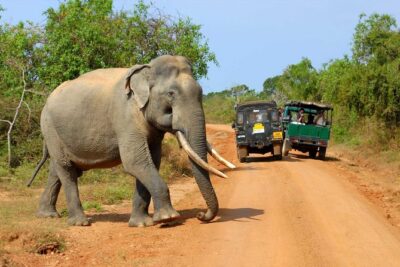
Udawalawe National Park Safari trip from Galle/Mirissa/Ella
Read our review →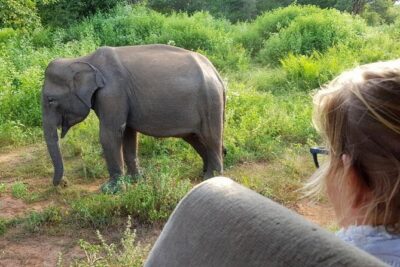
Yala and Udawalawa Safari Tour From Hambantota port
Read our review →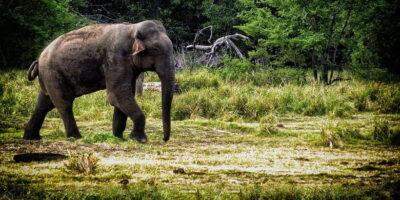
From Ella: All Inclusive Udawalawe National Park Safari
Read our review →Browse the lists this tour appears in