
REVIEW · NATIONAL PARKS
From Cusco: Manu National Park 3 Day Tour
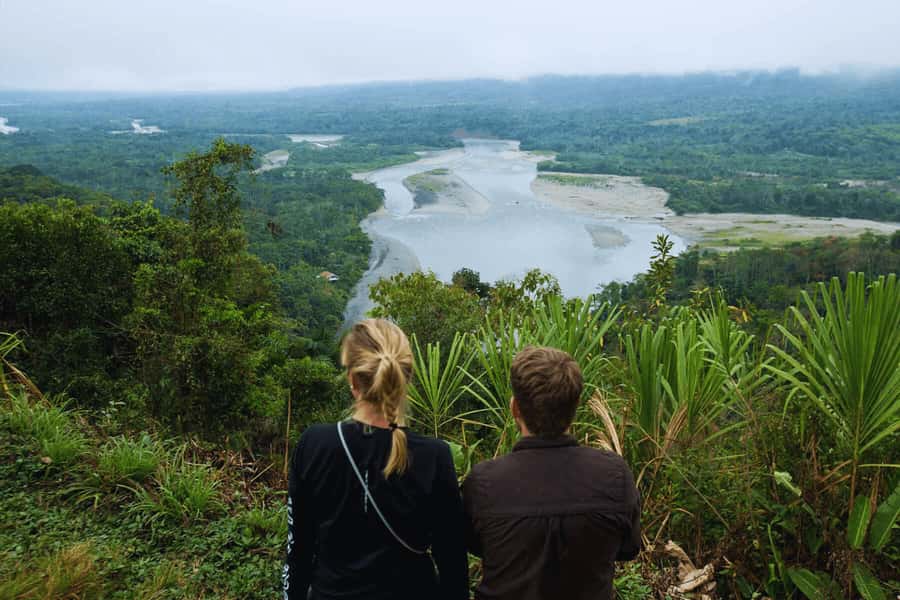
The Andes give way to jungle surprisingly fast. This three-day trip from Cusco combines mountain roads, cloud forest, river travel, and the wildlife of Manu’s cultural zone at a reasonable $370 per person. I especially like the chance to watch the Andean cock-of-the-rock courtship display and the early speedboat ride to a parrot clay lick.
I also like the mix of nature and local culture, from Lupaca tombs and Paucartambo’s museum to a coca plantation and rescue center. The main drawback is the long travel time, plus a first-night lodging area that may need better upkeep. A guide may also explain the schedule less clearly than you would hope.
Key points to know before booking
- The cock-of-the-rock stop is a real highlight: You learn about Peru’s national bird and its courtship ritual in the cloud forest.
- Day three starts early: A speedboat takes you to a clay wall where several parrot species gather to eat mineral-rich clay.
- This is an active transfer trip: You spend long periods in a coach or minibus, then switch to boats and a kayak.
- The group is limited to 17 people: That keeps the outings more manageable than a large coach tour.
- Meals are included for most of the trip: You receive two breakfasts, two lunches, and two dinners, but not breakfast on day one or dinner on the last day.
- The first night can be basic: Bring realistic expectations about accommodation and common areas.
From Cusco to the cloud forest
The first day begins with hotel pickup in Cusco, followed by a long road journey through valleys between the Andes and Manu National Park. This is not a quick transfer. The changing scenery is part of the experience, but you should be comfortable spending much of the day in a coach or minibus.
The route passes picturesque towns and mountain country before reaching the warmer, wetter cloud forest. That change in climate gives the day its character. You start among high Andean valleys and gradually enter thick vegetation, where orchids, bromeliads, and ferns become part of the view.
One of the first cultural stops is a group of pre-Inca tombs connected with the Lupaca culture. The stop adds useful context to the trip. Manu is not only about animals and jungle scenery. The route also passes through places shaped by people who lived in the Andes long before the Inca period.
You then visit Paucartambo, a colonial city with a museum. The stop is a good break from the road and gives you time to see more of the region’s cultural side. The provided schedule does not state how long you stay at the museum, so it is best to think of this as a guided stop rather than a long independent visit.
Lunch comes in the cloud forest. This is where the natural focus of the trip becomes clearer. The forest supports orchids, bromeliads, ferns, and native animals, including the Andean bear and the Andean cock-of-the-rock.
More National Park Day Trips in the world:
- Plitvice Lakes National Park Guided Day Tour from Split
★ 5.0 · 1,948 reviews - From Manapouri: Doubtful Sound Wilderness Day Trip
★ 4.8 · 1,621 reviews - Tenerife: Teide National Park Full-Day Tour with Pickup
★ 4.5 · 1,613 reviews
Watching the Andean cock-of-the-rock
The cock-of-the-rock is Peru’s national bird, and learning about its courtship ritual is one of the most distinctive parts of this trip. The bird is famous for its bright appearance and unusual group display, but sightings in nature are never something a tour can promise.
Your guide explains the bird’s behavior and the role of the courtship ritual. That makes the stop more useful than simply pointing a camera toward the trees. You get a basic lesson in how the species lives and why the cloud forest matters to it.
Keep your camera ready, but do not treat this as a guaranteed wildlife show. Forest conditions, weather, and animal behavior affect what you see. Binoculars are strongly worth packing, especially when birds remain high or partly hidden in the vegetation.
The cloud forest portion is also a good reason to bring rain gear and insect repellent. The supplied packing advice includes both, along with comfortable clothes, sturdy shoes, sunscreen, a hat, and plenty of water.
After lunch and the wildlife presentation, you continue to the first hostel. The accommodation is included for two nights, but the standard appears practical rather than luxurious. One stay had a lot of rubbish around the grounds, which is a fair concern if you care about well-kept communal areas. The food, on the other hand, received strong praise, so you can expect the included meals to be one of the more dependable parts of the trip.
Day two: forest walks, coca, and the Alto Madre de Dios
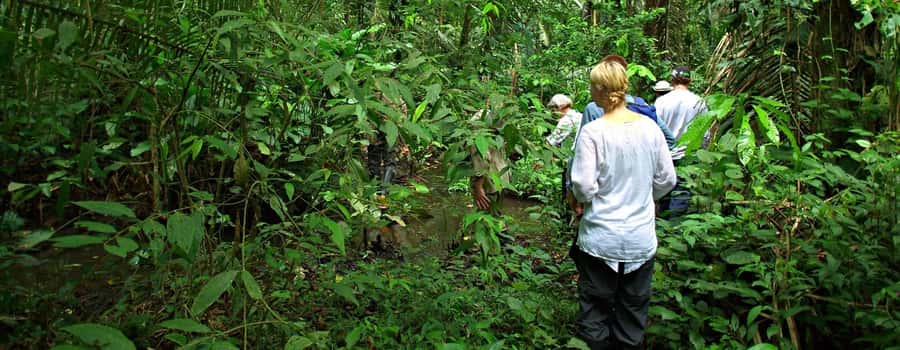
Day two starts early with breakfast, followed by a walk to look for forest animals. The early hour matters. Many forest species are more active before the day becomes hot, and walking at this time gives you a better chance to hear birds and other animals.
The route then includes a coca plantation. Coca is an important plant in the Andes and Peru, and seeing it in cultivation adds a local farming angle to the trip. The stop is not just a nature break. It shows how plants connected with the region fit into daily life and the local economy.
You also visit a wildlife rescue center. The supplied details do not specify which species are housed there, so you should not expect a fixed animal list. The value of the stop is its conservation focus and the chance to learn about animals that need care and protection.
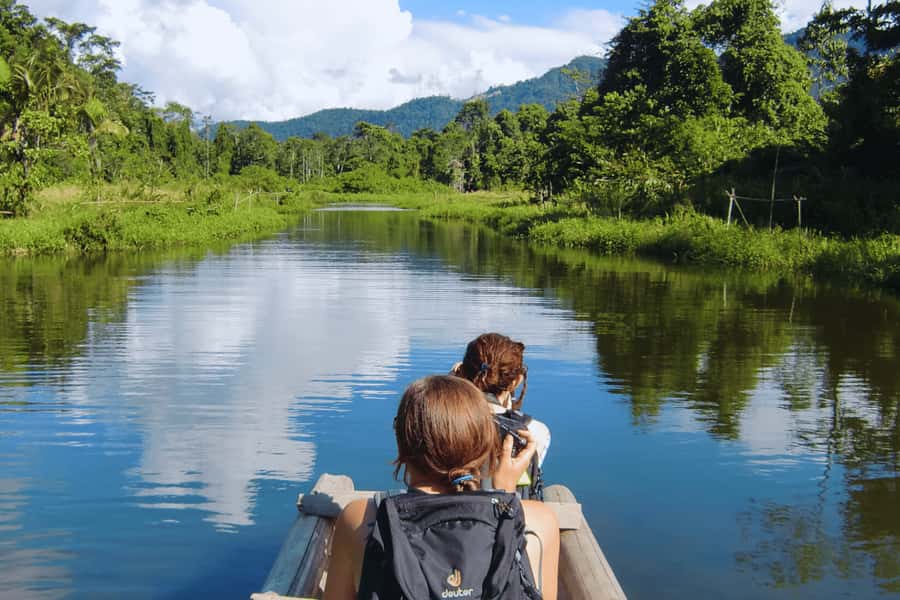
From there, the group continues toward Atalaya on the banks of the Alto Madre de Dios River. This is where the transport changes from road travel to river travel. The river setting gives the second day a more Amazon-focused feel, while also making the schedule more varied.
One hour of kayaking on the river
At Atalaya, you take part in a one-hour kayaking activity. This is included in the price, and it gives you a quieter way to look for birds than traveling in a motorized boat.
Possible sightings listed for this part include herons, vultures, and cormorants. Birdwatching depends on conditions, so think of the activity as a chance to search rather than a timed wildlife performance. Bring binoculars if you have them, and protect your camera from rain and splashes.
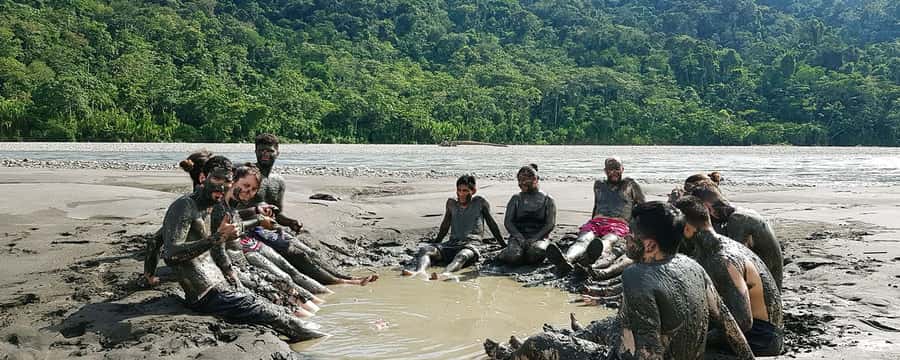
The kayaking also requires a basic level of comfort around water. Swimwear is on the packing list, and you have free time later to take a dip in the river. The activity is not described as difficult, but people with back or heart problems are advised not to book this tour. It is also not suitable for wheelchair users or pregnant women.
After kayaking, you reach the hostel, have lunch, and get free time. A swim can be a welcome pause after the road journey and forest walk, although river conditions and weather may affect whether this part goes ahead.
More Three-Day Trips in the world:
- Jungle Towernight Stay In Chitwan National Park ,nepal-2 Nights 3 Days Package
★ 5.0 · 186 reviews - 3-Day Chitwan National Park Jungle Safari Tour Package with Pick Up
★ 5.0 · 184 reviews - 3 Day Serengeti National Park & Ngorongoro Crater Camping Safari
★ 5.0 · 142 reviews - From Johannesburg: Kruger National Park 3-Day Safari
★ 4.7 · 78 reviews
Swamp birds and a search for caimans
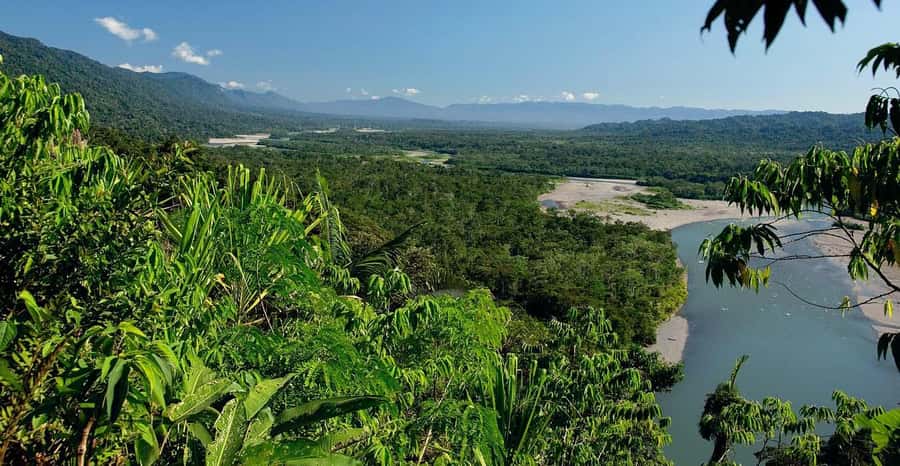
Later on day two, you visit a swamp where toucans, woodpeckers, and parrots live. This gives you another habitat to explore rather than repeating the cloud forest experience. Different plants, water conditions, and open areas can bring different birds into view.
The group also goes in search of caimans. The wording matters: this is a search, not a guaranteed sighting. Wildlife watching works best when you are willing to wait, listen, and accept that some animals remain out of view.
The guide speaks English and Spanish. A good guide can make a major difference here by helping you notice calls, movement, and small details in the vegetation. The tour does not provide a guide’s name, but the guide is expected to lead the walks, explain local plants and animals, and manage the group during river activities.
Day three and the parrot clay lick
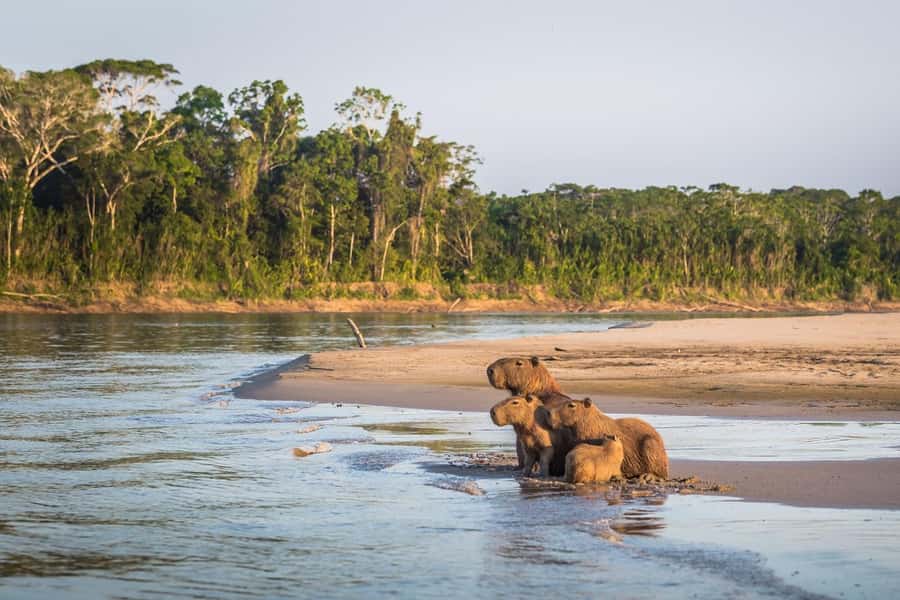
Day three begins early again. You board a speedboat and travel to a parrot clay lick, a clay wall along the river where different parrot species gather to eat.
This is one of the trip’s most unusual wildlife stops. The clay contains minerals that help the birds digest food and remove toxins. Watching several species gather for the same purpose gives you a clear example of how animals use the forest’s natural resources.
The early departure is practical. It gives you the best available chance to reach the clay lick before the day’s schedule moves on, and it leaves time for the long return to Cusco. Bring your camera, but be patient and keep your distance. Feeding animals, touching plants, and littering are not allowed, and plastic bottles are prohibited. Use a reusable water bottle instead.
After the clay lick, you return to the hostel for breakfast. You then take a speedboat back to Puerto Atalaya, where a coach or minibus waits for the journey to Cusco.
Lunch is provided on the return route. Arrival in Cusco is expected between 5:30 pm and 6:30 pm, though weather and road conditions can affect timing. You receive no dinner on the final day, so plan your evening meal after arrival.
What the $370 price really covers
At $370 per person, the tour offers solid value if you want transport, lodging, meals, park admission, and guided activities bundled together. The price includes hotel pickup and drop-off, coach or minibus travel, speedboats, two nights of accommodation, a guide, kayaking, and admission to Manu National Park.
It also includes two breakfasts, two lunches, and two dinners, along with mineral water. Breakfast on the first day, dinner on the final day, and other drinks cost extra. Pack a snack for the first morning if you do not want to buy breakfast before departure.
The value comes from the transport connections. Organizing a trip that links Cusco, the cloud forest, Atalaya, river activities, a rescue center, swamp wildlife, and the clay lick would take more work on your own. The tradeoff is that you give up some control over timing and accommodation standards.
A small group of up to 17 people is another positive. It is not a private trip, but it should feel more manageable than a large bus excursion. Still, group schedules can be tight, especially on the return day, so do not expect long, unplanned stops at every location.
Food, lodging, and comfort
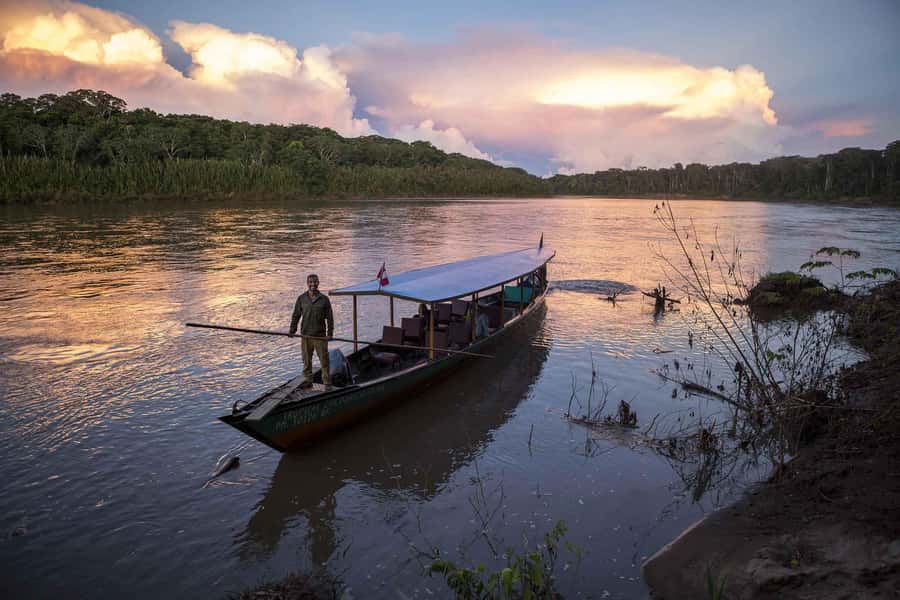
Two nights of accommodation are included, but the tour is not presented as a luxury stay. You should pack for simple lodging and focus on the access to the forest and river rather than room facilities.
Food appears to be a strong point. The included meals were praised, and vegetarian options are available. Drinks are not included, so carry a reusable bottle and budget for anything beyond the supplied mineral water.
The tour asks you to bring comfortable shoes, comfortable clothing, swimwear, rain gear, sunscreen, insect repellent, a hat, a camera, water, and binoculars. That list is sensible. You need to prepare for heat, rain, wet activities, forest paths, and long hours on the road.
Do not bring single-use plastic bottles. Smoking, feeding animals, touching plants, and littering are not allowed. These rules are simple, but they matter in a protected area where small careless acts can cause real harm.
Who will enjoy this three-day trip
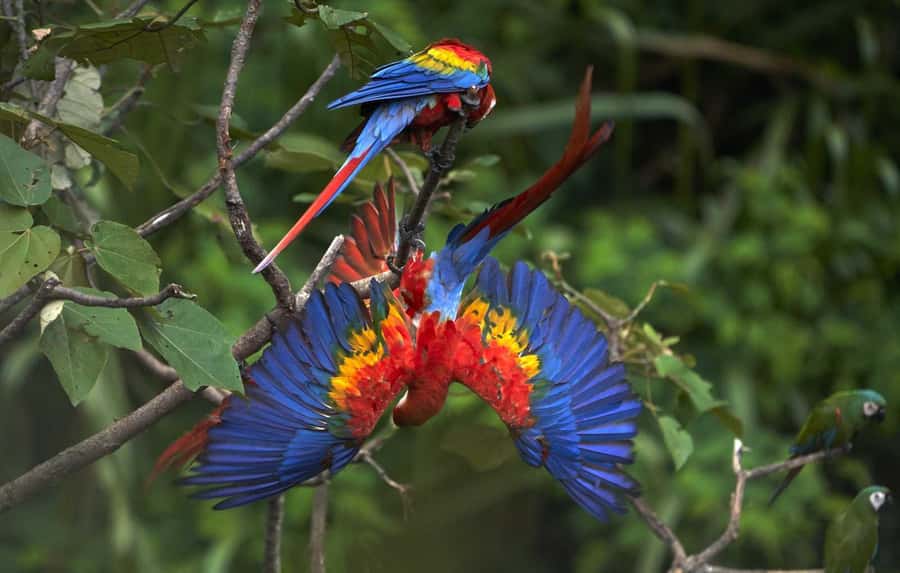
I would choose this tour if you want a short introduction to Manu without arranging every transfer yourself. It suits you best if you enjoy wildlife watching, do not mind early mornings, and can handle long road journeys followed by walks and boat rides.
It is especially good for people who want variety. In three days, you cover Andean culture, colonial Paucartambo, cloud forest plants, bird behavior, coca cultivation, wildlife rescue, kayaking, swamp habitat, caimans, and parrots at a clay lick.
I would think twice if you need a comfortable hotel, a slow schedule, or precise control over every stop. The first lodging may feel rough around the edges, and one scheduled day can be confusing if the guide does not explain the timing clearly.
Children under three cannot join. The tour is also not suitable for pregnant people, people with back or heart problems, or wheelchair users. Weather can change the program, so flexibility is part of the deal.
Should you book the Manu National Park tour?
Book it if your priority is access to varied habitats and wildlife within a short three-day window. The cock-of-the-rock presentation, one-hour kayak trip, swamp search, and parrot clay lick give the tour more substance than a simple scenic drive into the forest.
The price is fair for the transport, guide, accommodation, park admission, meals, and boat services included. I would bring binoculars, rain gear, insect repellent, a reusable bottle, and modest expectations about the hostel.
Skip it if you want a polished lodge, a relaxed timetable, or guaranteed animal sightings. For an active visitor who accepts long transfers and basic rooms in exchange for a broad taste of Manu, this is a practical and worthwhile choice.
FAQ
How long is the Manu National Park tour from Cusco?
The tour lasts three days and includes two nights of accommodation. You are expected to return to Cusco between 5:30 pm and 6:30 pm on the third day.
What languages does the guide speak?
The live guide service is available in English and Spanish.
Is transportation included?
Yes. The price includes hotel pickup and drop-off, transport by coach or minibus, and speedboat transport. Kayaking is also included.
Is kayaking part of the tour?
Yes. The tour includes a one-hour kayaking activity near Atalaya on the Alto Madre de Dios River.
What meals are included?
The tour includes two breakfasts, two lunches, and two dinners. Breakfast on the first day and dinner on the final day are not included. Drinks are also extra.
Can I request vegetarian meals?
Yes. Vegetarian meal options are available.
What should I bring?
Bring comfortable shoes, a hat, swimwear, a camera, sunscreen, water, rain gear, comfortable clothes, insect repellent, and binoculars. A reusable water bottle is recommended.
Is the tour suitable for everyone?
No. It is not suitable for children under three, pregnant people, people with back or heart problems, or wheelchair users. The activity can also be affected by weather conditions.
Just added around the world
- From Galway: Connemara, Kylemore Abbey or National Park Tour★ 4.7 · 7 reviews
- From Flores: Tikal National Park All Inclusive★ 5.0 · 5 reviews
- From Flores: Tikal National Park Private Day Trip with Lunch★ 5.0 · 2 reviews
- From Flagstaff: Grand Canyon National Park Tour★ 4.9 · 106 reviews
- From Ella: Udawalawe National Park Safari Tour★ 5.0 · 12 reviews
- From Ella – Yala National Park Leopard Safari Tour★ 3.8 · 5 reviews
- From Diani or Mombasa: Tsavo East National Park Day Trip★ 5.0 · 4 reviews
- From Ella: All Inclusive Udawalawe National Park Safari★ 4.8 · 19 reviews
National Park Day Trips, compared.
Yosemite Highlights & Giant Sequoias Day Tour from San Francisco
Read our review →
Plitvice Lakes National Park Guided Day Tour from Split
Read our review →
From Manapouri: Doubtful Sound Wilderness Day Trip
Read our review →
Tenerife: Teide National Park Full-Day Tour with Pickup
Read our review →
Split: Krka National Park Day Trip with Boat Ride & Swimming
Read our review →
Canyonlands National Park Half-Day Tour from Moab
Read our review →
Best of Olympic National Park from Seattle: All-Inclusive Small-Group Day Tour
Read our review →
Montenegro: Full-Day Tour to Lovcen National Park & More
Read our review →Browse the lists this tour appears in