REVIEW · TANZANIA
3 Day Serengeti National Park & Ngorongoro Crater Camping Safari
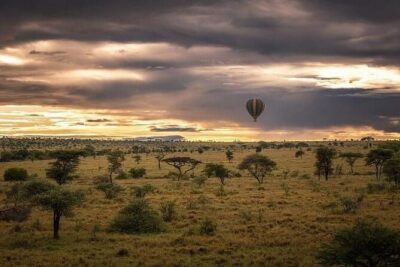
Wild Africa rewards early starts. This three-day camping safari links Tanzania’s Serengeti National Park with Ngorongoro Crater, giving you big wildlife, open plains, and a close look at one of Africa’s great volcanic wonders. I especially like the small group limit of six and the fact that meals, park fees, camping, a 4×4 vehicle, and airport transfers are included. The main tradeoff is simple: three days means long drives and a quick taste of two huge places.
I also like the strong guiding record, with guides such as Daniel Lyimo, Emmanuel, James, and Peter praised for sharp animal spotting, safe driving, and patience. Camping keeps the price at $1,100 per person within reason, but you should expect basic facilities, cool nights near the crater rim, and one reported campsite with poorly kept bathrooms.
Key points to know before booking
- Serengeti wildlife begins on the first afternoon: Your first game drive starts after the long journey through the Ngorongoro Highlands.
- Ngorongoro Crater packs wildlife into a smaller area: The crater floor is a strong place to look for lion, zebra, wildebeest, flamingos, and black rhino.
- Groups are limited to six people: That matters when you are sharing window space and choosing where to stop for animals.
- Meals are part of the package: A safari chef prepares cooked meals, with breakfast, lunch, and dinner covered across the three days.
- Camping brings real practical tradeoffs: Camps may be clean and ready, but bathroom standards vary, and the crater rim can be cold.
- Guide quality is central to the experience: Daniel, Emmanuel, James, and Peter receive repeated praise for animal knowledge, driving, and effort.
What this three-day safari is really like
This is a compact safari from Arusha built around two famous destinations. You leave the town behind, cross the rolling Ngorongoro Highlands, spend time in the Serengeti, then finish with a game drive in Ngorongoro Crater before returning to the meeting point.
The price is $1,100 per person. That is not a budget bus trip, but it covers the costly parts of a northern Tanzania safari: park and camping fees, a 4×4 safari vehicle, a guide, food, water, coffee and tea, accommodation, airport transfers, and a Maasai boma visit. You are paying for access, transport, meals, and support staff in one package rather than arranging each piece yourself.
The group size makes a real difference. With no more than six people, you have a better chance of getting a window seat and hearing your guide without a chorus of competing questions. It also gives the driver more freedom to respond when an animal appears, though the exact feel of the ride will depend on how full the vehicle is.
The early start is worth taking seriously. Safari days are long, and the supplied start time is shown as 12:00 am, which may indicate a midnight pickup or a system placeholder. Confirm the exact pickup hour with SafariHQ before you book flights or arrange a hotel night.
More National Park Safaris in Arusha
- 7 Days Tanganyika Wilderness Safari
★ 5.0 · 159 reviews - Arusha National Park Private Safari
★ 5.0 · 59 reviews - 6 days 5 nights safari Ngorongoro, Serengeti and Tarangire National Parks
★ 5.0 · 39 reviews
Day 1: Through the highlands to the Serengeti
The first morning begins with a safety talk and trip briefing from your guide. That is useful, not just formal. You will spend many hours in a vehicle, and a clear briefing helps set expectations about road conditions, wildlife behavior, and the rhythm of a camping safari.
The route passes through the Ngorongoro Highlands before reaching Serengeti National Park. The drive takes time, so Day 1 is partly a transfer day. The reward comes later, with an afternoon game drive once you enter the park.
Serengeti is Tanzania’s oldest national park and a UNESCO World Heritage Site. It is best known for the Great Wildebeest Migration, though wildlife viewing does not depend entirely on catching the migration at the right moment. The park is also home to the Big Five: lion, leopard, elephant, buffalo, and rhinoceros.
The afternoon timing gives you a first chance to see the park before reaching camp. You might encounter wildebeest, zebra, gazelle, giraffe, buffalo, or lion. A guide’s skill matters here. Drivers such as Peter and Emmanuel are praised for spotting animals and positioning the vehicle for photographs, while Daniel Lyimo is praised for explaining a wide range of animals.
The first night is part of the adventure, but it is not hotel camping. Tents are set up for you, and a chef prepares meals, yet facilities can be basic. One account describes the first night’s bathrooms as very dirty. I would pack hand sanitizer, toilet paper, a headlamp, and realistic expectations.
Day 2: A full Serengeti game drive
Day 2 gives you the most sustained time in the Serengeti. A morning game drive is scheduled for about eight hours, including a return to Seronera Campsite for a cooked lunch.
This is the day for patience. The Serengeti is not a zoo, and sightings come in bursts. You might spend time watching a herd of zebra, then suddenly find yourself near lion cubs, a cheetah, or an elephant herd. The listed wildlife includes wildebeest, lion, cheetah, giraffe, dik-dik, impala, gazelle, buffalo, hippo, leopard, zebra, and elephant.
A good guide does more than point at large animals. Emmanuel is praised for reading about birds while the vehicle was stopped, and Peter is praised for naming both animals and birds quickly. That kind of attention makes the quieter moments worthwhile. You begin to notice smaller creatures and birdlife instead of waiting only for a lion.
Lunch at Seronera is another practical strength. A cooked meal is more satisfying than a hurried snack, especially after a morning on rough roads. The package also includes mineral water, coffee, and tea, so you do not need to depend entirely on shops along the way.
After lunch, the route continues through the Serengeti and into the Ngorongoro Conservation Area. This is a long afternoon drive toward the crater rim. The scenery changes as you leave the open plains, and the higher elevation brings cooler air.
Bring a warm layer for this night. One account specifically warns that the Ngorongoro campsite can be cold. A fleece, light jacket, warm socks, and a hat will be more useful than extra fashionable safari clothing. Camping at the rim gives you a memorable setting, but comfort depends on the weather and the condition of the facilities.
Day 3: Ngorongoro Crater and a concentrated wildlife morning
The final day starts with a drive down into Ngorongoro Crater. The crater is the world’s largest intact volcanic caldera, covering about 265 square kilometres with walls reaching roughly 600 metres high.
That enclosed shape changes the safari experience. Instead of searching across huge open plains, you are looking across a broad natural bowl where large numbers of animals live. About 30,000 animals may be present at one time, though sightings still depend on the season, weather, and luck.
The crater is particularly valued for its black rhino population. The safari description highlights some of the last remaining black rhinos in East Africa. Seeing one is never guaranteed, but the crater gives you a meaningful chance to look for them.
You may also see lion, wildebeest, zebra, eland, gazelle, and flamingos on Lake Magadi. Leopard and cheetah are possible too, and the black-maned lion is one of the area’s signature sights. The wildlife is not the only reason to enjoy the crater. The steep walls and changing elevations give the drive a dramatic sense of place.
The scheduled crater visit lasts about six hours. That is enough for a substantial game drive, but not enough to explore every corner. Since this is the last major activity, you should keep your camera ready and avoid treating the return drive as dead time.
After the crater visit, the experience ends back at the meeting point. The exact return hour is not provided, so do not schedule a tight onward connection unless SafariHQ confirms the timing.
More National Park Safaris in Tanzania
- 3 Days Safari to Serengeti National Park & Ngorongoro Crater in Tanzania
★ 5.0 · 34 reviews - 3 Days Safari Ngorongoro Crater and Serengeti National Park
★ 5.0 · 21 reviews - Arusha: Tarangire National Park Full-Day Wildlife Safari
★ 4.8 · 6 reviews - Arusha: Arusha National Park Day Trip w/ Game Drives & Lunch
★ 5.0 · 4 reviews
Guides, vehicles, and the value of small groups
The strongest praise is directed at the guides. Daniel Lyimo is described as able to answer questions about many animals and as an excellent driver. Emmanuel is praised for careful driving, punctuality, vehicle organization, and effort in finding good viewing positions.
James is described as friendly and informative, with a talent for explaining animals. Peter receives repeated praise for being professional, helpful, enthusiastic, and good at finding sought-after sightings such as cheetah and black rhino.
You may not receive one of these specific guides, so treat the names as examples rather than a promise. Still, the pattern is encouraging. The guide is the person who turns a long ride into a learning experience, spots an animal before you do, and handles the rough roads.
The 4×4 safari vehicle is another important part of the value. One account describes a Land Cruiser in excellent condition. A well-kept vehicle matters when you are spending long hours seated and moving between parks.
A maximum of six people is a useful middle ground. A private vehicle would offer more control, but a six-person group keeps the cost lower while preserving a more personal feel than a large coach. If photography matters to you, ask how seating is assigned and whether the vehicle has open sides or a pop-up roof, since those details are not specified.
Camping, food, and comfort
Camping here means a practical safari base rather than a luxury camp. Tents are set up for you, and the support team handles cooking and camp preparation. Several accounts praise the food, including breakfasts, dinners, and packed lunches used during game drives.
The included meals are a major benefit. Food in remote parks can be costly and inconvenient to arrange on your own. Having a chef with the group also saves time and gives you a proper meal after long drives.
Accommodation quality may vary by campsite. One night received criticism for dirty ablution facilities, while other accounts describe campsites as comfortable and clean. That mixed picture is useful. You should enjoy the setting, but bring personal supplies and do not expect consistent hotel-style bathrooms.
The second night near Ngorongoro deserves special preparation. The rim can be cold, and the temperature may feel sharper after a long day outside. Pack warm layers even if Arusha feels hot when you leave.
Alcoholic drinks are not included. Laundry and hotel phone calls are also excluded. Porterage, travel insurance, guide tips, and hotel gratuities are extra. The suggested guide tip is $20 per day, so include that in your budget.
What the $1,100 price includes
At $1,100 per person, this trip offers solid value if you want the main northern Tanzania safari experience in only three days. You receive park fees, camping fees, a 4×4 vehicle, a guide, accommodation, all listed meals, mineral water, coffee and tea, airport transfers, and a Maasai boma visit.
Park fees alone can make self-planning expensive. Add fuel, a trained guide, food, camping equipment, and conservation fees, and the package becomes easier to understand. You are also buying the convenience of one operator managing the route and camp support.
The limitation is time. You cover long distances between Arusha, the Serengeti, and Ngorongoro. If you want relaxed mornings, repeated visits to one area, or a better chance of following the migration, a longer safari would be better.
This three-day version suits you if you have limited time, want the two major destinations, and accept a busy schedule. It also works well as a first safari or as part of a larger Tanzania trip.
Practical tips for making the most of it
Pack light but prepare for different temperatures. The low areas can be warm, while the crater rim can be cold.
Bring a small day bag with water, sunscreen, a hat, camera batteries, hand sanitizer, toilet paper, and warm layers. Mineral water is included, but having your own bottle can make the day easier.
Ask about pickup timing before arrival. The listed start time is midnight, and airport transfers are included, but the exact schedule is not shown.
Keep expectations realistic about wildlife. The Big Five, cheetah, leopard, and black rhino are possible targets, not guaranteed sightings. The best guides improve your odds, but animals remain wild.
Set aside money for tips and personal extras. Travel insurance, laundry, alcohol, porterage, and phone calls are not covered. The suggested driver tip is $20 per day.
Free cancellation is available if you cancel at least 24 hours before the local start time. Changes or cancellations made inside that window are not accepted for a refund.
Should you book this safari?
I would choose this trip if you want Serengeti and Ngorongoro in three days, value a small group, and prefer a package with meals and park costs already handled. The guiding appears to be a real strength, and the chance to see everything from cheetah to black rhino gives the route plenty of appeal.
I would hesitate if clean bathrooms, warm rooms, or short driving days are essential. Camping conditions can vary, and the route is demanding. Confirm the pickup time, ask about current campsite facilities, and pack for cold weather at the crater rim.
For a short, wildlife-focused introduction to northern Tanzania, the value is strong. You give up comfort and spare time, but you gain two of the country’s finest wildlife areas with a guide, cook, vehicle, meals, and park access organized in one trip.
FAQ
How long is the safari?
The safari lasts approximately three days.
Where does the safari start?
The experience is based in Arusha, Tanzania, with pickup offered.
What is the maximum group size?
The maximum group size is six people.
Is airport transfer included?
Yes. Airport transfers are included in the package.
Are meals included?
Yes. The package includes three lunches, two dinners, and two breakfasts, along with coffee, tea, and mineral water.
Is camping included?
Yes. Park and camping fees, as well as accommodation as listed, are included.
Is the Maasai boma visit included?
Yes. A Maasai boma visit is included.
Are tips and travel insurance included?
No. Travel insurance, guide tips, hotel gratuities, porterage, laundry, hotel phone calls, and alcoholic drinks are not included. The suggested driver tip is $20 per day.
More Tarangire and Serengeti Safaris in Arusha
- Tarangire National Park: Guided Day Tour from Arusha
★ 5.0 · 11 reviews - Arusha: Tarangire National Park One-Day Trip
★ 3.9 · 8 reviews - Day trip to tarangire national park
★ 4.7 · 6 reviews - Private Guided Day Trip in Tarangire National Park
★ 5.0 · 5 reviews
More Volcano National Park Tours in Arusha
- 4 Day Ngorongoro Crater Tarangire and Serengeti National Park
★ 5.0 · 44 reviews
Just added around Arusha
- Day trip to tarangire national park★ 4.7 · 6 reviews
- Arusha: Tarangire National Park Full-Day Wildlife Safari★ 4.8 · 6 reviews
- Arusha: Arusha National Park Day Trip w/ Game Drives & Lunch★ 5.0 · 4 reviews
- 3 Days Safari Ngorongoro Crater and Serengeti National Park★ 5.0 · 21 reviews
- 3 Days Safari to Serengeti National Park & Ngorongoro Crater in Tanzania★ 5.0 · 34 reviews
- Private Guided Day Trip in Tarangire National Park★ 5.0 · 5 reviews
- Arusha National Park: Private Jeep Tour★ 4.8 · 9 reviews
- 6 days 5 nights safari Ngorongoro, Serengeti and Tarangire National Parks★ 5.0 · 39 reviews
Tarangire and Serengeti Safaris, compared.

4 Day Ngorongoro Crater Tarangire and Serengeti National Park
Read our review →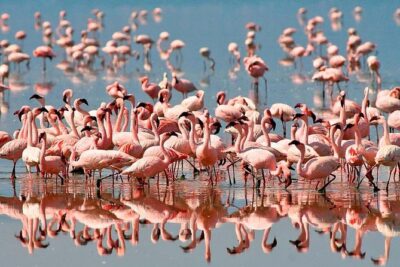
6 days 5 nights safari Ngorongoro, Serengeti and Tarangire National Parks
Read our review →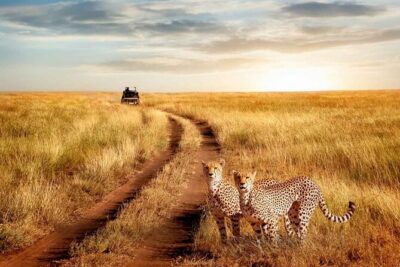
3 Days Safari to Serengeti National Park & Ngorongoro Crater in Tanzania
Read our review →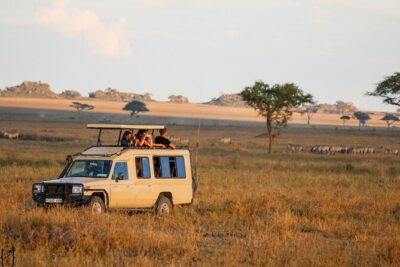
3 Days Safari Ngorongoro Crater and Serengeti National Park
Read our review →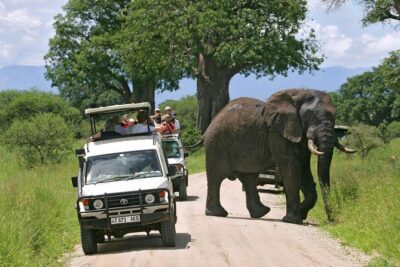
Tarangire National Park: Guided Day Tour from Arusha
Read our review →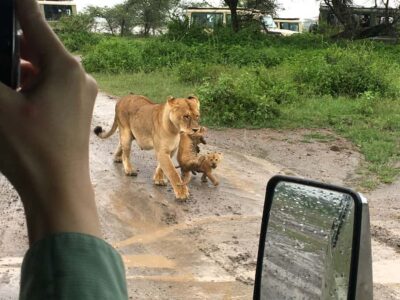
Arusha: Tarangire National Park Full-Day Wildlife Safari
Read our review →