REVIEW · TANZANIA
3 Days Safari to Serengeti National Park & Ngorongoro Crater in Tanzania
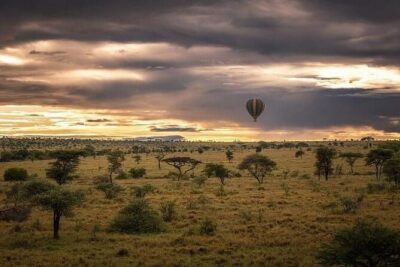
The savanna has a way of changing your clock. This three-day safari links Serengeti National Park with Ngorongoro Crater, giving you a fast but memorable taste of Tanzania’s best-known wildlife country. I like the private, custom-built 4×4, which should give your group better viewing space, and I like the mix of game drives, camping, and human-evolution sites.
The biggest caution is time. Three days is enough for a strong introduction, but long drives from Arusha mean you will spend plenty of hours on the road. The itinerary also uses early starts and simple camping, so this suits you best if you value wildlife and price over polished lodge comfort.
What makes this safari worth considering
- The trip combines two famous wildlife areas: Serengeti offers wide-ranging game viewing, while Ngorongoro gives you a compact crater setting with a strong chance of seeing several major species.
- A private 4×4 keeps the group small: The vehicle is private and custom built, with a maximum of seven people listed for the activity.
- The safari includes camping equipment and meals: Tents, sleeping mats, camping furniture, breakfast, lunch, and dinner are part of the package.
- Olduvai Gorge adds a human story: A museum along the route explains important archaeological work connected with human evolution.
- Ngorongoro includes more than animals: Soda waters, fresh springs, flamingos, and a picnic stop at Ngoitoktok Spring add variety to the crater drive.
- The strongest praise centers on the staff: Guides such as Albert, Bryson, Jordan, Joel, Ismael, and Frankie are repeatedly praised for safe driving, animal knowledge, and finding good viewing spots.
Two parks, one short route
At $1,200 per person, this is not a budget day trip. It is a compact safari package with park fees, a private 4×4, fuel, an English-speaking guide, camping gear, and several meals included. That changes the value calculation. You are paying for access to two major protected areas, transport between them, guiding, and the practical work of setting up a safari rather than simply paying for a vehicle ride.
I see the price as reasonable for someone who wants a private arrangement and does not want to organize permits, transport, food, and camping separately. It may feel expensive if you are comparing it with a basic group safari or a single-park excursion. The maximum group size of seven is useful here. You are not promised a completely private vehicle for only your party unless that is confirmed at booking, but the activity is described as using a private custom-built vehicle.
The route also includes two UNESCO-associated destinations and a rare combination of wildlife and archaeology. You are not just moving from one animal sighting to another. The trip gives you the open plains of Serengeti, the enclosed bowl of Ngorongoro, and a stop connected with some of the earliest evidence of human history.
More National Park Safaris in Arusha
- 7 Days Tanganyika Wilderness Safari
★ 5.0 · 159 reviews - 3 Day Serengeti National Park & Ngorongoro Crater Camping Safari
★ 5.0 · 142 reviews - Arusha National Park Private Safari
★ 5.0 · 59 reviews
Day one: the long road into Serengeti
Your first morning begins early. Breakfast is planned for around 6:00 a.m., followed by hotel pickup in Arusha at about 7:00 a.m. From there, you drive toward Serengeti National Park with a picnic lunch.
The distance matters. Serengeti covers about 14,763 square kilometers, or roughly 5,700 square miles. Reaching its game-viewing areas from Arusha takes much of the day, and the first day is listed at about nine hours. Think of this as a travel-and-safari day, not nine straight hours of animal watching.
That long approach is part of the experience. As you get closer, the scale of the park begins to make sense. The name is linked with the idea of land running forever, and that feeling is central to the visit. There are no compact zoo-like enclosures here. Animals share open country, and sightings depend on timing, patience, and your guide’s judgment.
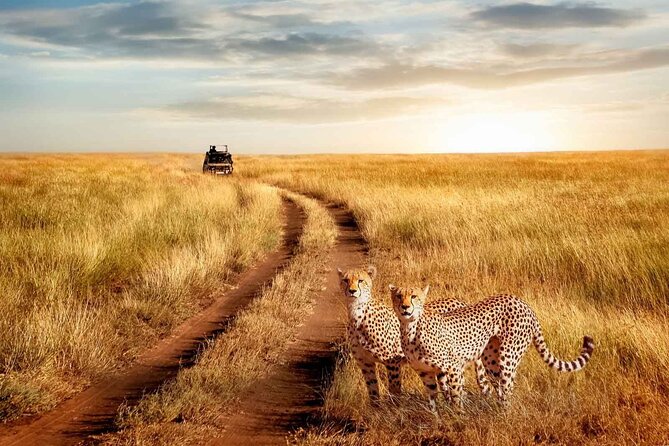
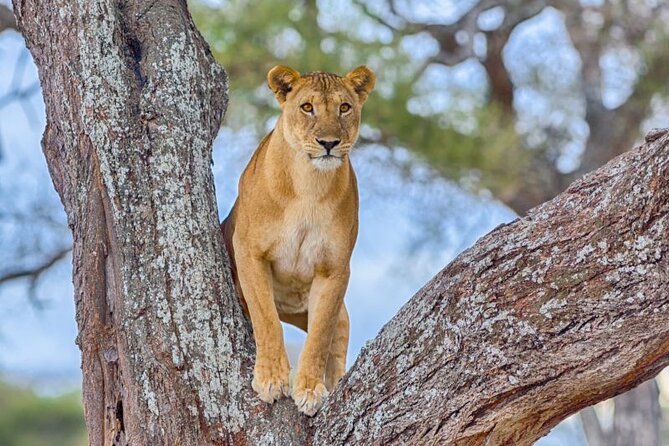
Serengeti is known for lions, but the species list is much longer. You might see leopard, elephant, cheetah, buffalo, zebra, wildebeest, eland, wild dog, gazelle, and crocodile. No safari can promise a particular animal, yet the range of species gives this first day real potential even if one famous sighting does not appear.
The picnic lunch is practical rather than luxurious. It lets you keep moving instead of returning to a lodge or town. Pack patience for the drive, and bring something warm for the early morning. The schedule begins before the day has properly warmed up.
Day two: early game viewing and Olduvai Gorge
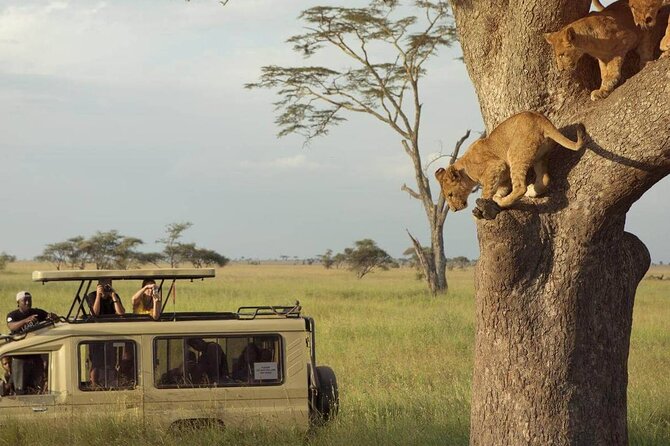
Day two begins around 6:00 a.m. with an early morning game drive. The schedule then places breakfast back at camp, with another game-viewing period around 9:00 a.m. The exact rhythm may depend on park conditions and the guide, but the point is clear: early hours are reserved for wildlife before the heat of the day builds.
This is one of the better parts of the plan. You may see wildebeest and zebra near lions, leopards, or cheetahs. That does not mean a hunt is guaranteed, but the relationship between grazing animals and predators is what makes the Serengeti feel alive. Several people on past trips described seeing hunting action, including a cheetah chase, as the moment they remembered most.
The guide matters greatly here. Names associated with especially strong trips include Frankie, Albert, Ismael, Bryson, Joel, and Jordan. The useful qualities praised in these guides are clear explanations, safe driving, patience around animals, and a good sense of where to stop. A guide who explains behavior turns a distant animal into a meaningful sighting. A guide who drives carefully also makes a major difference after long hours on rough park roads.
After breakfast and more viewing, you check out and continue with lunch and game viewing along the route. This is also the day connected with Olduvai Gorge. Louis and Mary Leakey carried out important excavation work in the area, and the small museum explains archaeological discoveries tied to human evolution.
Olduvai gives the safari a welcome change of pace. You are still in northern Tanzania, but your attention shifts from present-day wildlife to the long story of human origins. The museum is not described as a large institution, so keep your expectations modest. Its value lies in the setting and the subject, especially if you enjoy connecting the places you visit with a wider story.
By the end of the day, the route continues toward the Ngorongoro Crater rim. The day is listed at about eight hours, which again means you should expect a full day of driving, viewing, and stops. Camping after such a day can feel basic, but the included equipment removes some of the planning burden.
Day three: the crater floor and soda lake
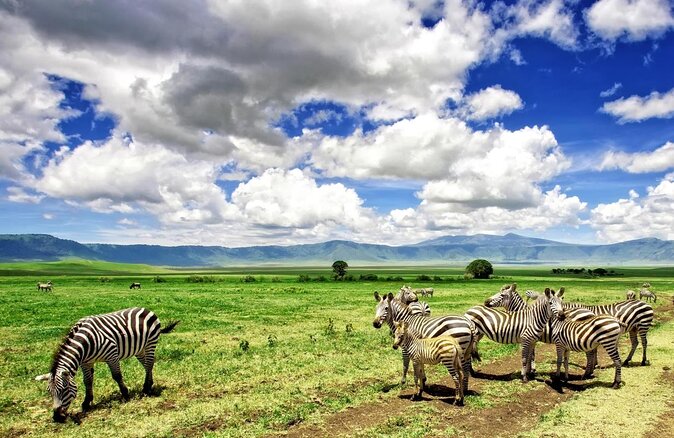
On the final morning, breakfast comes early, followed by a drive at about 7:00 a.m. into Ngorongoro Crater. The descent takes you from the rim to a broad volcanic bowl measuring about 19.2 kilometers across and 610 meters deep, with a floor area of roughly 304 square kilometers.
The crater’s shape changes the feel of game viewing. Instead of searching across an enormous park, you are looking across a contained natural basin where grasslands, woodland, water, and steep walls sit close together. That does not guarantee easy sightings, but it can make the day feel more concentrated.
Ngorongoro is associated with the Big Five: rhino, lion, leopard, buffalo, and elephant. A few past trips reported seeing all five, including up to four rhinos. Treat that as encouraging rather than promised. Black rhinoceros are rare, and animal sightings always depend on chance, season, and the decisions of your guide.
The crater also offers birdlife and water features. Flamingos gather around the soda lake, while geese, storks, and vultures add movement above and around the water. The fresh springs are another highlight, and lunch is planned at the Ngoitoktok Spring picnic site.
That lunch stop gives you a break from the vehicle and a chance to take in the crater setting. Follow your guide’s instructions closely around wildlife and food. The crater may look calm, but you are still in a wild place, not a public picnic park.
The final day is listed at about six hours. The activity then ends back at the meeting point in Arusha, though the provided schedule does not give a precise return time. If you have a flight or another fixed booking afterward, confirm the expected arrival time before paying.
More National Park Safaris in Tanzania
- 6 days 5 nights safari Ngorongoro, Serengeti and Tarangire National Parks
★ 5.0 · 39 reviews - 3 Days Safari Ngorongoro Crater and Serengeti National Park
★ 5.0 · 21 reviews - Arusha: Tarangire National Park Full-Day Wildlife Safari
★ 4.8 · 6 reviews - Arusha: Arusha National Park Day Trip w/ Game Drives & Lunch
★ 5.0 · 4 reviews
What camping and meals are really like
Camping equipment is included: tents, sleeping mats, camping furniture, and the basic setup needed for the overnight portions of the trip. Breakfast, two lunches, and two dinners are also listed. The package is designed to keep you in the safari rhythm rather than sending you back to town each night.
Food received some of the warmest praise. Chefs named John and Mtumishi were singled out for generous, tasty meals, and several trips described the food as better than expected. That is important on an active safari. A reliable dinner and breakfast can matter just as much as another hour of game viewing.
Still, camping is not lodge accommodation. The information does not promise private bathrooms, electricity, Wi-Fi, or hotel-style service, so you should not assume those comforts. Bring personal items you need for simple nights outdoors, and remember that laundry, communication, and other personal costs are not included.
The safari is also a good fit for families. Parents described children being thrilled by lions, zebras, elephants, and other animals, with the guide answering questions along the way. Young children may find the early mornings and long drives tiring, so think about your family’s tolerance for both before booking.
The guide and vehicle make the difference
The custom-built 4×4 is one of the tour’s strongest practical features. A safari vehicle designed for viewing gives you a better chance to look out from different sides and follow animals without the cramped feel of an ordinary car. The package includes fuel and a driver-guide, so you are not left arranging transport between parks.
The maximum of seven people keeps the group from becoming unwieldy. It also matters for photography. A crowded vehicle can make it hard to point a camera, hear explanations, or get a clear view. A smaller group gives you more room, though you should confirm exactly how many people will share your vehicle.
The guide is your key to the park. Past guides have been praised for more than spotting animals. They explained animal behavior, plants, and local conditions, helped families follow the action, and drove safely over difficult roads. That combination is more valuable than a guide who simply announces names.
The company connected with this safari is Kipok Africa Adventures. The overall rating supplied for the experience is 4.9 from 34 reviews, with 97 percent recommending it. Those numbers point to a strong record, but they do not remove the need to confirm the practical details, especially camping standards, group makeup, and the exact return plan.
Who should book this three-day safari?
I would choose this trip if you want Serengeti and Ngorongoro in one short package, especially if you are staying in Arusha and want pickup included. It also suits you if you prefer a private 4×4, enjoy learning from a guide, and are happy to trade lodge comfort for a closer-to-the-ground camping experience.
Families can do well here, particularly if children are excited by animals. The repeated praise for guides explaining wildlife is a real advantage for a first safari. Couples and friends who care about value may also like the combination of included park fees, equipment, meals, and transport.
I would hesitate if you have only three calendar days including flights, if you dislike early starts, or if you expect luxury accommodation. The route covers large distances, and the safari is physically simple rather than polished. You may prefer a longer itinerary if you want more relaxed game drives and less time on the road.
Cancellation is free up to 24 hours before the start time for a full refund. Changes or cancellations inside that window are not accepted, and international flights, Tanzanian visas, insurance, tips, laundry, and communication costs are extra.
Should you book it?
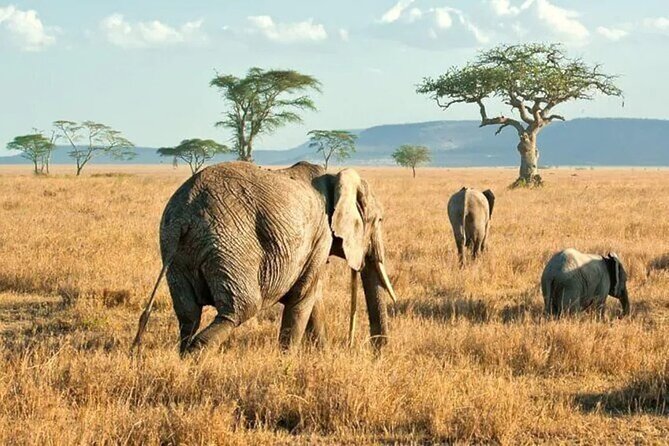
Book it if you want a compact, wildlife-heavy introduction to northern Tanzania and you are comfortable camping. The strongest reasons are the private 4×4, the small maximum group size, the excellent guide reports, and the chance to see both Serengeti and Ngorongoro without arranging each piece yourself.
Think twice if your priority is a luxury lodge, a slow pace, or a guaranteed animal checklist. For the right person, $1,200 buys a well-supported three-day safari with serious wildlife potential, good meals, and two of Africa’s most memorable settings.
FAQ
Where does the safari start?
The safari starts in Arusha, Tanzania, with pickup offered from your hotel.
Where does the activity end?
The activity ends back at the meeting point in Arusha.
How long is the safari?
The safari lasts approximately three days.
How many people can join the activity?
The activity has a maximum of seven travelers.
Is the safari vehicle private?
The experience includes a private, custom-built 4×4 safari vehicle with a driver-guide and fuel.
What meals are included?
Breakfast, two lunches, and two dinners are included.
Is camping equipment provided?
Yes. The package includes tents, sleeping mats, camping furniture, and other listed camping equipment.
Are national park fees included?
Yes. National park fees are included in the package.
Is Ngorongoro Crater included?
Yes. The third day includes a game drive into Ngorongoro Crater, with lunch at the Ngoitoktok Spring picnic site.
Is Olduvai Gorge included?
The second-day route can pass by Olduvai Gorge, where a small museum explains archaeological discoveries connected with human evolution.
Is the tour suitable for most people?
The provided information says most people can participate and that the activity is near public transportation.
What is not included in the price?
International flights, a Tanzanian visa, tips, personal expenses such as laundry and communication, and travel insurance are not included.
More Tarangire and Serengeti Safaris in Arusha
- Tarangire National Park: Guided Day Tour from Arusha
★ 5.0 · 11 reviews - Arusha: Tarangire National Park One-Day Trip
★ 3.9 · 8 reviews - Day trip to tarangire national park
★ 4.7 · 6 reviews - Private Guided Day Trip in Tarangire National Park
★ 5.0 · 5 reviews
More Volcano National Park Tours in Arusha
- 4 Day Ngorongoro Crater Tarangire and Serengeti National Park
★ 5.0 · 44 reviews
Just added around Arusha
- Day trip to tarangire national park★ 4.7 · 6 reviews
- Arusha: Tarangire National Park Full-Day Wildlife Safari★ 4.8 · 6 reviews
- Arusha: Arusha National Park Day Trip w/ Game Drives & Lunch★ 5.0 · 4 reviews
- 3 Days Safari Ngorongoro Crater and Serengeti National Park★ 5.0 · 21 reviews
- Private Guided Day Trip in Tarangire National Park★ 5.0 · 5 reviews
- The Amaizing Private Day Trip to the lovely Arusha National Park★ 5.0 · 5 reviews
- Arusha National Park: Private Jeep Tour★ 4.8 · 9 reviews
- 6 days 5 nights safari Ngorongoro, Serengeti and Tarangire National Parks★ 5.0 · 39 reviews
Tarangire and Serengeti Safaris, compared.
3 Day Serengeti National Park & Ngorongoro Crater Camping Safari
Read our review →
4 Day Ngorongoro Crater Tarangire and Serengeti National Park
Read our review →
6 days 5 nights safari Ngorongoro, Serengeti and Tarangire National Parks
Read our review →
3 Days Safari Ngorongoro Crater and Serengeti National Park
Read our review →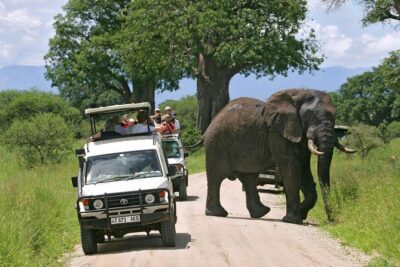
Tarangire National Park: Guided Day Tour from Arusha
Read our review →
Arusha: Tarangire National Park Full-Day Wildlife Safari
Read our review →