REVIEW · TANZANIA
3 Days Safari Ngorongoro Crater and Serengeti National Park
Wild Africa, packed into three days. This small-group safari from Arusha combines the wide plains of Serengeti National Park with the wildlife-filled Ngorongoro Crater, then returns you to Arusha by road. I like the route because it gives you two very different settings in a short time: open grassland in Serengeti and a compact wildlife bowl in Ngorongoro.
I also like the practical setup. The price includes two breakfasts, three lunches, and two dinners, while the group is limited to six people. The main caution is the amount of driving: the first day includes about six hours on the road before the game drive, and the published meeting information lists a 3 p.m. start while the itinerary says pickup at 8 a.m. Confirm the exact schedule before paying.
Key Points To Know Before Booking
- Two major parks in three days: You visit Serengeti National Park and Ngorongoro Conservation Area on one compact northern Tanzania route.
- Long first day: The drive from Arusha to southern Serengeti is listed at about 335 kilometers and six hours, followed by a game drive.
- Camping keeps the price down: This is a basic camping safari, with meals included but tips and visas extra.
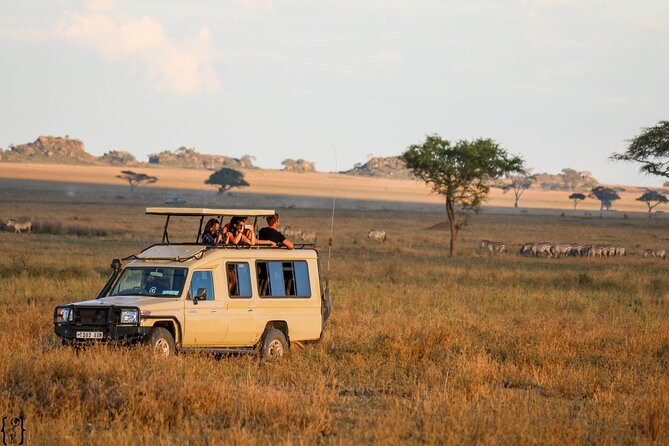
- Small group size: The maximum is six people, useful for sharing costs without joining a large vehicle convoy.
- Strong guide feedback: Guides including Felix, Simon, Christian, and Bulldozer received praise for wildlife knowledge, friendliness, and care.
- Ngorongoro may be the highlight: Several trip accounts found the crater especially rewarding, while October conditions in Serengeti could be dry.
What You Get for $810
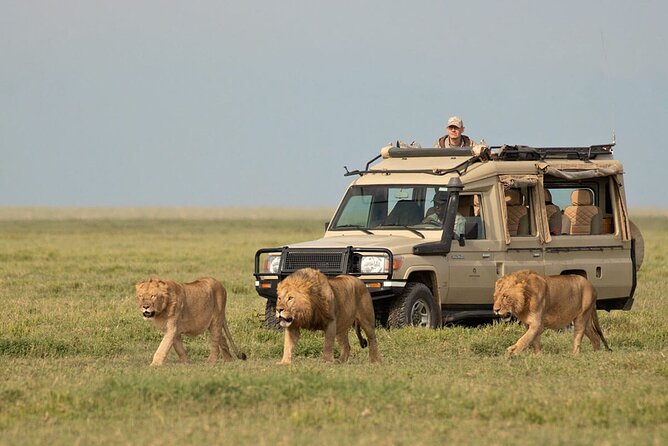
At $810 per person, this safari sits in the value-minded part of the northern Tanzania market, especially if you want Serengeti and Ngorongoro in one short trip. Your price includes meals during the safari, camping arrangements, park visits, transport, and guiding according to the supplied details. It also includes pickup, although you should confirm the exact pickup point and time because the schedule information is not fully consistent.
The value comes from the route. Serengeti National Park alone can take several days, and Ngorongoro deserves at least one proper crater visit. Combining both means you spend a fair amount of time in the vehicle, but you gain access to two of Tanzania’s most famous wildlife areas without arranging separate transport.
The basic camping format is important. This is not a luxury lodge safari with private rooms and long evenings beside a swimming pool. You should expect a simpler setup designed to put your money toward parks, transport, food, and guiding. One trip account described the tents as suitable for a short stay, while another praised the food, including picnic lunches.
Tips for the driver-guide and safari cook are not included. Visas are also extra. Keep these costs in your budget rather than treating the advertised rate as the final amount.
More National Park Safaris in Arusha
- 7 Days Tanganyika Wilderness Safari
★ 5.0 · 159 reviews - 3 Day Serengeti National Park & Ngorongoro Crater Camping Safari
★ 5.0 · 142 reviews - Arusha National Park Private Safari
★ 5.0 · 59 reviews
The First Morning: Leaving Arusha for Serengeti
The supplied schedule says breakfast at 7 a.m., pickup at 8 a.m., and a roughly six-hour drive to southern Serengeti. Another section lists a 3 p.m. start time, so ask Kilipath African Safaris to confirm the exact departure details in writing. That small check matters because the first day has a long road section and a planned game drive after arrival.
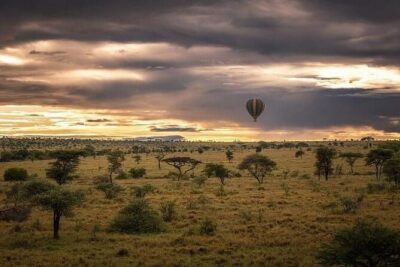
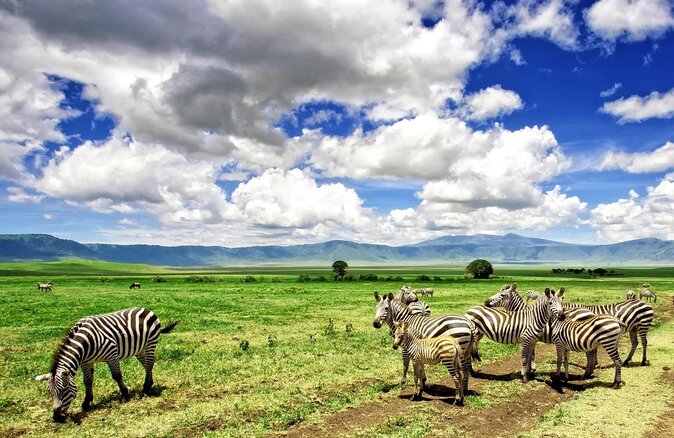
The route enters the Serengeti area through the Ngorongoro gate. The southern portion of Serengeti is known for broad grasslands and grazing animals, including wildebeest, zebra, Coke’s hartebeest, waterbuck, Grant’s gazelle, Thomson’s gazelle, and impala. You are not simply crossing empty country. The open ground supports large herds, and the lack of dense vegetation can make animals easier to spot.
The first day includes time in the southern, central, and Seronera Valley regions. That is an ambitious plan after a long drive, so you should think of this as an active safari rather than a relaxed lodge holiday. The reward is more time in the park during a short visit.
The name Serengeti comes from the Maasai word Serengit, meaning the land of endless plains. You feel the logic of that name once the road opens onto the grasslands. The scenery is spacious and spare, with wildlife spread across a huge horizon rather than gathered in one small viewing area.
A hippo habitat is also included in the experience. Hippos spend much of the day in water, so this stop adds a different kind of wildlife viewing to the grassland search. Keep your camera ready, but expect the animals to be partly submerged.
Southern Serengeti and the Search for Grazers
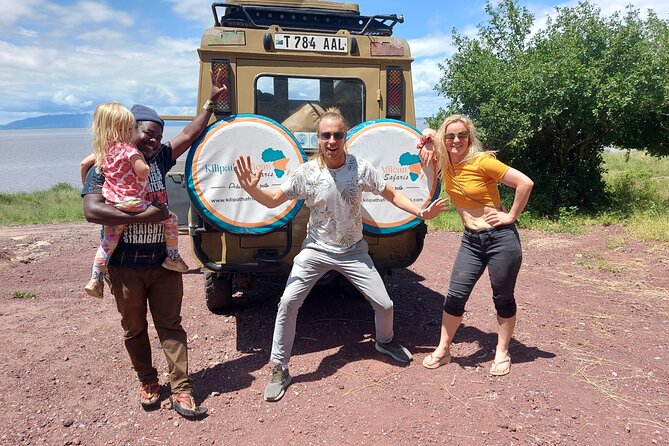
The southern zone is particularly suited to anyone who enjoys watching herd animals rather than chasing only famous predators. Wildebeest and zebra may move in large groups, while gazelles and impala often add smaller, quicker movement across the grass.
The guide makes a major difference here. A good driver-guide does more than point toward an animal. He helps you understand why a herd is in one place, how predators use the kopjes, and how changing weather affects visibility and animal movement.
The strongest praise for this operation focuses on the guiding and communication. Felix was repeatedly described as responsive before departure, while Simon was praised for his friendly manner and understanding of the parks. Christian received similar praise for his patience and wildlife explanations. Another guide, Bulldozer, was singled out for knowing what he was doing and handling the safari with confidence.
Those names do not mean you can automatically request a particular guide, but they give you useful questions to ask. If a specific guide matters to you, request that person before the trip and wait for confirmation.
Day Two: Kopjes, Elephants, and Seronera
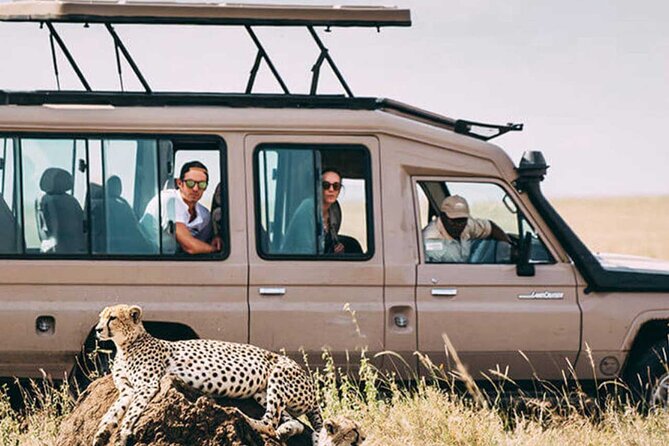
The second day remains in Serengeti National Park for about six hours of exploration. The focus shifts toward elephants, rocky Moru Kopjes, unusual plants, and predator viewing points.
Moru Kopjes rise above the grasslands like rocky islands. They break up the open plains and provide shelter, shade, and raised ground. They are also useful places for predators to watch passing prey. You might find lions or other hunters using these rocks as lookout points, but wildlife is never guaranteed.
The area includes candelabra trees and short-lived flowers that appear after rain. That detail matters because Serengeti changes with the season. In a dry month, you may see pale grass and wide, clear views. After rain, the same area can look greener and more active.
Elephant herds are another feature of this section. The supplied information describes matriarchal herds in certain parts of the plains. Watch how the group moves rather than focusing only on a single animal. The oldest female often sets the pace and direction, and younger elephants stay close.
The central Serengeti also includes rock formations, a site known for Maasai cave paintings, and viewpoints where predators can scan the plains. The cave art adds a human dimension to a day otherwise centered on animals. Ask your guide what access is available during your visit, since the schedule does not specify how much time is set aside for the paintings.
A six-hour game drive gives you room to stop, watch, and photograph. Still, this is not a full second day from dawn to dusk. The itinerary is compact, so exact timing may depend on road conditions, animal sightings, and the group’s preferences.
More National Park Safaris in Tanzania
- 6 days 5 nights safari Ngorongoro, Serengeti and Tarangire National Parks
★ 5.0 · 39 reviews - 3 Days Safari to Serengeti National Park & Ngorongoro Crater in Tanzania
★ 5.0 · 34 reviews - Arusha: Tarangire National Park Full-Day Wildlife Safari
★ 4.8 · 6 reviews - Arusha: Arusha National Park Day Trip w/ Game Drives & Lunch
★ 5.0 · 4 reviews
Camping Between the Parks
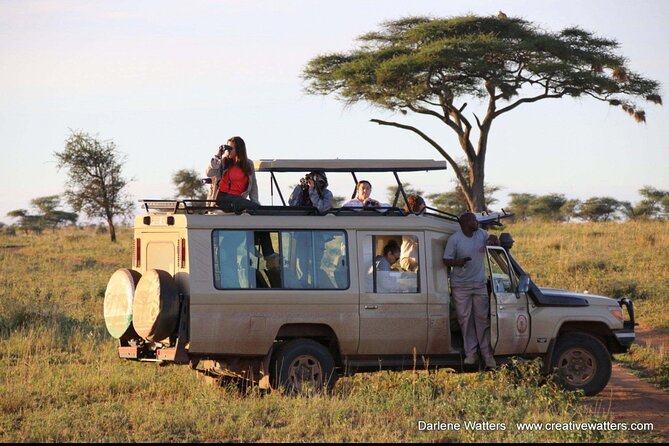
Camping is the budget-conscious heart of this trip. It lets you spend the night close to the protected areas without paying lodge prices, and it keeps the safari focused on the parks rather than indoor comforts.
The supplied details describe this as a basic camping option with two nights in tents. One account found the tents adequate for a short safari, while another praised the food and the care taken by the cook. You receive two breakfasts, three lunches, and two dinners, so meals are a meaningful part of the package.
The safari cook earned strong praise for preparing food that people considered among the best they had during their time in Tanzania. That is useful information for anyone worried that camping means dull meals. At the same time, food preferences and dietary needs are not explained in the supplied details, so tell the operator about any requirements before departure.
A camping safari also asks more of you. Pack light, bring practical clothing, and expect a simpler night than you would have in a lodge. The reward is the sense that the park, rather than the accommodation, is the main event.
Day Three: The Ngorongoro Crater
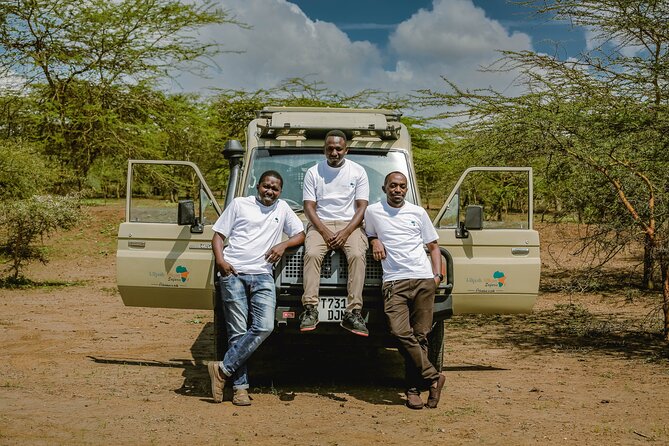
The final major stop is the Ngorongoro Conservation Area, with about six hours scheduled for the visit and return journey toward Arusha. The crater is the compact counterpoint to Serengeti’s enormous plains. Instead of searching across a vast area, you look down into a broad natural bowl where many animals live within a more contained setting.
Ngorongoro is known for the possibility of seeing the Big Five in one day: lion, leopard, elephant, buffalo, and rhinoceros. There is no guarantee, but the crater gives you a strong chance to see a wide mix of animals during a single visit.
Possible sightings listed for the area include wildebeest, gazelles, golden jackals, bat-eared foxes, hippos, African wild dogs, leopards, buffalo, waterbuck, and eland. Some animals are rarely seen there, including giraffes, oribi, topi, spotted hyenas, cheetahs, and impalas. That distinction is helpful. It keeps expectations realistic and reminds you that no park delivers every species equally well.
The crater is also connected to Maasai communities, whose circular homesteads are called bomas. The area has major importance in the study of early human evolution, with work associated with Mary and Louis Leakey. You may not have time for a full cultural or archaeological visit on this short route, but the setting gives the wildlife experience added depth.
Many people find Ngorongoro especially rewarding because the animal viewing feels concentrated. The tradeoff is that the crater can feel busier than the wider Serengeti, particularly at popular viewing points. Your guide’s judgment matters here. A good driver balances famous sightings with patience and respect for park rules.
Season, Weather, and Wildlife Expectations
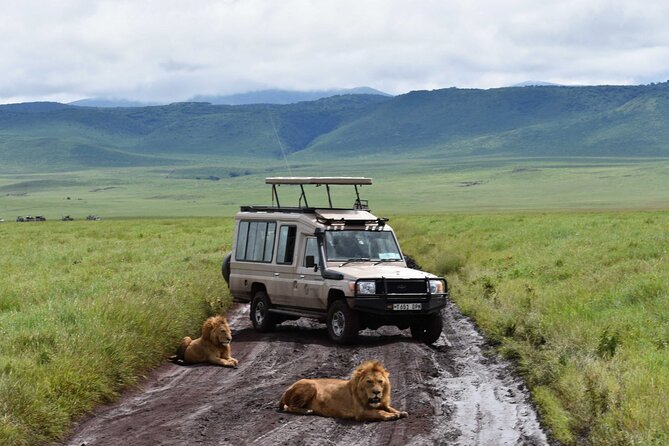
The safari operates across changing conditions, and the timing of your trip affects what you see. One trip account noted that October in Serengeti could be dry, with tall or dried grass making some animal sightings harder. The same account found Ngorongoro more satisfying at that time.
Do not treat this as a reason to avoid October. Dry conditions can also open up views and draw animals toward remaining water. It simply means you should not expect the same scene in every month.
The trip also has a chance of connecting with zebra and wildebeest movement. One account described seeing the migration, but migration sightings depend heavily on timing and location. You should view that as a fortunate possibility, not a promised feature of every departure.
Weather can change across the parks. One particularly positive account noted different weather in Serengeti, which is a reminder that this is a large region, not one uniform viewing area. Pack for sun, dust, cooler evenings, and changing conditions, but do not assume the operator supplies every personal item you need.
Guides, Communication, and Group Size
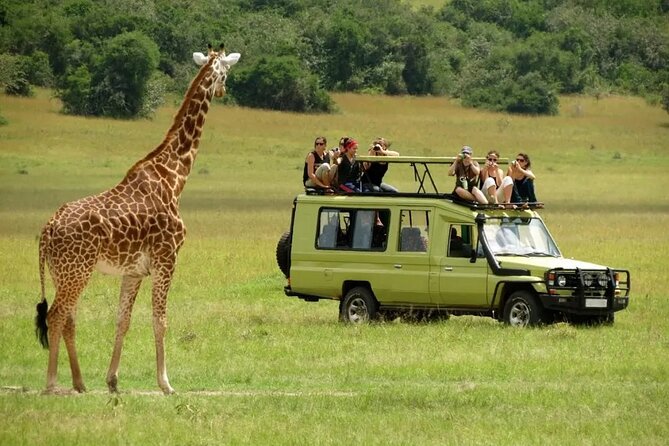
The group limit is six people, a useful middle ground. You share the cost of the vehicle and guide, yet you avoid the feel of a large coach tour. A smaller group also makes it easier to discuss how long to stay at a sighting, though the final schedule still depends on the guide and park conditions.
Communication before departure receives some of the clearest praise. Heaven Light was described as quick to answer questions and helpful throughout the booking process. Felix also received praise for fast replies by WhatsApp and phone. Use that strength to clarify the pickup time, sleeping arrangements, food needs, and expected route.
The guide is the person who shapes the safari day by day. Positive accounts describe guides as friendly, attentive, and helpful, not just focused on finding animals. That personal care matters when you are tired after long drives or need help with practical details.
The safari cook is also part of the experience. Good meals can change the mood of a basic camping trip, and the available feedback suggests food is one of this operator’s stronger points.
Who Should Book This Safari?
I would choose this trip if you have only three days and want the two most famous wildlife areas near Arusha. It suits you if you value wildlife access and guide service more than lodge comfort.
It is also a good fit for couples, friends, and solo visitors willing to share a vehicle. The six-person limit keeps the group manageable, while the camping format holds down the cost.
I would hesitate if you dislike long road journeys, basic camping, or a tightly packed schedule. The first day is especially demanding, and the itinerary leaves little spare time if delays occur. If you want slow mornings, high-end accommodation, or several days in one park, pay more for a longer safari.
The $810 price makes the trip appealing, but value depends on your priorities. You are paying for access to two major parks, meals, guiding, transport, and a small group. You are not paying for luxury or a leisurely pace.
Should You Book It?
Book this safari if you want a practical first taste of northern Tanzania and accept that the road is part of the adventure. Serengeti gives you huge open spaces and herd animals, while Ngorongoro offers concentrated wildlife viewing and a striking crater setting.
Before booking, confirm the 8 a.m. pickup against the listed 3 p.m. start time, ask what camping equipment is supplied, and request any preferred guide in advance. If you do that homework and pack for a basic, active trip, this three-day route offers a strong amount of wildlife for the price.
FAQ
How long is the safari?
The safari lasts approximately three days.
Where does the safari start?
The experience starts in Arusha, Tanzania, with pickup offered.
Which parks and protected areas are included?
The route includes Serengeti National Park and the Ngorongoro Conservation Area.
How many people can join the safari?
The maximum group size is six people.
Is camping included?
The experience is described as a camping expedition and a basic camping trip. Confirm the exact tent and camping arrangements with Kilipath African Safaris before departure.
How much driving is involved?
The first day includes a drive of about 335 kilometers, listed as approximately six hours, from Arusha toward southern Serengeti. The complete route also includes the return journey to Arusha.
Which meals are included?
The price includes two breakfasts, three lunches, and two dinners.
Are tips included?
No. Tips and gratitude for the driver-guide and safari cook are not included.
Are visas included?
No. Visa costs are not included.
What is the cancellation policy?
You can receive a full refund if you cancel at least 24 hours before the experience start time. Cancellations or changes made within 24 hours are not accepted for a refund.
More Tarangire and Serengeti Safaris in Arusha
- Tarangire National Park: Guided Day Tour from Arusha
★ 5.0 · 11 reviews - Arusha: Tarangire National Park One-Day Trip
★ 3.9 · 8 reviews - Day trip to tarangire national park
★ 4.7 · 6 reviews - Private Guided Day Trip in Tarangire National Park
★ 5.0 · 5 reviews
More Volcano National Park Tours in Arusha
- 4 Day Ngorongoro Crater Tarangire and Serengeti National Park
★ 5.0 · 44 reviews
Just added around Arusha
- Day trip to tarangire national park★ 4.7 · 6 reviews
- Arusha: Tarangire National Park Full-Day Wildlife Safari★ 4.8 · 6 reviews
- Arusha: Arusha National Park Day Trip w/ Game Drives & Lunch★ 5.0 · 4 reviews
- 3 Days Safari to Serengeti National Park & Ngorongoro Crater in Tanzania★ 5.0 · 34 reviews
- Private Guided Day Trip in Tarangire National Park★ 5.0 · 5 reviews
- 6 days 5 nights safari Ngorongoro, Serengeti and Tarangire National Parks★ 5.0 · 39 reviews
- The Amaizing Private Day Trip to the lovely Arusha National Park★ 5.0 · 5 reviews
- Arusha National Park: Private Jeep Tour★ 4.8 · 9 reviews
Tarangire and Serengeti Safaris, compared.
3 Day Serengeti National Park & Ngorongoro Crater Camping Safari
Read our review →
4 Day Ngorongoro Crater Tarangire and Serengeti National Park
Read our review →
6 days 5 nights safari Ngorongoro, Serengeti and Tarangire National Parks
Read our review →
3 Days Safari to Serengeti National Park & Ngorongoro Crater in Tanzania
Read our review →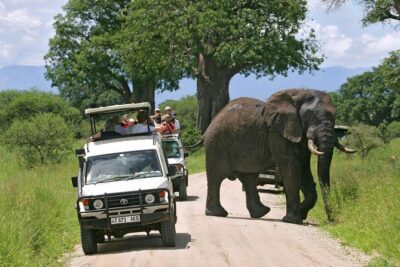
Tarangire National Park: Guided Day Tour from Arusha
Read our review →
Arusha: Tarangire National Park Full-Day Wildlife Safari
Read our review →