
REVIEW · USA
Kilauea: Volcanoes National Park Guided Hike
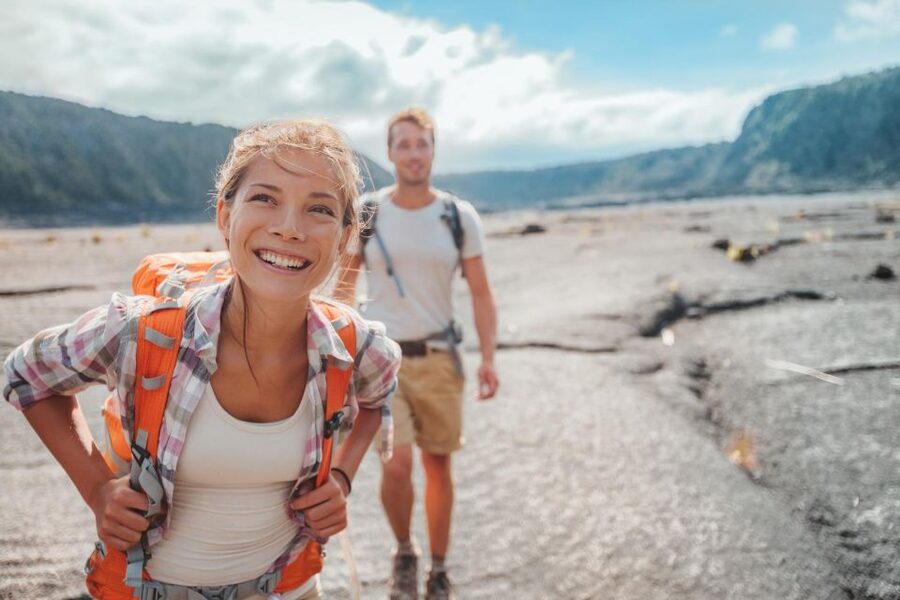
Kilauea rewards curious hikers. This three-hour, four-mile loop pairs native Hawaiian rainforest with a hardened lava lake, while guides such as Jennifer and Yvonne explain the volcano, plants, wildlife, legends, and eruption science. I especially like the small groups, limited to 10 people, and the useful real-time updates when Kilauea becomes active.
The hike finishes near Volcano House, where you can stop for food and a view. The main caution is simple: lava viewing is never guaranteed, and the tour runs rain or shine. At $120, the price makes the most sense if you want context, good route choices, and personal attention rather than a self-guided walk.
Key points to know before booking
- Four miles around volcanic ground: Expect a three-hour loop through native forest and around a hardened lava lake, with some hills.
- Guides who explain more than rocks: Jennifer and Yvonne have covered geology, eruptions, Hawaiian culture, plants, wildlife, and local legends.
- Small groups matter: A maximum of 10 people allows time for questions, photographs, and route adjustments.
- Lava information can change the day: Eruption activity and weather may affect what you see, and guides may send updates or adjust timing.
- A practical finish at Volcano House: The walk ends at the restaurant and bar, making lunch or a drink an easy next step.
- Bring rain protection: Comfortable hiking shoes, water, and rain gear are essential. Open-toed shoes and high heels are not allowed.
Why this Kilauea hike is more than a park walk
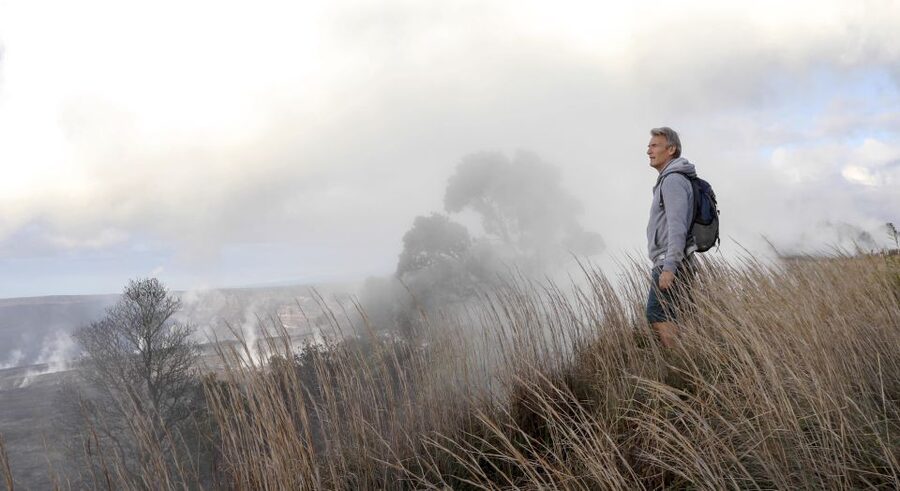
Volcanoes National Park can be hard to read on your own. A dark field of cooled lava may look stark, while a rainforest trail can seem like a completely different world. This hike connects those pieces.
You walk through a native Hawaiian forest, then encounter the remains of intense volcanic activity around a hardened lava lake. The change in scenery gives you a clearer sense of how Kilauea shapes the island. You are not simply looking at a crater and taking a photograph. You are learning how the ground, plants, animals, weather, and Hawaiian traditions fit together.
The guides also bring current information into the walk. One guide has shown tilt meter charts from a backpack to explain eruption trends. That is a useful touch because it turns an abstract warning or volcano report into something you can understand while standing in the park.
I like this approach. You get the pleasure of a hike, but you also leave with a better grasp of what you saw. If you walked the route alone, you could easily miss the meaning of steam vents, plant communities, old lava, or a changing volcanic pattern.
More Park Hiking and Trekking Tours in the USA
- San Francisco: Yosemite National Park & Giant Sequoias Hike
★ 4.5 · 1,777 reviews - Everglades National Park Biologist Led Adventure: Cruise, Hike + Airboat
★ 5.0 · 685 reviews - The Narrows: Zion National Park Private Guided Hike
★ 5.0 · 209 reviews
Meeting at Kilauea Visitor Center
The meeting point is the Kilauea Visitor Center. That keeps the start simple, but you need to arrange your own way there. Hotel pickup and drop-off are not included, and the national park entrance fee is separate.
That extra cost matters when you work out the final price. The $120 tour fee is not the complete cost of a park visit, but the guide service is designed for a small group rather than a large bus. There are no shared van rides with people you do not know, and the group limit is 10.
Plan to arrive ready for the weather. The tour takes place rain or shine, so a sunny forecast is not enough reason to leave rain gear behind. Volcano conditions can change quickly, and wet forest trails are part of the setting, not a reason for the activity to stop.
You should wear sturdy hiking shoes and bring water. Comfortable shoes may be listed as acceptable, but hiking shoes are the safer choice for a four-mile route with some uphill and downhill sections. Bring a rain jacket or other rain gear, and do not arrive in open-toed shoes or high heels.
Forest trails and the first lessons
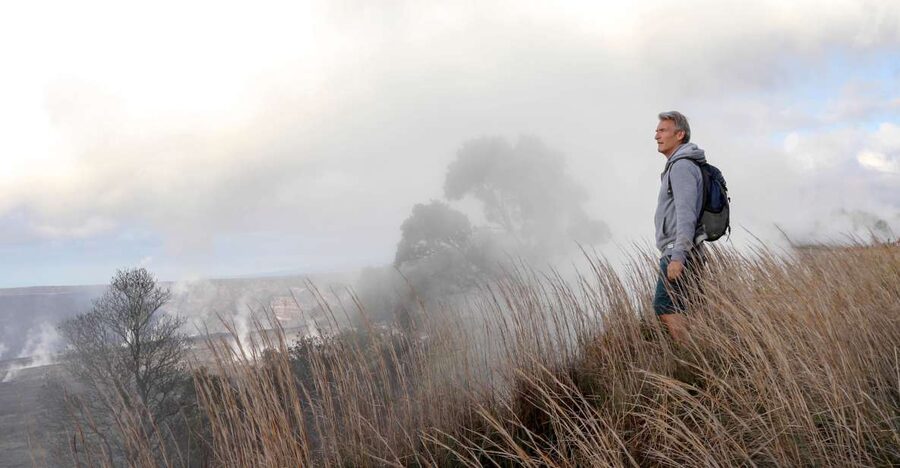
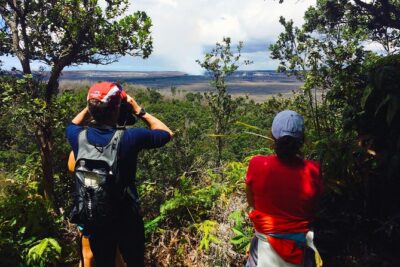
The opening section takes you through native Hawaiian rainforest. This is one of the most appealing parts of the walk because it gives you a break from the usual idea of a volcano as nothing but bare rock.
The forest offers a close look at the living side of the park. Guides point out native plants and discuss the animals that live in the area. Hawaiian chickens may also appear along the route. They are not a grand wildlife encounter, but spotting them adds a bit of local character to the walk.
The plant talk has a practical purpose. You learn to distinguish native species from invasive plants and trees, and you begin to see that conservation here involves more than protecting a scenic view. A guided walk helps you notice small details that are easy to pass without a second thought.
The route is described as moderate to easy, with a few hills. One section into the caldera has been described as slightly challenging but not overly strenuous. Still, you should be comfortable walking for several miles and handling uneven ground. The tour is not suitable for children under six or people with mobility impairments.
Your guide may also share Hawaiian legends connected with the area and explain how Hawaiians regard Pele and volcanic places. These stories add cultural meaning without replacing the geology. I appreciate that balance: the volcano is treated as a physical force and as part of a living cultural tradition.
The hardened lava lake and Kilauea’s crater
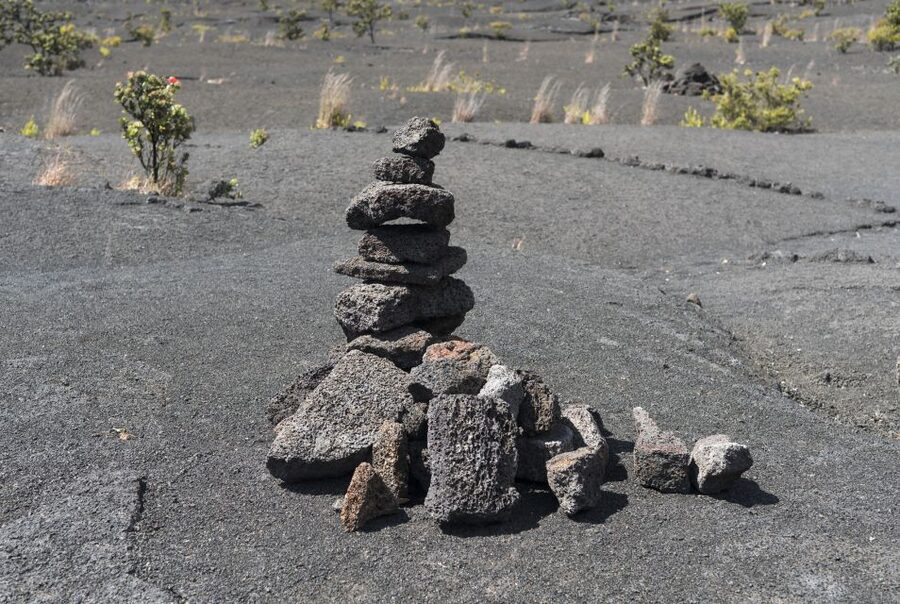
The route circles a hardened lava lake, one of the hike’s main visual rewards. A hardened lake can be less immediately dramatic than glowing lava, but it shows what remains after molten rock cools and the surface changes.
This is where a guide earns the fee. You can look at black volcanic rock and recognize that it is unusual, but you may not know what formed it, how an eruption changed the area, or what clues to watch for. Your guide can explain the geology in plain language and connect the surface under your boots to Kilauea’s past activity.
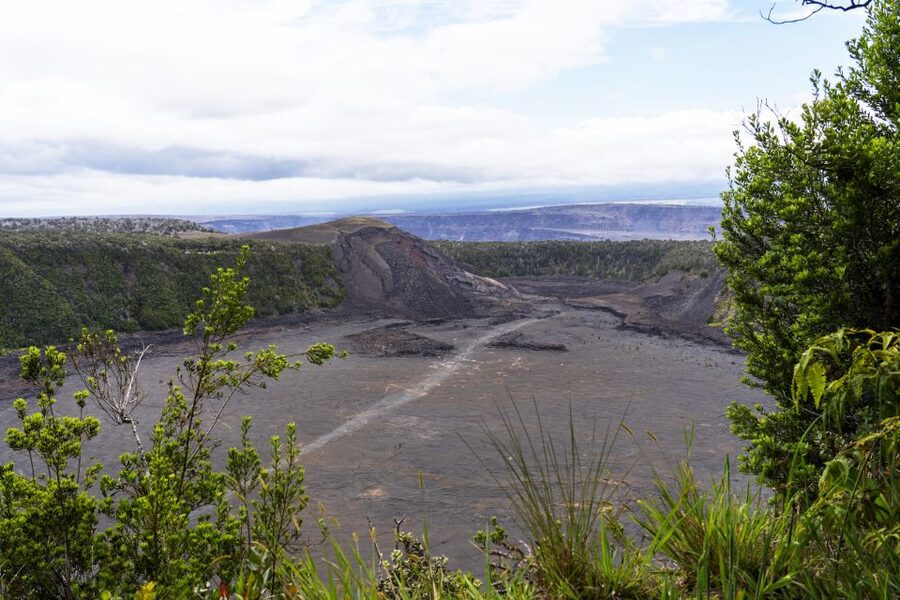
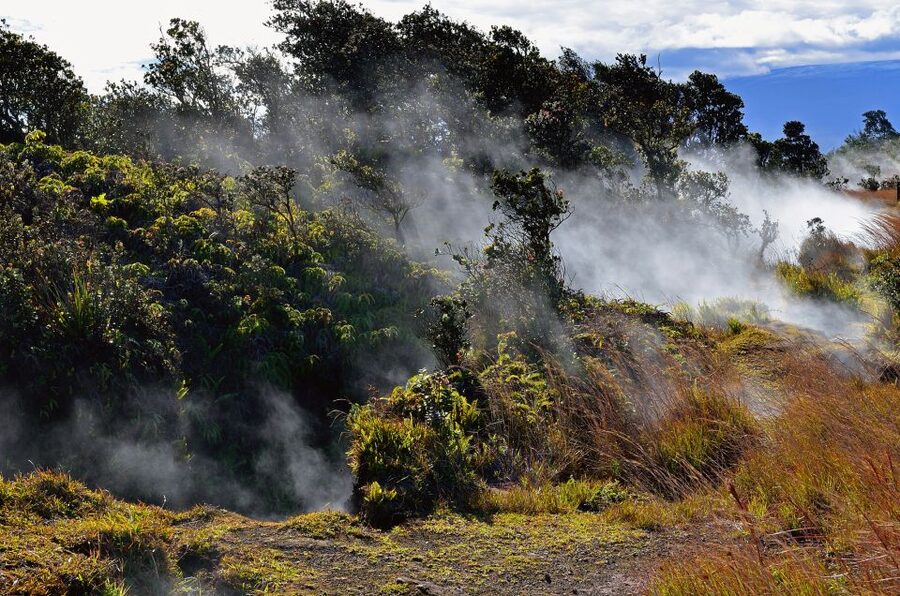
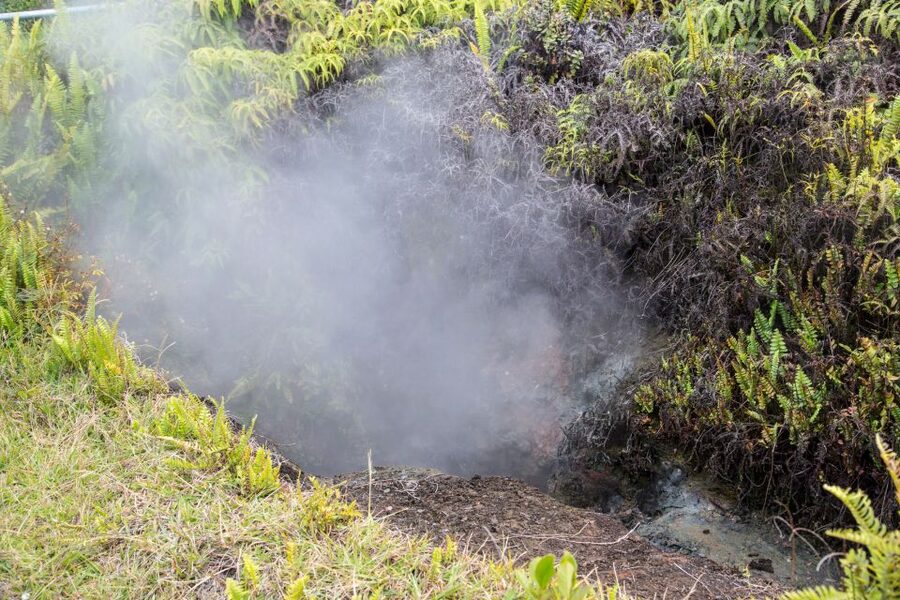
The walk also includes views of the volcano’s caldera and significant geological points. Depending on the route and current park conditions, you may encounter sulfur vents or other volcanic features. The guides have discussed earthquakes, steam vents, eruption cycles, and the wider volcanic setting during the hike.
Do not expect every stop to look spectacular in the same way. Volcano country has quiet stretches, rough ground, and broad views that may be partly hidden by clouds or rain. That is part of the value of a guided visit. The experience is not dependent on one perfect photograph.
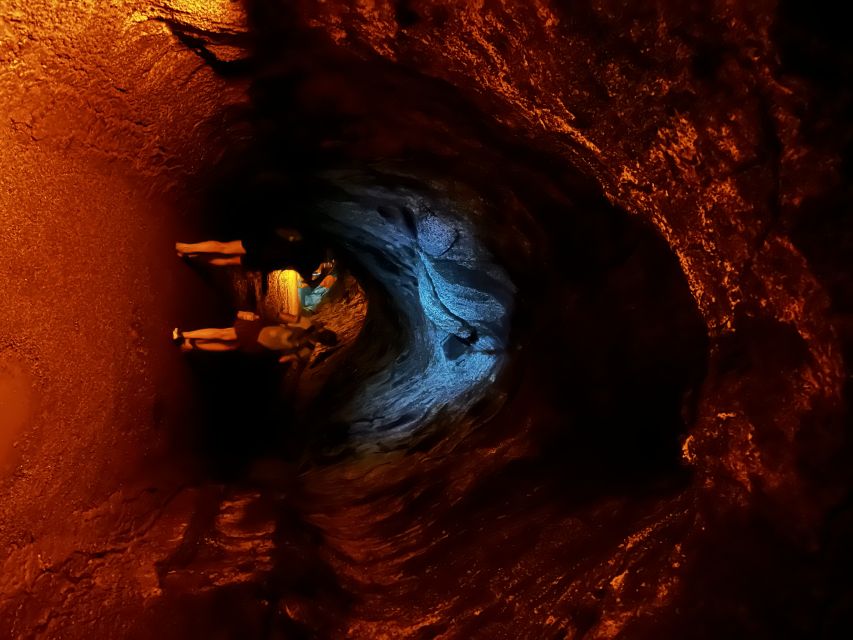
You may also visit a lava tube, as part of some route variations or an expanded outing. The exact path can be shaped around the group’s interests and current conditions. One particularly flexible outing became much longer than the usual route because the guide tailored it to the hikers. That suggests you should discuss your interests before setting out, but you should not assume every three-hour tour will become an eight-mile walk.
More Volcano National Park Tours in the USA
- Hilo Shore Excursion: Volcanoes National Park & Black Sand Beach
★ 4.5 · 2,338 reviews - Big Island: Fat Tire E-Bike Tour through Volcanoes National Park
★ 5.0 · 546 reviews - Big Island, Hawaii: Volcanoes National Park Safari
★ 4.5 · 545 reviews - Small-Group Big Island Tour: Hawaii Volcanoes National Park and Kona Coffee Farm
★ 5.0 · 343 reviews
Eruption updates and the chance of seeing lava
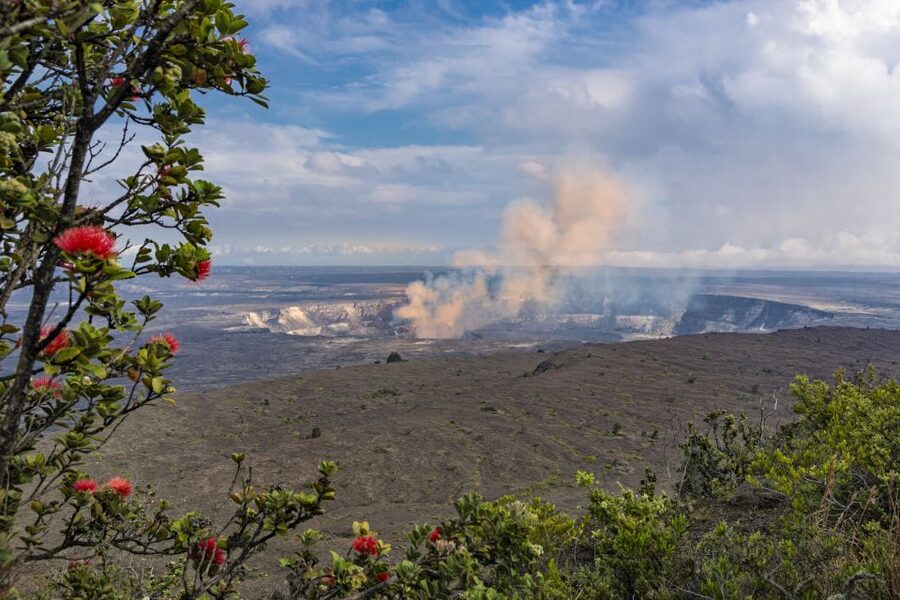
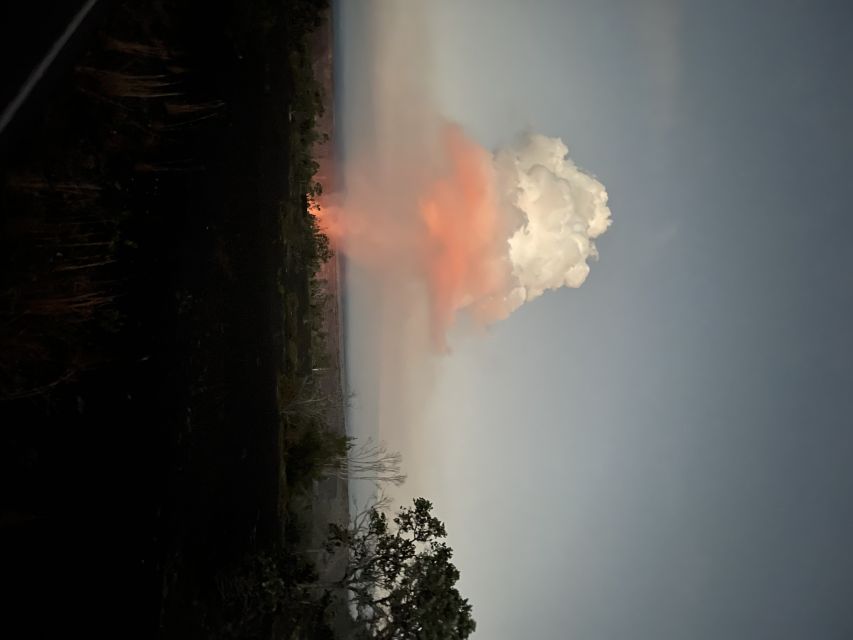
Lava is the exciting possibility, but it is not a promise. Viewing depends on Kilauea’s activity and the weather. The volcano can be erupting on one day and quiet on another, and clouds or visibility can affect what you see.
The guide service uses current information to shape the experience. Guests have received messages about increased activity after a hike, and in one case a guide contacted the group to move the meeting time earlier so they could see an eruption. That kind of flexibility is a real benefit when the volcano becomes active.
Some outings have included lava views through a telescope, with enough detail to see glowing magma. Night views from near Volcano House can also be striking when an eruption is taking place. But you should book this hike for the guided walk and understanding of the park, not as a guaranteed lava expedition.
That distinction protects your expectations. If lava appears, it can turn a very good hike into a rare memory. If it does not, you still have the forest, crater, volcanic geology, and cultural context.
Real-time information also makes the tour feel current. A guide who can explain tilt meter data or changing eruption patterns gives you more than a fixed script. Conditions remain the deciding factor, but you are better placed to understand what those conditions mean.
Guides Jennifer and Yvonne bring the park to life
The strongest part of this experience is the quality of the guiding. Jennifer has led many of the outings described here, and Yvonne has also received high praise for her explanations of volcanoes, flora, and fauna.
Their strengths are not limited to facts. They answer questions, stop at good photo points, help with pictures, and adjust the pace or route to suit the group when possible. Jennifer has supplied walking poles, extra ponchos, backpacks, snacks, photographs, and videos on some outings. Those details show careful preparation.
The subject matter is broad. You may discuss:
- Eruptions and earthquake activity
- Steam vents and sulfur
- Lava flows and volcanic ground
- Native and invasive plants
- Local animals
- Hawaiian legends and cultural views
- Current eruption reports
- Conservation and responsible use of the park
I also like the way the guides connect enthusiasm with instruction. A dry geology lecture would miss the point of a hike. The best moments appear to come when the guide’s own interest makes the group look more closely and ask better questions.
English is the tour language. A translation device helped one visitor with limited English enjoy the experience, but no formal multilingual service is listed. If you need detailed interpretation in another language, ask before booking.
A snack, trekking poles, and a low-fuss setup
The tour includes a healthy snack, backpacks, and trekking poles. These are modest inclusions, but they make the outing easier. A trekking pole can help on slopes or wet ground, and a backpack keeps water and rain gear off your hands.
The equipment does not remove the need for preparation. Bring your own water and proper shoes. The included snack is useful, but it should not be treated as a full meal.
The setup is also more personal than a large coach tour. There is no van ride with strangers, and the maximum group size is 10. You can ask questions without trying to catch a guide’s attention from the back of a crowd.
That personal format is particularly valuable in a national park. The best part of a forest walk may be a small plant, a subtle volcanic feature, or a question that occurs halfway along the trail. Small groups give those moments room.
Finishing at Volcano House
The route ends at the Volcano House restaurant and bar. This is a practical finish because you can sit down, eat, and continue looking out over the park after the walking is done.
Food is not included in the tour price, so plan to pay separately if you eat there. The setting makes it a natural place to continue the day, especially after an early start or a wet hike.
Several outings have paired the walk with lunch, dinner, or a stop at the bar. The timing can also work well for an afternoon hike followed by food. Just remember that the tour lasts about three hours, and the exact start time depends on availability.
If lava is active, the end of the day can offer a second chance to look toward the glow. Again, this depends entirely on volcanic activity, weather, and visibility. The restaurant is a comfortable finish, not a guarantee of an eruption view.
Is $120 a fair price?
At $120 per person, this is not the cheapest way to enter Volcanoes National Park. You still pay the park entrance fee, and you must get yourself to the Kilauea Visitor Center.
I think the price is fair for the right kind of visitor. You are paying for a certified guide, a small group, route planning, current volcanic information, equipment, a snack, and the chance to ask questions for three hours. The service is especially useful if you would otherwise walk around without knowing what you were seeing.
The value is weaker if you prefer complete independence, already understand volcanic geology, or only want a quick viewpoint. A self-guided visit may suit you better in that case.
The value rises when Kilauea is active and the guide can provide timely information or adjust the schedule. It also rises for first-time visitors who want Hawaiian ecology and culture included alongside the geology.
Who should book this hike?
I would recommend it to adults and older children who can manage a moderate four-mile walk and want more than a quick photo stop. It suits people who ask questions, enjoy natural history, and want a guide who can explain both current events and long-term volcanic change.
It is a good choice for couples, families with children over six, and small groups of friends. The limited group size gives you a better chance to shape the conversation around your interests.
It is less suitable if you have mobility limits, dislike wet weather, need guaranteed lava, or want a completely flat and effortless outing. The rain-or-shine policy is important. So is the fact that volcanic viewing is controlled by nature, not the guide.
Cancellation is flexible up to 24 hours before the start for a full refund, and you can reserve now and pay later. Those terms help if your Big Island plans are still moving around, but they do not change the weather or eruption conditions.
FAQ
How long is the Kilauea guided hike?
The activity lasts three hours and covers about four miles in a loop. The route includes native rainforest, volcanic ground, and a hardened lava lake.
Where does the tour meet?
You meet your guide at the Kilauea Visitor Center. Hotel pickup and drop-off are not included.
Is lava viewing guaranteed?
No. Lava viewing depends on Kilauea’s activity and the weather. The guide provides real-time updates when conditions change, but an eruption cannot be promised.
What should I bring?
Bring comfortable hiking shoes or hiking shoes, water, and rain gear. The tour runs rain or shine.
Who is not suited to this activity?
The hike is not suitable for children under six or people with mobility impairments. High heels, open-toed shoes, and intoxication are not allowed.
What is included in the $120 price?
The price includes a certified guide, a healthy snack, backpacks, and trekking poles. The park entrance fee and hotel transportation are separate.
Should you book it?
Book this hike if you want Kilauea explained, not merely photographed. The strongest reasons are the small group, the careful preparation, and guides such as Jennifer and Yvonne who connect eruptions with plants, wildlife, Hawaiian culture, and the ground beneath your feet.
Do not book it solely to see lava. Treat lava as a possible bonus, then pack for rain, wear proper shoes, and expect a thoughtful four-mile walk through one of Hawaii’s most unusual places. For a first visit to Volcanoes National Park, $120 is a sensible spend if personal guidance and real understanding matter to you.
Just added around the USA
- Yellowstone National Park – Lower Loop Adventure★ 5.0 · 6 reviews
- Yellowstone National Park – PRIVATE Full-Day Lower Loop Tour from Jackson Hole★ 5.0 · 35 reviews
- Yellowstone & Grand Teton National Parks – Ultimate Wildlife Safari★ 5.0 · 4 reviews
- Self-Guided Grand Teton National Park Driving Tour★ 3.0 · 5 reviews
- Private 4 hour Snowshoe in Grand Teton National Park★ 5.0 · 8 reviews
- Private Sundowner Dinner Experience in Grand Teton National Park★ 3.0 · 2 reviews
- Best of Yellowstone Private National Park Safari Tour★ 5.0 · 120 reviews
- Grand Teton National Park – PRIVATE Full-Day Tour from Jackson Hole★ 5.0 · 16 reviews
Volcano National Park Tours, compared.
Hilo Shore Excursion: Volcanoes National Park & Black Sand Beach
Read our review →
Lanzarote: Timanfaya National Park Volcanic Craters Tour
Read our review →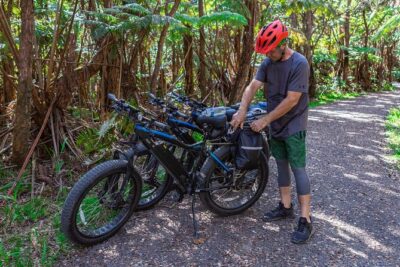
Big Island: Fat Tire E-Bike Tour through Volcanoes National Park
Read our review →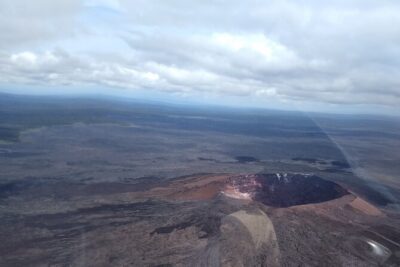
Big Island, Hawaii: Volcanoes National Park Safari
Read our review →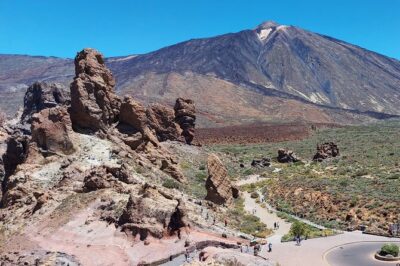
Small Group Teide National Park Volcanic and Forest Wonders
Read our review →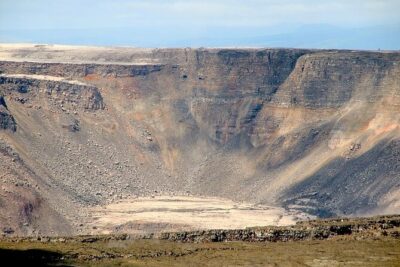
Small-Group Big Island Tour: Hawaii Volcanoes National Park and Kona Coffee Farm
Read our review →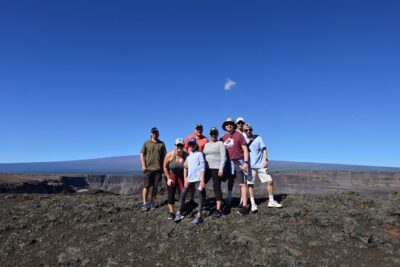
Browse the lists this tour appears in