
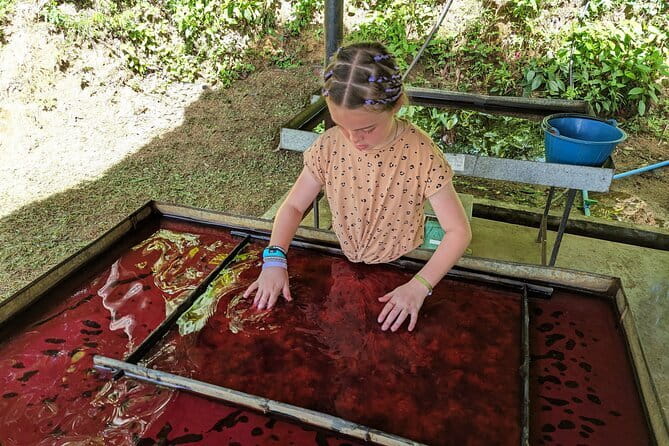
REVIEW · THAILAND
Phuket Elephant Nature Reserve Ethical Sanctuary
Small moments matter with elephants. Phuket Elephant Nature Reserve offers a close look at rescued elephants without rides, bathing, touching, or forced tricks. You watch them move through the jungle and gather at water ponds, then help prepare vitamin balls and other food with the mahouts, their handlers. I especially like the hands-off approach and the chance to learn how elephant dung is recycled. The main drawback is that the experience can feel hot and long, especially during the full 3-hour-30-minute program.
I also like that the visit teaches you why common elephant activities can cause harm rather than simply asking you to admire the animals. The Thai cooking demonstration and lunch add real value to the half-day program, though visitors seeking constant elephant contact may find the rules restrictive. This is an observation and education experience first, not a petting zoo.
Key points to know before you book
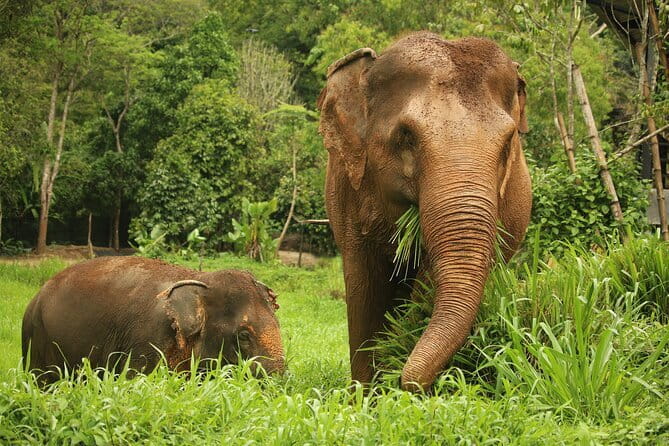
- No touching, bathing, or riding: You see the elephants close up, but their welfare comes before physical contact or tourist entertainment.
- Two different time commitments may be available: The full program lasts about 3 hours 30 minutes, while several bookings describe a 90-minute visit.
- Food preparation is part of the fun: You can chop fruit and prepare vitamin balls, but feeding is handled in a controlled, hands-off way.
- The half-day option includes Thai food: You take part in a cooking class and eat the meal you help prepare.
- The sanctuary has a practical conservation lesson: The dung recycling center shows how waste is put to use rather than simply removed.
- You must arrange your own transport: Transport is not included, but the reserve is near public transportation.
Why this Phuket elephant visit feels different
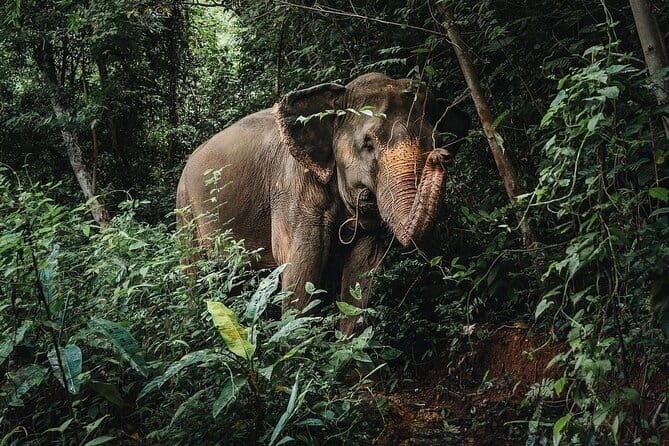
Thailand has a long tradition of working elephants, but that tradition has often involved hard labor, training methods that cause suffering, rides, and performances. Phuket Elephant Nature Reserve takes a different path. Its elephants are rescued animals who cannot simply be released into the wild, so the sanctuary gives them space, care, food, and a more natural daily routine.
The important point for you is what the reserve does not offer. There is no riding, no bathing with elephants, no touching, and no hand feeding. You are not placed beside an elephant for a staged photograph. Instead, you watch the animals at a respectful distance while mahouts remain nearby.
That may sound less exciting if you expect direct contact. In practice, it can make the visit feel more honest. You see elephants making their own choices, moving around the grounds, and spending time at natural water ponds. The experience asks you to pay attention rather than chase a souvenir moment.
The reserve has received a 5 out of 5 rating from 50 reviews, with 100 percent recommending it. That strong response seems tied to the same qualities that define the visit: caring staff, clear explanations, clean facilities, and firm animal welfare rules.
More Wildlife and Elephant Encounters in Thailand:
- Phuket: Elephant Nature Reserve Entry Ticket and Guided Tour
★ 4.9 · 223 reviews - Hua Hin: Kui Buri National Park Wild Elephant Watching
★ 4.4 · 139 reviews - Miami: Everglades National Park Airboat Tour & Wildlife Show
★ 4.5 · 7,296 reviews
Your first hour: orientation, food, and elephant care
The visit begins with a briefing and introduction. This part gives you the basic rules and explains why the sanctuary avoids direct physical contact. Listen carefully here, because the rules shape the entire experience.
You then help prepare food for the elephants. Depending on the program, this can include cutting fruit and making vitamin balls. The vitamin balls are one of the more memorable parts of the visit because they give you a useful task without turning the elephants into performers.
Mahouts guide the process. You may be close enough to observe the animals clearly, but the approach remains controlled. You do not hold food out in your hand or call an elephant over for a picture. That distinction matters. A safe sanctuary should allow the animal to decide where it goes and what it does.
The food preparation also helps explain the daily work behind elephant care. An elephant sanctuary is not just a patch of jungle with a few animals in it. Food, veterinary attention, land management, staff, and safety all cost money. Your admission supports those ongoing needs.
For families, this section works especially well. Children can take part in preparing food while learning why touching, bathing, and riding are not harmless entertainment. Parents looking for an animal activity with an educational point will find more substance here than at a standard photo stop.
Watching elephants in the jungle and at water ponds
The main event is observation. You follow the guide to view the elephants in the jungle and around the reserve’s water features. The exact action depends on the animals, weather, and time of day. Sometimes you may see them moving calmly through the grounds. At other times, they may gather near water or become more active in the rain.
That unpredictability is part of the appeal. You are not promised a performance or a fixed sequence of tricks. The elephants are allowed to behave like elephants.
You can bring a camera, but plan for observation rather than posed portraits. The reserve permits photography, and you may get close views, but you should respect the stated distance and instructions from the staff. A long lens is useful if you have one, though it is not required.
Several people describe seeing four or five elephants during the visit. The number is limited, and that is a positive sign here. A small collection of rescued animals is easier to monitor and gives the staff more control over welfare and safety.
Do not expect a dry, cool outing. Phuket is hot and humid, and the grounds are outdoors. One booking described 90 minutes as a good length because the heat can become tiring. Rain can change the mood, too. It may make the visit less comfortable, but it can also bring out more elephant activity.
Wear comfortable shoes, a hat, and sunglasses. Those items are not supplied, and they will make the outdoor portions easier. Bring your own water bottle as well. A refill station is available, but a bottle is not included.
The elephant education is the heart of the visit

The best part of this experience is not simply seeing a large animal from several yards away. It is understanding why the reserve has chosen this format.
Your guide explains the elephants’ background, their rescue, and their life at the sanctuary. The education includes the wider problem of elephant tourism. Bathing and riding can look gentle in a photograph, but the training and control required to make elephants accept those activities can be cruel.
That lesson comes across especially well for children. An 8-year-old or an 11-year-old can understand the simple difference between watching an animal choose its own activity and making it perform for people. The experience gives families language to use later when they see elephant rides or bathing programs advertised elsewhere.
Guides are a major part of the visit. Tom, Steve, and Dong are each praised in the supplied feedback for clear explanations and friendly help. Guide quality can shape an animal sanctuary experience, and here the repeated comments point to patient introductions and useful context rather than a rushed walk-through.
The tone is not just about saying no to harmful tourism. You also learn what ethical care requires. The elephants have room to move, access to food and water, and handlers who monitor them. The reserve’s message is practical: the best visitor experience is one that does not require the animal to obey every tourist request.
A few more park trips around Thailand worth a look
- Chiang Mai: Doi Inthanon National Park Eco-Friendly Tour
★ 4.6 · 6,667 reviews - From Bangkok: Khao Yai National Park Small-Group Day Trip
★ 4.5 · 704 reviews - Chiang Mai: Doi Inthanon National Park and Pha Dok Siew Trek
★ 4.5 · 527 reviews - Khao Yai National Park Full-Day From Bangkok – Including Ticket
★ 4.5 · 523 reviews
The dung recycling center adds a useful surprise
The elephant dung recycling center may not sound like the headline attraction, but it is one of the most interesting stops. Elephants produce a great deal of waste, and the sanctuary shows how that material can be recycled.
This section gives the visit a grounded, working-reserve feel. You see that responsible care includes the unglamorous jobs too. Food preparation, cleaning, waste management, and maintenance all support the elephants’ welfare.
The center is included in the half-day program. It may be less exciting for young children than the animals themselves, but it gives adults and older children a fuller picture of how a sanctuary functions. If you want only photographs, this stop may feel like extra time. If you want to understand the operation, it is worthwhile.
Thai cooking class and lunch in the half-day program
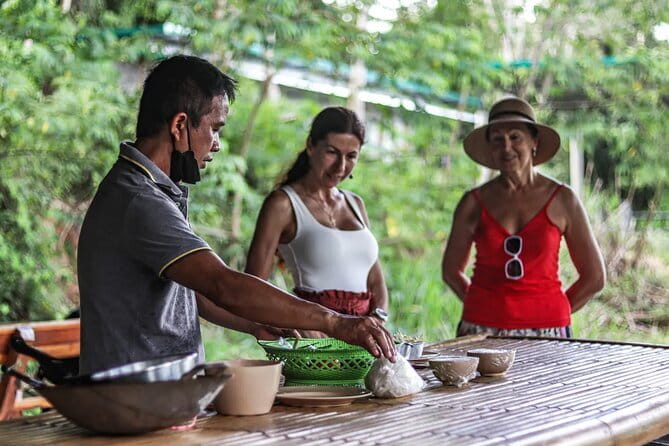
The half-day program includes a Thai cooking demonstration and lunch. You learn how to prepare a Thai dish, then eat the meal you helped make. The food is described as very good, and this addition helps justify the longer booking for people who want more than a short elephant encounter.
The cooking class also breaks up the outdoor time. Phuket’s heat can make three or four hours outside tiring, so sitting down for food gives you a welcome change of pace. It turns the visit into a small cultural experience rather than an animal-only excursion.
The schedule may begin with cooking and lunch before the elephant activities. One half-day visit began at 1 p.m., with the first hour devoted to the Thai cooking class. Exact order and timing can vary, so follow the instructions provided for your booking.
I would choose the half-day option if you want a fuller understanding of the reserve or are interested in Thai food as well as elephants. I would choose the shorter 90-minute option if you are sensitive to heat, have a packed Phuket itinerary, or mainly want to observe the animals.
Is the price of $39.11 good value?

At $39.11 per person, this is a reasonable price for an experience that combines animal observation, an educational presentation, food preparation, and, with the half-day program, Thai cooking and lunch.
The value depends on which version you book. A 90-minute visit gives you a shorter, focused encounter with the elephants. Several people consider that length ideal in Phuket’s heat. The full program lasts about 3 hours 30 minutes and adds the dung recycling center, vitamin balls, cooking, and lunch.
You are also paying to support a sanctuary that refuses some of the activities tourists often expect. That matters. A cheaper experience may offer more direct contact, but direct contact is not automatically a sign of good care. Here, the price helps fund rescued elephants and the work required to keep them safe.
I would not book this expecting a large entertainment complex, dozens of elephants, or nonstop interaction. The reserve’s value is strongest if you care about welfare, education, and a quieter kind of animal encounter.
Planning the visit in Phuket
Transport is not included, so you need to arrange your own way to the reserve. It is near public transportation, which helps, but the booking information does not specify a hotel pickup service.
Allow extra time around the scheduled start if your route is unfamiliar. The staff have shown some flexibility when drivers cancel or visitors arrive late, but you should not rely on that. A late arrival can shorten your visit, especially if the group is following a fixed schedule.
The experience is mobile-ticket friendly, and confirmation is issued when you book. Service animals are allowed, and most people can participate.
Wear shoes you can walk in comfortably. Add a hat and sunglasses, and bring a refillable water bottle. Phuket’s sun and humidity are the main practical challenges, not strenuous physical activity.
Free cancellation is available if you cancel at least 24 hours before the local start time. Cancellations or changes made later do not qualify for a refund.
Who will enjoy this sanctuary most?
I would recommend it to families, first-time visitors to an elephant sanctuary, and anyone who wants to support animal care without taking part in rides or bathing. It also suits people who appreciate guides that explain the reasons behind the rules.
The half-day program is particularly good for families. Food preparation gives children something active to do, while the cooking class and lunch make the day feel varied. The education can help younger visitors understand why an elephant that looks happy in a photograph may still be part of a harmful system.
The shorter option may suit older adults, people traveling in hot weather, or anyone with limited energy for outdoor activities. It also works well if you have several other plans in Phuket.
I would hesitate to recommend it to someone whose main goal is touching an elephant or bathing beside one. You will not get that here, and that is exactly the point. Choose this visit if you are comfortable letting the animals remain in control.
Should you book the Phuket Elephant Nature Reserve?
Yes, if you want an ethical elephant encounter built around observation, education, and practical support for rescued animals. The strongest reasons to book are the no-riding and no-bathing policy, the chance to prepare food, the clear explanations from guides such as Tom, Steve, and Dong, and the extra value of cooking and lunch in the half-day program.
Choose the 90-minute format if heat and time are concerns. Pick the half-day visit if you want the cooking class, dung recycling center, vitamin balls, and a broader picture of sanctuary work.
The visit will not give you a staged animal encounter. It gives you something better suited to responsible tourism: a chance to watch elephants live with less pressure from people, then leave with a clearer idea of what ethical care really means.
FAQ
How long does the Phuket Elephant Nature Reserve experience last?
The advertised experience lasts approximately 3 hours 30 minutes. A 90-minute option is also described in the booking information and visitor feedback.
What activities are included in the half-day program?
The half-day program includes elephant observation, food preparation, making vitamin balls, the elephant dung recycling center, a Thai cooking class, and lunch.
Can I touch or bathe the elephants?
No. Touching and bathing are not permitted. The sanctuary uses a hands-off approach that puts elephant welfare before physical interaction.
Can I ride the elephants?
No. Elephant riding is not part of this experience.
Can I feed the elephants directly?
You can help prepare their food, but direct hand feeding is not permitted. Food is prepared and managed through the sanctuary’s hands-off approach.
Is lunch included?
Lunch is included with the half-day program. The meal follows a Thai cooking class and uses what you learn to prepare.
Is transportation included?
No. Transport is not included. The reserve is near public transportation, so you need to arrange your own way there.
What should I bring?
Bring comfortable shoes, a hat, sunglasses, and your own water bottle for the refill station. Mobile tickets are supported.
Can I cancel for a full refund?
Yes, if you cancel at least 24 hours before the experience begins according to the local time. Cancellations or changes made less than 24 hours before the start are not refunded.
Just added around Thailand
- From Chiang Mai: Doi Inthanon National Park Day Trip★ 5.0 · 7 reviews
- From Chiang Mai: Doi Inthanon National Park Hiking Tour★ 4.9 · 43 reviews
- From Bangkok: Ayutthaya & Khao Yai National Park Day Trip★ 4.5 · 23 reviews
- Monks chanting, Wat Doi Suthep and Wat Phalad+ Meditation★ 4.6 · 18 reviews
- Private Sticky Waterfall & Floating Srilanna National Park★ 5.0 · 9 reviews
- Chiang Mai:Doi Inthanon National Park & Hike at Kew Mae Pan★ 4.4 · 53 reviews
- Chiang Mai: Doi Inthanon National Park+Trek Pha Dok Siew★ 4.7 · 17 reviews
- Chiang Mai: Doi Inthanon National Park Sightseeing Tour★ 3.5 · 3 reviews
Wildlife and Elephant Encounters, compared.
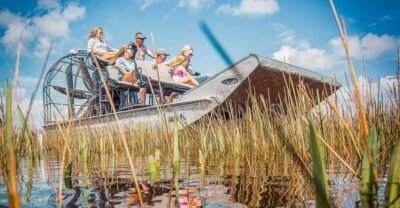
Miami: Everglades National Park Airboat Tour & Wildlife Show
Read our review →
Wilderness, Wildlife, Glacier Experience from Anchorage
Read our review →
Kenai Fjords National Park Glacier & Wildlife Cruise
Read our review →
Kenai Fjords National Park Glacier & Wildlife Tour from Seward
Read our review →
Nairobi: National Park & Optional Elephants & Giraffe Center
Read our review →
Addo Elephant National Park All Inclusive Full-Day Safari
Read our review →
Jasper National Park: Evening or Morning Wildlife Watch Tour
Read our review →
Jackson: Grand Teton National Park Guided Wildlife Tour
Read our review →Browse the lists this tour appears in