
REVIEW · AUSTRALIA
Uluru: National Park Astronomy Tour with Telescope and Photo
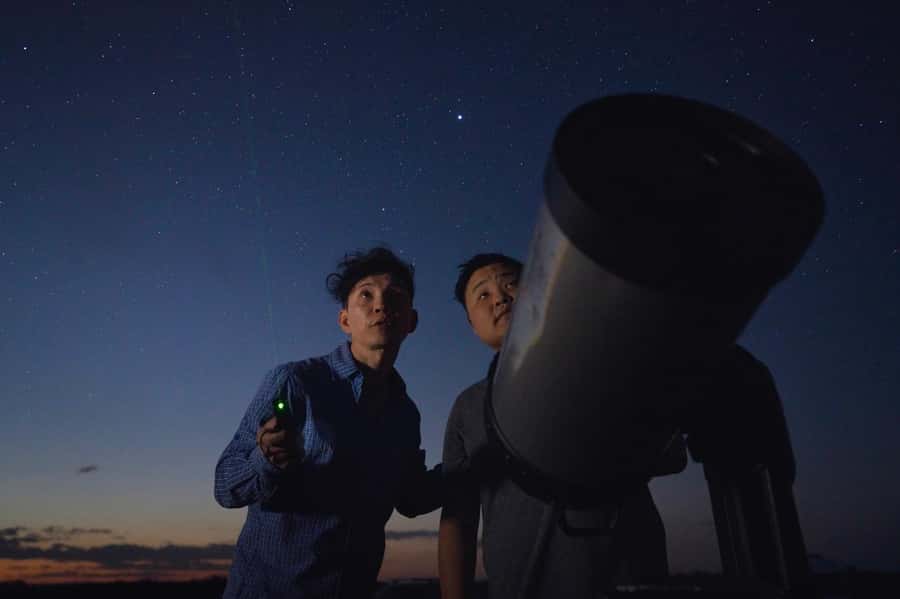
The desert sky puts on a serious show. This 150-minute evening outing takes you away from resort lights for stargazing near Uluru, with powerful telescopes, southern-sky stories, and a professional photograph included. I especially like the chance to see planets, nebulae, star clusters, and the Milky Way from the outback. The main drawback is group size, as telescope queues and photo lines can stretch when two full buses arrive.
I also like that transport, blankets, stools, telescope use, and a digital photo are included in the $91 price. Guides such as Neil, Lucy, Zack, Olina, and Michaela have been praised for making astronomy clear and entertaining. Just remember that moonlight, clouds, and seasonal timing affect what you see, and bring more warm clothing than you think you need.
What makes this Uluru stargazing tour worth your evening
- A dark-sky setting beyond the resort: The bus takes you into the national park, roughly 20 minutes from the resort according to one recent outing, where artificial light is far less intrusive.
- Southern-sky viewing through telescopes: You might see Saturn and its rings, planets, nebulae, clusters, the Moon, Alpha Centauri, or other targets selected for that night.
- Indigenous astronomy alongside modern science: Guides connect constellations with Aboriginal stories and practical uses of the night sky, then explain the science behind what you are seeing.
- A professional photo with Uluru: The included long-exposure image gives you a keepsake that ordinary phone photography often cannot match.
- Helpful gear on a cold desert night: Folding stools and blankets are supplied, though you should still bring warm layers and closed-toe shoes.
- Flexible booking: You can cancel up to 24 hours before departure for a full refund, and reserve now while paying later.
Leaving the resort for a darker sky
Your evening begins with pickup from your accommodation. Look for the bus marked Atrip, and check your email for the confirmed pickup time because the schedule can vary by night.
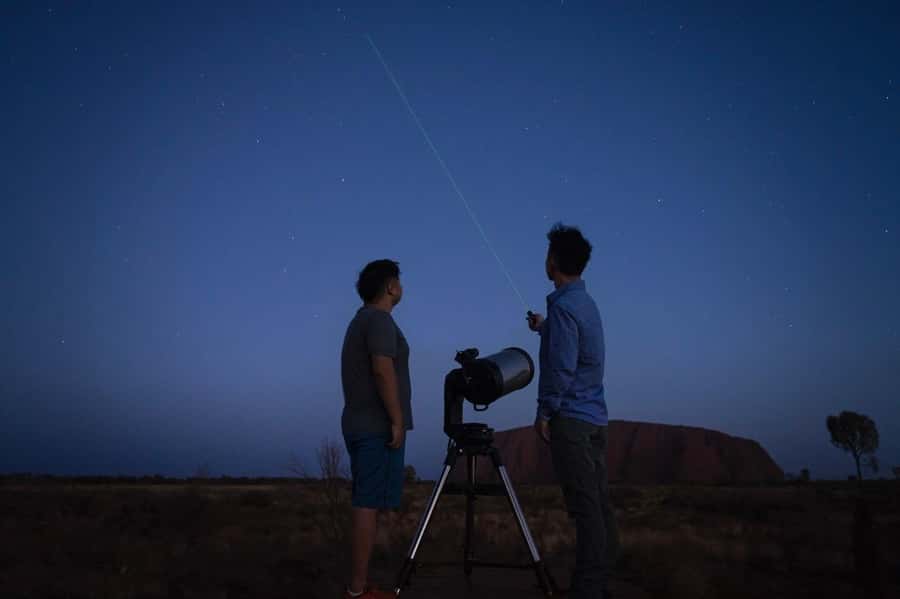
The transfer matters more than it may sound. Resort lighting can wash out faint stars, while a darker location lets you see far more with your own eyes. One departure placed the viewing area about 20 minutes from the resort, a short ride for a much better sky. The setting includes Uluru as a backdrop, but the real prize is the darkness above it.
Transport is in a comfortable bus, according to several accounts, and drop-off returns you to your accommodation at the end. That makes this an easy evening to add after a day of walking or sightseeing. You do not need to bring your own national park pass for this outing.
Once you arrive, the crew sets out telescopes, binoculars, folding seats, and blankets. The area may be very dark, so use care when walking from the bus. One useful suggestion from the evening feedback was for the company to provide more lighting along that short route.
A few more park trips around Australia worth a look
- Litchfield National Park and Jumping Crocodile Cruise
★ 5.0 · 2,119 reviews - Grampians National Park Small-Group Eco Tour from Melbourne
★ 5.0 · 761 reviews - From Port Arthur: Tasman Island Wilderness Cruise
★ 4.9 · 704 reviews
Finding the Milky Way above Uluru
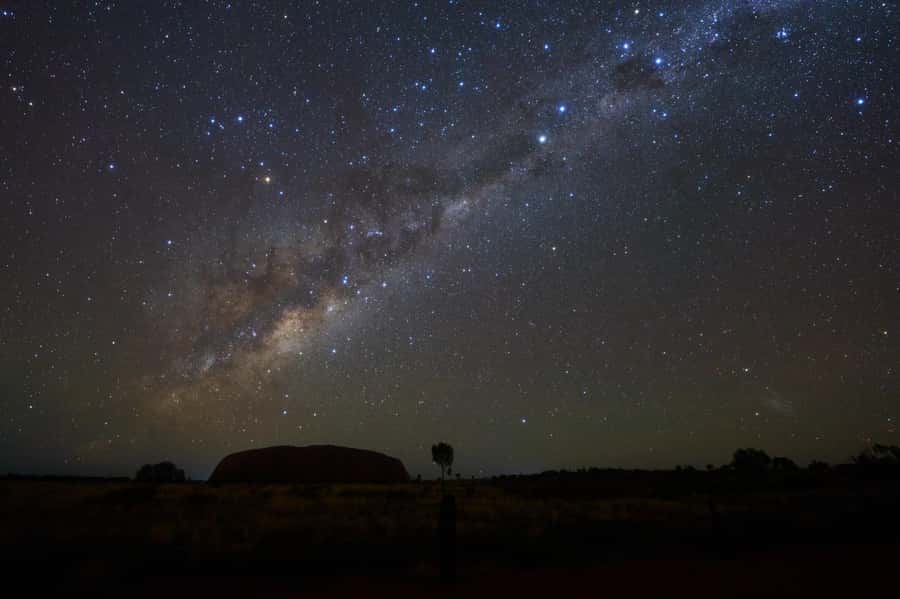
The first part of the evening is usually about looking up without equipment. This is where the tour has its strongest emotional pull. In a truly dark outback setting, the Milky Way can appear as a broad, pale band rather than a faint smudge. Uluru may be a dark silhouette below it, giving the view a distinctly Australian sense of place.
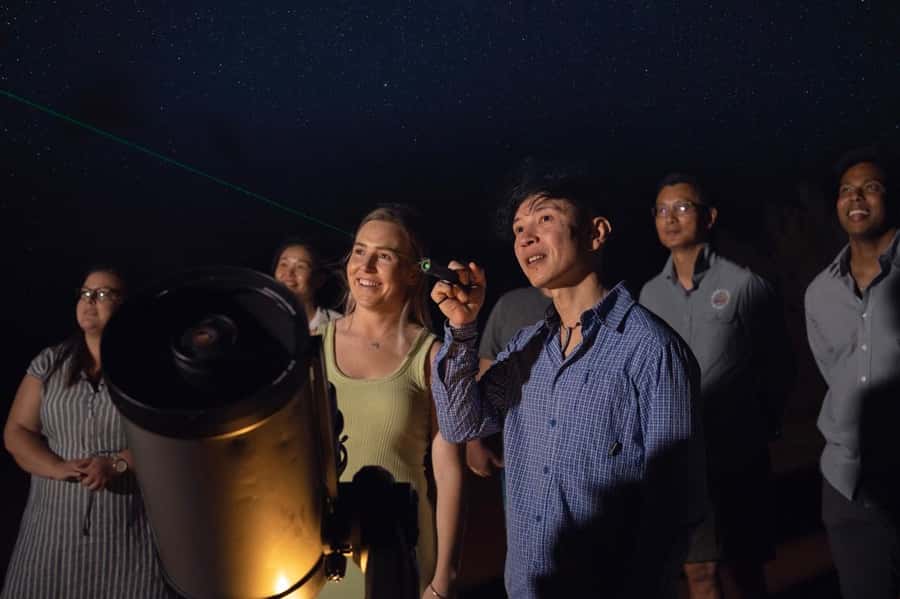
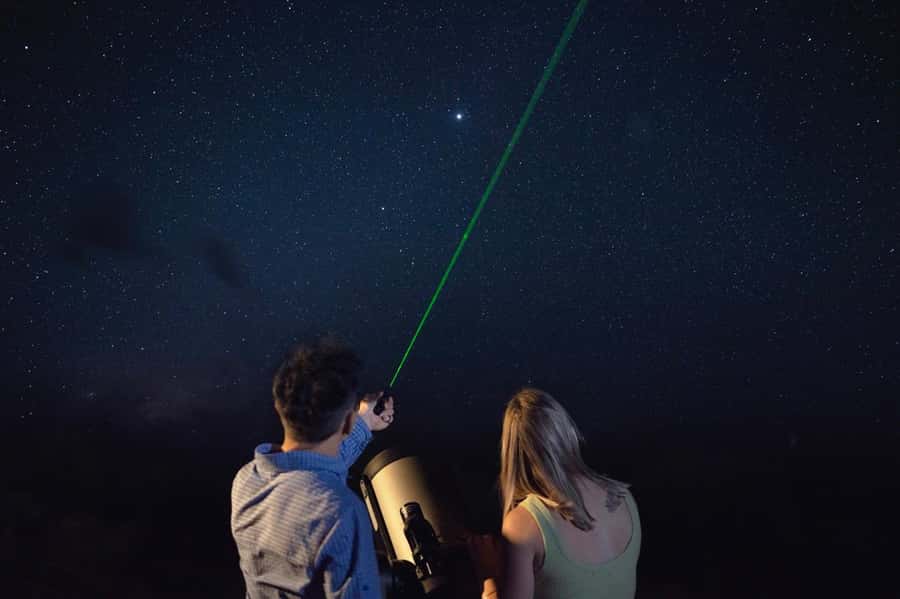
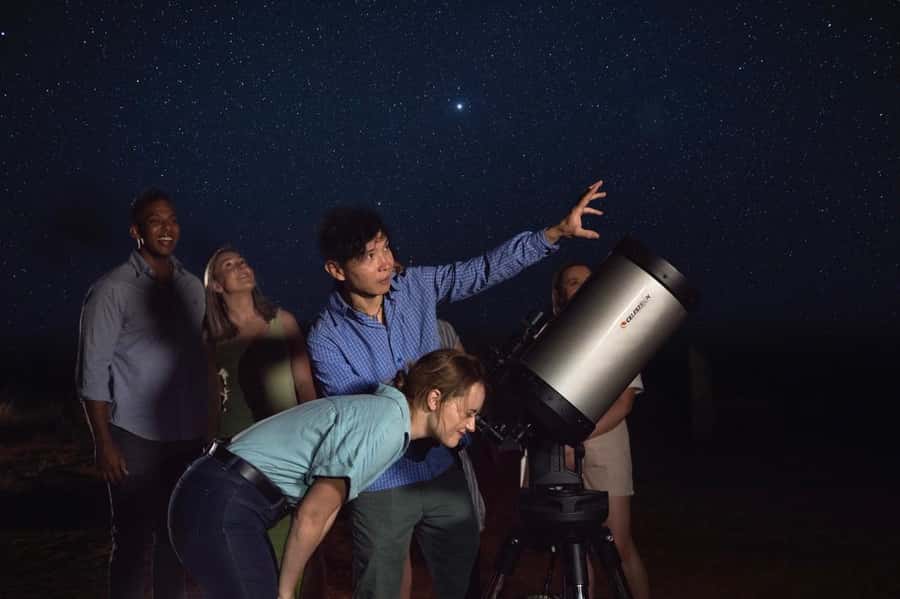
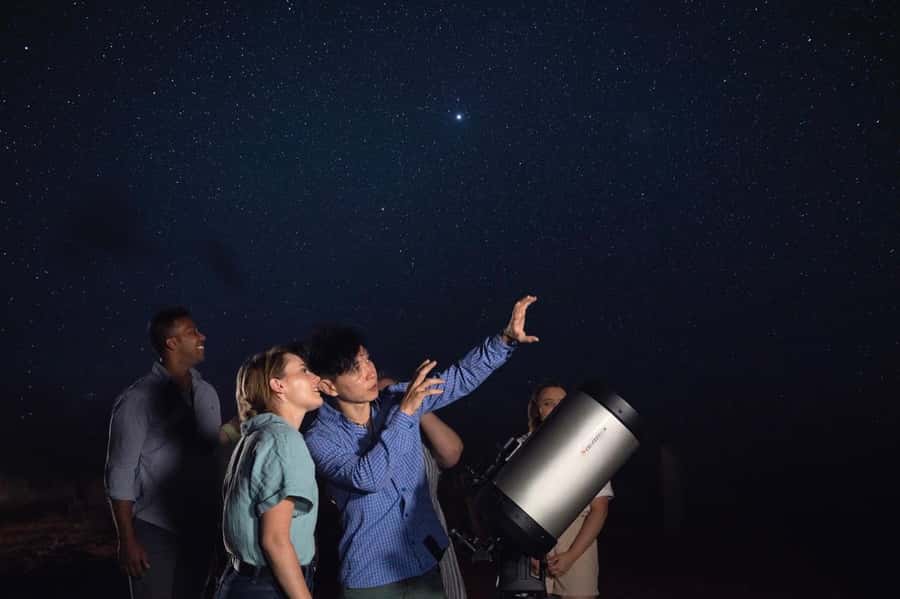
Guides use laser pointers to identify stars and constellations. They explain what you are seeing in plain terms, then add stories about how Aboriginal communities read and used the night sky. This cultural element gives the session more depth than a basic planetarium talk. The sky was not simply decoration. It helped people mark time, understand seasons, navigate, and pass on stories.
The best guides balance several kinds of information. Neil has been praised for clear explanations and a friendly manner, while Lucy has received warm comments for making the material accessible. Zack, Olina, and Michaela have also been singled out for helpful, engaging presentations on different nights.
You do not need to know anything about astronomy beforehand. Beginners should feel comfortable asking questions, and people with a stronger interest in space will still find useful detail. The presentation can become quite technical at moments, so if you prefer a short, purely scenic experience, the amount of science may feel like a lot.
The group format creates one small problem. If people chat while the guide is speaking, it can be hard to hear every point. A microphone would help, particularly when the group is large. Sit close to the guide if the astronomy stories are your main reason for booking.
What you can see through the telescopes
The telescopes turn the evening from a broad view of the sky into a series of close-up targets. Depending on the date, time, weather, and position of the planets, you might view Saturn and its rings, the Moon, nebulae, star clusters, or individual stars. Some people have even reported seeing Pluto and Alpha Centauri, though you should not treat any single object as guaranteed.
This part is especially good for first-time stargazers. With the naked eye, a star remains a point of light. Through a telescope, Saturn can show a clear ringed shape, while a cluster or nebula may reveal structure you could not see from the bus or resort.
The equipment is a real part of the value. You are not merely standing outside while someone names constellations. You get to look through the instruments yourself, with the guides explaining what is in view and helping you understand its scale and distance.
There is a practical tradeoff. Several accounts describe long waits when a large group shares only a few telescopes. One evening had two full buses and three telescopes, with queues also forming for the photo. The sky show continues while you wait, but the experience would feel calmer with smaller groups or more instruments.
If you want telescope time above all else, ask about expected group size before booking if that information is available. If your main goal is seeing the Milky Way and hearing the stories, the queues matter less.
Why the included photo is more useful than a phone snapshot
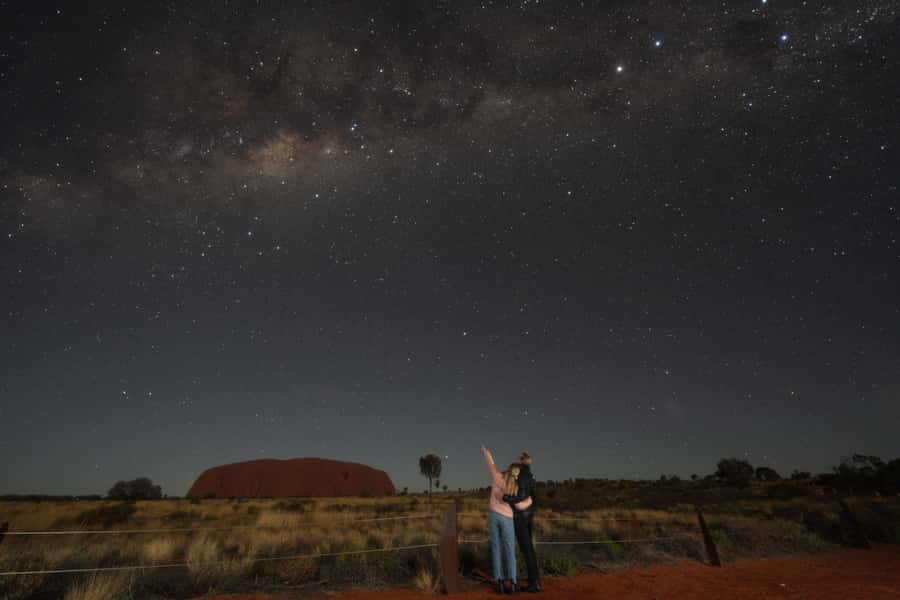
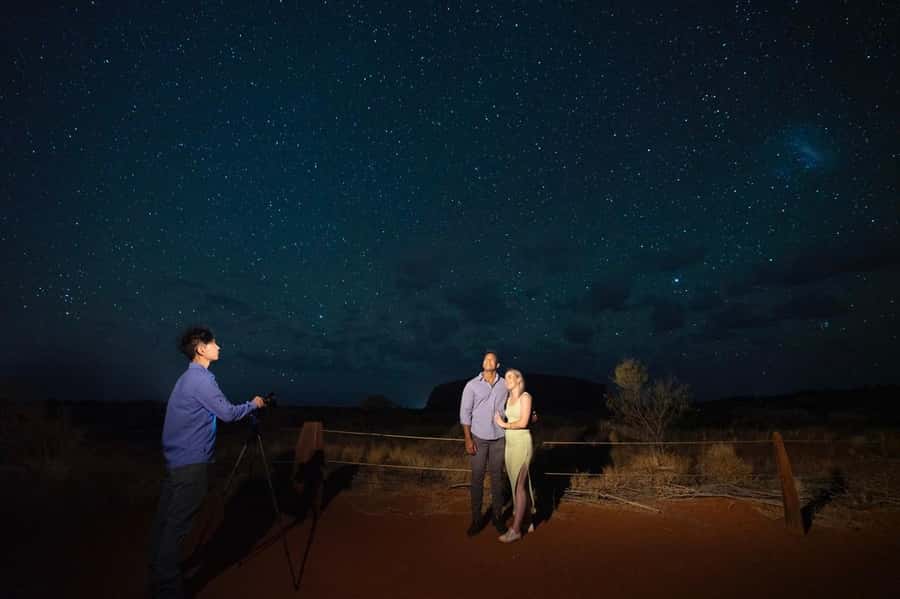
The professional photograph is one of the tour’s smartest extras. A long-exposure image can show you standing beneath the stars with Uluru behind you, something most phones cannot produce easily without a tripod, careful settings, and several attempts.
The photographer takes one digital image for each person. If you are travelling with family or friends, clarify how the group photo process works at the site, since several groups may need to decide who is included before the exposure is made. That planning can slow the line, especially when the bus is full.
The result has been praised as a treasured keepsake. The photo is not just a record of a telescope session. It places you in the scene, with the night sky and Uluru forming the background. That gives the $91 fee more value than a simple guided talk.
You can also bring your own camera and tripod. The tour specifically welcomes people interested in astrophotography, although the provided information does not promise dedicated instruction or unlimited time for personal setups. Bring your equipment only if you are happy to work around the group schedule.
Phone owners are not left out. Guides have helped people adjust phone cameras for night-sky shots, and you may get better results by learning your phone’s night mode before the tour. A reusable water bottle is also worth packing.
Same corner of the map, a different park:
- Sydney: Blue Mountains National Park Tour with River Cruise
★ 4.6 · 701 reviews - From Hobart/Adventure Bay: Bruny Island Wilderness Cruise
★ 4.8 · 601 reviews - Port Arthur Full-day Guided Tour with Harbour Cruise and Tasman National Park
★ 4.5 · 585 reviews - Grampians National Park Small-Group Eco Day Tour
★ 4.8 · 577 reviews
Cold nights, moonlight, and other factors you cannot control
The outback can feel warm during the day and surprisingly cold after sunset. April and May departures have felt close to 10 degrees Celsius to some people, and winter evenings can be colder still. Blankets are provided, but bring warm layers, long trousers, and closed-toe shoes. A jacket that seems excessive at sunset may feel entirely reasonable an hour later.
Summer is not automatically better. One December outing was described as still warm in the evening, while winter departures benefited from crisp, clear skies. Pack for the season rather than assuming the desert is always hot.
Moon phase is just as important as temperature. A bright full or first-quarter moon can be beautiful, but it also reduces the number of faint stars you can see. A new moon usually gives you the darkest conditions and the clearest Milky Way, though the exact view depends on the time of night and the season.
Cloud cover can also change the mood. The guides cannot control the sky, and one partly cloudy evening still produced a worthwhile outing. You may see Saturn clearly but miss the Milky Way at its best, or spot fewer faint stars than expected. That is part of outdoor astronomy, not a failure of the tour.
For the strongest chance of a dark sky, check the moon phase when choosing your date. If the only available night has a bright moon, you can still enjoy the Moon through a telescope and see brighter planets, but do not expect the same star count.
The pace and group size
The advertised duration is 150 minutes, including pickup and return portions of the evening. That gives you enough time for a presentation, free stargazing, telescope viewing, and the photograph, but the exact balance depends on transport timing and queues.
The tour has been described as well organised, with equipment ready on arrival and blankets and stools laid out. That preparation helps because you are not wasting the dark hours waiting for the basic setup.
The weak point is crowd management. Two full buses can make the telescope rotation feel slow, and the photo queue may last 45 to 60 minutes. Some people have wished the session lasted longer, while others felt the schedule was about right. If you dislike waiting, position yourself near the telescope queue early and sort out your photo group before your turn.
A larger group does have one advantage. It creates a lively atmosphere, and the guides appear accustomed to explaining astronomy to beginners and families. Children and teenagers have responded well to the mix of storytelling, equipment, and visual targets. Still, a smaller departure would provide more quiet and more time at each telescope.
Who will get the most from the $91 price
At $91 per person, this is not the cheapest way to sit under the stars. But the price includes hotel pickup and drop-off, a guide, use of telescopes and binoculars, blankets and seating at the viewing area, and a digital professional photograph.
I think the value is strongest if you do not own astronomy equipment or a tripod. You get access to a darker national park setting, several instruments, a guided explanation of the sky, and a finished photo. Paying for a separate telescope session and a professional image could easily make a simple stargazing stop less convenient.
The tour suits:
- First-time stargazers who want clear explanations
- Families with older children and teenagers
- Couples or friends who want a memorable night photo
- People interested in Aboriginal astronomy and modern space science
- Amateur photographers who want to try their own night-sky images
- Anyone staying at the Uluru resort area without independent evening transport
It may be less suitable if you want a private session, guaranteed telescope access, or complete control over the photograph. The group may be large, and the sky may not cooperate. You should also be comfortable sitting outside in darkness for part of the evening.
The English and Chinese guide options make the activity more accessible, but you should confirm the language schedule when checking dates. Free cancellation is available up to 24 hours in advance, and reserve-now-pay-later booking can help if your plans are still moving.
Should you book the Uluru Astronomy Tour?
I would book it if you have one clear night at Uluru and want more than a quick resort view of the stars. The combination of a dark national park setting, southern-sky stories, telescope targets, and a professional photo gives the evening real substance.
Choose your date with the moon in mind, pack serious layers, and expect some waiting if the buses are full. If those conditions sound acceptable, this is one of the better ways to experience Uluru after sunset, especially for beginners, families, and anyone who wants a lasting photo rather than a memory on a phone.
FAQ
How long does the Uluru Astronomy Tour last?
The experience lasts 150 minutes, including the evening activity and transport arrangements.
What does the tour cost?
The listed price is $91 per person.
Does hotel pickup and drop-off come with the tour?
Yes. Pickup and return transportation are included. Look for the Atrip bus, and check your email for the confirmed pickup schedule.
Do I need a national park pass?
No. You do not need to bring your own national park pass for this tour.
What languages are available?
Live guide options are listed in English and Chinese.
What should I bring?
Bring warm clothing, closed-toe shoes, and a reusable water bottle. You may also bring your own camera and tripod for night-sky photography.
Are telescopes provided?
Yes. Telescope use and binocular viewing are included. The specific objects visible depend on the night, conditions, and the guide’s selection.
Is a photograph included?
Yes. A digital professional photograph taken under the stars with Uluru as a backdrop is included.
Just added around Australia
- Darwin: Nitmiluk National Park Tour & Katherine Gorge Cruise★ 4.5 · 60 reviews
- Eurimbula National Park Tour: Picnic on the Beach★ 4.5 · 8 reviews
- Dolphin Kayak Tour & Beach 4X4 National Park Tour (Private)★ 5.0 · 4 reviews
- Darwin: Litchfield National Park Waterfalls & Wildlife Tour★ 4.6 · 43 reviews
- Darwin: Kakadu National Park Day Trip★ 4.7 · 35 reviews
- Darwin: Kakadu National Park, Yellow Water River Cruise★ 4.4 · 4 reviews
- Cradle Mountain National Park by Coach from Launceston★ 4.4 · 35 reviews
- Coffin Bay National Park: Highlights and Off-Road 4WD Tour★ 5.0 · 11 reviews
Australia National Park Tours, compared.
Litchfield National Park and Jumping Crocodile Cruise
Read our review →
Grampians National Park Small-Group Eco Tour from Melbourne
Read our review →
From Port Arthur: Tasman Island Wilderness Cruise
Read our review →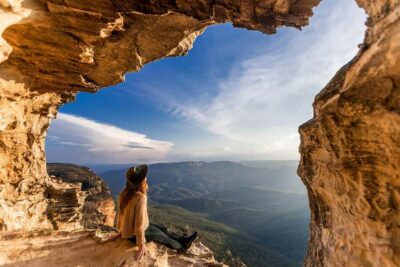
Sydney: Blue Mountains National Park Tour with River Cruise
Read our review →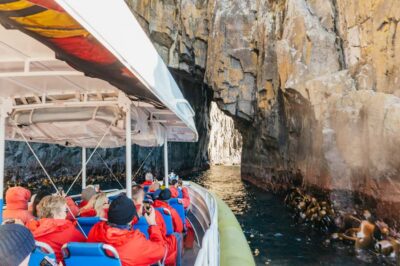
From Hobart/Adventure Bay: Bruny Island Wilderness Cruise
Read our review →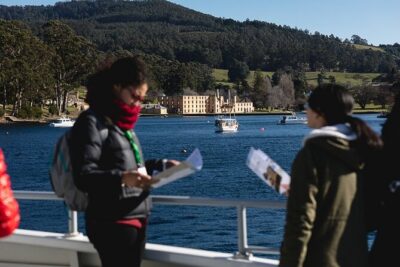
Port Arthur Full-day Guided Tour with Harbour Cruise and Tasman National Park
Read our review →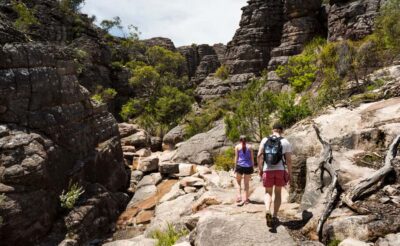
Grampians National Park Small-Group Eco Day Tour
Read our review →
Hobart: Bruny Island Wilderness Coast Eco Cruise with Lunch
Read our review →Browse the lists this tour appears in