
REVIEW · TANZANIA
Arusha National Park: Walking Safari and Game Drive
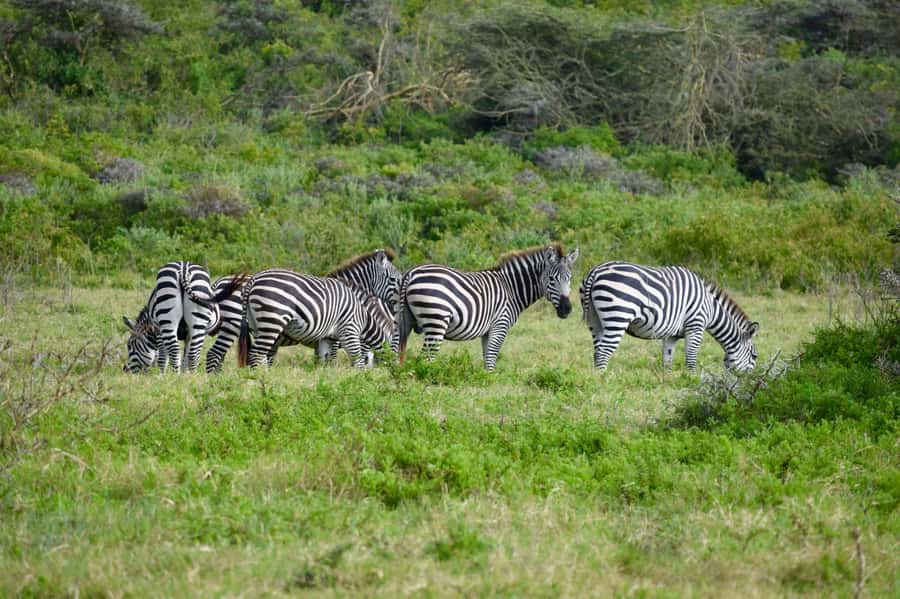
Wildlife comes close in Arusha. This full-day outing combines game drives with a ranger-led walk, giving you two very different ways to see the park. I like the chance to spot giraffes, zebras, elephants, buffaloes, flamingos, and monkeys in one day. I also like the choice between a gentle three-hour walk and a longer hike toward Mt. Meru’s first base camp and the famous fig tree arch.
The main concern is timing. A late start or an unorganized morning can make the walking portion feel rushed, and the three-hour route may include more bush walking than animal watching. Still, a good guide can make this a memorable day, as Felix found with Moses, especially on the hike to the fig tree.
Key details before you book
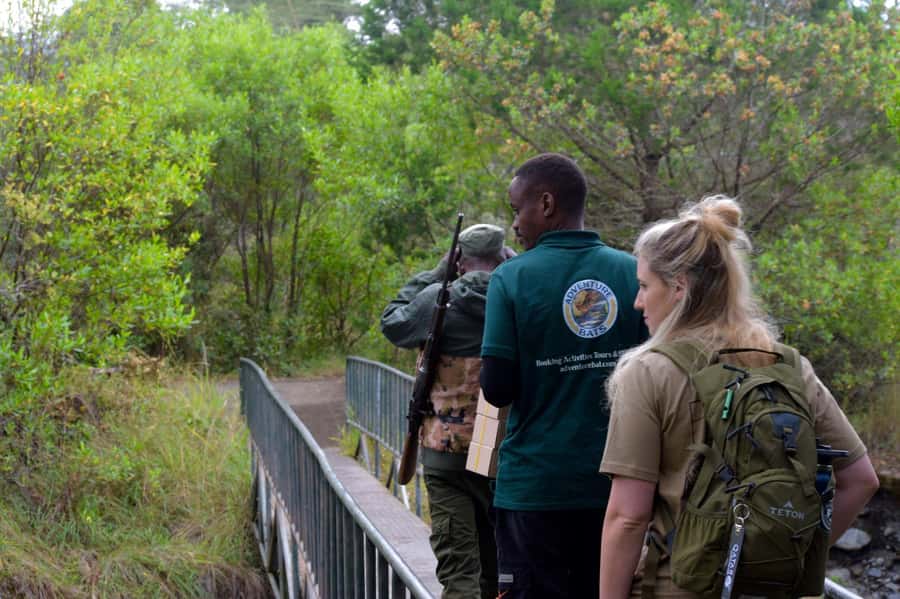
- Two styles of safari in one day: You get a morning game drive, a ranger-led walk, lunch, and another game drive.
- The fig tree arch is the unusual prize: The great tree is large enough for a vehicle to pass through, but reaching it requires the longer walking route or a 4×4.
- Mt. Meru adds mountain scenery: The six-hour option reaches the first base camp, while the three-hour walk is easier and mostly flat.
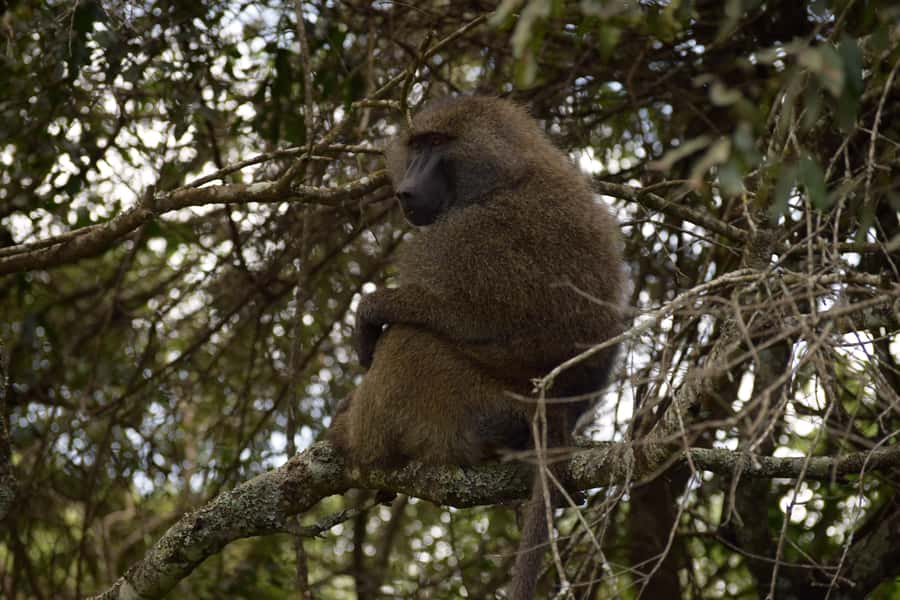
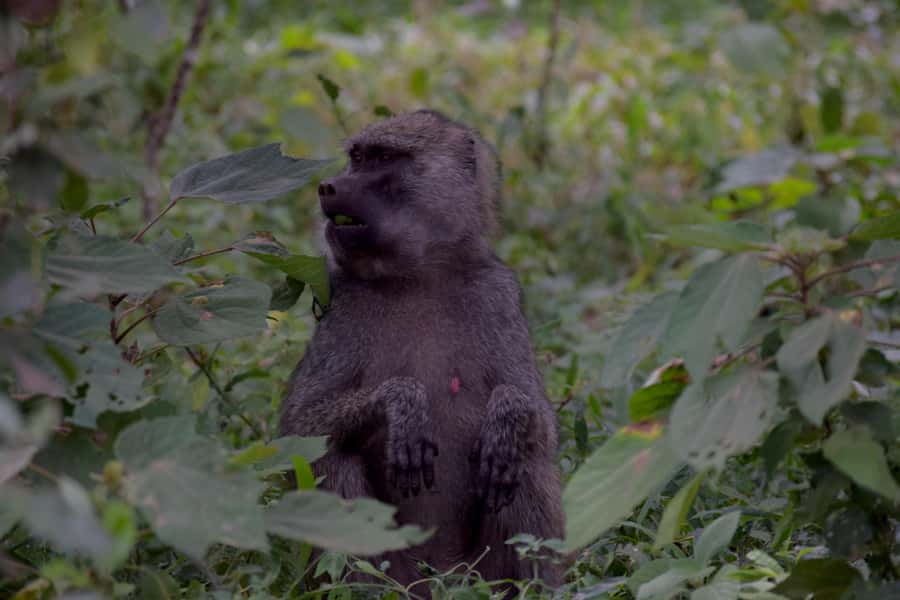
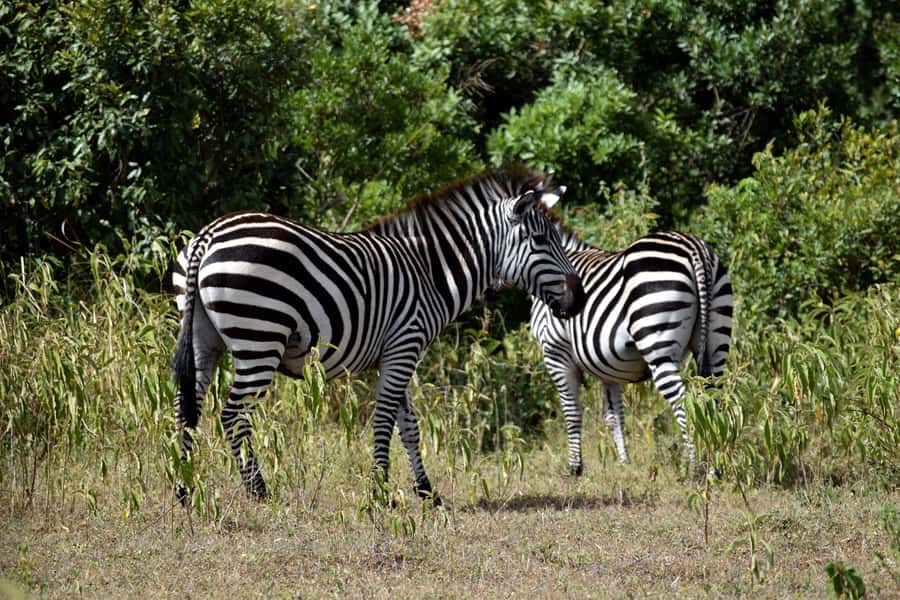
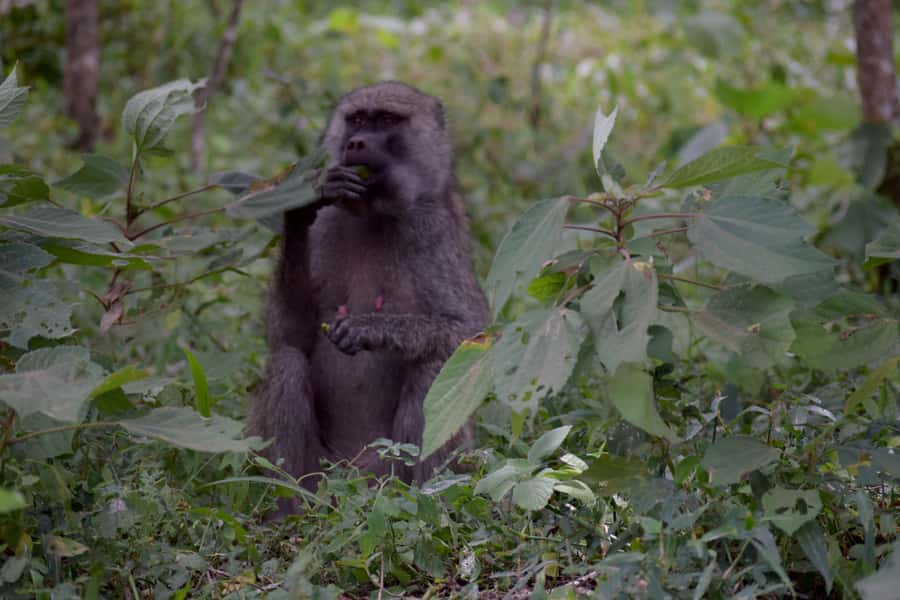
- Wildlife can be excellent: Giraffes, elephants, zebras, buffaloes, flamingos, warthogs, baboons, bushbucks, colobus monkeys, and blue monkeys are all possible sights.
- The vehicle choice matters: A van works well for a comfortable park tour, while a 4×4 can reach remote areas that a van cannot.
- The price includes the costly basics: At $270 per person, the outing includes pickup, park entry, guide, ranger, walking fee, lunch, and water.
Why Arusha National Park makes a good first safari
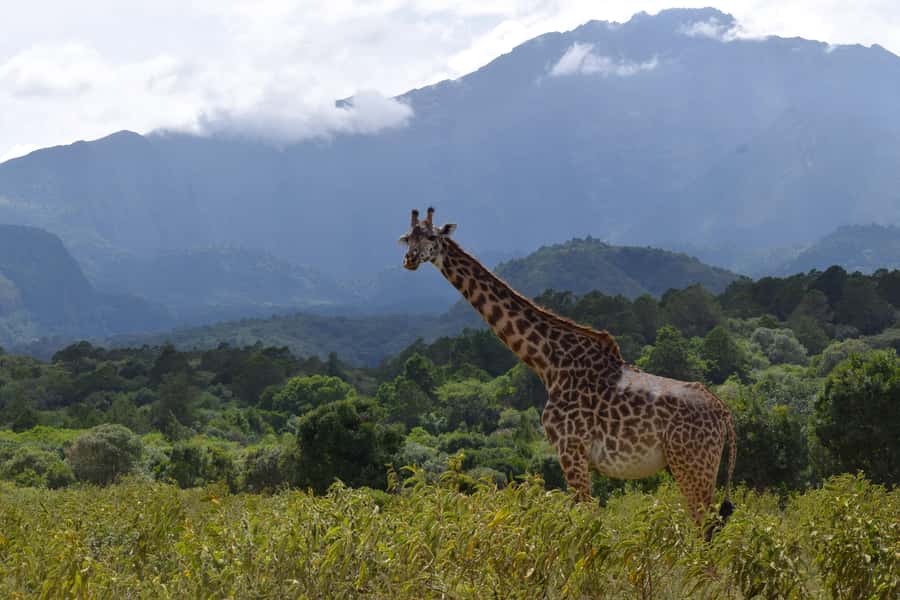
Arusha National Park is a useful introduction to northern Tanzania because it packs several types of scenery and wildlife into one day. You are not limited to sitting in a vehicle. The outing adds time on foot, where the sounds, plants, and changing ground become part of the safari.
The park also offers a different feel from a long, wildlife-only safari. You may see giraffes crossing open areas, buffaloes grazing, flamingos around the water, and monkeys moving through the forest. Then you leave the vehicle and follow a ranger toward waterfalls or Mt. Meru.
I like this combination for visitors who have only one free day around Arusha. You get a taste of a classic game drive, but you also see the park at walking pace. That makes the day more varied than a simple drive through the same area.
The trade-off is that this is a busy schedule. The day lasts about eight to nine hours, and you are trying to fit driving, walking, lunch, and a second drive into it. The timing of the morning pickup matters. A delay can put pressure on the walking portion, since the ranger-led section needs to fit within the park’s practical schedule.
More National Park Safaris in Tanzania
- 7 Days Tanganyika Wilderness Safari
★ 5.0 · 159 reviews - 3 Day Serengeti National Park & Ngorongoro Crater Camping Safari
★ 5.0 · 142 reviews - 2 nights 3 days safari to mikumi national park
★ 5.0 · 62 reviews
The morning game drive and first wildlife sightings
The day begins with pickup from your hotel in a safari vehicle. You can expect a guide who speaks English, Swahili, or French, depending on the arrangement. The vehicle may be a van or a 4×4 safari vehicle, and that choice affects how far you can reach inside the park.
The first game drive gives you a broad look at Arusha National Park. Keep your eyes open for giraffes, zebras, Cape buffaloes, elephants, warthogs, bushbucks, and flamingos. Baboons, black-and-white colobus monkeys, and blue monkeys add a forest element to the outing.
Giraffes are among the most likely highlights to shape your day. Their height makes them easy to notice, especially against open ground. Buffaloes offer a different sight, with large groups or individual animals creating a sense of weight and power. You might also spot elephants, although wildlife sightings are never guaranteed.
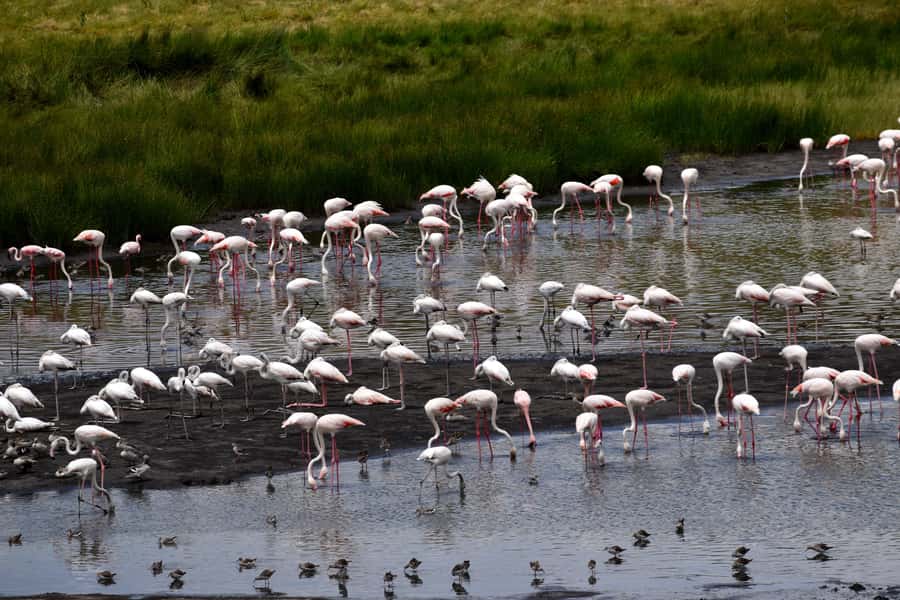
Flamingos bring a splash of color to the park’s wet areas. They are a good reminder that this is not only a large-animal safari. The park also includes birds, marshland, forest, and open areas, so the scenery changes as your vehicle moves.
One German visitor found the afternoon drive particularly successful, with many giraffes and buffaloes appearing after the walking section. That is a useful point for your expectations: do not decide too early that the day is a success or failure. Wildlife can show up late, and the second drive may produce the best sightings.
Choosing between the three-hour walk and Mt. Meru base camp
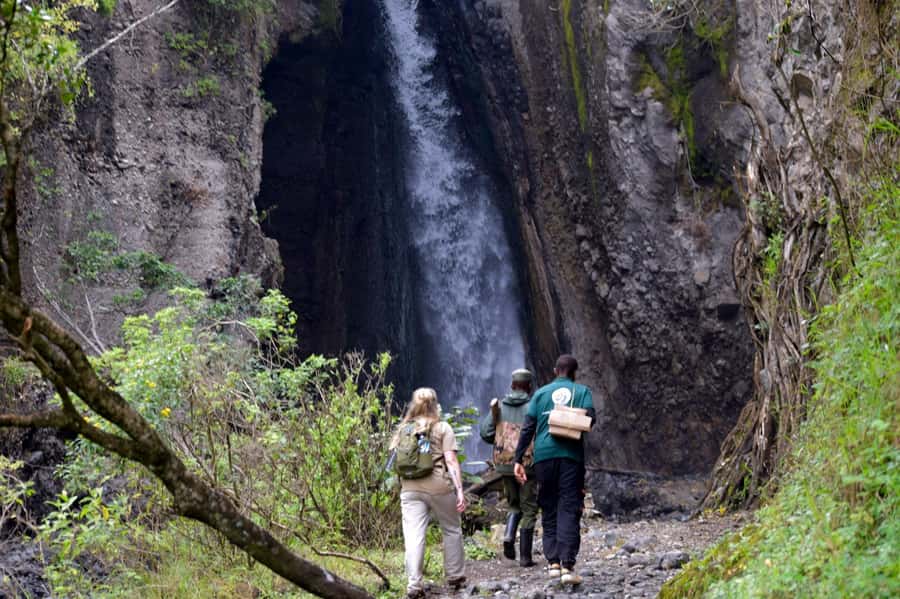
The walking section is the part that needs the clearest choice. You can select an easier three-hour walk on relatively flat ground, or a more demanding six-hour trek toward Mt. Meru’s first base camp.
The three-hour option is the better fit if you want a balanced day with time for both walking and game drives. It includes the waterfalls and can also reach the fig tree, depending on the plan and vehicle used. You should not assume that every minute will involve animals. A ranger walk may focus on plants, tracks, forest, and the physical setting as much as wildlife.
The six-hour route is for people who want the walk itself to be a major part of the day. Reaching the first Mt. Meru base camp gives the outing a stronger mountain character, but it also leaves less time for relaxed driving. Ask for a clear explanation of the route before choosing it, especially if your priority is animal viewing rather than hiking.
The route to the fig tree can involve thick brush and uneven natural ground. One three-hour walk was described as only about 30 minutes of animal watching, followed by a long push through bushes and scrub toward the fig tree. That does not make the route bad, but it shows why you should choose based on your interests.
If you want the most wildlife for your time, I would lean toward the shorter walk and keep both game drives. If you are excited by waterfalls, forest trails, and a distinctive natural landmark, the longer hike may feel more rewarding.
The fig tree arch is worth understanding
The fig tree is one of the outing’s most unusual features. It is large enough for a vehicle to pass through, which makes it more than an ordinary tree beside a trail. It is also a strong photo stop and a clear goal for the walk.
Getting there is part of the story. You are not simply stepping out of the vehicle beside a paved viewpoint. The walk leads through natural vegetation, and the route may feel more like a forest hike than a wildlife walk.
That distinction matters. If you book this outing expecting three straight hours of close animal sightings, the fig tree route may disappoint. If you treat it as a walk through the park that ends at a remarkable natural formation, it makes more sense.
The 4×4 option is especially useful here. It can reach areas that a van cannot, including remote spots near the fig tree. The information provided does not promise that every 4×4 outing avoids all walking, but it does make the vehicle a better match for visitors who want access to more of the park while still taking the shorter walk.
Felix had a particularly strong day with his guide, Moses, and described the hike to the fig tree arch as excellent. That points to an important practical factor: the guide’s organization and judgment can shape the walking portion as much as the route itself.
Same corner of the map, a different park:
- Mikumi National Park Day Trip
★ 5.0 · 76 reviews - MIKUMI NATIONAL PARK – 3 Days
★ 4.5 · 63 reviews - 2 Days 1 Night Mikumi National Park from Dar es salaam
★ 5.0 · 60 reviews - From Zanzibar: Nyerere National Park Game Drive with Lunch
★ 4.3 · 59 reviews
Waterfalls, forest, and the value of walking
The waterfalls are included on both walking choices, which gives the easier route a worthwhile focal point. You leave the vehicle and move through forest trails rather than viewing everything through a window.
A ranger accompanies the walk. That matters for safety, route control, and interpretation, though the supplied details do not specify the ranger’s name or the exact wildlife protocol. Follow the ranger’s instructions closely, especially around animals and thick vegetation.
Walking also changes the pace of the day. In a vehicle, you cover ground and search for movement. On foot, you notice smaller features and hear more of the forest. You may spend less time seeing large mammals, but the park can feel more immediate.
Still, you should not confuse a walking safari with a game drive. The two activities have different strengths. A drive gives you a wider search area and a better chance of covering several animal zones. A walk gives you physical contact with the setting, but it may involve long stretches without major wildlife sightings.
That is why I see the walking section as an addition to the safari, not a replacement for the drives. The strongest version of this day keeps enough time for both.
Lunch in the park and the afternoon drive
Lunch is included and is served in the park, surrounded by forest and wildlife areas. The information does not provide a detailed menu, so you should think of it as a practical midday meal rather than a special food event.
The lunch break matters because the day is long. After a morning drive and several hours on foot, you need time to eat, drink water, and rest before returning to the vehicle. Water is included, which is helpful on a walking day.
The second game drive follows lunch. This is not filler. It gives you a fresh chance to see animals missed earlier and lets you explore the park with a better sense of its different zones.
The afternoon drive was a clear high point for one visitor who saw many giraffes and buffaloes. That experience also shows why the split-drive format works. Even if the walk is more about trees and trails than animals, the later drive can bring the wildlife focus back.
You may also appreciate the changing light later in the day, though no exact viewing conditions are promised. Keep your expectations flexible. A safari is about searching, not collecting guaranteed sightings.
Van or 4×4: which vehicle should you choose?
The van is the straightforward choice for a comfortable, scenic tour. It suits you if you want to spend more time viewing from the vehicle and less time worrying about access to rougher areas.
The 4×4 is the more useful choice for a mixed day. It can reach remote parts of the park that the van cannot, including areas connected with the fig tree. If you choose the shorter walk but still want broader park access, the 4×4 makes particular sense.
The supplied information does not state the vehicle’s seating capacity or whether the group is private. Do not assume a private safari unless your booking confirms it. You should also confirm your preferred vehicle when arranging the outing, since the difference is not cosmetic. It can affect the places you can reach.
Both options include hotel pickup and drop-off. That is valuable around Arusha, since you do not need to arrange separate transport to the park. Pickup and return worked well for one visitor, even though the same person felt the guide’s organization was weak during the day.
What $270 per person really covers
At $270 per person, this is not a cheap park outing. The price becomes easier to judge when you count what is included: hotel pickup and drop-off, park entry, an English-speaking guide, ranger fee, walking fee, lunch, and water.
You are paying for more than transport and a drive. The entry and ranger charges are already handled, and the day combines two safari drives with a guided walk. For someone who wants a single, full day from Arusha without arranging each part separately, that package can offer solid value.
The value is weaker if your only goal is to see as many animals as possible. A dedicated game drive may give you more vehicle time, while this outing spends a significant portion of the day on foot. The cost makes the most sense for you if waterfalls, forest, Mt. Meru, and the fig tree matter along with wildlife.
The overall rating is 4.2 from three reviews, so treat it as a useful signal rather than a final verdict. One five-star experience praised Moses and the hike. A three-star experience praised the pickup, return, and afternoon wildlife, but criticized the rushed morning and the limited animal watching during the walk.
Timing problems to avoid
The clearest warning is punctuality. A late start forced one morning schedule to move quickly through the park so the group could reach the walking gate on time. The ranger then pushed for an earlier start because of the sun.
That kind of pressure can change the whole mood. You may spend the first drive watching the clock instead of watching animals, then feel hurried as you reach the trail.
Ask for the pickup time and planned walking start before the day begins. If you have a choice, protect the morning schedule. The ranger-led walk is not something you want squeezed into a narrow window.
You should also make your priority clear. Say if you care most about wildlife, the waterfalls, the fig tree, or Mt. Meru. That gives the guide useful direction and helps you choose the right walking length and vehicle.
Who will enjoy this day most?
I would recommend this experience to you if you want variety. It suits a first safari day around Arusha, especially if you do not want to sit in a vehicle for eight hours.
It is also a good match for active visitors who like a real walk, not just a short stop beside the road. The six-hour trek is best reserved for people who want the hike to be a main event. The three-hour option works better for a mixed day.
Families and visitors with mobility needs should pay close attention to the chosen route. The activity is listed as wheelchair accessible, but the walking options include trails, waterfalls, and in one case thick brush toward the fig tree. Confirm which portions are accessible for your needs before booking.
I would be more cautious if you have one fixed wildlife goal, such as elephants. Animal sightings are never assured, and the walking segment may devote more time to reaching the fig tree than looking for mammals.
Should you book Arusha National Park’s walking safari?
Book it if you want wildlife plus walking, and if you like the idea of waterfalls, forest, Mt. Meru, and a huge fig tree sharing the same day. The included fees, lunch, water, and transport make the $270 price easier to justify for a full-day outing.
Choose the 4×4 if reaching remote areas is important, and consider the three-hour walk if wildlife is your main goal. Pick the six-hour trek only if you genuinely want a serious hiking day.
I would not book it without confirming the start time, walking route, and vehicle type. The experience can be excellent, as Moses helped show, but the morning needs firm organization. If those details are clear, this is a varied and worthwhile way to see Arusha National Park without spending the whole day behind a window.
FAQ
Where is this experience located?
It takes place in Arusha National Park in the Arusha Region of Tanzania.
How long does the activity last?
The full experience lasts about eight to nine hours.
What wildlife might I see?
Possible sightings include giraffes, elephants, zebras, flamingos, Cape buffaloes, warthogs, bushbucks, baboons, colobus monkeys, and blue monkeys.
Is a game drive included?
Yes. The day includes a game drive at the beginning and another after lunch.
Is a walking safari included?
Yes. A ranger-led walk is included, along with the required walking and ranger fees.
What walking options are available?
You can choose a gentler three-hour walk on flatter ground or a more demanding six-hour trek toward Mt. Meru’s first base camp.
Does the walk include waterfalls?
Yes. Both walking choices include the park’s waterfalls.
Can I visit the fig tree?
The itinerary includes the famous fig tree, which is large enough for a vehicle to pass through. A 4×4 can reach areas near the fig tree that a van cannot.
Is lunch included?
Yes. Lunch and water are included, with the meal taken in the park.
Is hotel transportation provided?
Yes. Pickup and drop-off are included, and pickup is provided in a safari vehicle.
What languages are available?
Live guiding is available in English, Swahili, and French.
Can I cancel the booking?
You can cancel up to 24 hours before the activity for a full refund. The reserve-now-and-pay-later option is also available.
Just added around Tanzania
- From Dar es Salaam: Mikumi National Park Day Trip★ 5.0 · 3 reviews
- Day trip to tarangire national park★ 4.7 · 6 reviews
- Dar Es Salaam: Overnight Safari at Mikumi National Park★ 4.8 · 13 reviews
- Dar es Salaam: Mikumi National Park Day Trip with Lunch★ 4.5 · 4 reviews
- Dar el Salam: Full-Day Mikumi National Park Tour★ 4.4 · 4 reviews
- Arusha: Tarangire National Park Full-Day Wildlife Safari★ 4.8 · 6 reviews
- Arusha National Park Full-Day Safari★ 4.8 · 25 reviews
- Arusha National Park Day Tour with All-Inclusive★ 3.7 · 5 reviews
National Park Safaris, compared.
From Johannesburg: Pilanesberg Nature Reserve Game Safari
Read our review →
East Coast National Park: Half-Day Caves Jeep Safari
Read our review →
Addo Elephant National Park All Inclusive Full-Day Safari
Read our review →
Yala National Park Safari Tours: Morning/Evening/Full Day
Read our review →
Full Day Ultimate Pilanesberg National Park Safari from Johannesburg or Pretoria
Read our review →
Udawalawe National Park: Elephant Safari with Expert Guide
Read our review →Browse the lists this tour appears in