
REVIEW · SPAIN
Donana National Park and El Rocío: Guided Tour from Seville
Wild Spain begins just beyond Seville. This full-day outing combines Doñana National Park, bird-filled marshes, pine forest, Atlantic dunes, and the striking village of El Rocío in one long but varied day. I especially like the chance to see several sides of the region without renting a car, and I like the small-group format, capped at 15 people.
The strongest guides, including José, Sergio, Ramón, and Patricia, add real value with their knowledge of birds, plants, mammals, and local traditions. The main drawback is consistency: some departures use a comfortable new 4×4, while others put six people into cramped rear seats. English explanations can also become brief when Spanish-speaking participants are in the group.
Key points to know before booking
- The day covers marshes, rice fields, forest, dunes, beach, and village streets, so you get a broad introduction to the Doñana region rather than one long walk.
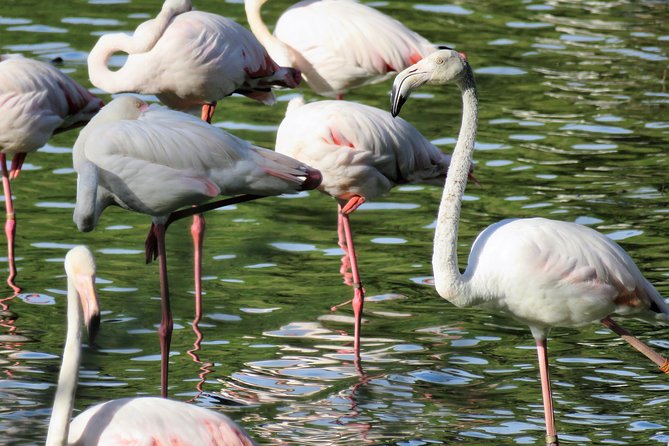
- Birdwatching is the reliable highlight, with possible sightings of flamingos, spoonbills, white storks, ducks, geese, grebes, and many other species.
- The Iberian lynx is a possibility, not a promise. A few lucky departures have seen one, but wildlife remains wild and sightings vary by season and weather.
- El Rocío feels unlike any other Andalusian town, with sandy streets, horses, and the whitewashed chapel of the Virgin of El Rocío.
- The 4×4 ride can be excellent or uncomfortable, depending on vehicle capacity, seat assignment, road conditions, and which park areas are open.
- Bring lunch money, sun protection, and a camera with a useful zoom, but do not expect every stop to offer close wildlife views.
Why Doñana makes a worthwhile day from Seville
Doñana is one of Europe’s important wetland areas, and its appeal comes from variety. Marshes attract water birds. Rice fields near the Guadalquivir River provide food and water. Pine forests shelter mammals, while the coast holds one of Spain’s largest dune systems.
That variety makes this a good choice if you want more than a standard city tour. In one day, you can move from agricultural fields to open wetlands, then to a traditional pilgrimage village, a forest trail, the Atlantic coast, and a sandy interior road.
I also like the fact that you are not locked into a single activity. You walk, ride, look for birds, visit cultural sites, and stop at the beach. The pace is active, but the walking sections are short enough for most people who can manage ordinary paths. The total day lasts about 10 hours, so you should treat it as a full excursion rather than a quick side trip.
More Guided Trips in Spain:
- Tenerife: Teide National Park Guided Buggy Tour
★ 4.7 · 609 reviews - Donana National Park: Guided Day Tour from Seville
★ 4.5 · 372 reviews - Teide National Park: Guided Large Telescope Stargazing Tour
★ 4.9 · 319 reviews
Morning pickup and the road toward the rice fields
Pickup is arranged from central Seville, with listed points around Calle Trajano, Hotel Don Paco, Plaza Padre Jerónimo de Córdoba, and Calle Rastro. The wording about hotel pickup can be a little optimistic. In practice, you may be assigned a nearby meeting point rather than collected at your door, so check the exact instructions carefully and allow extra walking time.
The group usually leaves early. That helps fit the many stops into the day, but it also means you should not count on a leisurely breakfast before departure. One departure was moved earlier, which left little time for coffee. Arrive early, too. The company is serious about departure times, and repeated calls can make a punctual person feel late.
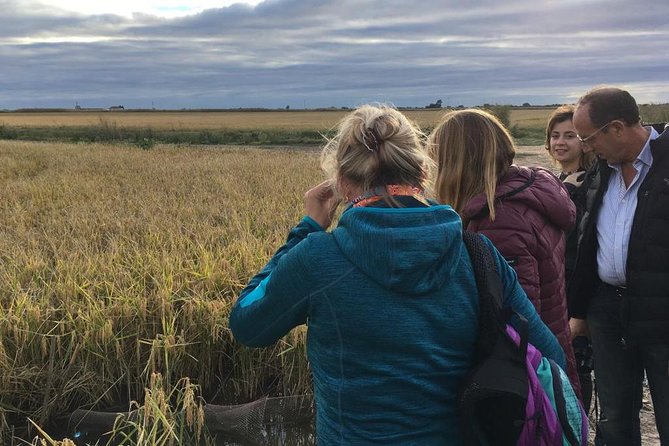
The first major stop is around Puebla del Río and the Guadalquivir marshes. The nearby rice fields are important because they retain water through much of the year, giving birds a dependable feeding area. This is a useful introduction to Doñana because you see how farming and wildlife share the same broad wetland zone.
The bird count here can be impressive. Around 300 species have been recorded across the marshes, pine woods, and pasture areas. That does not mean you will see 300 species in a morning, of course, but it explains why a guide with a good eye can make the stop far more interesting.
Dehesa de Abajo and Europe’s white storks
At Dehesa de Abajo, old olive trees and oaks frame an area used by large numbers of birds. The main attraction is the white stork colony, described as Europe’s largest. The sight of storks nesting together is one of the clearest wildlife moments on the tour.
This is also where your guide matters most. José and Ramón have been praised for spotting birds and explaining what you are seeing. Sergio has also received strong praise for identifying mammals and choosing viewing points. The best guides do not simply point toward a bird. They explain the habitat, behavior, and reason the species is present there.
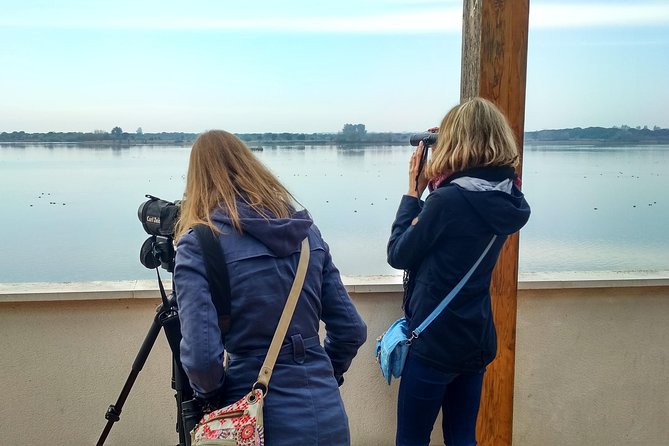
Bring binoculars if you have them. A camera with a long lens helps, but even without one, the spectacle of storks in the trees is easy to appreciate. The stop lasts about an hour, which gives you time to look around without turning the visit into a rushed photo stop.
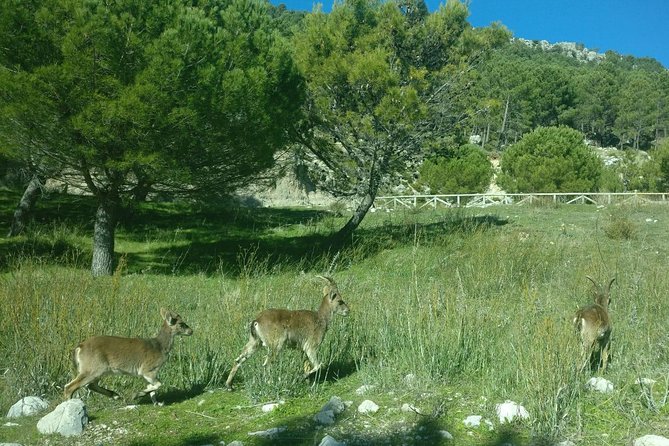
The tradeoff is that this is a nature excursion, not a zoo visit. You might see flamingos, spoonbills, ducks, geese, grebes, larks, swallows, stonechats, deer, rabbits, or wild horses. You might also see very little. October can be quieter for some animals, and changing water levels affect bird numbers.
El Rocío, where the streets turn to sand
El Rocío is the cultural center of the day. The town has sandy streets instead of ordinary paved roads, and horses are part of its character. The atmosphere feels tied to the annual pilgrimage to the chapel of the Virgin of El Rocío, when large numbers of people make their way here from across Andalusia.
You get time to visit the hermitage and walk around the village. I find this stop valuable because it breaks up the wildlife viewing with a look at a living local tradition. El Rocío is not a polished historic center designed only for sightseeing. Its sandy roads and horse traffic give it a practical, slightly untidy character that makes the place memorable.
Some people wish for more time here. The stop lasts about an hour, and the schedule has many other elements to fit in. If El Rocío is your main reason for booking, you may find the visit too short. If you want a taste of the village as part of a wider nature day, the timing works better.
A few more park trips around Spain worth a look
- Tenerife: Teide National Park Sunset & Stargazing Tour
★ 4.2 · 3,812 reviews - Tenerife: Sunset and Stargazing at Teide National Park
★ 4.7 · 2,826 reviews - Teide National Park Sunset & Stargazing with Dinner (Star Safari)
★ 5.0 · 2,601 reviews - Teide National Park: Sunset & Stargazing Safari with Dinner
★ 4.6 · 2,115 reviews
Palacio del Acebrón and the La Rocina trail
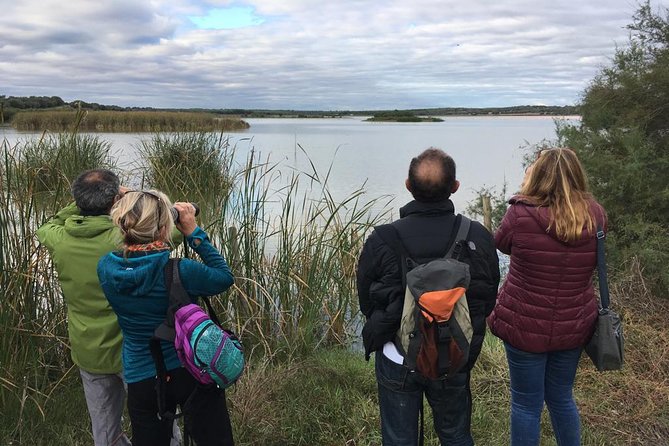
The Palacio del Acebrón sits beside the Arroyo de la Rocina, and the visit adds architecture and shade to the day. The stop is brief, around 30 minutes, so think of it as a short cultural pause rather than a full palace tour.
The nearby La Rocina area brings you back to the park’s natural side. You take a circular walk and learn to read animal tracks, identify local plants, and notice details that are easy to miss from a vehicle. This is one of the better parts of the experience if you enjoy slowing down and looking closely.
The walk is not presented as a demanding hike. It is a guided nature route, and the planned time is about an hour. Wear shoes suitable for uneven paths, and bring water. The day can be hot, exposed, or dusty, depending on the season.
The guide’s language balance matters here. Several departures have included both English and Spanish speakers. Some guides have given long explanations in Spanish and only short summaries in English. If you book this experience for its natural interpretation, confirm that the English portion will be properly included and ask questions when you need clarification.
Lunch: useful break, uneven quality
Lunch is not included, and the group usually stops at a local restaurant. This is practical because a 10-hour day needs a proper break, but the meal is not a reason to book the tour.
Food and service have received mixed reactions. Some guides chose a pleasant place with welcoming staff, while Casa Matías was specifically not recommended by one person. Vegetarian choices have also been described as limited on at least one departure.
I would carry a small snack in case the meal does not suit you, but do not expect to eat independently if the schedule keeps the group together. The lunch stop is mainly a chance to rest, eat, and prepare for the afternoon.
Matalascañas and Spain’s great dune system
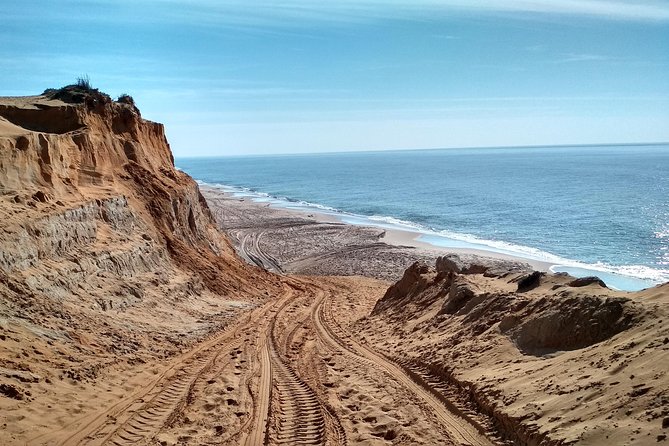
After lunch, the tour reaches the coast at Matalascañas. Here you see the coastal side of Doñana, including the dunes that shift and change shape over time. The beach stop usually lasts about an hour, and one departure allowed enough time for a swim.
This is a welcome change after several hours of marshes and forest. You get open views, sea air, and a chance to stretch your legs. Pack swimwear if you are visiting in warm weather and the conditions allow it, but remember that this is a sightseeing stop, not a full beach day.
Not everyone thinks the coast deserves an hour. Some people would rather spend that time inside the national park, walking or looking for animals. I can understand both views. The beach gives the day variety, but wildlife enthusiasts may prefer a longer stay in the park.
The afternoon 4×4 search for mammals
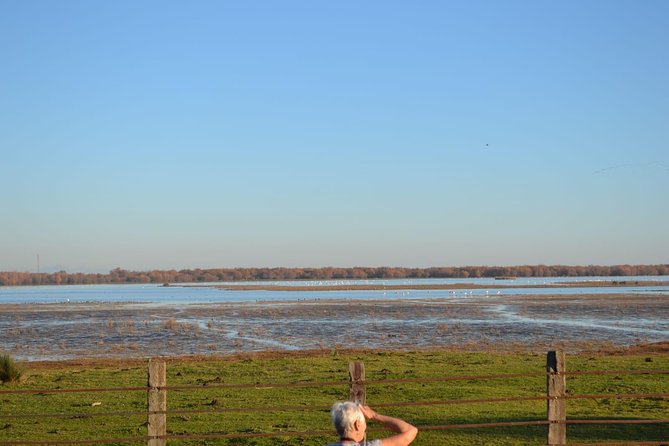
The final major section is the 4×4 ride through the forested parts of Doñana on the return toward Seville. This is the part most likely to create high expectations. The possibility of seeing red deer, wild boar, rabbits, wild horses, and the Iberian lynx is exciting, but none of these sightings is guaranteed.
A few fortunate departures have seen a lynx, including a young cub. That is a remarkable result, but it should be treated as luck rather than a standard feature. Guides can know where animals have recently appeared, yet wildlife can vanish before the vehicle arrives.
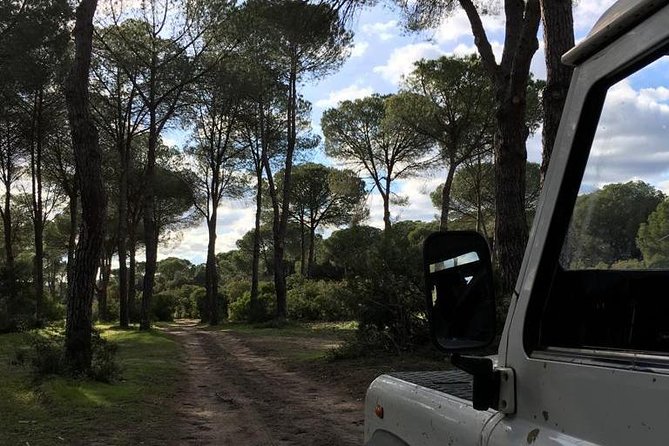
The 4×4 ride itself can be great fun, especially after rain, when the vehicle splashes through puddles and reaches rougher tracks. However, access can change with weather. Some routes have closed for safety, and one disappointing departure spent much of the afternoon on public roads and peripheral areas instead of crossing the expected forest zone.
This is the single biggest practical warning I would give you: ask about current access conditions before booking or shortly before departure. If parts of the park are closed, the experience may shift toward roadside viewing, smaller parks, and the beach.
Comfort, group size, and the best seat
The tour is advertised as a small group, with a maximum of 15 people, but vehicle layout matters more than the headline number. Some groups use a minivan rather than a jeep. Other departures have placed six people in a Toyota 4×4, with cramped rear seats, small windows, and limited room for cameras.
If you care about photography, seating is important. The back rows can provide poor views, especially when windows are small or dirty. One useful solution is to agree on a rotation for the front seat at the beginning, so the same person does not get the best view all day.
Expect a fair amount of driving. The park is large, and the tour covers a wide area. If you need frequent legroom or dislike winding roads, ask about the vehicle before confirming. At its best, the 4×4 feels like part of the adventure. At its worst, it can make the day tiring.
Guides make or break the experience
The most praised guides are José, Sergio, Ramón, and Patricia. José has been especially appreciated for identifying birds, mammals, reptiles, insects, and plants. Sergio has been praised for his care, wildlife knowledge, and success finding a lynx. Ramón is a strong choice for birdwatching, while Patricia has been described as warm and helpful.
The guide is not just a driver. A good one tells you why a rice field matters, how to recognize tracks, where to scan for storks, and what kind of habitat you are passing. Without that interpretation, the day can feel like a long vehicle ride with scattered stops.
The language issue deserves attention. This experience is offered in English, but mixed-language groups can lead to uneven explanations. Some guides switch between Spanish and English well. Others answer Spanish questions at length and give English speakers only a quick summary. If clear English commentary is essential, ask the operator about the language setup for your date.
Is $107.68 good value?
At $107.68 per person, I consider this fair value for a 10-hour small-group outing that includes transport from Seville, a professional guide, a 4×4 vehicle, and several different settings. Renting a car, organizing park access, finding the marshes, reaching El Rocío, and driving to the coast would take effort and still might not provide the same wildlife guidance.
The value drops if your vehicle is crowded, the English commentary is weak, or park closures remove the main 4×4 section. You are paying for access, transport, and interpretation, not for guaranteed animal sightings.
I would book it if you want a broad introduction to Doñana and prefer not to drive. I would be more cautious if your only goal is the Iberian lynx, a long hike, or serious wildlife photography.
Who should book this day trip?
I think this excursion suits you best if you:
- Have a full day available from Seville
- Like combining wildlife, village culture, and coastal scenery
- Enjoy birds and are willing to accept uncertain sightings
- Prefer a guide and shared transport to driving yourself
- Can handle a long day with several vehicle sections
- Want to see El Rocío without arranging separate transport
You may prefer another option if you need guaranteed English interpretation, dislike cramped vehicles, want a relaxed beach day, or would rather spend the entire day walking in the park.
The cancellation terms are helpful: you can receive a full refund if you cancel at least 24 hours before departure. Poor weather or failure to reach the minimum group size can also lead to a new date or refund.
Should you book the Doñana and El Rocío tour?
I would book this tour for variety and convenience, especially if birds interest you and you want to see a side of Andalusia far beyond Seville’s monuments. The white stork colony, sandy streets of El Rocío, Atlantic dunes, and chance of seeing wild mammals create a memorable mix.
I would not book it expecting a guaranteed lynx, a quiet private nature drive, or perfect English commentary in every mixed-language group. Before paying, confirm the pickup point, vehicle type, current park access, and language arrangements. With those details clear, this is a worthwhile day for curious nature lovers who understand that the best wildlife moments are never fully scheduled.
FAQ
How long is the Doñana and El Rocío tour?
The experience lasts approximately 10 hours, including transport from Seville, nature stops, the village visit, lunch, the beach, and the return journey.
What is included in the price?
The price includes a professional driver and guide, shared round-trip transport, 4×4 transportation, and pickup and drop-off service for most downtown Seville hotels.
Is lunch included?
No. Food and drinks are not included, so you should budget separately for lunch.
Will I definitely see an Iberian lynx?
No. The lynx is a possible sighting, not a guarantee. Some departures have seen one, while others have seen deer, wild horses, birds, rabbits, or little wildlife at all.
Is the tour conducted in English?
The experience is offered in English, but mixed-language groups can affect how much English explanation you receive. Some departures have included both Spanish and English commentary.
Where does the tour start?
The listed starting point is C. Rastro, 12a, 41004 Sevilla, Spain. Pickup points may also include Calle Trajano, Hotel Don Paco, and Plaza Padre Jerónimo de Córdoba, depending on your accommodation.
Is the beach stop long enough to swim?
The beach visit lasts about one hour. One departure allowed time for swimming, but conditions and the exact schedule can vary.
How many people can join the tour?
The maximum group size is 15 people. The vehicle used may be a minivan or a 4×4, and rear seating can be tight when the vehicle is full.
Can I cancel for a refund?
You can cancel for a full refund if you cancel at least 24 hours before the scheduled start time. Changes or cancellations made less than 24 hours before departure are not accepted for a refund.
Just added around Spain
- From Barcelona: Horseback Tour in Montserrat National Park★ 4.6 · 112 reviews
- Tenerife: Sunset Teide National Park & Photos★ 4.1 · 14 reviews
- Explore the Nerja National Park nature in our open-top jeeps★ 4.8 · 4 reviews
- Ebro Delta National Park: Scenic Drive and Kayaking Tour★ 4.1 · 5 reviews
- El Rocío: Doñana National Park Horseback Riding Tour★ 3.5 · 35 reviews
- Electric mountain bike in Sierra de las Nieves national park★ 4.6 · 5 reviews
- Ebro Delta National Park: Guided Horseback Riding Tour★ 3.8 · 17 reviews
- Alcudia: Llevant Peninsula Nature Reserve Private Boat Tour★ 5.0 · 14 reviews
Spain National Park Tours, compared.
Tenerife: Teide National Park Sunset & Stargazing Tour
Read our review →
Tenerife: Sunset and Stargazing at Teide National Park
Read our review →
Teide National Park Sunset & Stargazing with Dinner (Star Safari)
Read our review →
Teide National Park: Sunset & Stargazing Safari with Dinner
Read our review →
Lanzarote: Timanfaya National Park Volcanic Craters Tour
Read our review →
Tenerife: Teide National Park Full-Day Tour with Pickup
Read our review →
Tenerife: Quad Adventure Tour in Teide National Park
Read our review →
Arrecife/Playa Blanca: Timanfaya National Park Area Day Tour
Read our review →Browse the lists this tour appears in