
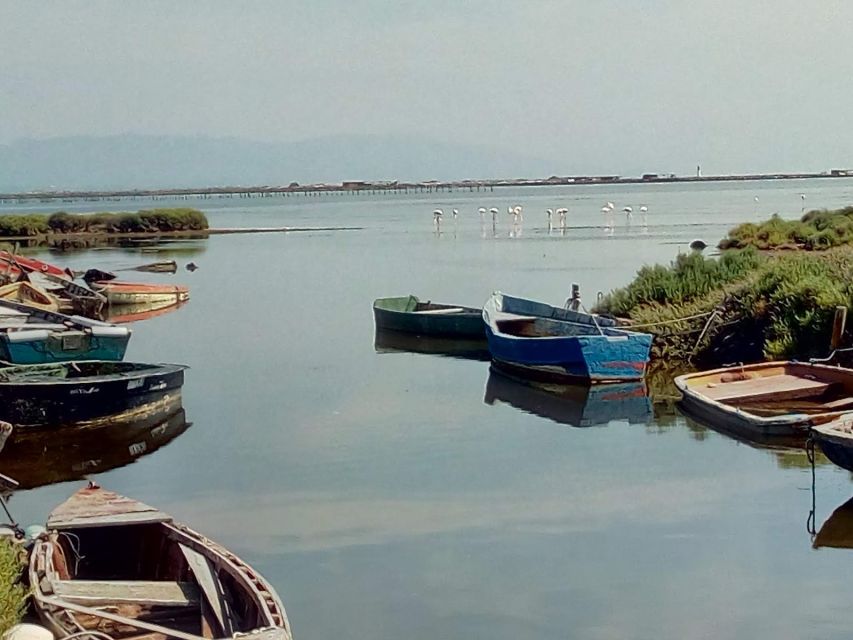
REVIEW · SPAIN
From Deltebre: Ebro Delta National Park Multi-Stop Day Trip
The delta keeps its best secrets low. This three-hour private tour from Deltebre makes the Ebro Delta understandable fast, with a local guide, a close look at rice farming, and several stops across the northern wetlands. I especially like the small private group and the chance to adjust the route for birdwatching. The main drawback is that this is not a full-day outing, so the experience moves briskly and leaves little time for long walks.
I also like the mix of nature and working life. You are not simply driven past fields and water. You stop to discuss rice production, cycling routes, invasive species, birds, salt-tolerant plants, mussels, and oysters. The one-kilometre walk at Illa de Mar adds real time outdoors, though people with mobility impairments should choose another activity.
Key points at a glance
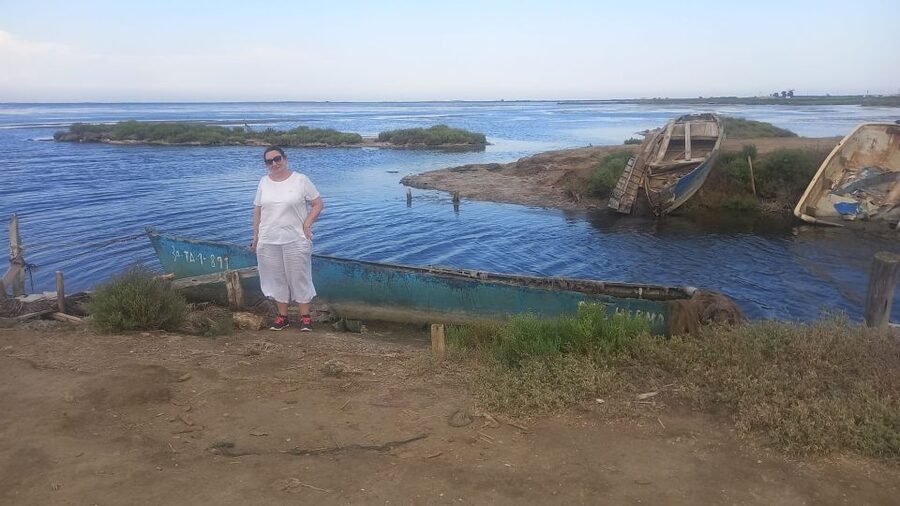
- A private car tour for up to four people: The price is $177 per group, not per person, which can be good value for a small party.
- Birdwatching with room to adapt: Guide Pep adjusted the route for one couple who wanted to spot as many birds as possible.
- Rice country explained on the road: The tour connects the delta’s fields, water systems, farming, and environmental problems.
- A short walk with a wide payoff: The one-kilometre route at Illa de Mar leads to a viewpoint over mussel beds and Fangar Peninsula.
- Local shellfish and unusual plants: The route includes discussion of oysters and mussels, plus a stop to taste a salty plant.
- Useful first introduction: It covers the main ecosystems in only three hours, making it a practical orientation for a first visit.
Why this short Ebro Delta tour works
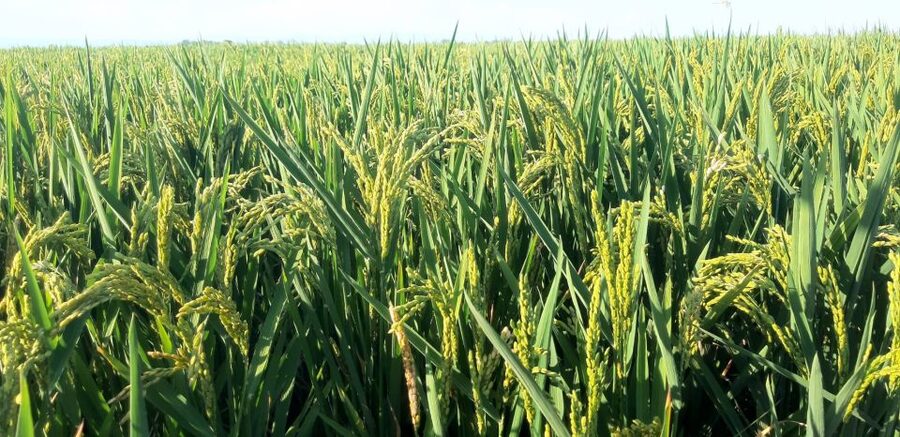
The Ebro Delta can look simple at first: flat fields, open water, reeds, birds, and long roads. The trouble is that a flat wetland does not explain itself. Without some local context, you may see rice paddies without understanding how much water control they require, or spot birds without knowing why they gather there.
This tour gives you that context while moving through the northern part of the delta. A guide accompanies you in a private car from the Ecomuseum of the Natural Park of the Ebro Delta to the north bay of El Fangar, then through the bayshore area and Illa de Mar before returning to the museum.
I like the format because it avoids a common problem with short nature outings. You get more than one viewpoint, but you do not spend the whole time walking in the heat or waiting for transport. The car covers about six kilometres, and the walking section totals about one kilometre.
The experience is best understood as a geographic introduction. It is not a long birding expedition, a strenuous hike, or a cooking class. It is a compact route through nature, agriculture, and fishing, with the guide linking each subject to the place in front of you.
More National Park Day Trips in Spain
- Tenerife: Teide National Park Full-Day Tour with Pickup
★ 4.5 · 1,613 reviews - Arrecife/Playa Blanca: Timanfaya National Park Area Day Tour
★ 4.4 · 856 reviews - From Seville: Doñana National Park Day Trip
★ 4.3 · 380 reviews
Starting at the Ecomuseum in Deltebre
The meeting point is at the door of the Ecomuseum of the Natural Park of the Ebro Delta, in front of the map. That is a useful start because the map gives you a basic sense of the delta before you get in the car.
The museum also frames the tour well. You begin with the protected area and then head into the actual territory, where farming, wetlands, bays, and fishing activity sit close together. If you arrive early, use the map to get your bearings and wear shoes that will handle both the vehicle stops and the walk.
The tour is offered in English, French, Catalan, and Spanish. That range matters in a region where local terms and farming practices can be hard to follow if the explanations are rushed. The strongest comments about the guides focus on clear information, friendly manner, and the ability to respond to individual interests.
Guides named in the feedback include Pep, David, and Anabel. Pep received particular praise for his preparation and for adapting the route to suit birdwatching. David was also credited with taking time to explain the rice fields, vegetation, and birds, while Anabel was remembered for her warm, approachable personality.
Rice, cycling, and the working delta
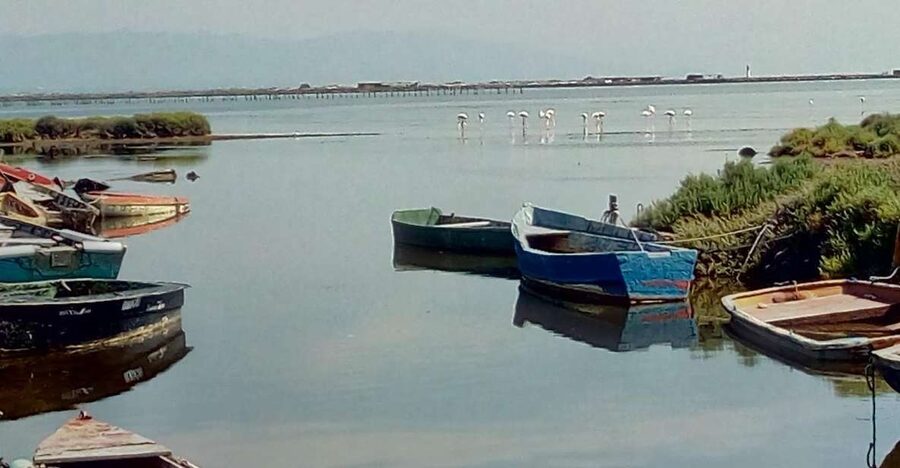
Once you leave the museum, the car route introduces the northern delta through its human uses as well as its natural areas. Rice production is a central subject, and the guide explains how the crop fits into the local environment.
That is one of the most valuable parts of the tour. Rice is not just scenery here. It helps shape the water system, the appearance of the fields, and the seasonal rhythm of the area. You get a clearer idea of why the delta looks the way it does, rather than treating the paddies as empty green space.
The guide also discusses cycling and invasive species. These may sound like side topics, but they help show the pressures and pleasures of the area. Cycling is one way people experience the flat terrain, while invasive species point to the environmental challenges facing a wetland.
I appreciate this kind of explanation because it keeps the delta from being presented as a postcard nature reserve. It is a working place. Agriculture, wildlife, tourism, and conservation all share the same limited ground and water.
The car makes these stops manageable, especially in warm weather. You can see several parts of the area without committing to a long cycle ride or a demanding walk. The trade-off is that car travel can feel less intimate than spending hours on foot. This tour compensates by stopping to explain what you are seeing.
Birdwatching without turning it into a specialist outing
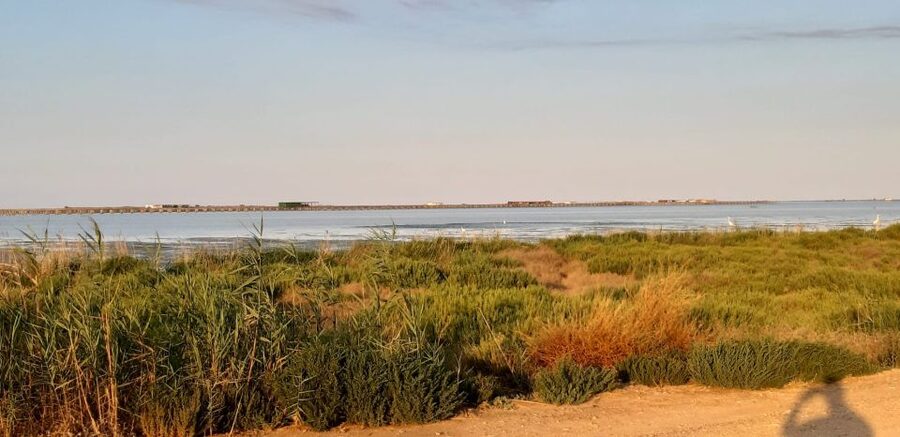
Birdwatching is built into the route, not added as a rushed extra. At suitable points, you stop to look for different bird species and hear about the kinds of birds found in the Ebro Delta.
You should keep your expectations sensible. The tour does not promise a specialist birding session with a long equipment list or a fixed species count. It offers a general introduction, with the guide helping you notice and understand the birds in the wetland.
That flexibility is a real advantage. Pep reportedly changed the route to help a couple get more from their birdwatching time. If birds are your main reason for booking, say so clearly when arranging the tour. The private format gives the guide more room to respond than a large shared excursion would.
Bring comfortable clothes and shoes. Binoculars are not listed among the included equipment, so you should not assume they are provided. If you already own a compact pair, this is the sort of outing where they could make the stops more rewarding, though the tour information does not require them.
The season and weather will affect what you see. The available feedback shows strong comments from visits in spring, summer, and autumn, with repeated praise for bird explanations. Still, this is a nature outing, not a guaranteed wildlife performance. The birds decide the schedule.
Same corner of the map, a different park:
- Tenerife: Teide National Park Sunset & Stargazing Tour
★ 4.2 · 3,812 reviews - Tenerife: Sunset and Stargazing at Teide National Park
★ 4.7 · 2,826 reviews - Teide National Park Sunset & Stargazing with Dinner (Star Safari)
★ 5.0 · 2,601 reviews - Teide National Park: Sunset & Stargazing Safari with Dinner
★ 4.6 · 2,115 reviews
Fangar Bay and its salty plant
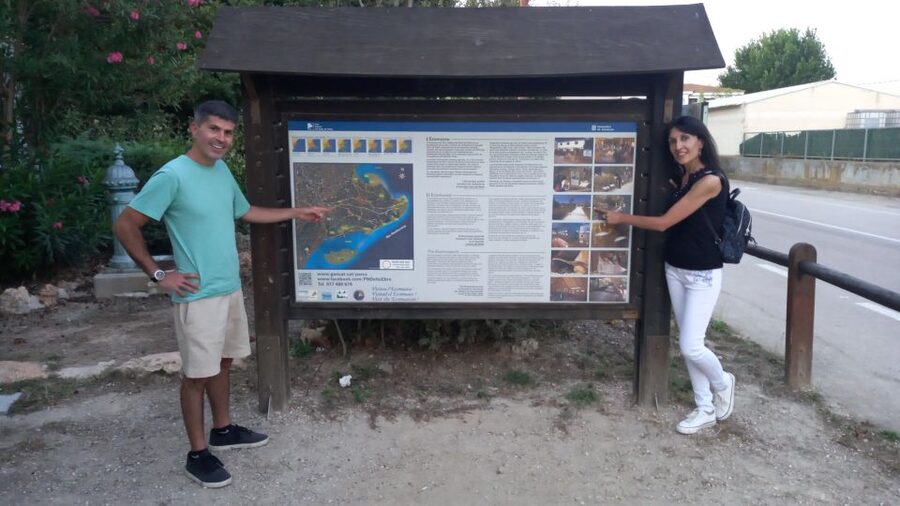
The route continues toward Fangar Bay, one of the most distinctive sections of the trip. Here, the tour introduces a salt-tolerant plant with a special salty taste.
This is a small detail, but it gives the visit a sensory edge. You are not only looking across the bay. You get a direct connection to the conditions that shape plant life there. The stop also helps explain that the delta contains different kinds of wetland, rather than one uniform habitat.
The bay is part of the tour’s larger geographical lesson. Water, salt, mud, rice fields, and shellfish production all appear within a short distance. A guide can point out those relationships as you go, which is much more useful than seeing each feature in isolation.
The route follows the shore of the bay before reaching the Illa de Mar wetland. Keep in mind that the itinerary is compact. You will make stops for explanations and observation, but this is not designed for lingering at every point. If you prefer a slow day with long pauses for photography, the three-hour format may feel tight.
The Illa de Mar wetland walk
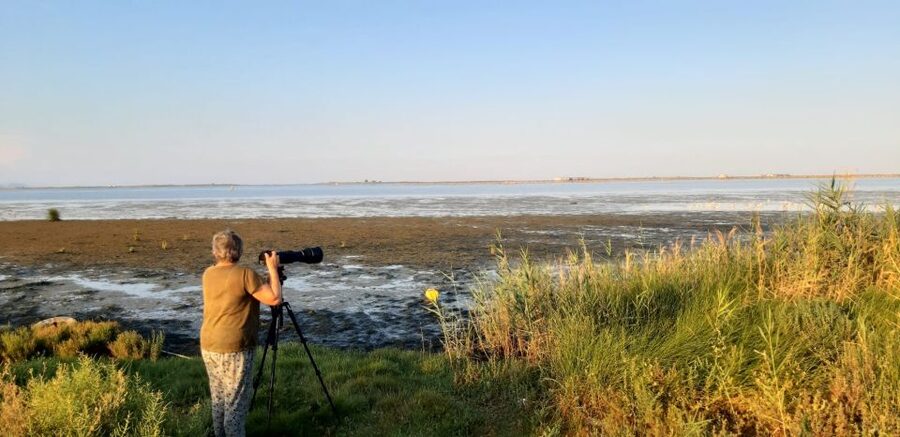
At Illa de Mar, you leave the car for the main walking section. The walk covers about one kilometre in total and leads to a viewpoint.
This is the moment when the tour feels most open. From the viewpoint, you can see the mussel beds and the broad reach of Fangar Peninsula. The view gives physical scale to the delta, which can otherwise be difficult to grasp from a road or field edge.
The walk is short, but comfortable footwear still matters. High heels are not allowed, and the activity is not suitable for people with mobility impairments. The information provided does not describe the path in detail, so you should be prepared for a natural wetland route rather than a fully accessible paved promenade.
I like that the walk is brief but purposeful. You are not asked to hike for hours just to reach a view. At the same time, it gives you enough time outside the car to hear the wetland, observe its open character, and understand how the bays and peninsula fit together.
For photographers, this is likely one of the best stops, especially if you want a broad view rather than close-up bird images. The tour’s strength is variety, and this viewpoint supplies the large-scale scene.
Mussels, oysters, and the Illa de Mar fishing port
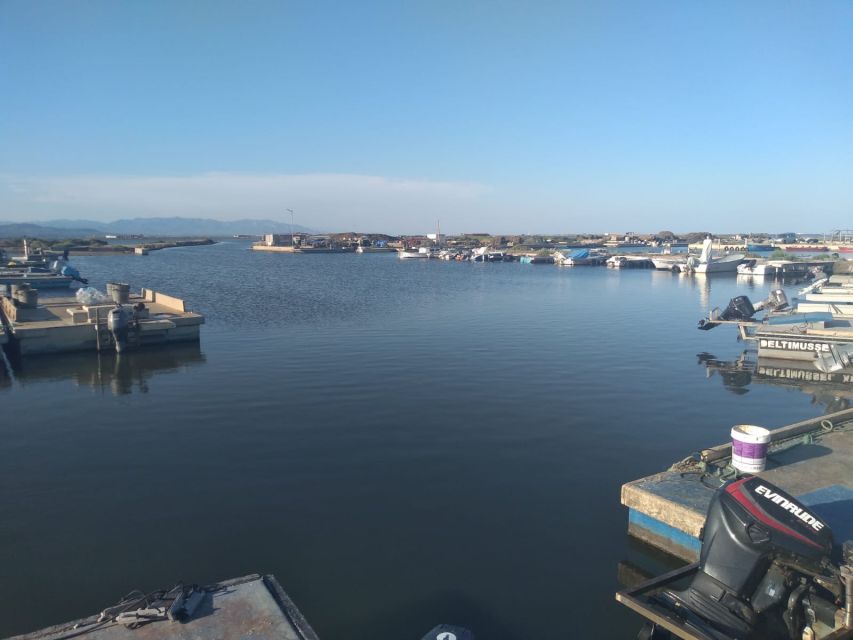
The last major stop is the Illa de Mar fishing port. Here, the guide discusses mussel and oyster production, bringing the tour back to the people who work in the delta.
This is an important ending. After seeing rice fields and bird habitat, you learn how shellfish production uses the bay. The delta is not simply protected nature, and it is not simply farmland. The fishing port makes that balance visible.
The stop also gives the route a clear progression. You begin at the natural park museum, move through agriculture and wetlands, visit Fangar Bay, look down on mussel beds, and finish by talking about the food produced in those waters.
Food is present in a quiet, local way. You learn about mussels and oysters and taste a salty plant, but the tour does not include a meal or a formal tasting menu. If you want a full food experience, plan that separately.
After the port, you return by car to the Ecomuseum. The return completes the loop and keeps the total duration to about three hours.
Private group value at $177
The listed price is $177 for a private group of up to four people. That works out to about $44.25 each if four people share the cost. For one or two people, the per-person price is higher, but you are paying for a private guide and car rather than joining a large group.
This format is especially useful if your party has a clear interest. Birdwatchers can ask for more time with birds, while a family or first-time visitor may prefer more explanation about rice, plants, and fishing. The available feedback shows guides adjusting the outing around where people were staying and what they wanted from the day.
The price does not include tickets. The information does not identify a separate paid attraction on the route, so clarify what, if anything, you would need to pay for before departure. The core vehicle tour and local guide are included.
The main value is not the distance covered. Six kilometres by car is modest. The value comes from having someone explain why the area matters and from seeing several ecosystems without arranging your own route.
Who should book this experience
I would choose this for a first visit to the Ebro Delta, especially if you have only a morning or afternoon available. It gives you a useful overview before you decide if you want to return for cycling, longer walks, or more focused birdwatching.
It also suits couples, families, and small groups of friends who prefer a private outing. The four-person limit keeps the group personal and gives you a better chance to ask questions.
Birdwatchers should consider it if they want a flexible introduction rather than a full specialist day. Mention that interest in advance, since the guide may be able to shape the route around it.
I would be more cautious if you want a strenuous outdoor adventure, a long hike, or a full day devoted to one subject. The walk is short, the driving distance is limited, and the tour covers many topics in a compact period.
The activity is also not suitable for people with mobility impairments. Everyone else should bring comfortable shoes and clothes, and avoid high heels.
Should you book the Ebro Delta tour?
I would book it if you want the essential structure of the Ebro Delta in three hours: rice fields, birds, wetland, Fangar Bay, shellfish production, and a short walk to a broad viewpoint.
The strongest reason to choose it is the guide-led interpretation. Pep, David, and Anabel were all praised for being prepared, friendly, and attentive to personal interests. That matters in a place where the scenery is wide and subtle, and where the best details are easy to miss.
Choose another format if you want a slow, independent day or an extended nature walk. But for a private introduction with a sensible route, strong guide involvement, and a price that can work well for four people, this is a smart way to meet the delta.
FAQ
Where does the Ebro Delta tour meet?
The meeting point is at the door of the Ecomuseum of the Natural Park of the Ebro Delta, in front of the map.
How long does the experience last?
The tour lasts three hours, including the car route, stops, birdwatching, explanations, and the short walk at Illa de Mar.
How many people can join the private group?
The price covers a private group of up to four people.
Which languages are available?
The tour is available in English, French, Catalan, and Spanish.
How much walking is involved?
The tour includes about six kilometres by car and a short walk of about one kilometre in total.
What should I bring?
Bring comfortable shoes and comfortable clothes. High-heeled shoes are not allowed.
More Day Trips in Spain
- From Tenerife: Teide National Park Guided Day Trip by Bus
★ 4.2 · 88 reviews - From Madrid: Day Trip to Guadarrama National Park
★ 4.5 · 65 reviews - Tenerife: Quad Day Trip Teide National Park
★ 4.9 · 14 reviews - From Manapouri: Doubtful Sound Wilderness Day Trip
★ 4.8 · 1,621 reviews
Just added around Spain
- Full Day Hiking in Picos de Europa National Park★ 5.0 · 5 reviews
- Timanfaya National Park Morning Tour★ 5.0 · 2 reviews
- Tenerife: Teide National Park & Teno Rural Park Private Tour★ 5.0 · 35 reviews
- Tenerife: Scuba Diving Lesson and Abades Protected Area Dive★ 5.0 · 17 reviews
- Tenerife: Quad Day Trip Teide National Park★ 4.9 · 14 reviews
- Tenerife: Stargazing Walk in Teide National Park★ 4.8 · 28 reviews
- From Tenerife: Teide National Park Guided Day Trip by Bus★ 4.2 · 88 reviews
- Tenerife: Private VIP Tour Teide National Park★ 4.7 · 15 reviews
National Park Day Trips, compared.
Yosemite Highlights & Giant Sequoias Day Tour from San Francisco
Read our review →
Plitvice Lakes National Park Guided Day Tour from Split
Read our review →
From Manapouri: Doubtful Sound Wilderness Day Trip
Read our review →
Tenerife: Teide National Park Full-Day Tour with Pickup
Read our review →
Split: Krka National Park Day Trip with Boat Ride & Swimming
Read our review →
Canyonlands National Park Half-Day Tour from Moab
Read our review →
Best of Olympic National Park from Seattle: All-Inclusive Small-Group Day Tour
Read our review →
Montenegro: Full-Day Tour to Lovcen National Park & More
Read our review →Browse the lists this tour appears in