
REVIEW · SPAIN
From Seville: Doñana National Park Day Trip
Nature gets the whole day. This 10-hour trip from Seville takes you across Doñana’s marshes, pine woods, dunes, beaches, and open country. I especially like the wide range of habitats and the chance to see birds such as flamingos, storks, egrets, and imperial eagles. Guides including José, Sergio, Luismi, and Patricia have earned strong praise for spotting wildlife and explaining the park in a lively way. The main drawback is simple: you spend a lot of time in a vehicle, and some stops can feel short.
I also like that the route covers both the northern and southern parts of Doñana instead of giving you just one quick look. You visit El Rocío, walk near La Rocina, reach Matalascañas and its beach, and pass through the Asperillo dunes. Just keep your expectations sensible: a lynx sighting is possible but far from certain, and one traveler saw only pawprints.
Key points to know before booking
- Doñana in one long day: The route covers marshes, rice fields, pine forests, dunes, beaches, and the village of El Rocío.
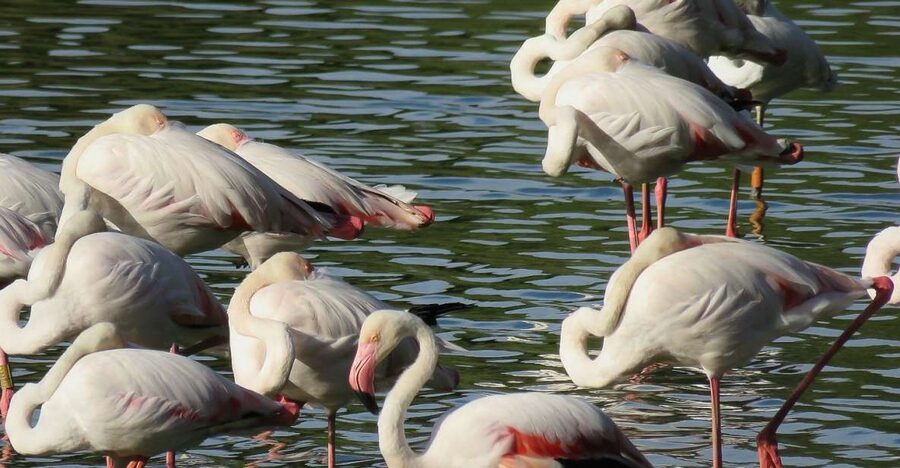
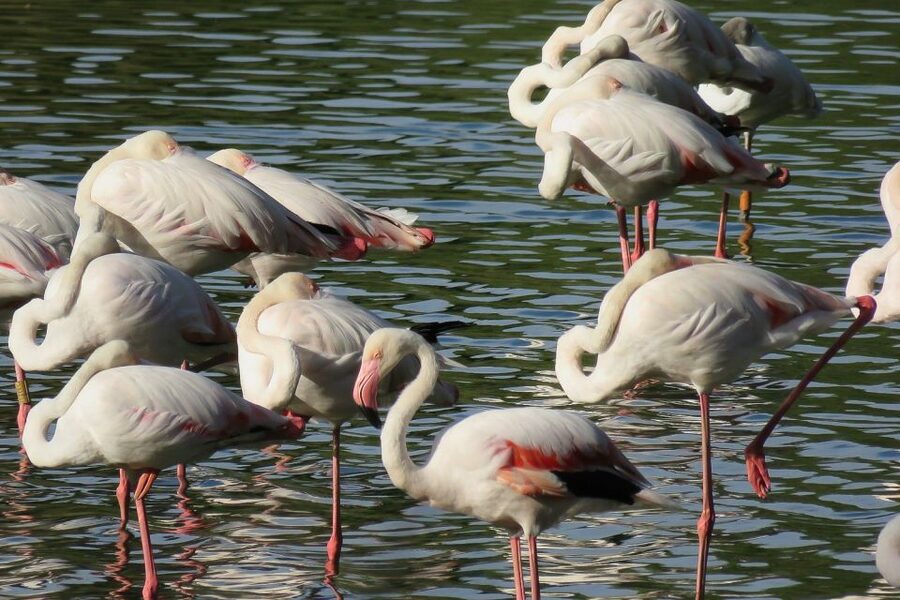
- Birdwatching is the strongest feature: Flamingos, storks, glossy ibises, herons, egrets, black kites, and many other species may appear.
- Expert wildlife spotting matters: Guides such as José and Sergio have repositioned the vehicle and made detours to give people a better view.
- The tour is more driving than walking: You get several walks and photo stops, but this is mainly a vehicle-based nature outing.
- Summer adds a beach break: Matalascañas offers time by the Atlantic and, in warm weather, the option of a swim.
- Price and format: At $105 per person, the trip includes pickup, transport, a guide, and prismatics, with shared and private options available.
Why Doñana makes a worthwhile day from Seville
Seville is packed with palaces, churches, tiled courtyards, and busy plazas. Doñana gives you a very different side of Andalusia: open marshes, sandy ground, pine woods, grazing country, and a huge Atlantic shore.
The park is known for its birdlife, with around 300 bird species recorded across its habitats. That makes this a particularly good choice if you enjoy nature photography or birdwatching. You do not need to be a serious birder, though. The variety keeps the day interesting even when the main target species stay hidden.
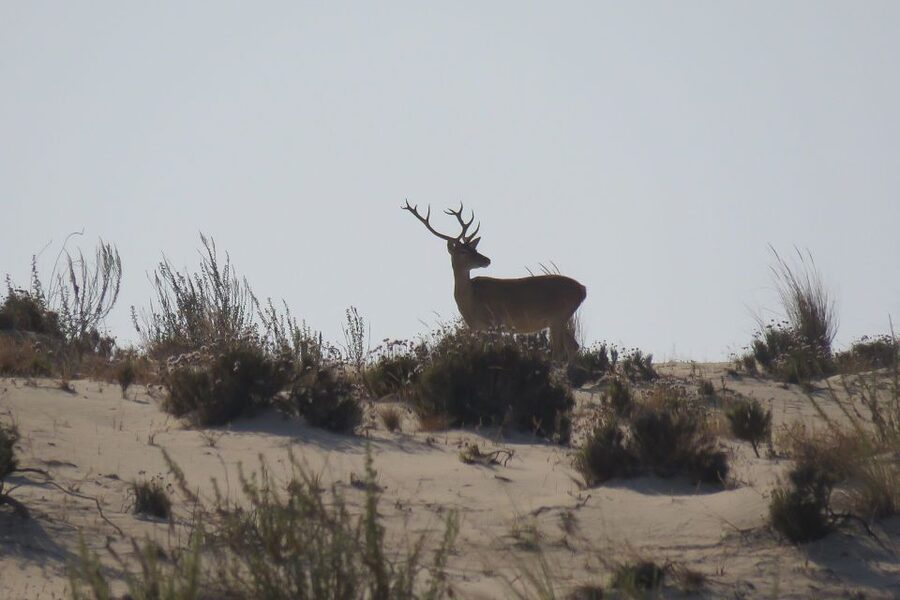
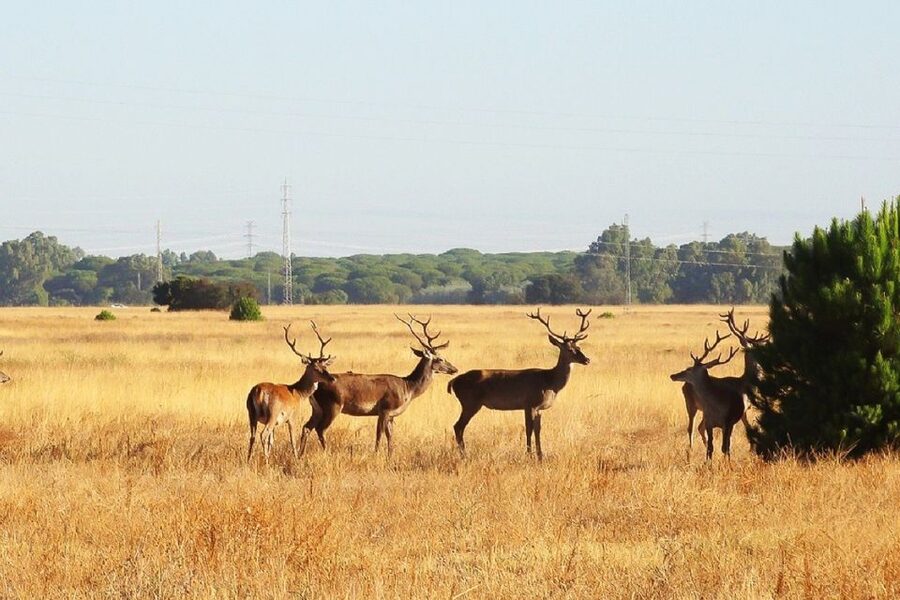
The park also supports large mammals, including deer and wild boar. The Iberian lynx is the famous prize, but you should treat it as a bonus rather than a promise. Even experienced guides cannot order a lynx to appear on schedule. A good guide can increase your chances, explain signs such as tracks, and help you notice smaller creatures that you would otherwise miss.
The trip has a strong 4.3 rating from 380 bookings, with guides receiving the most consistent praise. José is repeatedly described as friendly, attentive, and good at finding animals. Sergio is praised for his passion and for slowing down or taking detours when wildlife appears. Those details matter here because the quality of the guide can shape the entire day.
More National Park Day Trips in Spain
- Tenerife: Teide National Park Full-Day Tour with Pickup
★ 4.5 · 1,613 reviews - Arrecife/Playa Blanca: Timanfaya National Park Area Day Tour
★ 4.4 · 856 reviews - Donana National Park: Guided Day Tour from Seville
★ 4.5 · 372 reviews
Leaving Seville through Coria del Río
Pickup is available from your hotel, and you should wait in the lobby 10 minutes before the scheduled time. The drive from Seville begins with the nearby town of Coria del Río, set beside the Guadalquivir River, then continues toward the northern side of Doñana.
The first vehicle section lasts about 50 minutes. That is a manageable start, though traffic leaving Seville can slow things down. One person found the van comfortable and modern, while also noting that all seven seats were occupied. If you are sensitive to space or want the best view, a private booking may be worth considering.
The tour supplies prismatics, which is a useful touch. Still, I would bring your own binoculars if birdwatching is a major reason for booking. Shared equipment can be well used, and having your own pair means you do not need to wait or pass them around.
Dehesa de Abajo and the northern marshes
The first substantial stop is the visitor center at Dehesa de Abajo, in the northern marsh area. Here, pine woods and open pasture meet wet ground that attracts a large number of birds.
This is where the tour begins to feel like a real nature trip rather than a scenic drive. Flamingos may gather in suitable water, and Spanish imperial eagles are among the prized sightings. You might also see storks, herons, egrets, kites, ibises, and other wetland birds.
The exact wildlife changes with the season and the conditions. A spring visit may bring more activity in the natural areas, while winter can be especially good for birds near the lakes. Summer can look drier and feel hotter, but it adds the appeal of the Atlantic swimming stop later in the day.
The guide’s skill is important at this point. José has been praised for quickly locating animals and making sure the group gets a view. Another guide, Sergio, has been credited with driving slowly and repositioning the vehicle so people on different sides could see. That is the sort of small service that turns a distant bird into a memorable sight.
Rice fields and Europe’s stork colony

The route passes rice fields linked with Europe’s largest colony of storks. Even if you are not an expert, the sight of storks gathered around the fields gives the journey a clear sense of place.
This section also shows why Doñana cannot be reduced to one postcard view. The park and its surrounding areas include working agricultural land as well as protected marshes and forests. You see how water, farming, and wildlife exist side by side, with the balance changing across the year.
The route is not built around long hikes from one bird hide to another. Instead, the guide watches from the vehicle, stops at useful viewpoints, and explains what you are seeing. That keeps the park accessible to people who prefer a lighter walking day, but it may disappoint you if you expected hours on foot.
Same corner of the map, a different park:
- Tenerife: Teide National Park Sunset & Stargazing Tour
★ 4.2 · 3,812 reviews - Tenerife: Sunset and Stargazing at Teide National Park
★ 4.7 · 2,826 reviews - Teide National Park Sunset & Stargazing with Dinner (Star Safari)
★ 5.0 · 2,601 reviews - Teide National Park: Sunset & Stargazing Safari with Dinner
★ 4.6 · 2,115 reviews
El Rocío, a famous village with limited free time
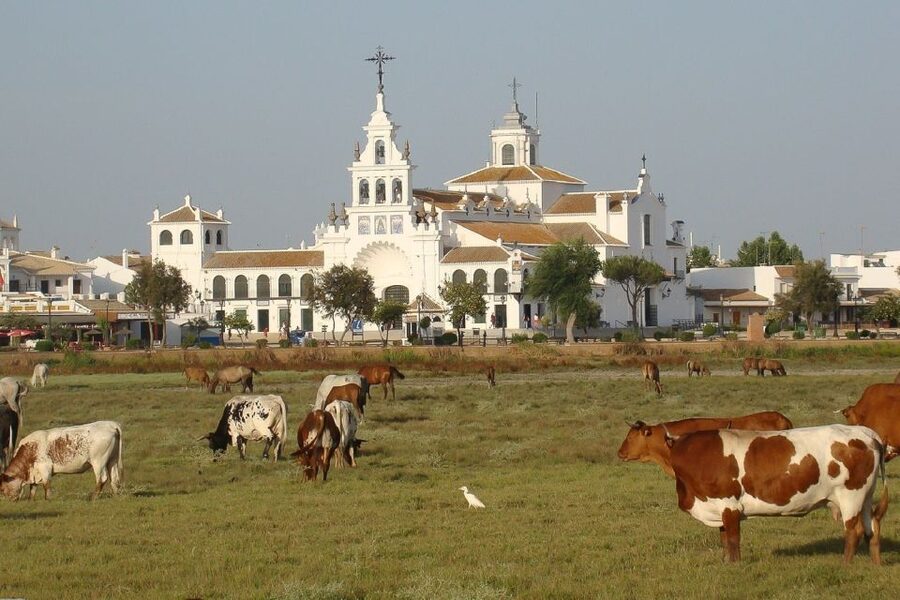
El Rocío is one of the most distinctive stops. The village is known for its chapel, wide sandy streets, and connection with the religious pilgrimage associated with the area. You also visit an observatory and have a guided introduction to the village.
I like the change of pace here. After watching marshes and birds, you get a look at the human traditions tied to Doñana. The village helps explain why this region is more than a protected natural area. It has its own customs, celebrations, and strong local identity.
Time is the concern. The planned stop lasts about an hour, and some of that may be taken up by the group’s movements and explanations. One person wanted longer to explore El Rocío’s history, while another felt the stop was longer than needed and would have preferred more time beside the water or in the dunes.
If you want an extended visit to the chapel, lunch, and independent birdwatching, this schedule may feel tight. If you mainly want an introduction and a short walk, the stop works well.
La Rocina and the value of walking
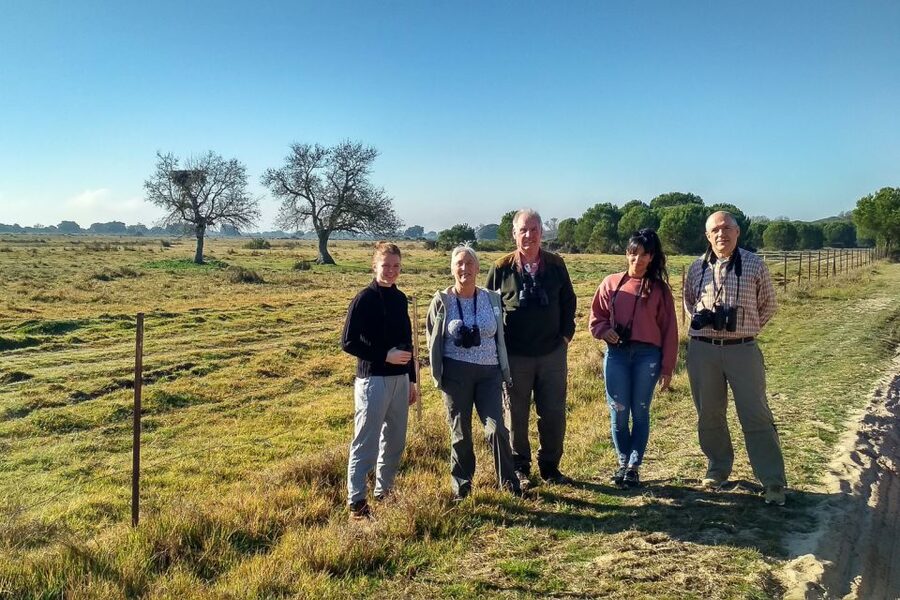
Near El Rocío, the tour follows trails around the La Rocina stream. This is one of the better moments for getting out of the vehicle and seeing the park at a slower pace.
The walking sections help you notice the smaller details of Doñana: plant life, insects, tracks, and changes in the ground beneath your feet. You may not cover a great distance, but the contrast with the driving is welcome.
Several people praised the guides for answering questions and explaining both wildlife and local traditions. Patricia, for example, was singled out for her enthusiasm and patience. A guide who can connect a bird, a plant, a waterway, and a local custom gives the place more meaning than a simple list of species.
Bring comfortable shoes. The tour also recommends sunglasses, a sun hat, and sunscreen. Those are not decorative packing suggestions. Much of the day takes place in exposed country, and the combination of sun, pale sand, and long hours outside can wear you down.
Lunch and the route to Matalascañas
Meals and drinks are not included, so you need to budget for lunch and carry water or snacks. The schedule allows a longer lunch break, with one person noting about 1.5 hours to relax. That pause is useful after the morning’s wildlife stops.
The route then continues toward Matalascañas, a coastal resort area beside the Atlantic. The drive lasts around 30 minutes before the main southern stop, though exact timing can shift with traffic and wildlife sightings.
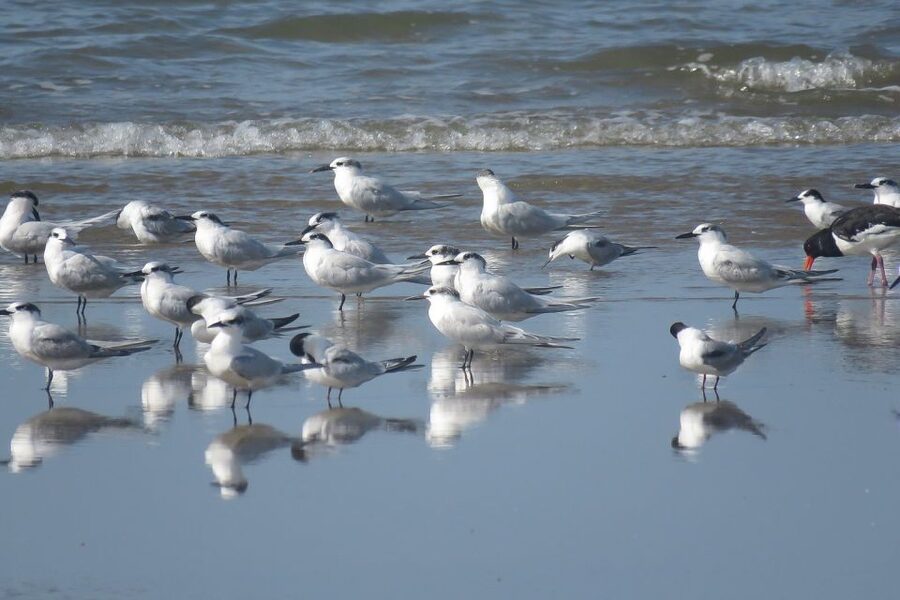
Matalascañas gives you the park’s coastal side. The beach is broad and open, with a striking sense of space. In summer, you may take a dip in the Atlantic, which is a welcome reward after a hot day in the marshes and pine woods.
Do not assume you will get unlimited beach time. One person had only about 35 minutes for the beach and dunes, while the advertised schedule allows roughly 2.5 hours for the wider Matalascañas section. That time includes transport, guiding, photos, and the different parts of the coastal visit, so independent beach lounging is not the main purpose.
The dunes and Asperillo at day’s end
The southern portion includes Spain’s largest dune system, followed by the return through the Asperillo area. This is one of the most dramatic changes in scenery during the day.
The dunes feel remote and spare, with sand replacing marsh water and forest ground. You get a clear sense of how varied Doñana is within a single protected area. The pine forest and dune country also offer a good chance to look for deer, wild boar, and other large animals.
The return drive takes about 75 minutes. If the timing works, the late light through the pines can be beautiful. The sunset is not guaranteed, of course, but the final stretch can be a pleasant way to wind down after a full day outside.
This is also when fatigue can show. The total outing lasts 10 hours, and the day combines early pickup, several vehicle sections, walking, sun, and a long return. I would not schedule a demanding evening activity in Seville afterward.
Wildlife: what you may really see
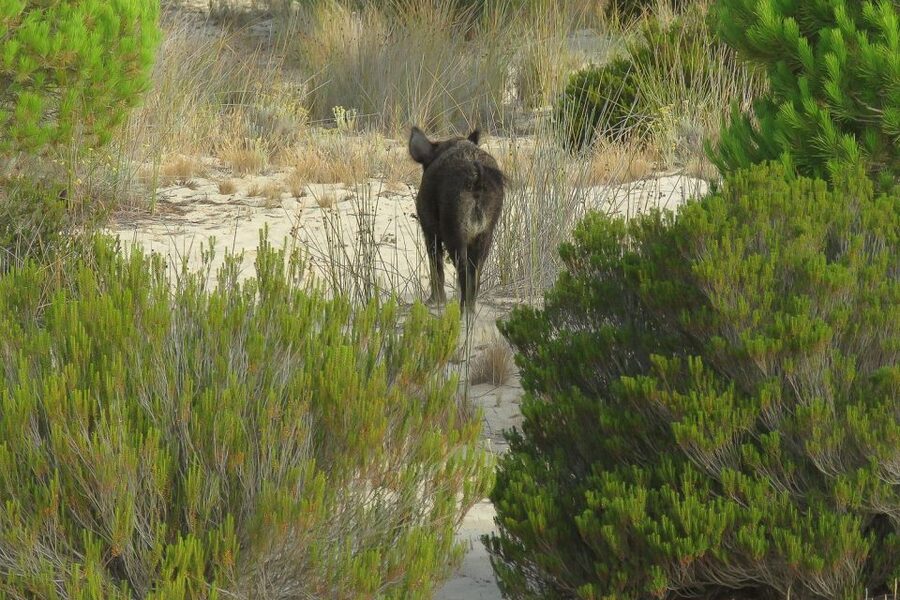
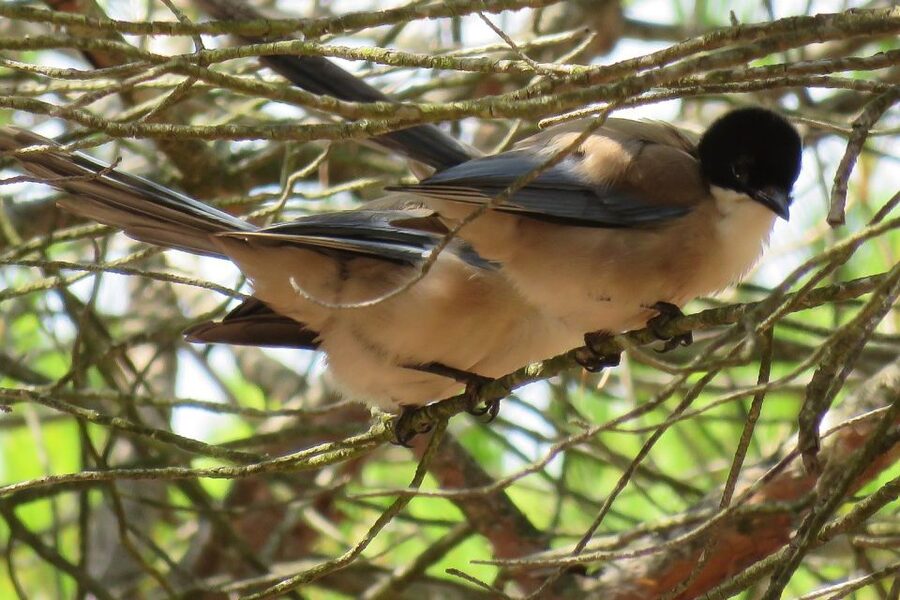
Birds are the safest reason to book this trip. One keen birdwatcher recorded about 70 species in a single day, including a Thekla’s lark, griffon vulture, great spotted cuckoo, osprey, purple swamphen, and a barn owl seen at close range.
Other sightings have included glossy ibis, blue heron, little egret, great white egret, storks, flamingos, and black kites. You may see several of these, but no guide can control weather, water levels, or animal behavior.
The lynx deserves a realistic warning. It is an important symbol of Doñana and appears in the tour’s highlights, but it is elusive. Some people saw tracks or pawprints rather than the animal itself. You should book for the park, the birds, and the changing habitats, not for a guaranteed lynx encounter.
Transport, group size, and guide quality
The tour uses a van or similar vehicle, and small-group and private formats are available. A small group generally makes wildlife stops easier because the guide can respond to what appears, but a full vehicle can feel cramped, especially from the back seats.
One person reported a mechanical noise and strong vibration in the rear of the van. That appears to have been an isolated transport problem rather than the normal expectation, but it shows why seat position can affect comfort. Private travel costs more, yet it gives you more control and may suit people with specific interests, such as birds, photography, or longer walking stops.
Language options are English, French, Italian, and Spanish. To request a specific language, at least four people who speak it are required. If that minimum is not met, the provider may offer another language or date, or give a full refund.
Is $105 good value?
At $105 per person, I consider this fair value for a full-day trip that includes hotel pickup and drop-off, transport, a live guide, and prismatics. You are covering a large area that would be difficult to understand or navigate efficiently without local direction.
The value is strongest if you care about wildlife and want to see several parts of Doñana in one day. A private vehicle, specialist birding arrangement, or separate beach visit could cost more, while a self-guided visit would require more planning and would not give you the same chance of having animals pointed out.
The price feels less attractive if you want long walks, a relaxed beach day, or lots of free time in El Rocío. This is a broad introduction to Doñana, not a slow retreat in one corner of the park.
Free cancellation up to 24 hours before departure and reserve-now, pay-later booking add useful flexibility. Infant seats are available if requested ahead of time. Pets are not allowed.
Who should book this Doñana day trip?
I would choose this outing if you have a full day in Seville and want a strong contrast with city sightseeing. It suits birdwatchers, photographers, families who can handle a long day, and anyone curious about Andalusia’s protected natural areas.
Spring is a good choice if you want more active natural areas, while winter can be especially rewarding for birdwatching around the lakes. Summer brings heat but also the possibility of swimming at the beach. Autumn and winter may feel quieter, and El Rocío and Matalascañas can be very calm outside their busiest periods.
I would think twice if long periods in a vehicle bother you or if your priority is an unhurried beach visit. I would also avoid booking it solely to see a lynx. Nature does not take reservations.
Should you book it?
Yes, if you want the widest possible introduction to Doñana from Seville and appreciate a guide who can locate wildlife, explain the ecosystems, and adjust the route when something appears. The repeated praise for guides such as José, Sergio, Luismi, Patricia, and Diego is deserved based on the kind of service described: patient explanations, careful driving, and real effort to give everyone a view.
Book a private option if you want more control over walking, photography, language, or stop lengths. For a shared trip, bring binoculars, water, sun protection, and comfortable shoes, then treat the lynx as a lucky extra. Doñana is the reason to go, not a single animal.
FAQ
How long is the Doñana National Park day trip?
The experience lasts about 10 hours, including pickup from Seville, travel between stops, time in Doñana, and the return journey.
Does the tour include hotel pickup and drop-off?
Yes. Hotel pickup and drop-off in Seville are included. You should wait in your hotel reception or lobby 10 minutes before the scheduled pickup.
What is included in the price?
The price includes transportation, a guide, hotel pickup and drop-off, and prismatics. Meals and drinks are not included.
What languages are available?
Live guiding is available in English, French, Italian, and Spanish. A minimum of four people who speak a requested language is required.
Can I book a private tour?
Yes. Private and small-group options are available.
Can I swim in the Atlantic?
During summer, the itinerary allows an opportunity to swim at the beach near Matalascañas. Beach time may be limited, so it is not designed as a full beach day.
Will I definitely see a lynx?
No. Lynx sightings are not guaranteed. You may see signs such as pawprints, along with other mammals including deer and wild boar.
Should I bring my own binoculars?
Prismatics are provided, but bringing your own binoculars is useful if birdwatching is a main interest.
What should I bring?
Bring comfortable shoes, sunglasses, a sun hat, and sunscreen. Since meals and drinks are not included, plan for your own food and beverages.
Can I cancel the booking?
You can cancel up to 24 hours in advance for a full refund. You can also reserve now and pay later.
More Day Trips in Spain
- From Manapouri: Doubtful Sound Wilderness Day Trip
★ 4.8 · 1,621 reviews - Split: Krka National Park Day Trip with Boat Ride & Swimming
★ 4.6 · 1,321 reviews - From Dresden: Saxon Switzerland National Park Full-Day Trip
★ 4.7 · 931 reviews - Split/Trogir: Krka National Park Day Trip with Wine Tasting
★ 4.7 · 925 reviews
Just added around Spain
- From Barcelona: Horseback Tour in Montserrat National Park★ 4.6 · 112 reviews
- Tenerife: Sunset Teide National Park & Photos★ 4.1 · 14 reviews
- Explore the Nerja National Park nature in our open-top jeeps★ 4.8 · 4 reviews
- Ebro Delta National Park: Scenic Drive and Kayaking Tour★ 4.1 · 5 reviews
- Ebro Delta National Park: Guided Horseback Riding Tour★ 3.8 · 17 reviews
- El Rocío: Doñana National Park Horseback Riding Tour★ 3.5 · 35 reviews
- Electric mountain bike in Sierra de las Nieves national park★ 4.6 · 5 reviews
- Alcudia: Llevant Peninsula Nature Reserve Private Boat Tour★ 5.0 · 14 reviews
National Park Day Trips, compared.
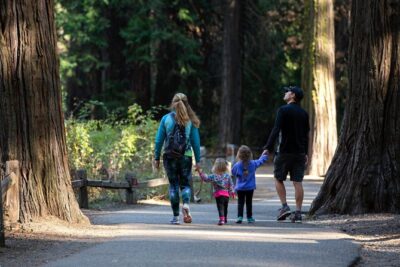
Yosemite Highlights & Giant Sequoias Day Tour from San Francisco
Read our review →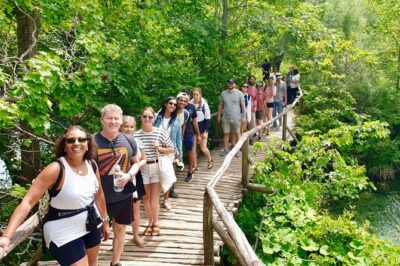
Plitvice Lakes National Park Guided Day Tour from Split
Read our review →
From Manapouri: Doubtful Sound Wilderness Day Trip
Read our review →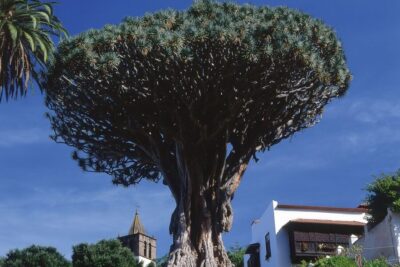
Tenerife: Teide National Park Full-Day Tour with Pickup
Read our review →
Split: Krka National Park Day Trip with Boat Ride & Swimming
Read our review →
Canyonlands National Park Half-Day Tour from Moab
Read our review →
Best of Olympic National Park from Seattle: All-Inclusive Small-Group Day Tour
Read our review →
Montenegro: Full-Day Tour to Lovcen National Park & More
Read our review →Browse the lists this tour appears in